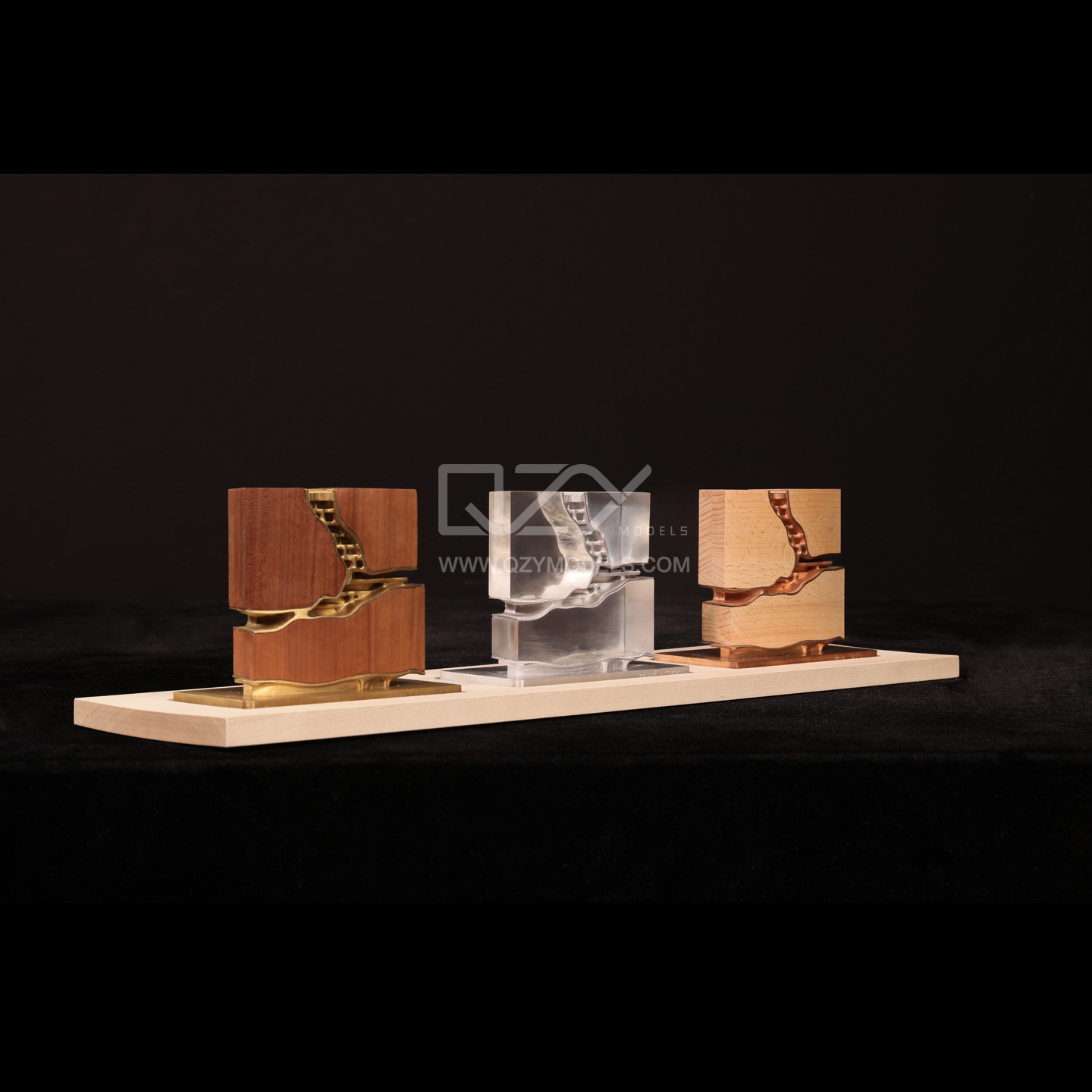
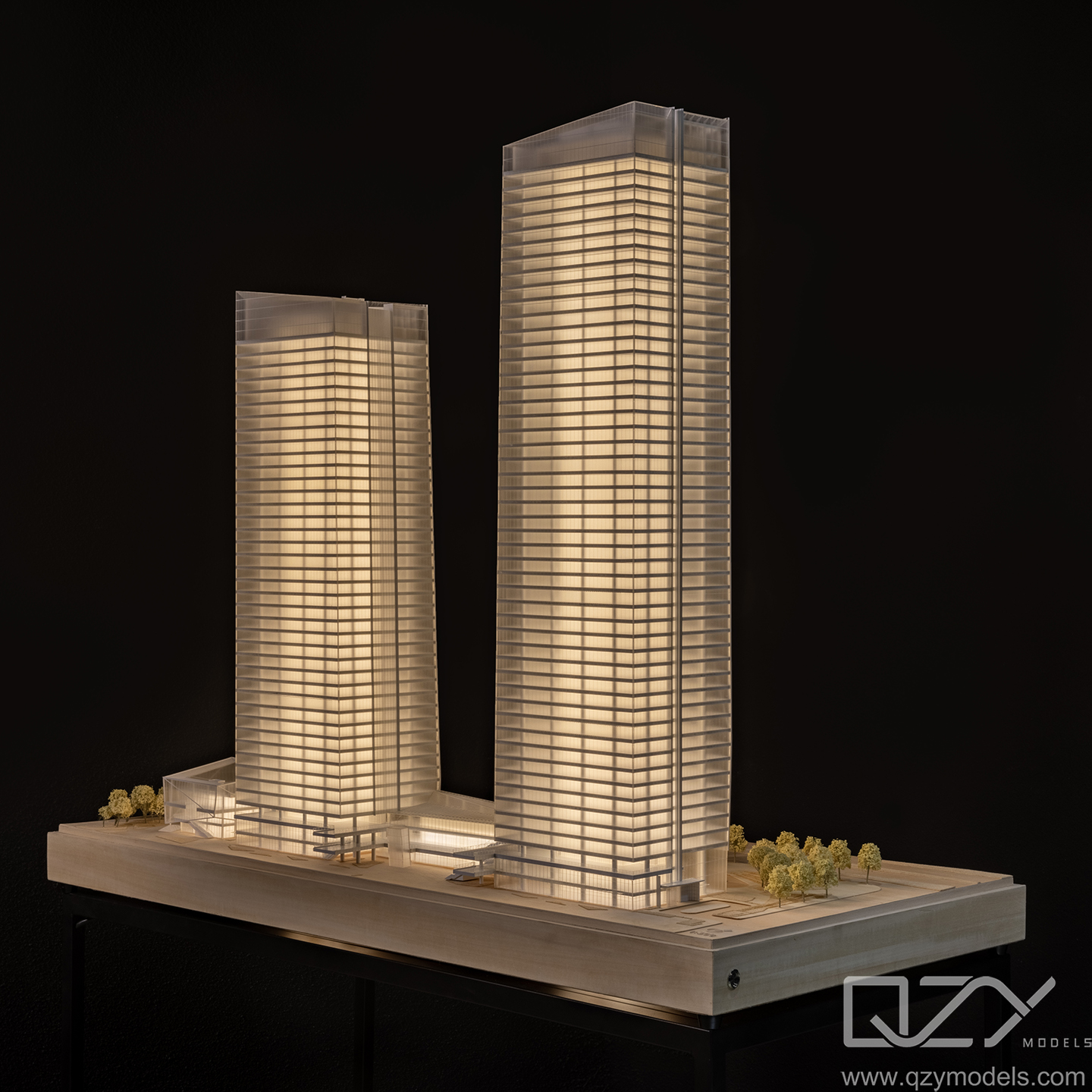
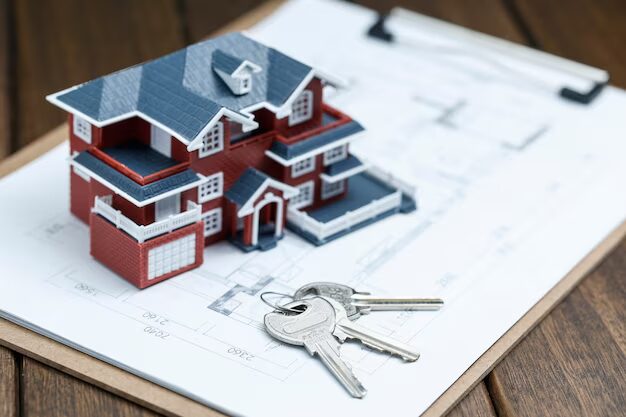
A model maker is a skilled professional who creates detailed physical representations of designs, products, or architectural projects. Using advanced technologies and traditional craftsmanship, model makers turn digital plans into tangible, scaled models that aid visualization, marketing, and design validation across industries like architecture, engineering, and industrial design.
What Does a Model Maker Do in Architecture and Industry?
A model maker translates blueprints, CAD files, or digital renderings into precise physical models. In architecture, these scale models showcase buildings, urban developments, or interiors, helping stakeholders understand spatial relationships. In industrial design, they create prototypes of products to test form and function. The process involves material selection, fabrication techniques, and finishing, all tailored to project requirements and client goals.
A model maker is someone who takes designs from blueprints or digital files and turns them into physical, scaled-down versions. In architecture, these models help people see how a building or development will look in real life, making it easier to understand how the spaces will work together. For industries, model makers create prototypes of products to test how they will function and look. This process involves choosing the right materials and using different techniques to create a model that meets the project’s needs.
At QZY Models, for example, the team specializes in creating high-quality models for architects, developers, and designers. These physical models allow clients to visualize ideas and assess designs in a tangible way, ensuring they are well-planned before being built. Whether for urban planning or industrial product development, model making is crucial in bringing ideas to life, helping teams make better decisions and avoid costly mistakes.
How Are Physical Models Created and What Technologies Are Used?
Model making blends traditional handcrafting skills with cutting-edge digital tools. Common technologies include CNC milling, laser cutting, and industrial-grade 3D printing (SLA, SLS, FDM). CAD software guides precision fabrication, while materials range from wood, acrylic, and foam to resin and metal components. This technological integration allows for high-definition detailing and faster turnaround times.
Physical models are created through a combination of traditional craftsmanship and modern technology. While skilled hands may shape materials like wood, acrylic, or foam, advanced tools like CNC milling, laser cutting, and 3D printing are used to ensure precision and efficiency. These technologies allow for detailed, accurate models that are often more complex and precise than what could be achieved by hand alone.
For example, CAD software (Computer-Aided Design) is used to create digital blueprints, which guide machines in making the models. Technologies like 3D printing (SLA, SLS, FDM) can create intricate designs that would be difficult or impossible to make by hand. These tools help speed up the process, reducing time and costs while enhancing the model’s quality. At QZY Models, this mix of techniques ensures the delivery of high-quality architectural and industrial models that meet clients’ needs and expectations with exceptional precision.
Which Materials Are Typically Used by Model Makers?
Model makers select materials based on durability, detail, and aesthetics. Acrylics are favored for transparency and sleek surfaces; wood (basswood, MDF) for structural elements; foam for volume and massing; plastics and resins for fine details and flexibility. Metals may be used for accents or mechanical parts. Sustainable and lightweight materials are increasingly incorporated to enhance environmental responsibility and ease of handling.
Why Is Choosing a Professional Model Maker Important for Projects?
Professional model makers ensure accuracy, craftsmanship, and quality essential for effective communication and marketing. Their expertise helps catch design flaws early, facilitates stakeholder buy-in, and supports project approvals. Reliable model makers like QZY Models maintain strict quality controls and adapt to client specifications, providing precise, visually compelling models that elevate project presentations and decision-making.
Who Are Leading Model Makers in the UAE and How Do They Stand Out?
The UAE hosts top-tier model makers like QZY Models, On Point 3D, PAM Models, and others who combine global expertise with local insight. These firms use state-of-the-art equipment and skilled artisans to produce models revered for their precision, innovation, and detail. Their extensive portfolios span iconic skyscrapers, master-planned communities, and complex industrial prototypes, reflecting the UAE’s dynamic architectural and industrial landscape.
When Should You Engage a Model Maker in Your Project Timeline?
Early engagement with a model maker, during design development or schematic phases, ensures models effectively inform design decisions and client presentations. Model makers also play a vital role before marketing launches or planning submissions, providing physical proof of concept. Collaborating from the start ensures design feasibility and allows for iterative refinements based on tangible feedback.
Where Can You Find Expert Model Makers Like QZY Models?
QZY Models operates globally with strong regional presence in the UAE, Saudi Arabia, and Egypt, offering specialized architectural and industrial scale model services. Their Shenzhen headquarters and international branches enable them to manage complex projects with precision. UAE clients benefit from local support, quick turnaround, and integration of innovative technologies like 3D printing and interactive model elements.
Does Customization Differentiate Model Makers in Quality and Service?
Customization is critical in model making, as each project demands unique detail, scale, and functionality. QZY Models and other leading firms provide bespoke solutions, including different scales, lighting, landscaping, and moving parts. This flexibility enhances client satisfaction by delivering models tailored to aesthetic preferences, technical needs, and marketing strategies.
Has 3D Printing Revolutionized Model Making?
3D printing has dramatically impacted model making by enabling intricate, highly detailed, and accurate parts with faster production cycles. QZY Models utilizes industrial-grade 3D printers (SLA, SLS) to capture complex geometries and textures not achievable by traditional methods. This technology complements conventional craftsmanship, resulting in hybrid models that combine innovation with artisanal quality.
Are Interactive and Digital Enhancements Common in Model Making Today?
Yes, interactive features such as LED illumination, motorized components, augmented reality (AR), and virtual reality (VR) integration add layers of engagement. These digital additions allow users to explore models dynamically, highlighting varied design options or phasing. Leading model makers, including QZY Models, incorporate these elements to enrich presentations and foster client and investor excitement.
QZY Models Expert Views
“At QZY Models, we redefine model making by merging expert craftsmanship with groundbreaking technology. Our approach ensures every model we create is an accurate, tactile embodiment of design intent, supporting architects and developers in communicating their vision effectively. We embrace customization, precision, and innovation, making us a trusted partner worldwide, especially in the fast-evolving UAE market.”
— Richie Ren, Founder, QZY Models
Conclusion: What Should You Look for When Hiring a Model Maker?
Selecting a model maker requires emphasis on technical expertise, customization capabilities, and technological integration to deliver precise, high-impact models. Firms like QZY Models stand out for their blend of artistic detail and industrial precision, supported by advanced 3D printing and interactive technologies. Early collaboration ensures models serve as effective tools for design validation, marketing, and stakeholder engagement.
Frequently Asked Questions
Q1: How long does it take for a model maker to produce a scale model?
Production time varies from 2 to 6 weeks based on complexity, size, and detail level.
Q2: What scales are commonly used in architectural model making?
Popular scales include 1:50, 1:100, 1:200, and 1:500 depending on project size and purpose.
Q3: Can model makers include landscaping and lighting in models?
Yes, detailed models often feature realistic landscaping, LED lighting, and movable parts.
Q4: What industries benefit from model makers besides architecture?
Industrial design, urban planning, entertainment, aeronautics, and medical sectors also use model makers.
Q5: How does 3D printing enhance traditional model making?
3D printing allows for intricate detail, faster production, and complex shapes, complementing manual craftsmanship.