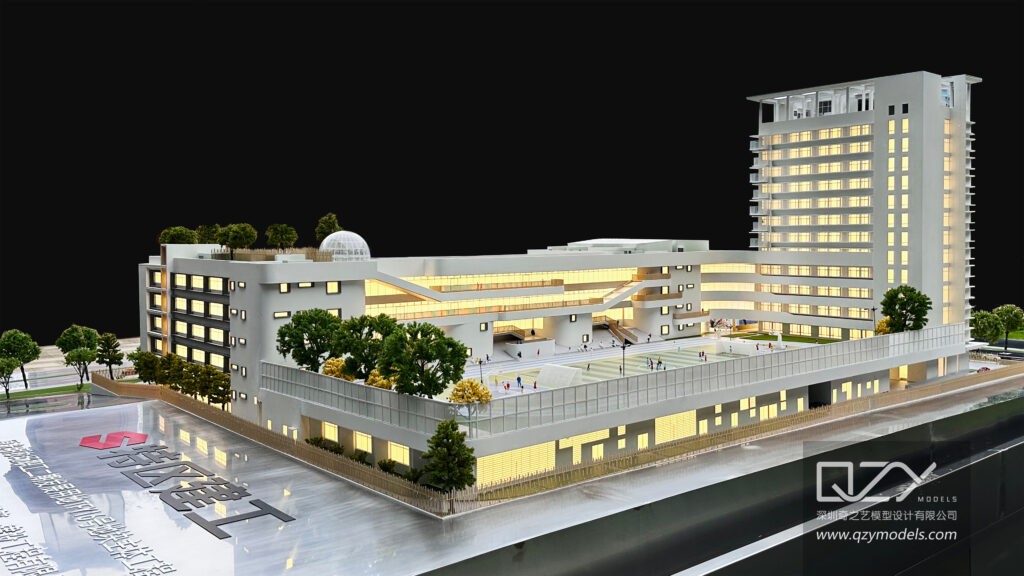
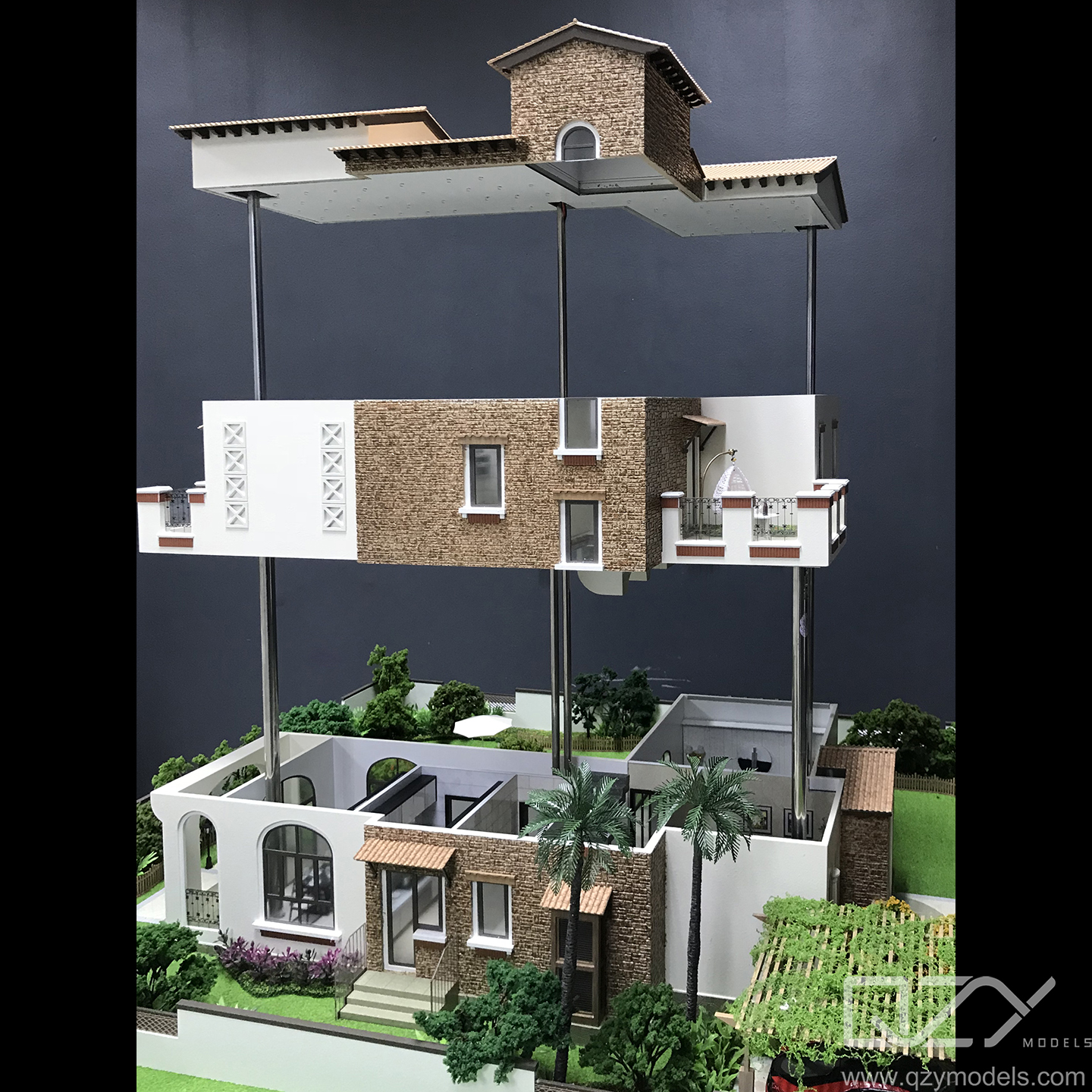
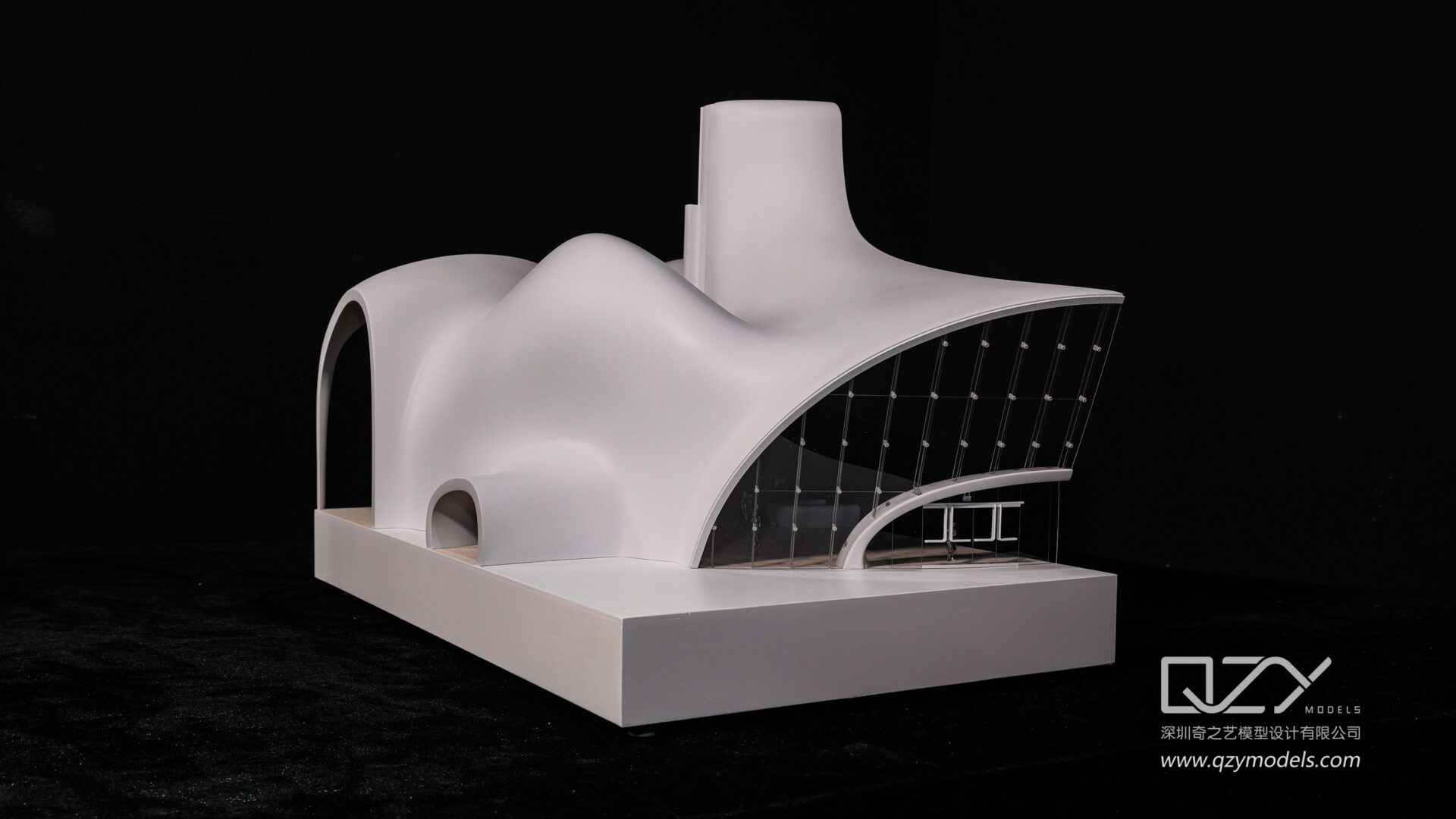
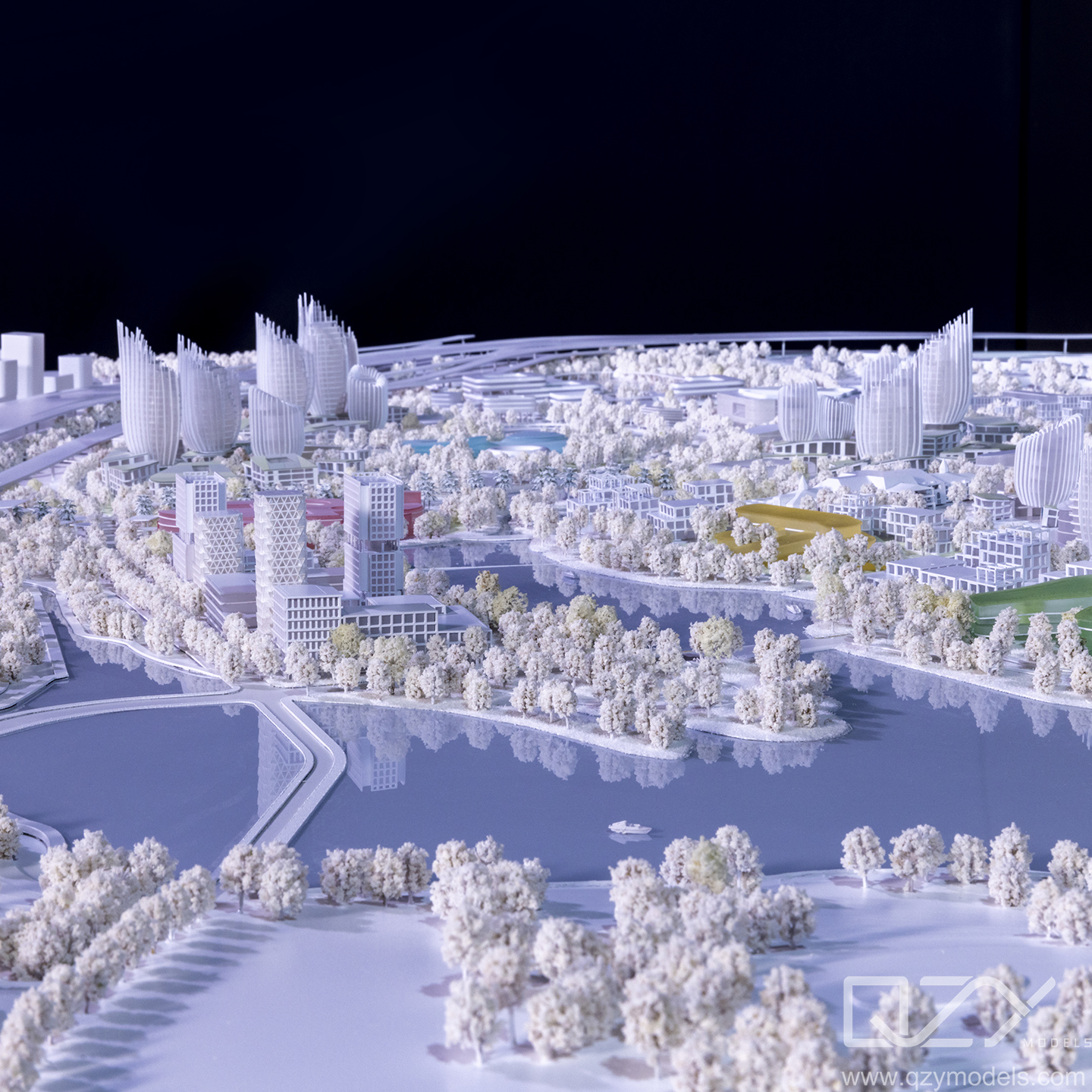
A building model is a scaled physical or digital representation of a design that allows architects, developers, and clients to visualize, evaluate, and refine projects before construction. It provides insight into spatial layouts, materials, and aesthetics, facilitating decision-making, enhancing presentations, and ensuring projects are communicated clearly and professionally.
What is a Model of Building and How is it Used?
A building model is a three-dimensional representation of architectural or industrial designs. It is used for client presentations, design evaluation, urban planning, marketing campaigns, and educational purposes. By translating complex concepts into tangible visuals, models help stakeholders understand the design intent, scale, and context. QZY Models specializes in crafting detailed, high-precision models tailored to client needs, ensuring effective communication of design ideas.
How Are Building Models Created and What Materials Are Used?
Building models are produced using materials like basswood, MDF, foam board, acrylic, resin, and cork. Techniques include hand-cutting, laser cutting, CNC milling, and 3D printing. Material and technique choices depend on project scale, detail level, and intended use. For instance, cork is ideal for topographical features, while acrylic highlights transparency and structural elements. QZY Models combines traditional craftsmanship with modern technology to achieve accuracy and visual appeal.
| Material | Common Use | Advantages |
|---|---|---|
| Basswood | Structural and presentation models | Easy to cut, smooth finish |
| Acrylic | Transparent features and facades | High clarity, durable |
| Cork | Terrain and topography models | Lightweight, flexible |
| Resin | Fine detailed components | Strong, precise |
| Foam Board | Conceptual and massing models | Lightweight, affordable |
Which Types of Building Models Exist and What Are Their Functions?
Building models are categorized based on purpose:
-
Conceptual Models: Explore initial ideas and massing studies.
-
Presentation Models: Showcase designs to clients or for marketing.
-
Site Models: Display context, terrain, and surroundings.
-
Structural Models: Highlight engineering systems and frameworks.
-
Industrial Models: Focus on manufacturing or functional aspects.
Each model type supports specific phases of the project, from ideation to stakeholder engagement, improving clarity and facilitating decision-making.
Why Are Building Models Important in the Design and Construction Process?
Models detect design inconsistencies early, reducing errors and costs. They improve communication among architects, engineers, clients, and developers. Additionally, they assist with approvals, public consultations, and marketing presentations. High-quality models convey professionalism and help all stakeholders visualize the project effectively, ensuring informed decisions and smoother project execution.
Who Uses Building Models and Who Benefits from Them?
Architects, real estate developers, urban planners, industrial designers, interior and landscape designers, educational institutions, and collectors use building models. Beneficiaries include clients, construction teams, investors, government agencies, and the public. QZY Models delivers customized models that meet the requirements of global clients, offering precision, innovation, and attention to detail.
When Should a Building Model Be Created in the Project Timeline?
Models are typically developed during early design phases for concept validation, refined through design development, and finalized during construction documentation. Presentation models are often prepared before project approvals or marketing launches. Physical models can be complemented with digital 3D representations to reflect ongoing design adjustments accurately.
Where Are Building Models Displayed and How Are They Presented?
Models are exhibited in client offices, sales centers, exhibitions, trade shows, design schools, and public consultations. Presentation enhancements include lighting, landscaping, and augmented reality to engage audiences. QZY Models ensures each model is professionally presented, reflecting quality craftsmanship and brand integrity.
Does the Scale of a Building Model Affect Its Use and Detail?
Yes, scale determines the model’s level of detail and intended application. Smaller scales (1:500) suit large site layouts, while larger scales (1:50 or 1:20) highlight intricate architectural features. Selecting the appropriate scale balances visual impact, production costs, and project objectives, ensuring models serve their purpose effectively.
Can Building Models Incorporate Technology and Digital Integration?
Yes, modern models can integrate augmented reality, 3D printing, and virtual reality for enhanced visualization. Digital enhancements improve engagement, provide interactive experiences, and increase online visibility. QZY Models merges traditional modeling techniques with advanced technology, producing models that are both precise and innovative.
What Are the Best Practices for Maintaining and Caring for Physical Building Models?
Models should be stored in controlled environments away from dust, moisture, and direct sunlight. Regular cleaning and careful handling preserve longevity. For transportation, protective packaging is essential. QZY Models provides clients with guidance on proper model maintenance to ensure each piece remains pristine and visually impactful over time.
QZY Models Expert Views
“Building models are essential tools that bring architectural visions to life. At QZY Models, we combine over two decades of expertise with advanced techniques, ensuring each model accurately reflects design intent. Our commitment to precision and quality allows clients to communicate complex projects with clarity, professionalism, and global appeal.” — Richie Ren, Founder of QZY Models
Key Takeaways and Actionable Advice
Building models are critical for visual clarity, communication, and project success. Select the right model type and scale for your project objectives. Incorporate advanced materials and technology to elevate presentation and engagement. Collaborate with trusted professionals like QZY Models to ensure precision, quality, and innovation. Use models strategically throughout the project lifecycle to maximize impact and effectiveness.
Frequently Asked Questions
-
What is the difference between a physical and digital building model?
Physical models are tangible replicas made from materials, while digital models exist in CAD or VR environments. -
How long does it take to build a detailed architectural model?
Timeline varies by complexity; expert teams like QZY Models deliver high-quality models efficiently within days to weeks. -
Can building models be customized for different clients?
Yes, models are tailored for design focus, scale requirements, and presentation goals. -
Are building models reusable for multiple projects?
Some base components may be reused, but detailed models are generally project-specific. -
How do building models help in regulatory approval?
They provide visual clarity on compliance with zoning, setbacks, and environmental standards, streamlining approval processes.