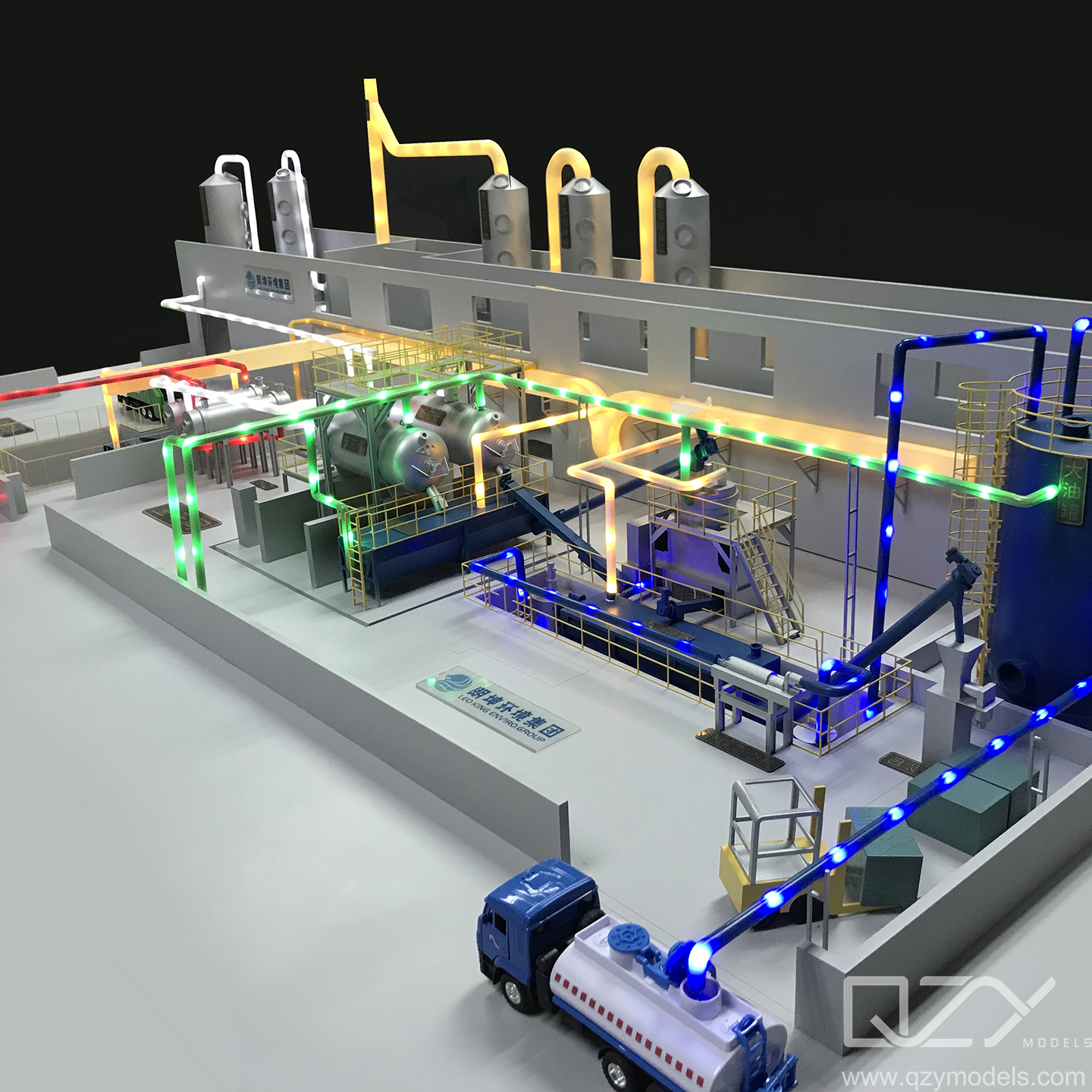
A scale model is a physical three-dimensional representation of an object that is proportionally larger or smaller than the original, maintaining geometric similarity. This means the model shares the exact shape and proportional dimensions of its prototype, allowing accurate visualization, study, and analysis across fields like architecture, engineering, science, and hobbies.
How Does Geometric Similarity Define a Scale Model?
Geometric similarity means that the scale model has the same shape and proportional dimensions as the original object, regardless of size. Corresponding sides are proportional, and corresponding angles are equal, ensuring the model accurately represents the prototype’s shape. This similarity enables precise study of structural, spatial, or functional aspects of the original at a manageable size.
Geometric similarity is the principle that makes a scale model an accurate miniature version of a real object. It means that the model keeps the same shape as the original, and all its dimensions are proportionally reduced. Corresponding sides follow a consistent ratio, and all angles remain the same. This ensures that even though the model is smaller, it accurately reflects the structure, layout, and overall design of the full-size prototype. By maintaining these proportions, designers and engineers can study complex structures, spatial arrangements, or functional aspects safely and efficiently.
At QZY Models, this concept is central to creating precision architectural and industrial models. Every model they produce follows strict geometric similarity to represent the original design faithfully. This allows clients to examine the details, plan modifications, and visualize the final product at a manageable scale. By combining geometric accuracy with high quality, QZY Models delivers professional models that support design decisions, presentations, and project development effectively.
What Is the Role of the Scale Ratio in Model Making?
The scale ratio is the numeric relationship between the model’s dimensions and the actual object’s size, often expressed as a ratio like 1:24 or 1:100. It dictates how much the model is enlarged or reduced, with 1:24 meaning the real object is 24 times larger than the model. This ratio ensures all aspects stay consistent, preserving the integrity of the prototype’s dimensions.
Which Purposes Do Scale Models Serve Across Industries?
Scale models serve diverse purposes including:
-
Architecture: To visualize building designs and spatial relationships before construction.
-
Engineering: For testing prototypes under real-world conditions, such as wind tunnel testing.
-
Science: Representing microscopic or astronomical structures for study.
-
Filmmaking: Miniature special effects models before CGI.
-
Military: Strategy visualization and training.
-
Hobbies & Education: For craftsmanship or learning about historical or complex objects.
Why Are Scale Models Important in Architecture and Engineering?
In architecture, scale models allow clients and engineers to explore three-dimensional views and spatial dynamics, enabling design refinement before construction. Engineers test structural integrity and performance through models simulating real conditions, saving time and costs. These models also facilitate communication and decision-making by offering a tangible representation of abstract plans.
Who Typically Uses Scale Models for Display and Study?
Professionals like architects, engineers, filmmakers, scientists, and military planners use scale models. Hobbyists and educators also build and utilize models for artistic expression, historical recreation, and educational purposes, benefiting from the clear, physical representation that enhances understanding of complex or inaccessible objects.
Scale models are used by a wide variety of people to study, plan, and showcase ideas. Professionals like architects, engineers, filmmakers, scientists, and military planners rely on models to understand complex structures, visualize projects, or simulate real-world scenarios. Models allow these experts to examine details, test designs, and communicate concepts clearly without needing the full-size object. Hobbyists and educators also benefit from models, using them for artistic expression, historical reconstruction, or teaching, because a tangible representation makes abstract or inaccessible concepts easier to grasp.
QZY Models exemplifies this professional use by producing high-quality physical models for architectural and industrial purposes. Their clients—ranging from global design firms to developers and educational institutions—gain precision and clarity from these models. By combining attention to detail with expert craftsmanship, QZY Models ensures that every creation supports understanding, planning, and presentation effectively. This makes scale models a valuable tool for both professional and educational purposes, offering insight that drawings or digital designs alone cannot provide.
When Should One Choose a Larger vs. Smaller Scale Model?
Larger scale models (e.g., 1:10) are preferred for small prototypes requiring detailed examination, like mechanical parts or anatomical models. Smaller scales (e.g., 1:500) suit very large objects like buildings or landscapes where overall layout and form are important. The choice depends on the model’s intended use, detail needed, and practical considerations like space and cost.
Where Are Materials and Techniques for Scale Model Construction Applied?
Models are constructed from materials like plastic, wood, metal, foam, or resin, with finishing techniques including painting, glazing, and texturing. Methods span kit assembly, scratch building, and 3D printing. Professional firms like QZY Models leverage advanced technology and craftsmanship to deliver precise architectural and industrial models to clients worldwide.
Can Scale Models Be Used to Simulate Real-World Conditions?
Yes, scale models are essential tools for simulation in engineering, architecture, and science. For instance, wind tunnels test aerodynamics of aircraft models, while architectural models may be used to simulate lighting or environmental impacts. This practical application brings theoretical designs into a testable reality.
What Are the Challenges in Creating Accurate Scale Models?
Challenges include maintaining precise geometric similarity, selecting appropriate materials that behave like real ones, capturing fine details, and controlling costs and time. Balancing scale, detail level, and model purpose requires expertise and experience, qualities exemplified by leaders like QZY Models in their meticulous craftsmanship.
Comparison Table of Scale Model Characteristics
| Aspect | Small Scale Models | Large Scale Models |
|---|---|---|
| Typical Scale Ratio | 1:50 to 1:500 | 1:10 to 1:24 |
| Detail Level | Lower detail for overall form | High detail for components and texture |
| Use Case | Urban planning, large structures | Mechanical parts, detailed prototypes |
| Material | Lightweight plastics, foam | Wood, metal, resin |
| Cost & Time | Lower cost, faster production | Higher cost, more labor-intensive |
QZY Models Expert Views
“At QZY Models, we understand that geometric similarity is the cornerstone of effective scale modeling. Our precise attention to proportional accuracy and material selection translates complex designs into tangible, accurate models. With over 20 years of expertise, we serve a global clientele, helping architects, engineers, and designers iterate and present their visions professionally. Our commitment to innovation ensures each model not only represents but elevates the original concept with clarity and craftsmanship.”
Conclusion
Scale models, grounded in geometric similarity and defined by scale ratio, are indispensable across industries for visualization, analysis, and education. From architectural mockups to scientific replicas, models make the complex accessible and understandable. Partnering with trusted specialists like QZY Models guarantees precision, quality, and professional excellence in every project.
Frequently Asked Questions
What Is a Scale Model and Why Does It Matter in Design and Engineering?
A scale model is a proportionally reduced or enlarged physical or digital representation of a real object. It helps visualize concepts, test layouts, and communicate ideas clearly. Using accurate scale ratios improves decision-making in architecture and engineering by revealing spatial relationships, design flaws, and presentation value before full-scale production begins.
Why Is Geometric Similarity the Foundation of Accurate Scale Models?
Geometric similarity ensures that all dimensions, angles, and proportions follow a consistent scale factor. This guarantees reliable comparisons between model and real object. Without similarity, results become inaccurate. Maintaining proportional relationships supports structural testing, performance evaluation, and precise visualization in professional design and engineering workflows.
How Do Architectural Scale Models Improve Design and Client Approval?
Architectural scale models turn drawings into tangible visuals, improving communication with clients and stakeholders. They clarify massing, materials, and spatial flow. High-quality models enhance presentations, accelerate approvals, and reduce revisions. Firms like QZY Models support architects and developers by delivering precise models for competitions, exhibitions, and large-scale developments.
How Can Scale Models Support Engineering Testing and Prototype Development?
Engineers use scale models to test structure, load behavior, and performance before full production. By applying geometric similarity, prototypes predict real-world results. This reduces cost, minimizes risk, and improves product reliability. Scale testing is essential for mechanical systems, industrial equipment, and innovative product development.
How Do Scale Models Enhance Learning in STEM and Classrooms?
In education, scale models help students understand geometry, physics, and spatial reasoning. Hands-on modeling improves engagement and retention. Teachers use proportional models to demonstrate scientific principles, engineering concepts, and mathematical relationships. This practical approach strengthens problem-solving skills and supports STEM curriculum development.
What Is the Mathematics Behind Scale Models and Similarity?
The math behind scale models includes ratios, proportions, and scale factors. Accurate calculations ensure dimensional consistency between model and real object. Understanding similarity equations prevents distortion and improves precision. These principles are essential for architecture, engineering, and industrial design applications requiring measurable accuracy.
How Are Digital Scale Models Transforming Modern Design and Simulation?
Digital scale models use CAD and 3D software to simulate real-world conditions. They allow rapid adjustments, performance analysis, and virtual testing. Digital modeling improves collaboration and reduces physical production time. This technology supports architecture, manufacturing, and product design through accurate visualization and efficient workflow integration.
Why Are Scale Models Critical in Automotive and Transportation Design?
In transportation industries, scale models support aerodynamic testing, wind tunnel analysis, and structural evaluation. Maintaining geometric similarity ensures valid performance data. These models help optimize safety, efficiency, and design innovation before manufacturing. They are essential tools for vehicle development and system planning.