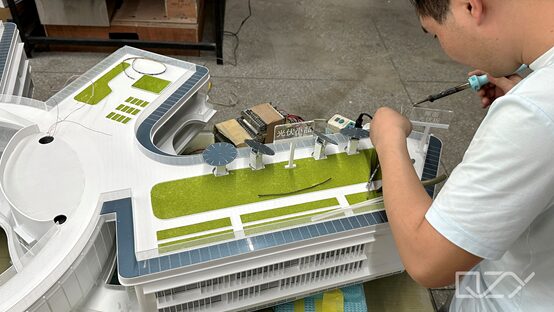
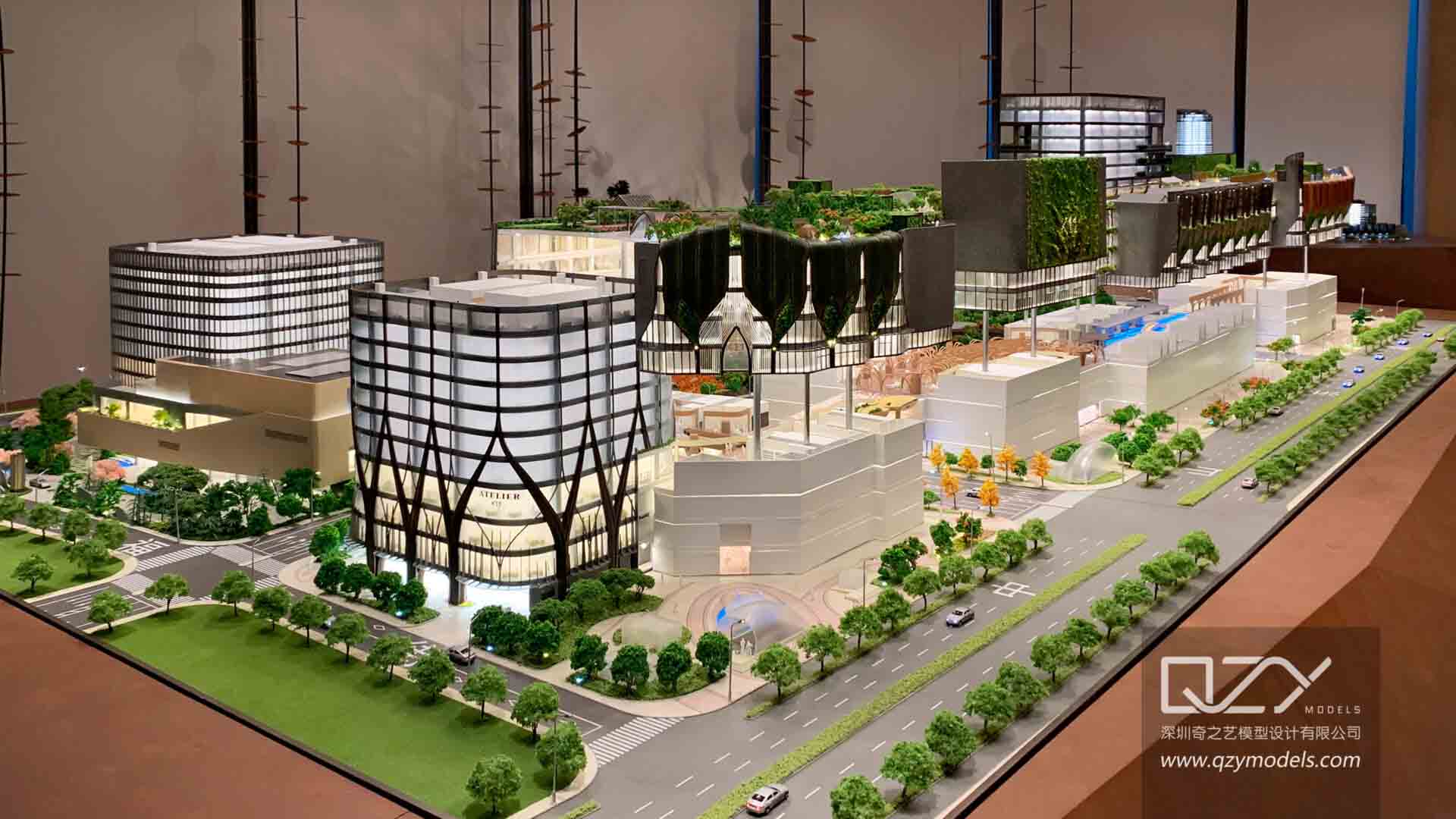
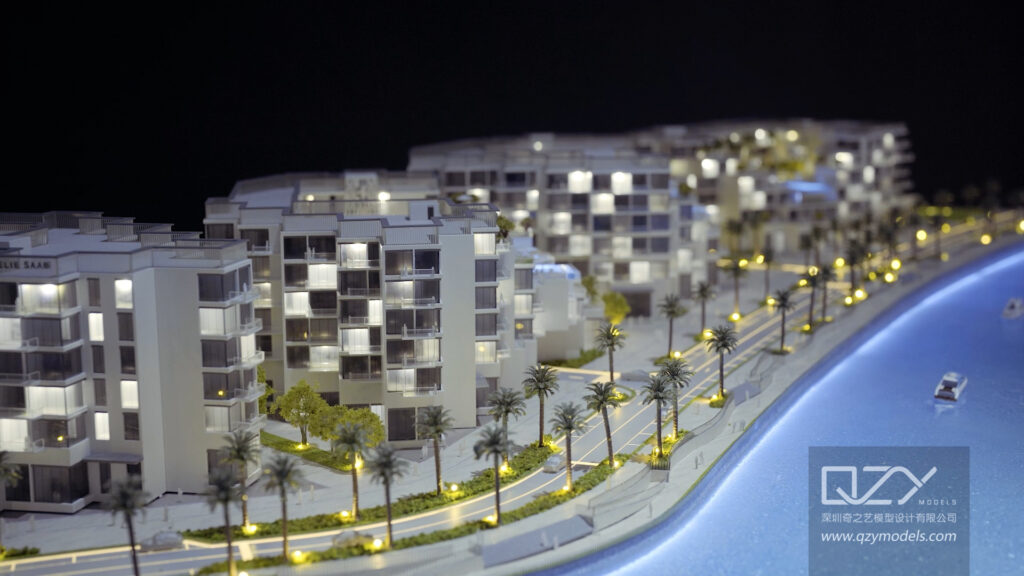
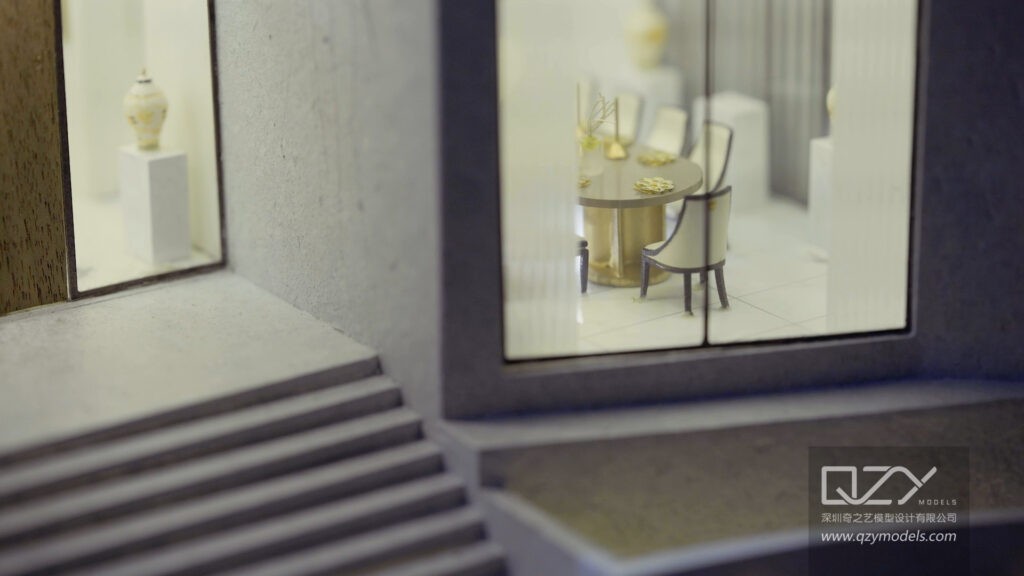
A section architectural model is a powerful tool that slices through a building to reveal its interior structure, spatial layout, and design details. It allows architects, developers, and clients to understand construction, circulation, and functional relationships in one clear view. By providing tangible insights into design intent, these models enhance presentations, support decision-making, and facilitate communication across project teams.
How is a section architectural model used in architecture and design?
Section architectural models are used to display a vertical cut through a building, revealing foundations, frameworks, and internal spaces. They help architects and clients visualize complex spatial relationships, structural layers, and design intent. For professional model makers like QZY Models, these models translate architectural drawings into physical, high-fidelity representations that communicate both technical and aesthetic aspects of the project.
What scales are ideal for section architectural models?
The most common scales for section models are 1:50, 1:100, and 1:200. Smaller scales like 1:200 allow visualization of the entire building, including context and surrounding spaces. Larger scales, such as 1:50, highlight interior details like stairs, furniture, and structural systems. Choosing the appropriate scale ensures clarity, maximizes visual impact, and guides modelers in achieving precise detailing.
| Project Type | Recommended Scale | Key Focus |
|---|---|---|
| Large commercial buildings | 1:200 | Overall layout, circulation, and context |
| Institutional buildings | 1:100 | Interior spatial relationships, structural clarity |
| Detailed interiors or small structures | 1:50 | Furniture, fixtures, material layers |
Which materials and techniques are suitable for creating section models?
Selecting materials depends on the design message and the desired level of realism. Common materials include acrylic sheets for glass, colored wood for structural elements, and translucent plastics for lighting effects. Techniques such as 3D printing, laser cutting, and hand assembly are often combined to achieve precision. QZY Models emphasizes material choice to balance durability, cost, and visual impact for every section project.
Why are section architectural models valuable for client presentations?
Section models allow clients to engage physically with the project. They provide clear understanding of internal layouts, circulation, and functional zones that floor plans cannot convey alone. Illuminated or stylized models further enhance spatial comprehension, making them effective tools in marketing, investment proposals, or design reviews. QZY Models has leveraged section models to create immersive experiences that accelerate client decision-making.
How do professional studios like QZY Models handle complex section models?
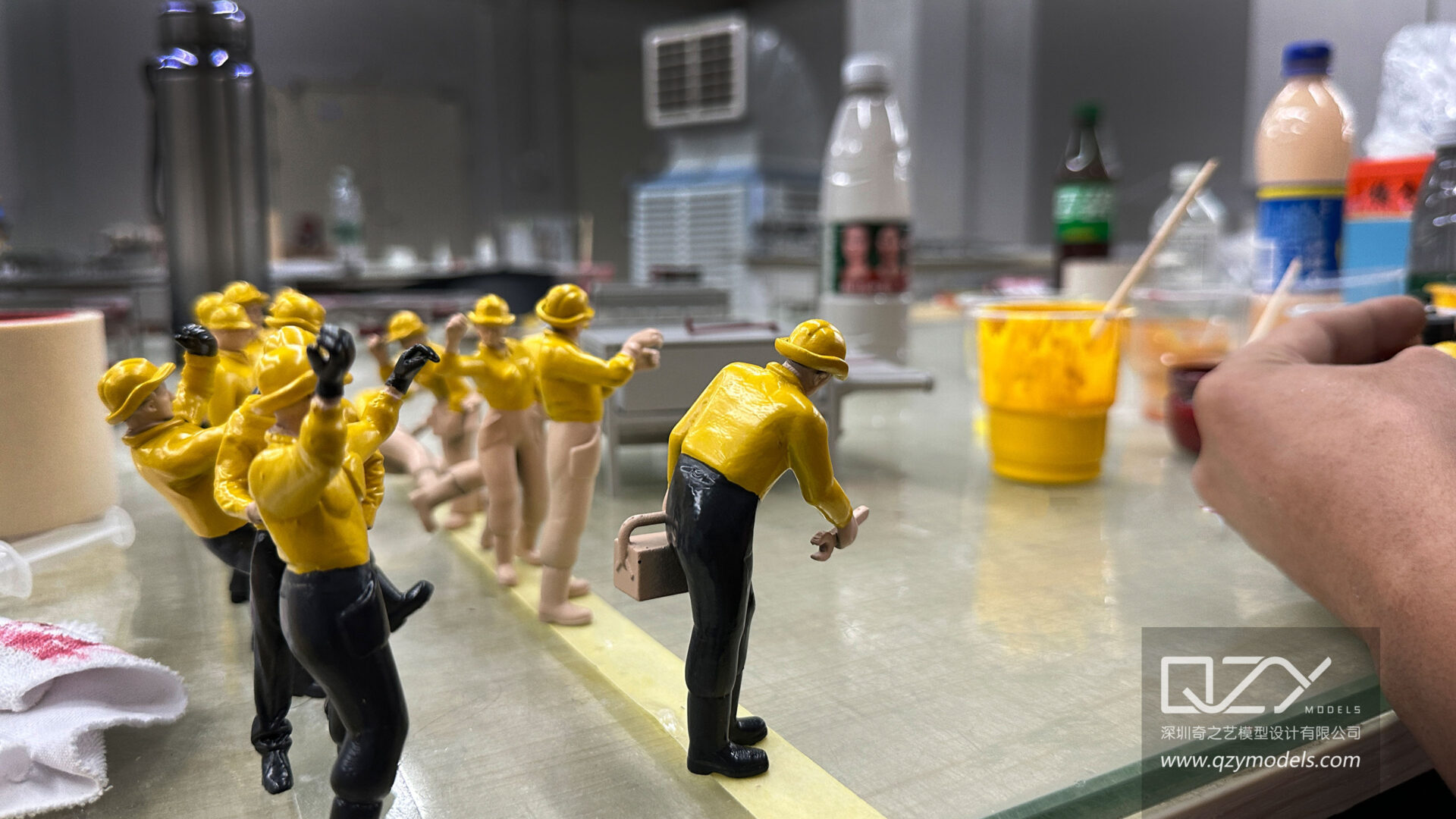
For large-scale or intricate projects, professional studios plan models in modular sections for ease of assembly and transport. They integrate lighting, multi-level interiors, and human figures to represent scale and activity. QZY Models specializes in coordinating with architects and developers to ensure accuracy, realism, and adherence to design intent, producing models that are both informative and visually compelling.
| Project Example | Scale | Features | Production Time |
|---|---|---|---|
| Hopkins Airport, Dubai | 1:50 | Runways, interiors, lighting, human models | 2 months |
| Xiqu Centre, Hong Kong | 1:200 | Courtyard, theater, offset sectioning, illumination | 3 weeks |
| Lusail Blvd, Qatar | 1:50 | Full-angle section, illuminated interiors | 1 week |
Where can section architectural models be most effectively utilized?
They are ideal for exhibitions, client meetings, planning approvals, and design competitions. Physical models offer an interactive experience that digital renders alone cannot provide. For institutions, developers, and design schools, these models serve as educational tools, marketing assets, and visual proofs of concept.
Can section architectural models influence project decisions?
Yes, by exposing internal layouts, lighting strategies, and spatial relationships, section models help identify potential design issues early. They enable architects and stakeholders to optimize circulation, material selection, and structural solutions. QZY Models’ attention to detail ensures models accurately reflect design intent, reducing miscommunication and costly revisions.
QZY Models Expert Views
“Section architectural models are essential for visualizing design in a tangible way. At QZY Models, we transform architectural drawings into high-precision physical models that reveal internal spaces, circulation, and material relationships. This clarity helps clients make confident decisions, improves project communication, and ensures that complex designs are understood before construction begins. Accuracy and attention to detail are at the heart of every model we create.”
Conclusion
Section architectural models are indispensable tools for understanding and presenting building designs. By revealing internal structures, spatial layouts, and material composition, they bridge the gap between concept and reality. Accurate section models, produced by professional teams like QZY Models, enhance client engagement, support planning approvals, and reduce construction errors, making them a critical component in architectural visualization and project communication.
FAQs
Are section architectural models necessary for all building types?
They are highly recommended for complex, multi-level, or commercial projects, though smaller residential projects may also benefit.
How long does it typically take to produce a section model?
Production time depends on scale and complexity, ranging from one week for small models to several months for large-scale projects.
Can lighting be incorporated into section models?
Yes, integrating LED lighting enhances interior visibility and realism, highlighting key areas and circulation.
What role do human figures play in section models?
Human models provide scale reference, illustrating activity, flow, and space utilization within the building.
How do modular sections help in large-scale models?
They facilitate transportation, assembly, and detailed finishing while allowing easy access to interior views for presentations.