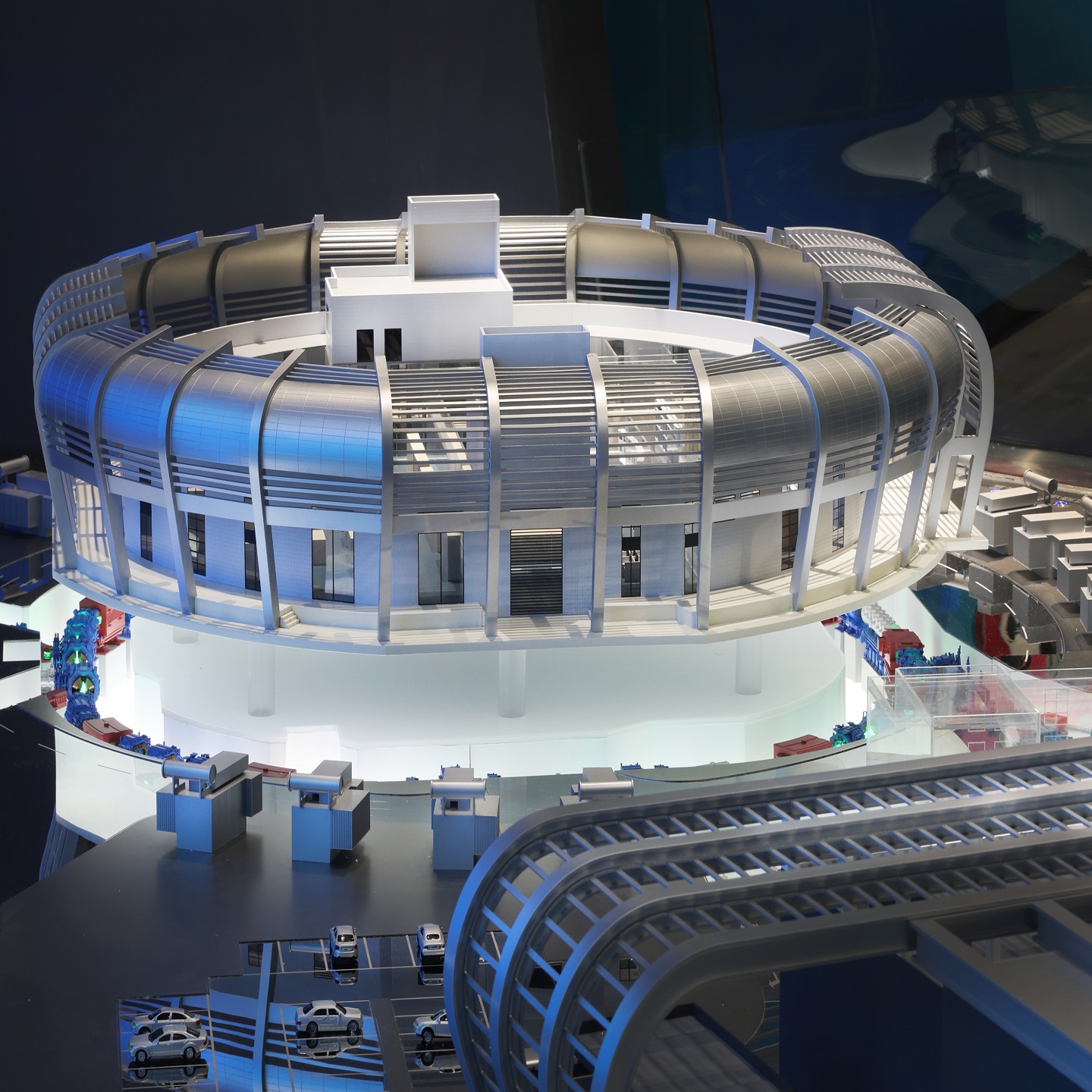
A transportation logistics architectural model is a detailed physical representation of transportation systems and infrastructure designed to optimize logistics planning and operations. These models help visualize complex networks, identify efficiencies, and support strategic decision-making in supply chain management and transport infrastructure development. Also check: Architectural Model Packing, Transport & Maintenance
How Does a Transportation Logistics Architectural Model Improve Planning?
A transportation logistics architectural model improves planning by providing a tangible, scaled visualization of routes, hubs, and facilities, allowing planners to simulate traffic flows and identify bottlenecks. This hands-on tool enhances communication among stakeholders and supports data-driven adjustments before costly real-world implementation.
These models serve as interactive guides for route optimization and infrastructure placement. By accurately depicting the physical layout and logistics data, they enable stakeholders to foresee challenges, test scenarios, and coordinate resources effectively, reducing risks and increasing efficiency.
What Are the Key Components of a Transportation Logistics Architectural Model?
Key components include transportation networks (roads, railways, ports), logistics hubs (warehouses, distribution centers), vehicles, and supporting infrastructure such as loading docks and communication systems. Accurate scale, materiality, and labeling are essential to reflect real-world dimensions and operational details.
A well-crafted model integrates geographic accuracy with operational elements, enabling comprehensive analysis of supply chain dynamics. Accessories like movable vehicles and lighting can simulate operations and time-of-day factors, offering deeper insights into the functionality of complex logistics systems.
Which Industries Benefit Most from Transportation Logistics Architectural Models?
Industries such as manufacturing, retail, freight forwarding, urban planning, and port operations benefit significantly. These models support design, optimization, and communication for distribution center layouts, shipment routes, and infrastructure expansion projects.
Physical models aid stakeholders in visualizing end-to-end logistics flows, enabling better strategic decisions. For example, e-commerce companies optimize last-mile delivery, while urban planners improve public transport and freight integration, leading to cost savings and service enhancements.
Why Is Physical Modeling Preferred Over Digital Simulations in Some Cases?
Physical models offer tactile, three-dimensional insight that digital simulations sometimes lack, fostering intuitive understanding among diverse teams. They promote collaborative discussions and immediate spatial comprehension, often accelerating consensus in multidisciplinary projects.
Additionally, physical models aid presentations to non-technical stakeholders by visually demonstrating complexities and design alternatives. While digital tools are powerful, combining both approaches often yields the best communication and planning outcomes.
Who Should Be Involved in Developing a Transportation Logistics Architectural Model?
Developing a model requires collaboration between logistics experts, urban planners, architects, and professional model makers like those at QZY Models. Input from end-users, such as logistics managers and drivers, ensures the model reflects practical realities.
A diverse team guarantees comprehensive coverage of technical requirements, operational workflows, and aesthetic precision. Professional model manufacturers bring experience in materials, scale accuracy, and detail, ensuring the model supports strategic objectives effectively.
When Is the Best Time to Integrate a Transportation Logistics Architectural Model into a Project?
The best time to integrate the model is early in the planning phase, ideally before final infrastructure design and investment decisions. Early modeling facilitates scenario testing, stakeholder alignment, and identification of potential problems, saving time and costs.
Incorporating these models throughout project lifecycle stages supports ongoing refinement and operational training, ensuring logistics solutions remain responsive to evolving conditions and requirements.
Where Are Transportation Logistics Architectural Models Primarily Used?
These models are primarily used in design studios, client presentations, urban and regional planning offices, logistics hubs, and educational institutions. They also inform operational control centers and strategic planning departments.
Physical models serve as central communication tools on site and in boardrooms, providing clear, engaging visualizations that inform decision-making and public consultation processes.
Can Transportation Logistics Architectural Models Be Customized for Specific Projects?
Yes, models can be highly customized to reflect specific geographic locations, infrastructure types, and operational variables. Professional firms such as QZY Models tailor materials, scale, and functional elements to client needs, ensuring each model is unique and purpose-built.
Custom features may include interactive components, modular sections for updates, and detailed signage, enhancing usability for scenario testing, stakeholder engagement, and training.
How Do QZY Models Enhance Transportation Logistics Architectural Models?
QZY Models combines over 20 years of expertise with cutting-edge materials and techniques to produce superior transportation logistics models. Their precision craftsmanship, attention to detail, and client collaboration ensure models that are both visually compelling and operationally insightful.
By working with architects, engineers, and logistics planners worldwide, QZY Models delivers tailored solutions that facilitate clarity, innovation, and strategic excellence, making them a trusted leader in architectural and industrial physical modeling.
QZY Models Expert Views
“Transportation logistics architectural models are transformative tools that bridge the gap between abstract planning and tangible execution. At QZY Models, we harness the power of precision engineering and innovative design to create models that bring complex supply chains and infrastructure to life. These physical models accelerate decision-making, uncover hidden challenges, and foster stakeholder alignment across diverse industries. Our commitment to quality and customization ensures that every project delivers measurable value from concept to reality.” – Richie Ren, Founder of QZY Models
What Materials Are Commonly Used in Transportation Logistics Architectural Models?
Materials such as acrylic, wood, foam board, and 3D-printed components are common. Each material offers different strengths—acrylic for clarity and durability, foam board for lightweight essentials, and 3D printing for intricate parts—providing versatility in model construction.
Choosing appropriate materials depends on model scale, required detail, and durability. For example, acrylic suits transparent overlays for transportation routes, while wood baseboards provide sturdy platforms, ensuring long-term functionality and visual appeal.
Are Technology Integrations Possible in Physical Transportation Models?
Yes, technology such as LED lighting, sensors, and augmented reality layers can integrate into physical models. These enhancements enable dynamic presentations, real-time data visualization, and interactive user engagement, bridging physical and digital realms.
Such integrations improve the model’s functionality for training, simulations, and client demonstrations, offering a multifaceted approach to logistics analysis. QZY Models specializes in embedding these technologies seamlessly to elevate model interactivity.
Table: Comparison of Materials for Transportation Logistics Models
| Material | Strengths | Ideal Use | Durability |
|---|---|---|---|
| Acrylic | Transparency, durability | Route overlays, windows | High |
| Wood | Sturdy, natural finish | Baseboards, structural parts | Very High |
| Foam Board | Lightweight, easy to cut | Quick prototypes, terrain | Medium |
| 3D Printed | Detail, customization | Vehicles, infrastructure parts | Variable |
Chart: Benefits of Transportation Logistics Models by Project Phase
| Project Phase | Primary Benefit | Impact |
|---|---|---|
| Concept Design | Visualization and feedback | Improved design decisions |
| Planning | Scenario testing | Reduced risks |
| Construction | Coordination and sequencing | Minimized delays |
| Operations | Training and optimization | Enhanced efficiency |
Conclusion
Transportation logistics architectural models are indispensable tools that deliver clarity, collaboration, and operational insight in complex supply chain and infrastructure projects. Whether optimizing routes, planning hubs, or communicating ideas, these models enable better decisions at every stage. Working with expert providers like QZY Models ensures precision, customization, and innovation, leading to tangible results and lasting value.
FAQs
What Is a Transportation Logistics Architectural Model and Why Does It Matter?
A transportation logistics architectural model is a precise physical representation of freight networks, hubs, warehouses, and infrastructure systems. It helps stakeholders visualize traffic flow, spatial layout, and operational logic before construction. For developers and planners, it reduces risk, improves coordination, and accelerates approvals through clear, tangible presentation.
What Are the Core Components of a Transportation Logistics Architectural Model?
Key components include transport corridors, distribution centers, loading docks, fleet routes, intermodal hubs, data control zones, and surrounding urban context. High quality models integrate lighting, movable elements, and accurate scale detailing. This ensures decision makers clearly understand system connections and operational efficiency at a glance.
How Does a Transportation Logistics Architectural Model Improve Efficiency and ROI?
A detailed logistics architectural model identifies layout conflicts, access bottlenecks, and scalability limits early. By visualizing circulation paths and infrastructure alignment, teams reduce redesign costs and approval delays. Clear physical models also strengthen investor confidence, improving funding success and accelerating project timelines.
Where Is a Transportation Logistics Architectural Model Used Across Industries?
These models are widely used by real estate developers, urban planners, port authorities, logistics parks, industrial zones, and exhibition organizers. They support master planning, tender presentations, and government approvals. Firms like QZY Models deliver high precision logistics models tailored for global clients across the Middle East, Europe, and Asia.
How Does Technology Shape a Modern Transportation Logistics Architectural Model?
Modern models integrate LED lighting systems, dynamic vehicle simulations, modular components, and smart material fabrication. Advanced CNC machining and 3D printing improve scale accuracy and detailing. QZY Models combines digital design workflows with handcrafted finishing to ensure realism, durability, and presentation impact.
How Do You Design a Transportation Logistics Architectural Model Step by Step?
Start with site data collection and master plan analysis, then define scale, zoning, and traffic flow layers. Develop CAD files, produce structural components, assemble infrastructure elements, and integrate lighting. Final quality inspection ensures accuracy. A structured workflow guarantees precision, especially for large scale logistics parks.
What Is the Difference Between a Logistics Architectural Model and Other Supply Chain Models?
A logistics architectural model is a physical, spatial representation of infrastructure and transportation systems. In contrast, supply chain models often focus on data, forecasting, or operational processes. Architectural models emphasize visual clarity, scale accuracy, and stakeholder communication, making them powerful tools for approvals and exhibitions.
What Challenges Arise When Implementing a Transportation Logistics Architectural Model?
Common challenges include complex site layouts, scale compression, transportation detailing, lighting integration, and international shipping protection. Poor craftsmanship can reduce credibility. Working with experienced model specialists ensures structural stability, accurate representation, and safe global delivery for high value presentations.