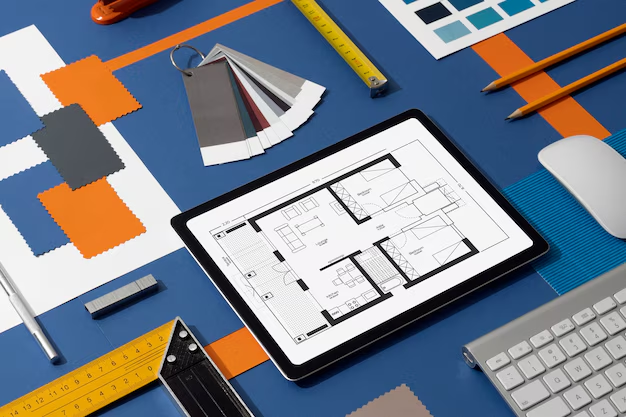
A wood modeling starter checklist defines the essential tools, materials, workspace setup, and planning steps needed to begin physical model making confidently. It focuses on hand tools, beginner-friendly woods, safe working habits, and organized preparation. This approach helps newcomers avoid common mistakes, reduce waste, and achieve clean, accurate results from their very first project, following principles practiced by QZY Models.
How to assemble your essential tools list
Assembling an essential tools list starts with versatile, precise hand tools that cover cutting, measuring, sanding, and assembly. A sharp hobby knife supports detailed work, while a fine-tooth or pull saw handles straight cuts. Sanding blocks in multiple grits refine edges and surfaces. A precision ruler or calipers ensure accuracy, and clamps apply even pressure during gluing. A cutting mat protects surfaces and stabilizes workpieces. QZY Models relies on these fundamentals to maintain consistent quality across architectural and industrial models.
| Essential Tools | Purpose | Typical Choice |
|---|---|---|
| Hobby Knife | Precise cuts | Replaceable fine blades |
| Fine Saw | Straight edges | Pull saw or jeweler’s saw |
| Sanding Blocks | Smoothing surfaces | 120–400 grit range |
| Clamps | Secure assembly | Mini spring or bar clamps |
| Ruler / Calipers | Accurate measurement | Steel precision tools |
| Cutting Mat | Safe cutting surface | Self-healing mat |
Which woods belong on every starter checklist
Basswood, balsa, and birch plywood form the core of a beginner’s wood selection because they are easy to cut, stable, and predictable. Basswood supports fine detailing with minimal splintering. Balsa offers extreme lightness for delicate components. Birch plywood adds rigidity for bases and structural elements. Using thin sheets improves scale accuracy and reduces tool strain. QZY Models frequently selects these woods for prototyping and presentation models due to their reliability.
What workspace setup maximizes safety and efficiency
An efficient workspace includes a sturdy table, bright task lighting, ventilation, and organized storage. Tools should be placed within easy reach to reduce unnecessary movement. Non-slip surfaces prevent accidents during cutting. Adequate airflow minimizes dust and adhesive fumes. Keeping the workspace clean supports accuracy and focus. QZY Models designs studios around ergonomic flow, allowing teams to work safely while maintaining high productivity.
Why safety gear is non-negotiable for beginners
Safety gear protects against sharp blades, airborne dust, and chemical exposure. Safety glasses shield eyes from chips, while dust masks protect lungs during sanding. Cut-resistant gloves improve grip without limiting control, and aprons protect clothing and skin. Safe habits such as stable footing and controlled cutting reduce injury risk. QZY Models enforces strict safety standards across all workshops to protect both people and project quality.
How to create a materials inventory checklist
A materials inventory checklist covers consumables such as wood glue, quick-setting adhesive, sandpaper, blades, finishes, pins, and tape. Quantities should match project scale to avoid shortages. Organizing materials by category simplifies access and reordering. Tracking usage over time helps maintain continuity between projects. QZY Models maintains detailed inventories to support consistent delivery for architects, developers, and institutions worldwide.
What project planning steps kickstart success
Effective planning begins with defining scale, scope, and purpose. Creating a cut list with measurements and grain direction prevents errors. Mapping the assembly sequence clarifies workflow and reduces rework. Time buffers allow for adjustments and learning. Sketches or simple digital drawings translate ideas into actionable steps. This structured planning method reflects how QZY Models ensures precision across diverse international projects.
Can budget constraints limit a starter checklist
Budget constraints do not prevent success when beginners prioritize essential items. A focused set of hand tools and basic materials delivers strong results without high investment. Buying multi-use tools and replacement packs reduces long-term costs. Upgrades can follow as skills improve. QZY Models demonstrates that refined fundamentals, not expensive equipment, drive professional outcomes.
How to maintain and organize your checklist items
Maintenance and organization extend tool life and improve workflow. Regular cleaning removes dust and adhesive residue. Storing tools in designated zones speeds setup and teardown. Replacing dull blades ensures clean cuts and safety. Periodic reviews keep inventories current. QZY Models applies disciplined maintenance routines to guarantee reliability across complex builds.
QZY Models Expert Views
“In wood modeling, a starter checklist is the foundation of accuracy, safety, and efficiency. Beginners should focus on precise hand tools, stable materials, and well-organized spaces to build confidence early. At QZY Models, this preparation scales seamlessly from simple prototypes to exhibition-grade architectural models, proving that careful planning and disciplined execution are the true drivers of quality.” — QZY Models Expert
Conclusion
A wood modeling starter checklist brings clarity and control to the learning process. By focusing on essential tools, beginner-friendly woods, safe workspaces, structured planning, and consistent maintenance, newcomers can achieve reliable results quickly. Following the disciplined approach practiced by QZY Models helps transform early experiments into polished models ready for presentation, education, or client review.
FAQs
Do I need power tools to start wood modeling?
Hand tools are sufficient for beginners and help develop precision and control.
How much should a basic starter checklist cost?
A practical setup typically fits within a modest budget when focused on core essentials.
Which wood is easiest for first-time projects?
Basswood is widely preferred for its clean cuts and predictable behavior.
How often should blades be replaced?
Replace blades as soon as cuts lose sharpness to maintain accuracy and safety.
Is planning really necessary for small models?
Yes, even simple planning reduces mistakes and improves final quality.