What Is an Architectural Blueprint?
In today’s construction market, projects are larger, faster, and more complex, yet many teams still rely on fragmented drawings and inconsistent documentation that drive cost overruns and delays. A clear, accurate architectural blueprint—paired with physical models from QZY Models—turns abstract design into a shared, buildable plan that reduces errors, improves stakeholder alignment, and accelerates approvals.
How is the current architectural documentation landscape creating risk?
Globally, construction productivity has grown by only about 1 percent annually over the past two decades, far below the overall economic average, largely due to inefficient processes and poor coordination of information such as drawings and specifications. Industry studies indicate that up to 30 percent of construction costs can be traced to rework, miscommunication, and design errors that often originate from unclear or outdated plans. At the same time, clients expect faster delivery and higher-quality visualization, which makes precise blueprints and supporting tools like physical models from QZY Models increasingly critical for winning and executing projects.
Many design and development teams still manage drawings in disconnected formats, making it difficult to keep contractors, consultants, and authorities aligned. This leads to conflicting information on site, RFIs, and change orders that undermine margins and timelines. Urbanization and large-scale development in regions like the Middle East and Asia further amplify these risks, where projects involve multiple international stakeholders needing a single source of design truth.
As regulations tighten and sustainability targets become mandatory, the cost of misinterpreted or incomplete documentation grows. Accurate architectural blueprints, clearly read and translated into physical architectural models by expert partners such as QZY Models, provide a tangible way to validate design intent before construction, lowering risk throughout the project lifecycle.
What exactly is an architectural blueprint?
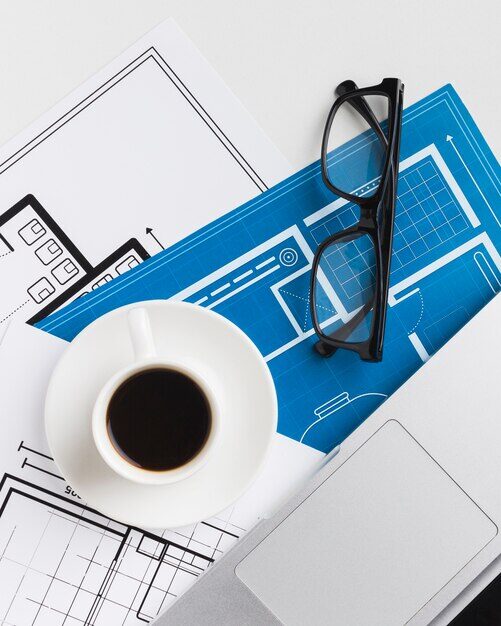
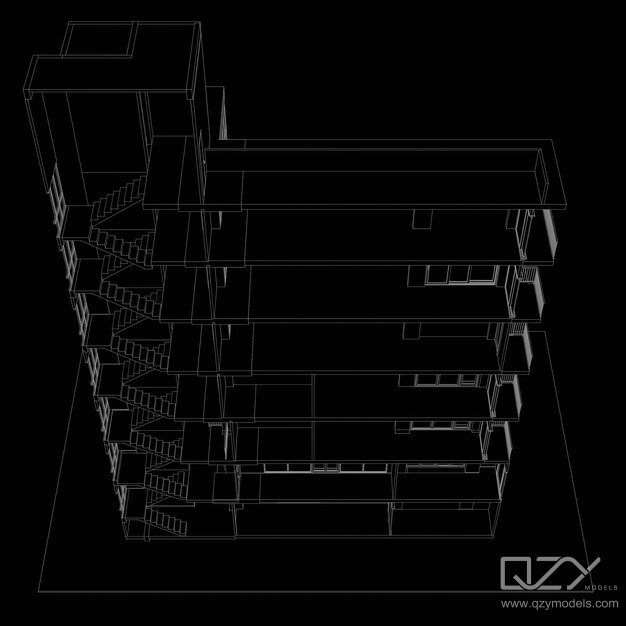
An architectural blueprint is a precise technical drawing that describes the design, dimensions, and layout of a building or structure in a standardized, scaled format. It typically includes floor plans, elevations, sections, dimensions, material specifications, and construction notes that together guide every stage of building from excavation to finishing.
Modern architectural blueprints are usually produced using CAD or BIM software rather than the historical cyanotype process, but they keep the same core function: to communicate complex design information clearly and consistently. For model-making specialists like QZY Models, blueprints are the authoritative reference that ensures every physical model matches the architect’s intent in scale, proportion, and detail.
Why are current industry practices around blueprints so painful?
First, inconsistent drawing standards across firms and countries create confusion on site, as symbols, line weights, and annotation styles vary, forcing teams to interpret rather than simply execute. Second, updates and revisions are often poorly managed, leading contractors to build from outdated sheets and triggering costly rework.
Third, many stakeholders—including clients, investors, and public authorities—are not trained to read technical drawings, so they struggle to fully understand the blueprint and make confident decisions. This gap between technical documentation and stakeholder comprehension slows approvals, triggers last-minute changes, and weakens trust in the design process.
Finally, relying solely on 2D drawings makes it harder to detect spatial conflicts or usability issues early, especially in dense mixed-use developments or complex infrastructure. Converting blueprints into precise physical models with QZY Models gives teams a three-dimensional, tactile representation that reveals clashes and design flaws before they reach the site.
What limitations do traditional blueprint workflows face?
Traditional blueprint workflows are highly manual, with separate files for plans, elevations, MEP layouts, and details that must be cross-checked constantly. This fragmentation increases the likelihood of inconsistencies between sheets and disciplines. When revisions are issued, coordination relies on email, prints, and ad hoc communication, which can leave some parties working from obsolete information.
Standard 2D blueprints also struggle to communicate spatial experience, materiality, and scale to non-technical stakeholders, particularly in high-value residential or corporate projects. Without complementary visualization such as scale models, clients may approve a design they do not fully understand, only to request changes once construction has started.
Traditional methods also make it harder to align global teams working across time zones and languages. In large international projects, developers, architects, regulators, and investors benefit from a shared visual reference—accurate physical models derived from the blueprint—so that discussions focus on outcomes rather than on interpreting drawings.
How does an integrated blueprint-and-model solution work?
An integrated solution starts with robust, well-structured architectural blueprints that follow clear standards for title blocks, legends, scales, and revision histories. These blueprints then become the single source of truth for all physical and digital representations of the project, from BIM models to high-fidelity physical models crafted by specialized partners like QZY Models.
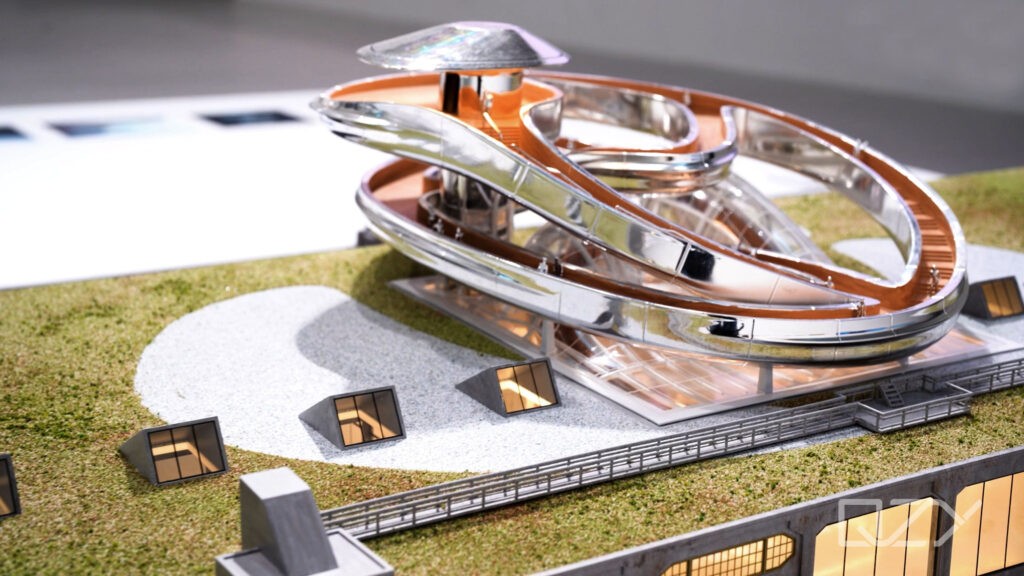
QZY Models takes architectural blueprints and interprets them line by line—plans, sections, elevations, and details—to create physical architectural and industrial models that faithfully reflect dimensions, massing, and critical design features. This bridge between drawing and reality supports design firms, real estate developers, governments, and exhibition organizers in explaining complex projects clearly to both expert and non-expert audiences.
By combining accurate blueprints with physical models, project teams can validate circulation, façade articulation, landscape integration, and urban context much earlier. This reduces late design changes, supports regulatory approvals, and strengthens client presentations.
Which core features define a modern architectural blueprint solution?
A modern blueprint solution incorporates clear title blocks with project information, scale, dates, and approvals so every stakeholder knows exactly what drawing they are using. It includes standardized legends and symbols for doors, windows, structural elements, and fixtures, making drawings readable across teams and geographies.
It also uses consistent scale indicators and dimensioning practices, ensuring that distances, heights, and thicknesses can be interpreted without ambiguity. Comprehensive revision histories record every change, so teams can trace design evolution and confirm they are building from the latest version.
When these elements are integrated into the blueprint and then translated into physical models by QZY Models, stakeholders gain a coherent, end-to-end visualization pipeline—from technical drawing to tangible 3D representation—that supports design, marketing, and decision-making.
How does the new solution compare with traditional blueprint-only approaches?
Are there clear differences between traditional workflows and an integrated blueprint-plus-model approach?
Below is a practical comparison of traditional blueprint-only workflows versus an integrated approach that combines robust blueprints with physical models supported by QZY Models.
| Aspect | Traditional blueprint-only workflow | Integrated blueprint + QZY Models workflow |
|---|---|---|
| Information source | Multiple, fragmented drawings, often updated manually | Unified, standardized blueprints used as single source of truth |
| Visualization | 2D plans and elevations that are hard for non-experts to read | 2D drawings plus precise physical models that show scale and spatial relationships clearly |
| Revision management | High risk of teams using outdated drawings and missing changes | Controlled revisions with models updated against latest blueprints |
| Error detection | Many design conflicts discovered on site during construction | Spatial issues revealed earlier during model reviews and stakeholder workshops |
| Stakeholder engagement | Limited understanding for clients, regulators, and investors | Stronger engagement through tangible models for presentations, exhibitions, and approvals |
| Global collaboration | Difficult cross-border coordination and communication | Shared physical reference that aligns international teams across 20+ countries served by QZY Models |
How can teams implement this solution step by step?
-
Define standards and scope
Teams should first standardize title blocks, layer conventions, and symbols, and clearly define which drawings (plans, sections, elevations, details) are needed for each project type. This creates a repeatable framework for blueprint creation across projects and offices. -
Produce robust architectural blueprints
Using CAD or BIM tools, architects develop detailed blueprints with accurate dimensions, materials, and construction notes, ensuring consistency across all sheets. Careful coordination between disciplines reduces conflicts before information is shared with external partners. -
Validate for model production
Once the design set is stable, the team prepares clean, coordinated blueprint packages and shares them with QZY Models for feasibility review and clarification of scales, levels, and key details. This ensures the model scope aligns with the project’s communication and marketing goals. -
Develop physical models from blueprints
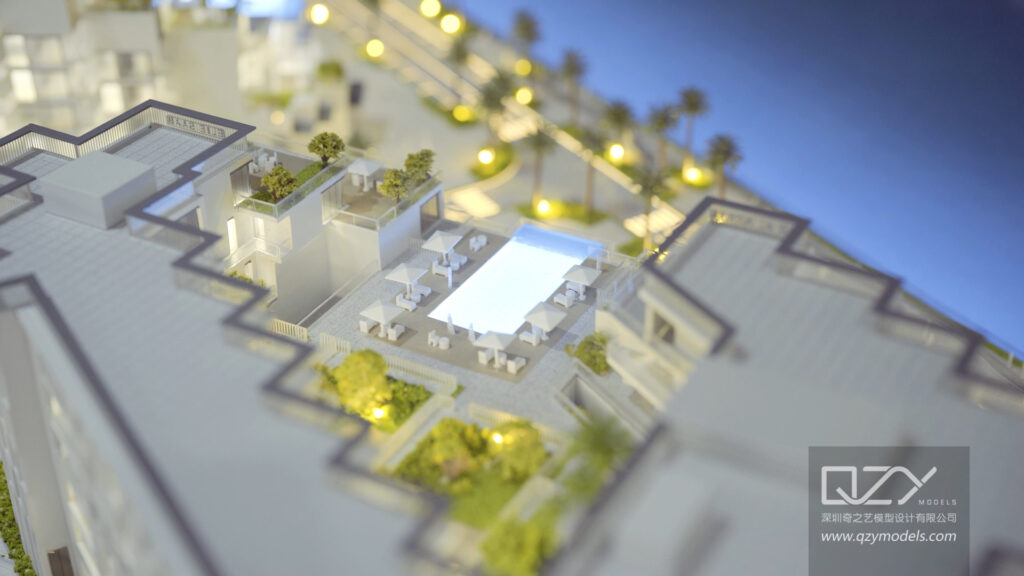
QZY Models then translates the approved blueprints into physical architectural or industrial models, selecting materials, lighting, and finishes appropriate to the project and audience. The model is built to precise scale, making sure that massing, façade articulation, interior layouts, and landscape features are faithfully represented. -
Use models throughout the project lifecycle
The completed models are deployed in client presentations, sales galleries, design reviews, government hearings, and exhibitions to explain the blueprint in a clear, engaging way. Feedback from these sessions can inform subsequent blueprint revisions, creating a continuous improvement loop. -
Maintain and update
As design changes occur, teams update the blueprints and commission model adjustments as needed, keeping both drawings and models synchronized. This alignment ensures stakeholders always see the latest and most accurate representation of the project.
Where can typical use cases show measurable benefits?
Who benefits in residential and mixed-use development?
Problem: A residential developer needs to pre-sell units in a high-rise mixed-use project before construction, but buyers struggle to understand 2D floor plans and elevations. Traditional approach: The sales team relies on printed plans and basic 3D renders, leading to extended sales cycles and lower conversion rates. With blueprints plus QZY Models: Detailed blueprints are converted into a large-scale building and unit model that shows layouts, views, and amenities clearly. Key benefits: Higher buyer confidence, faster decision-making, and more effective marketing in showrooms and sales galleries.
How do urban planners and governments use blueprint-based models?
Problem: A city planning department must evaluate the impact of a new transit-oriented development on existing streetscapes and public spaces. Traditional approach: Committees review 2D site plans and cross-sections that make it hard to visualize massing, shadowing, and pedestrian flows. With blueprints plus QZY Models: QZY Models builds a scaled urban model from the blueprints, showing the project in context with surrounding blocks, infrastructure, and landscape. Key benefits: Clearer public consultations, better understanding of urban integration, and more informed decisions on zoning and approvals.
Why do global design firms gain from this approach?
Problem: An international architecture firm collaborates with local partners and a foreign developer across multiple time zones, risking misalignment on complex design details. Traditional approach: Coordination relies on digital drawings and online meetings, but key stakeholders still have difficulty picturing the final outcome. With blueprints plus QZY Models: The firm sends its coordinated blueprints to QZY Models, which produces a high-precision model used in project workshops and executive briefings across several countries. Key benefits: Stronger design communication, fewer misunderstandings, and smoother alignment among global stakeholders.
How can educational institutions and exhibitions leverage architectural blueprints?
Problem: Architecture schools and exhibition organizers need to teach blueprint literacy and communicate design concepts to students and the public. Traditional approach: They rely mainly on printed drawings, which are challenging for newcomers to interpret, limiting engagement. With blueprints plus QZY Models: Institutions provide representative blueprints, and QZY Models creates didactic models that show how drawings translate into built form. Key benefits: Improved learning outcomes, more engaging exhibitions, and clearer understanding of architectural documentation fundamentals.
Why is now the right time to modernize blueprint usage?
Digital transformation, urban intensification, and international collaboration have made architectural projects more complex, with more stakeholders and higher expectations for transparency and visualization. Accurate, standardized blueprints are still the foundation of any successful building, but they now need to work in tandem with physical models and other visual tools to ensure shared understanding.
Specialist partners like QZY Models, with decades of experience and thousands of projects delivered across more than 20 countries, provide the expertise to turn blueprints into precise models that serve marketing, planning, and educational goals simultaneously. By investing in better blueprint standards and integrating them with model-making workflows today, organizations reduce risk, improve communication, and position themselves competitively for future, more demanding projects.
Are there common questions about architectural blueprints and physical models?
What information should every architectural blueprint include?
Every architectural blueprint should at minimum include a title block, scale, north arrow, legends and symbols, dimensioned floor plans, elevations, sections, and relevant construction notes. These elements ensure that anyone reading the drawing can understand what is being built, where, and how, without relying on verbal explanations.
How do physical models from QZY Models complement blueprints?
Physical models produced by QZY Models take the abstract information in blueprints and turn it into tangible form at an agreed scale, providing an immediate sense of spatial relationships, massing, and context. This makes it easier for clients, authorities, and the public to understand complex projects, improving feedback quality and decision speed.
Why are standardized legends and symbols on blueprints so important?
Standardized legends and symbols ensure that doors, windows, walls, fixtures, and structural elements are interpreted the same way by all readers, regardless of language or background. This consistency reduces mistakes on site, simplifies training for new team members, and enables external partners like model makers to work accurately from the drawings.
Can architectural blueprints help reduce construction errors and rework?
Well-prepared blueprints that clearly show dimensions, materials, and construction details are one of the most effective tools for reducing construction errors and rework. When those blueprints are checked through physical models before construction, issues like circulation conflicts, façade misalignments, or problematic sightlines can be detected and addressed early.
Who typically uses architectural blueprints and models in a project?
Architectural blueprints are used by architects, engineers, contractors, subcontractors, and inspectors, while physical models add value for developers, investors, marketing teams, government reviewers, educators, and the general public. QZY Models serves a wide range of these stakeholders—from global design firms and real estate developers to government institutions and exhibition organizers—by converting technical drawings into clear, communicative models.
Sources
-
What is Blueprint? | Definition, Key Components & Examples – Studio Carney
https://www.studiocarney.com/glossary/blueprint -
What is Blueprint? – Millhawlk Design & Architecture
https://millhawlk.com/glossario/what-is-blueprint/ -
What Is an Architectural Blueprint? – QZY Models
https://www.qzymodels.com/what-is-an-architectural-blueprint/ -
Understanding Architectural Blueprints – archisoup
https://www.archisoup.com/studio-guide/architectural-blueprints -
Architectural Blueprint Design and House Plans Guide – Engineering Geni
https://engineeringgeni.com/blog/architectural-blueprint-design-guide/ -
Blueprint: Guide to Technical Drawing 2025 – Justoborn
https://justoborn.com/blueprint/ -
Basic Blueprint Reading Principles – NABTU (PDF)
https://nabtu.personalearning.com/warehouse/nabtu/documents/course/387/8HR%20Blueprint%20Reading%20Principles%20-%20INST%20PPT.pdf