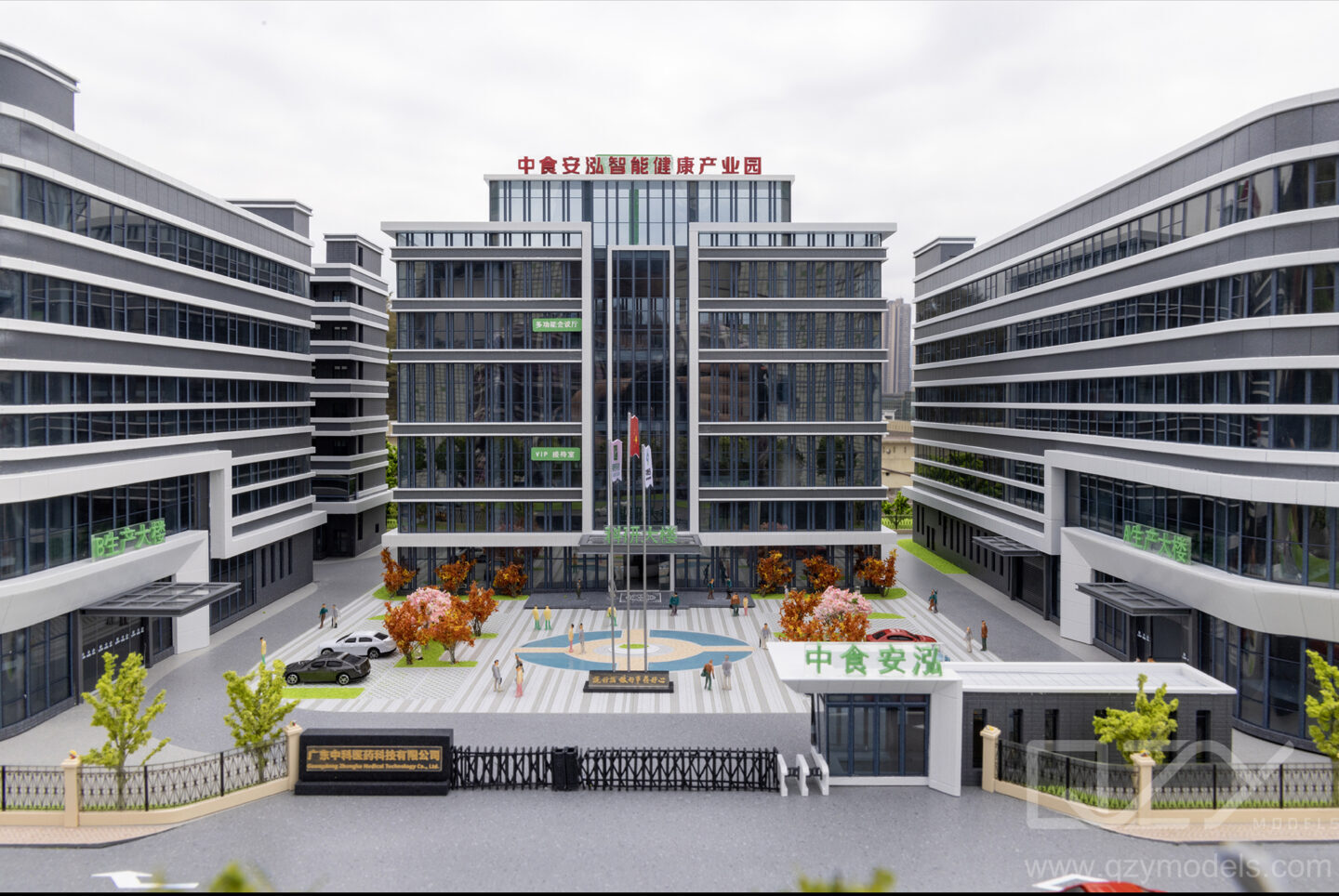
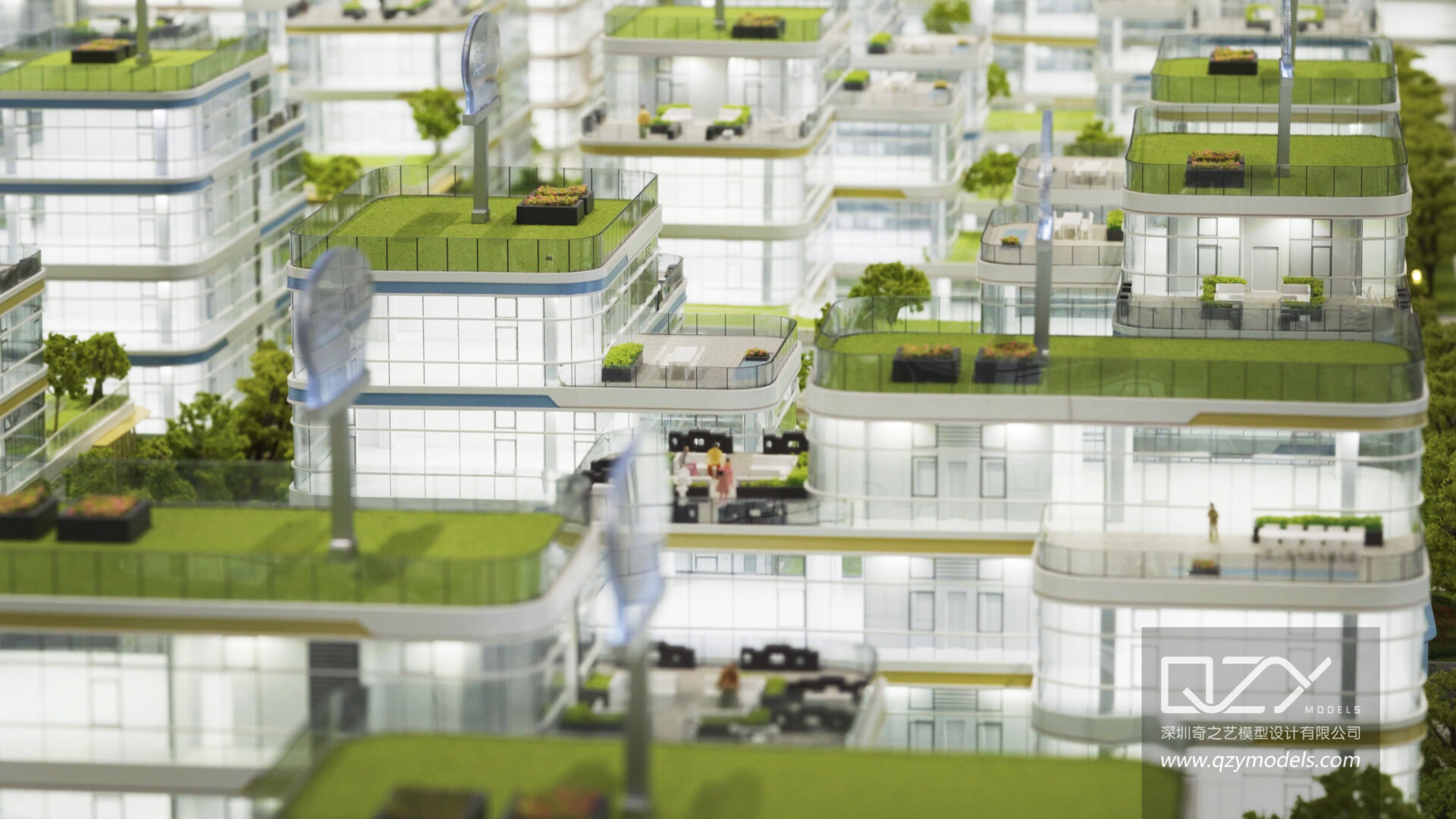
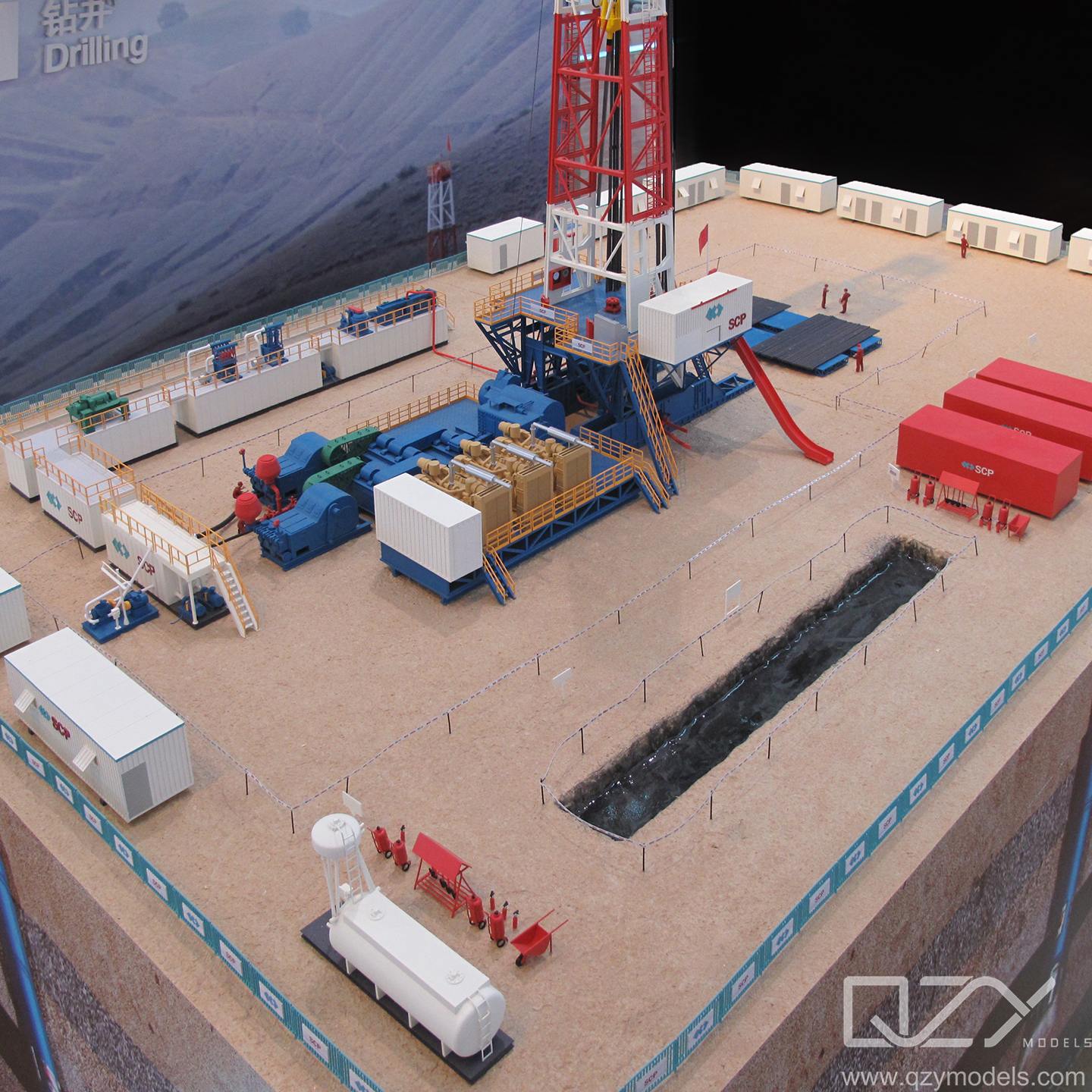
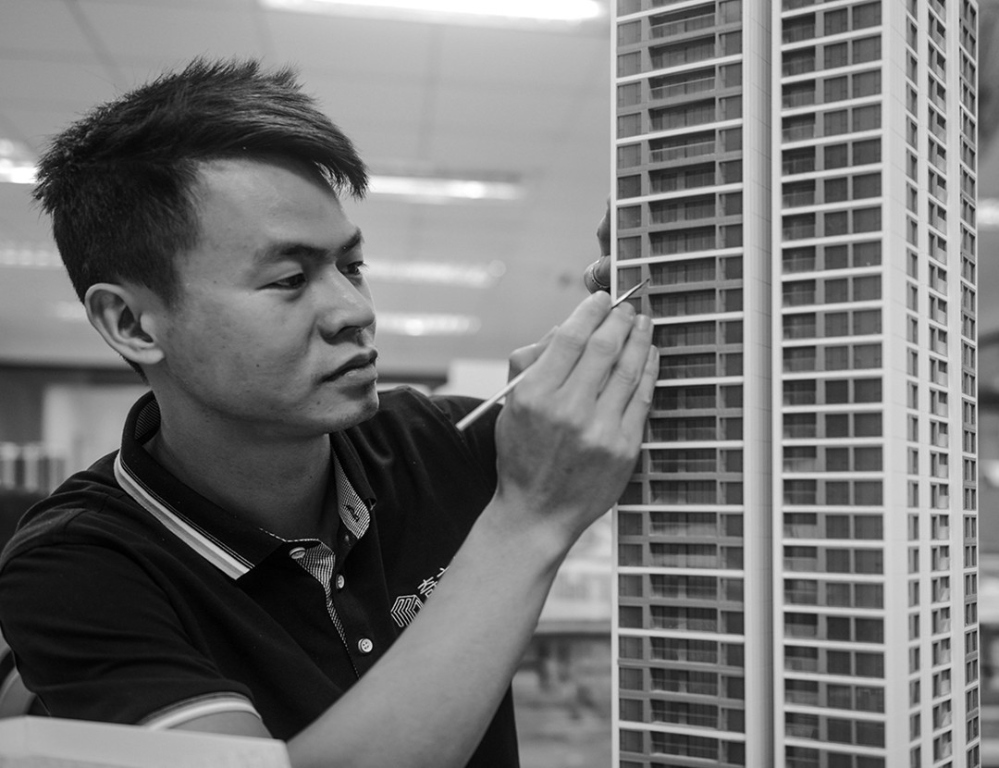
An architectural model of a house is a scaled physical or digital representation that illustrates design intent, structure, and spatial relationships before construction. It helps architects, developers, and clients visualize layout, materials, and functionality, ensuring accuracy, facilitating communication, and supporting design decisions throughout the planning and presentation phases.
How Does an Architectural Model of a House Help in Design Visualization?
An architectural model of a house provides a tangible 3D view, making it easier to understand proportions, materials, and circulation.
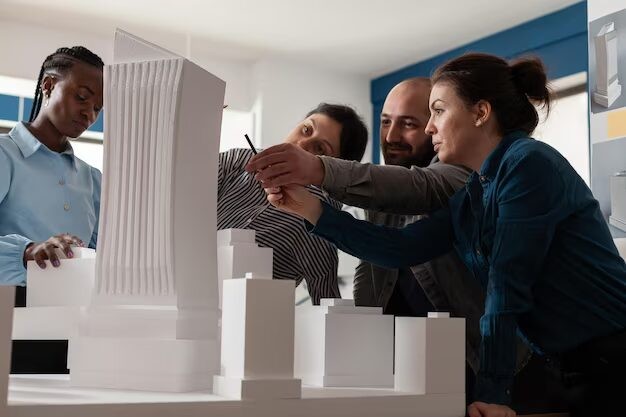
Models act as communication tools between architects, clients, and construction teams. They enable design refinement, highlight spatial relationships, and help secure client approval. QZY Models emphasizes realistic light play, material textures, and circulation, turning conceptual plans into immersive, experiential previews.
What Are the Types of Architectural Models Used for Houses?
Architectural house models vary by function, purpose, and stage of design:
| Model Type | Description | Ideal Use |
|---|---|---|
| Concept Model | Simplified form highlighting massing and layout | Early design phase |
| Presentation Model | Highly detailed, realistic appearance | Client presentations |
| Sectional Model | Shows interior layout and structure | Interior planning |
| Landscape-Integrated Model | Combines the house with surrounding topography | Site planning and context studies |
QZY Models crafts each model type with materials like acrylic, resin, and wood, ensuring precise representation and aesthetic refinement.
Why Are Scale and Material Important in Architectural House Models?
Choosing the right scale ensures that proportions are accurate and spatial relationships are clear. Common scales like 1:50 or 1:100 strike a balance between detail and usability, making models easy to interpret without losing essential design elements.
Material Selection for Impact and Durability
Materials shape both the look and longevity of a model. Acrylic offers transparency and sleek finishes, resin provides fine detail and solidity, and 3D-printed components allow intricate custom elements. Selecting the right material combination ensures models are visually compelling, structurally sound, and true to the original design.
Tips for Optimizing Your Model
-
Match scale to project complexity: smaller scales for large layouts, larger scales for detailed interiors.
-
Combine materials strategically: use resin for detailed facades, acrylic for windows, and 3D printing for unique features.
-
Prioritize durability for transport or presentations, especially when handling multiple stakeholders.
Quick Checklist
-
Scale appropriate for audience and space
-
Material supports both detail and durability
-
Visual impact aligns with design goals
Common Mistake: Using overly fine materials at small scales can obscure details and reduce clarity.
Which Technology Is Transforming Architectural Model Making Today?
3D printing, laser cutting, and digital modeling software have revolutionized model making by improving precision, efficiency, and design flexibility.
Studios use CAD, Rhino, and 3ds Max for digital planning. Laser cutting ensures clean edges, while 3D printing produces intricate details. QZY Models combines traditional craftsmanship with these digital fabrication tools to create highly accurate, photorealistic architectural models.
What Role Do Architectural Models Play in Real Estate Sales and Client Communication?
Architectural models act as persuasive marketing tools, helping clients and investors understand spatial quality, ambiance, and design intent.
Physical models create immersive experiences that 2D visuals cannot replicate, enhancing trust and engagement. QZY Models delivers customized sales models that blend aesthetic appeal with storytelling, supporting real estate marketing and client communication effectively.
How Can Homeowners and Private Collectors Benefit from Customized Architectural Models?
Homeowners and collectors commission models for personal display, heritage preservation, or renovation planning.
Custom miniatures capture architectural details, history, and sentimental value. QZY Models provides museum-grade precision, ensuring every façade, corner, and detail is accurately represented for private collections or personal projects.
When Should an Architectural Model Be Commissioned During the Design Process?
Models should be commissioned when the design concept is approximately 70–80% finalized, allowing for refinement without major redesigns.
Early commissioning risks rework, while late-stage models limit feedback opportunities. Coordination between architects and model makers like QZY Models ensures the model adds maximum value during planning and presentation.
Who Creates Professional Architectural Models, and What Expertise Is Required?
Professional model makers combine architectural knowledge, craftsmanship, and advanced fabrication skills.
They translate technical drawings into scaled physical models using CAD, laser cutting, and 3D printing, ensuring precision and realism. QZY Models employs multidisciplinary teams of architects, designers, and artisans for unparalleled accuracy and visual fidelity.
Could Digital and Physical Models Be Combined for Better Results?
Yes, hybrid modeling combines physical models with digital projection or AR overlays to enhance interactivity and realism.
This integration demonstrates light, weather, or interior activity dynamically. QZY Models leverages hybrid techniques to create immersive, engaging models that communicate design intent effectively to clients and stakeholders.
Is Sustainability Influencing the Way Architectural Models Are Produced?
Yes, sustainable materials and energy-efficient processes are increasingly used in model making.
Biodegradable plastics, recycled wood, and optimized digital workflows reduce environmental impact without compromising quality. QZY Models incorporates sustainable practices while maintaining high precision and aesthetic standards.
QZY Models Expert Views
“Each architectural model tells a story beyond design—it communicates vision, function, and spatial harmony. At QZY Models, we ensure every detail, from scale to texture, conveys accuracy and inspires confidence, turning concepts into tangible, immersive experiences.”
— Richie Ren, Founder, QZY Models
Conclusion
Architectural models of houses remain indispensable for visualizing, communicating, and refining design. They enhance stakeholder understanding, support marketing, and ensure design accuracy. Partnering with QZY Models guarantees precision, aesthetic excellence, and professional craftsmanship, transforming architectural visions into tangible, impactful representations.
FAQs
1. How long does it take to build an architectural house model?
Depending on scale and detail, projects range from a few days for simple models to several weeks for highly detailed, interactive versions.
2. What materials are most commonly used?
Acrylic, resin, wood, and 3D-printed polymers are preferred for precision, durability, and realism.
3. Can architectural models include lighting and movement?
Yes, advanced models can incorporate LED lights, rotating components, and interactive digital controls.
4. Are physical models still necessary in the digital age?
Absolutely. Physical models provide tactile understanding, spatial clarity, and emotional engagement that digital visuals alone cannot achieve.
5. Does QZY Models produce international projects?
Yes. QZY Models completes projects worldwide, serving clients across more than 20 countries with branches in the UAE, Saudi Arabia, and Egypt.