Architectural massing refers to the overall three-dimensional shape, volume, and composition of a building before detailed elements are added. It shapes first impressions, defines visual identity, influences light and shadow, guides circulation, and ensures harmony with surrounding urban or landscape context. Early massing decisions balance aesthetics, function, sustainability, and user experience, providing a foundation for informed design choices.
What does architectural massing mean in building design?
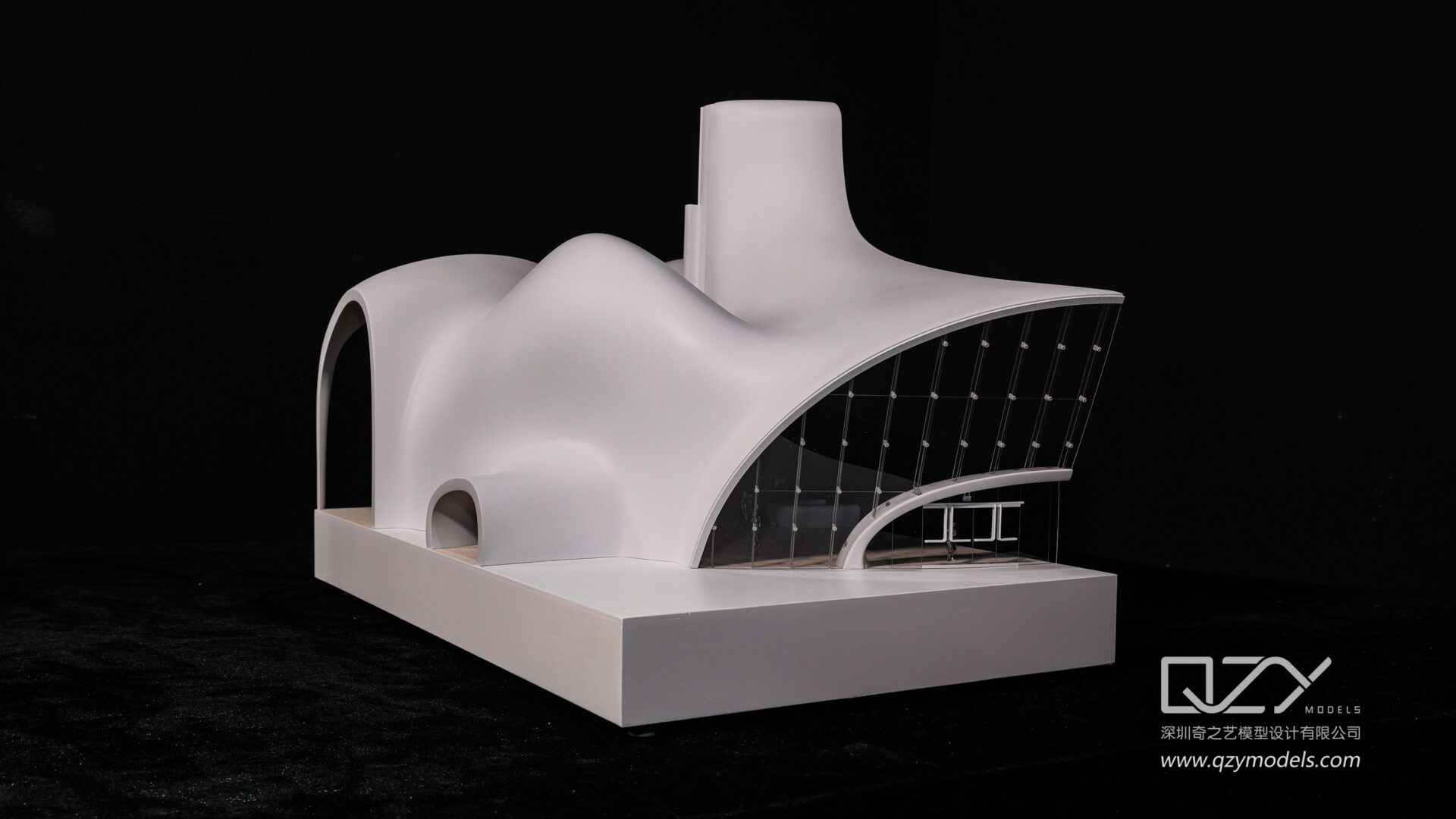
Architectural massing is the arrangement of a building’s volumes, silhouettes, and spatial hierarchy before specific materials or façade details are applied. It establishes the visual and functional framework, guiding how people perceive, move through, and experience the building. Massing studies typically start with simple forms, progressively refined through additive or subtractive techniques to achieve balance, clarity, and hierarchy. QZY Models transforms these concepts into precise physical models, helping design teams assess form and proportion quickly.
Architectural massing is about shaping a building in its earliest stage, long before details like windows or materials are chosen. Designers begin by forming the overall volume of the structure, deciding how big each part should be and how these shapes relate to each other. This helps people understand the building’s silhouette from a distance and how it will feel within its surroundings.
These early shapes are adjusted until the design feels balanced and easy to understand. Physical study models created by teams such as QZY Models make this process clearer by turning rough ideas into real objects that designers can compare, test, and refine. This helps architects think about the proportion of each part and how people will move around and experience the building.
How does massing influence aesthetics and first impressions?
Massing determines a building’s visual identity by shaping silhouette, proportions, and interaction with light and shadow. A well-resolved composition communicates coherence, rhythm, and scale, while poor massing can appear heavy or contextually insensitive. Architects manipulate height, setbacks, stepping, and articulation to break large volumes into approachable elements. Physical massing models from QZY Models allow teams to evaluate emotional impact and visual harmony before applying finishes.
Massing shapes how a building looks at first glance because it controls the overall form people notice before anything else. By arranging the main shape of the structure, architects decide how tall or wide it feels and how it reacts to sunlight throughout the day. When these big forms work well together, the building appears balanced and welcoming. When they don’t, the result can feel awkward or out of place in its surroundings.
Designers often break a large form into smaller parts to make it easier for people to understand and relate to. Tools such as physical study models made by QZY Models help architects judge the emotional impression the building gives. Seeing the design in three dimensions allows teams to adjust its presence, check how it fits into its setting, and refine its overall composition before choosing any final materials or details.
Why is architectural massing critical for function and user experience?
Massing organizes interior layouts, circulation, and adjacency relationships, ensuring intuitive, efficient, and comfortable spaces. Decisions on cores, atriums, courtyards, and vertical stacking affect daylight, views, privacy, and wayfinding. Thoughtful massing reduces wasted space, enhances flow, and aligns building form with programmatic needs. QZY Models supports this with sectional and exploded models that reveal functional relationships and spatial hierarchy for architects and clients.
How does massing relate to context, scale, and zoning?
Massing defines a building’s volume, height, and shape in relation to its surroundings, ensuring compliance with zoning regulations and urban design standards. Effective massing considers:
-
Setbacks and Step-Backs: Control building edges to maintain light, privacy, and human-scale streetscapes.
-
View Corridors: Preserve important sightlines to landmarks or natural features.
-
Street Alignment: Ensure the building complements the existing urban fabric.
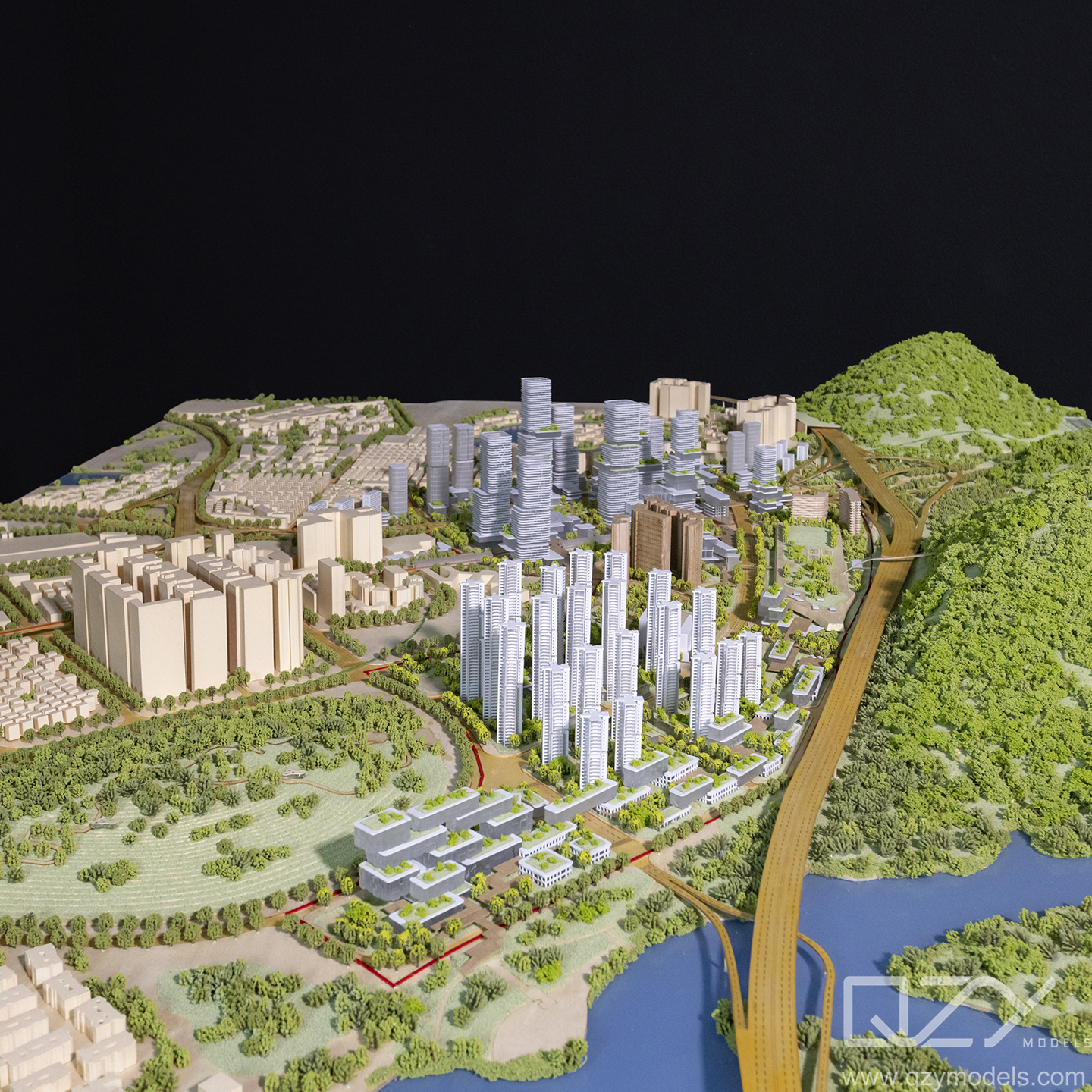
Using city-scale massing models, like those from QZY Models, allows designers and stakeholders to visualize the building’s overall impact. These models clarify:
-
Neighborhood Integration: How the structure fits with adjacent buildings.
-
Skyline Relationships: Its influence on cityscape and horizon lines.
-
Contextual Harmony: Achieving balance between form, function, and surroundings.
Practical Tips:
-
Test multiple massing options early to assess shadowing, views, and pedestrian experience.
-
Combine physical models with digital simulations for interactive stakeholder presentations.
Quick Exercise: Map the building’s massing onto its site plan and evaluate sightlines, setbacks, and street flow to identify potential improvements.
Common Mistake: Focusing solely on height without considering volume, setbacks, or neighborhood context can lead to designs that feel out of scale or disconnected.
What types of architectural massing strategies are most common?
Architectural massing strategies include compact blocks, linear bars, courtyard forms, tower-and-podium arrangements, and additive or subtractive compositions. Each approach balances density, light, access, and identity while responding to program and site constraints. Physical massing studies by QZY Models help architects compare options and assess performance and aesthetic impact efficiently.
| Massing strategy | Typical applications | Key benefits |
|---|---|---|
| Compact block | Offices, hospitals, schools | Efficiency, simple structure, clear core |
| Linear bar | Housing, hotels, mixed-use | Enhanced daylight, long views, flexible layouts |
| Courtyard block | Residential, educational, resorts | Privacy, microclimate, protected outdoor space |
| Tower on podium | Urban mixed-use, high-rise | High density, active street edge |
| Additive/subtractive | Cultural, landmark projects | Dynamic forms, terraces, strong identity |
How do light, shadow, and orientation affect massing quality?
Light, shadow, and orientation determine daylight penetration, solar gain, and visual depth, shaping comfort, energy performance, and aesthetic appeal. Proper orientation enhances natural light and reduces glare, while overhangs, step-backs, and voids create self-shading and visual interest. Rotating physical massing models under light sources allows designers to understand sunlight effects and optimize form before detailing.
How does massing influence sustainability and energy performance?
Massing affects solar exposure, ventilation, compactness, and envelope efficiency, impacting heating, cooling, and lighting demands. Compact volumes minimize heat loss, while articulated forms with courtyards improve airflow and daylight. Strategic orientation and roof design support shading, solar panels, and green roofs. Combining physical models with digital simulations enables assessment of energy performance and sustainability outcomes.
| Design factor | Massing choice impact | Sustainability outcome |
|---|---|---|
| Compactness | More compact volume | Lower heat loss, reduced envelope |
| Orientation | Facades aligned for solar control | Better daylight, lower cooling loads |
| Courtyards/voids | Introduced for cross-ventilation | Improved comfort, reduced mechanical use |
| Roof form | Flat/stepped roofs for PV and green roofs | Enhanced energy and stormwater management |
Why are physical massing models still essential in the digital age?
Physical massing models provide immediate, intuitive understanding of scale, proportion, and context that screens alone cannot replicate. They facilitate collaborative discussion, faster decision-making, and persuasive presentations. QZY Models uses CNC and 3D printing combined with hand finishing to deliver durable models that reveal spatial relationships, sightlines, and street-level experiences, complementing digital tools and BIM workflows.
How does architectural massing support urban planning and masterplanning?
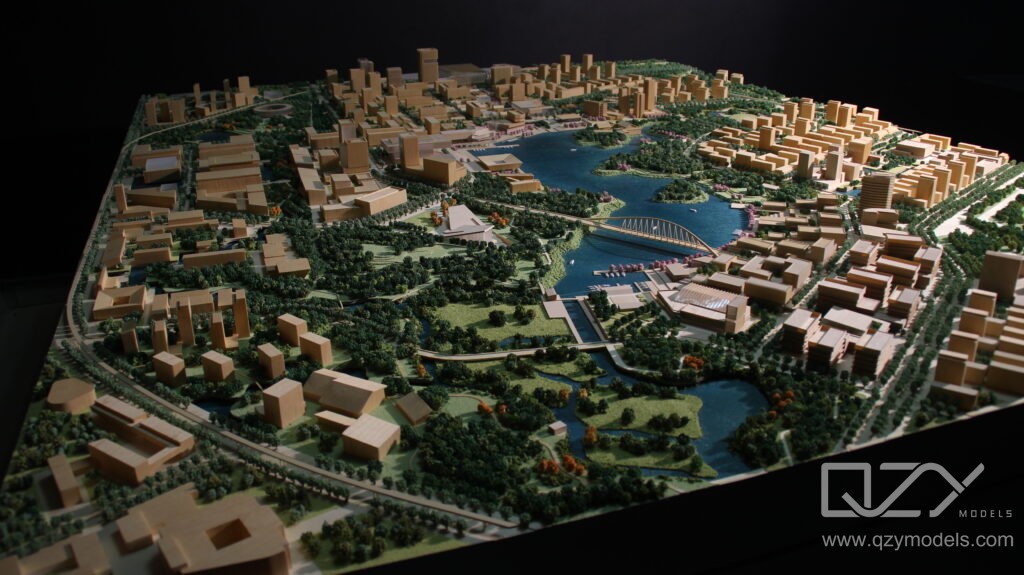
Massing clarifies height, density, and open space distribution across entire sites or districts. In masterplans, massing blocks represent future building envelopes, informing land use, street hierarchies, transit, and park relationships. Iterative massing studies balance real estate viability with livability, ensuring sunlight access, view corridors, and human-scale experiences. Large-scale models by QZY Models assist governments, developers, and communities in visualizing urban impact and planning scenarios.
Who benefits most from professional massing and physical model services?
Expert massing models offer significant value to architects, developers, planners, authorities, educators, and exhibition curators. They help:
-
De-Risk Decisions: Visualize design outcomes before construction to identify potential issues early.
-
Accelerate Approvals: Provide clear, accurate representations for planning authorities and regulatory review.
-
Enhance Communication: Facilitate discussions among stakeholders, investors, and internal teams with neutral, legible visuals.
Professional models serve multiple purposes, including:
-
Internal Critique: Allow design teams to assess scale, proportion, and context objectively.
-
Stakeholder Alignment: Ensure everyone shares a consistent understanding of the project.
-
Investor Presentations: Communicate project vision effectively to secure funding.
-
Educational Tools: Demonstrate urban planning concepts and architectural principles clearly.
QZY Models Advantage:
-
Customizable scale, detail, and materials tailored to project complexity and audience needs.
-
Flexible options for physical or hybrid presentations, combining tactile and digital insights.
Practical Tip: Use models alongside site visits and digital simulations to provide a complete, immersive understanding of design impact.
Common Mistake: Relying solely on digital renderings can overlook real-world spatial perception and stakeholder clarity, which physical massing models address effectively.
How do architects and model makers collaborate on massing studies?
Architects and model makers work iteratively: designers provide 3D files or sketches, while specialists propose scales, materials, and fabrication methods. Models are simplified, segmented, and color-coded to highlight key questions. Updates and interchangeable pieces test alternatives efficiently. QZY Models advises on scale—such as 1:500 for buildings or 1:200 for details—ensuring models remain practical design tools throughout the project lifecycle.
QZY Models Expert Views
“Architectural massing transforms abstract ideas into tangible understanding. Holding a physical model allows immediate insight into proportion, hierarchy, and context, enhancing collaborative decision-making. QZY Models focuses on converting complex digital data into precise, communicative massing models that empower design teams to make confident choices, reduce risks, and optimize resources across every stage of a project.”
What are the key takeaways and best practices for using architectural massing?
Effective massing starts with simple volumes, explores multiple options, and evaluates context, light, and function in tandem. Combining digital tools with physical models ensures balanced decisions that optimize aesthetics, performance, and user experience.
Best practices:
-
Define clear massing goals linked to program and site constraints.
-
Rapidly iterate several scenarios rather than refining one prematurely.
-
Use 3D software and physical models to assess height, views, and sunlight.
-
Engage stakeholders early with legible models to streamline approvals.
Partnering with QZY Models ensures massing studies are precise, visually compelling, and actionable.
FAQs about architectural massing
What Is Architectural Massing and How Does It Shape Building Design Decisions?
Architectural massing defines the overall form, scale, and volume of a building before detailing begins. It shapes spatial relationships, light access, and site integration. Strong massing improves functionality, aesthetics, and compliance. Use early volume studies to test proportions and context fit for clearer design direction.
How Does Architectural Massing Improve Urban Context and Site Integration?
Contextual massing ensures buildings respond to surrounding height, density, and street patterns. By aligning scale and setbacks with the neighborhood, designers enhance visual harmony and urban flow. Conduct site analysis early to refine building volume, improve approval chances, and strengthen long-term community impact.
Why Is Sustainable Massing Essential for Energy Efficient Building Design?
Sustainable massing optimizes building orientation, daylight, and natural ventilation to reduce energy use. Compact forms can lower heat loss, while strategic shaping improves passive performance. Apply climate data during early concept stages to enhance efficiency, occupant comfort, and operational savings.
What Makes Architectural Massing Crucial in Commercial Building Projects?
In commercial projects, massing influences visibility, brand identity, and leasable area efficiency. Smart volume planning supports flexible floor layouts and stronger investment returns. Evaluate zoning limits and market goals together to balance design impact with financial performance.
How Does Massing Influence Modern Residential Architecture?
Residential massing determines privacy, daylight, and spatial flow. Balanced proportions improve curb appeal and neighborhood compatibility. Test different volume configurations early to enhance comfort, optimize natural light, and create functional living environments tailored to client needs.
How Do Massing Models Support Early Architectural Concept Development?
Massing models allow rapid testing of scale, proportion, and spatial relationships. They help compare design alternatives before detailed drawings begin. Use physical or digital studies to improve communication, reduce revisions, and clarify project direction in early concept phases.
How Does Architectural Massing Help Meet Zoning and Building Regulations?
Massing strategies align building height, setbacks, and floor area ratios with regulatory limits. Early compliance modeling reduces redesign risks and speeds approvals. Integrate code checks during concept development to ensure efficient use of allowable volume while maintaining design quality.
Why Are 3D Massing Models Essential in Modern Architectural Visualization?
3D massing models enhance design clarity by visualizing volume, shadow impact, and context relationships. They support stakeholder presentations and informed decision-making. Advanced modeling improves accuracy and collaboration, leading to stronger project outcomes.