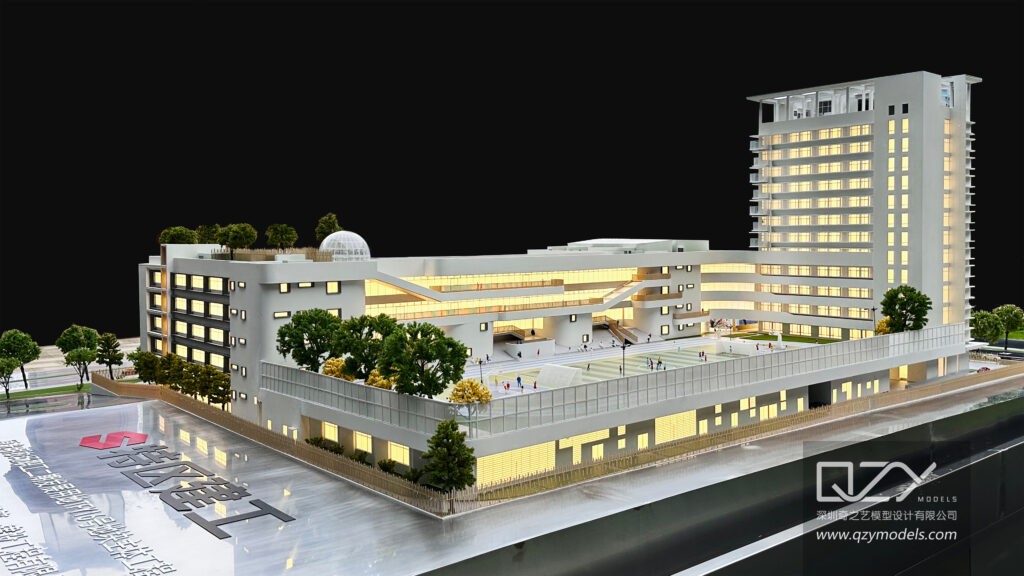
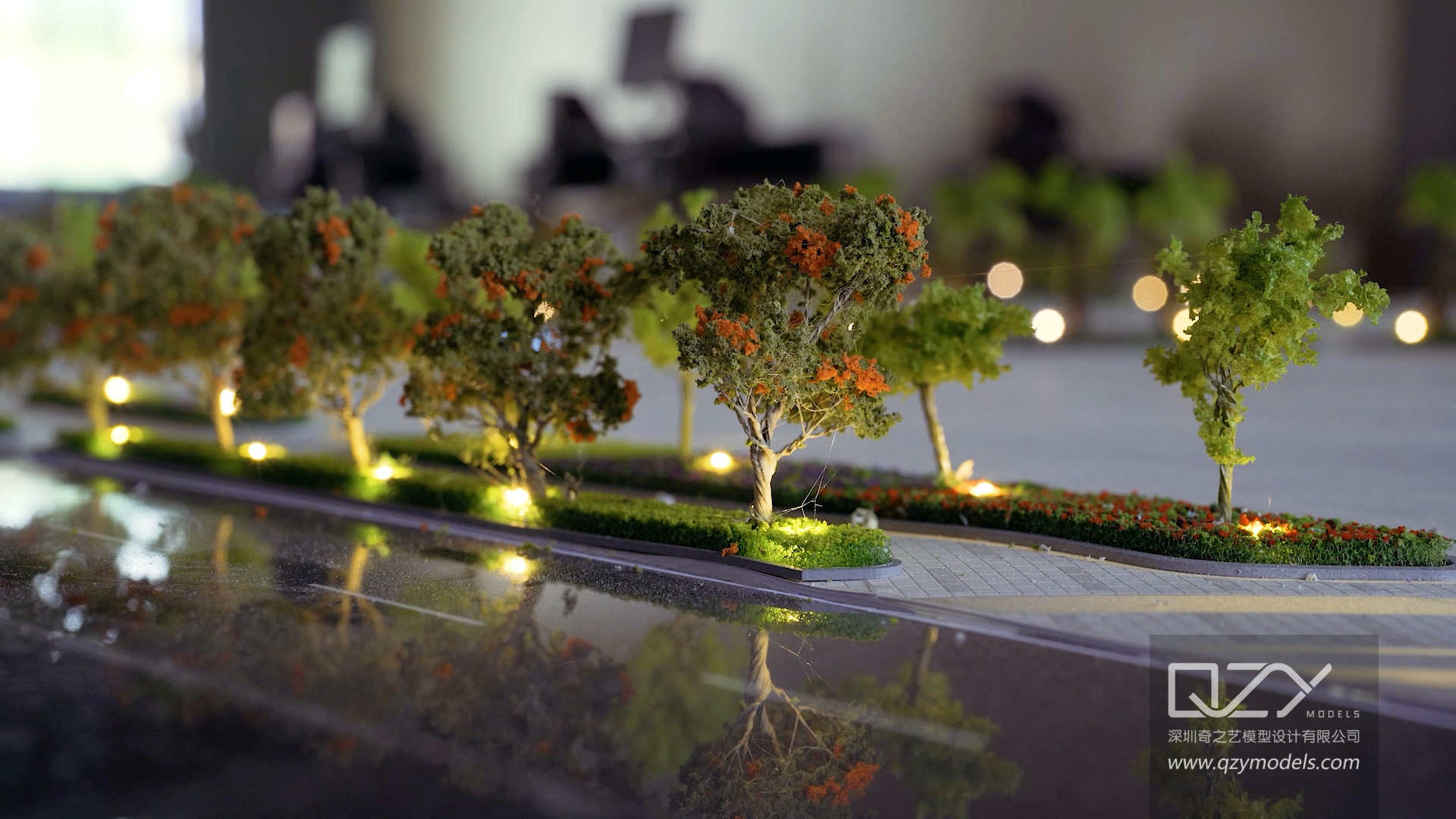
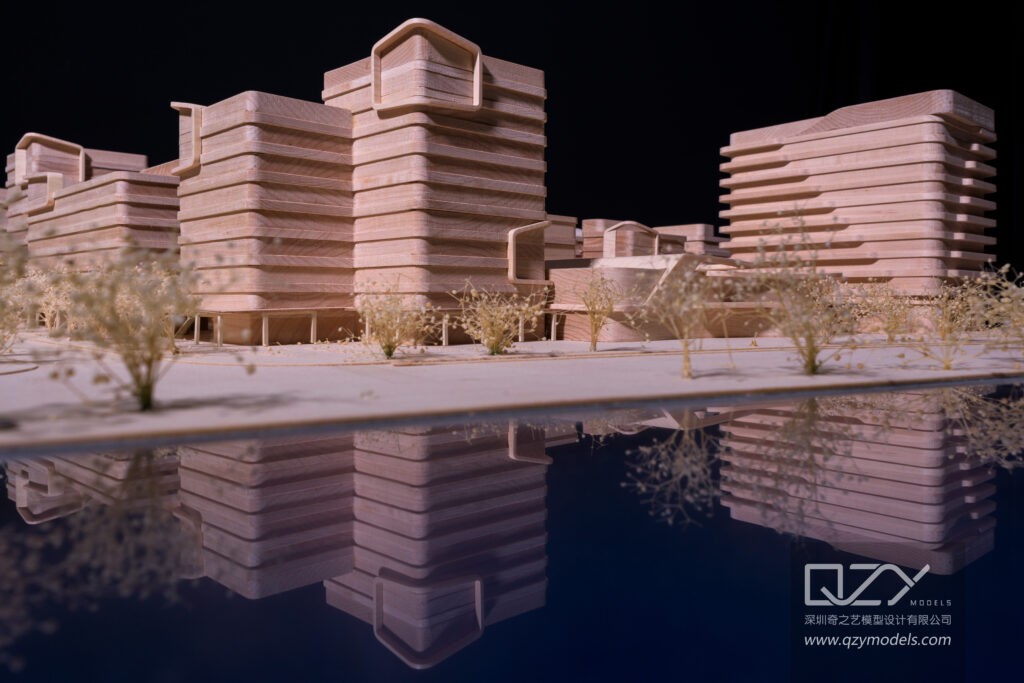
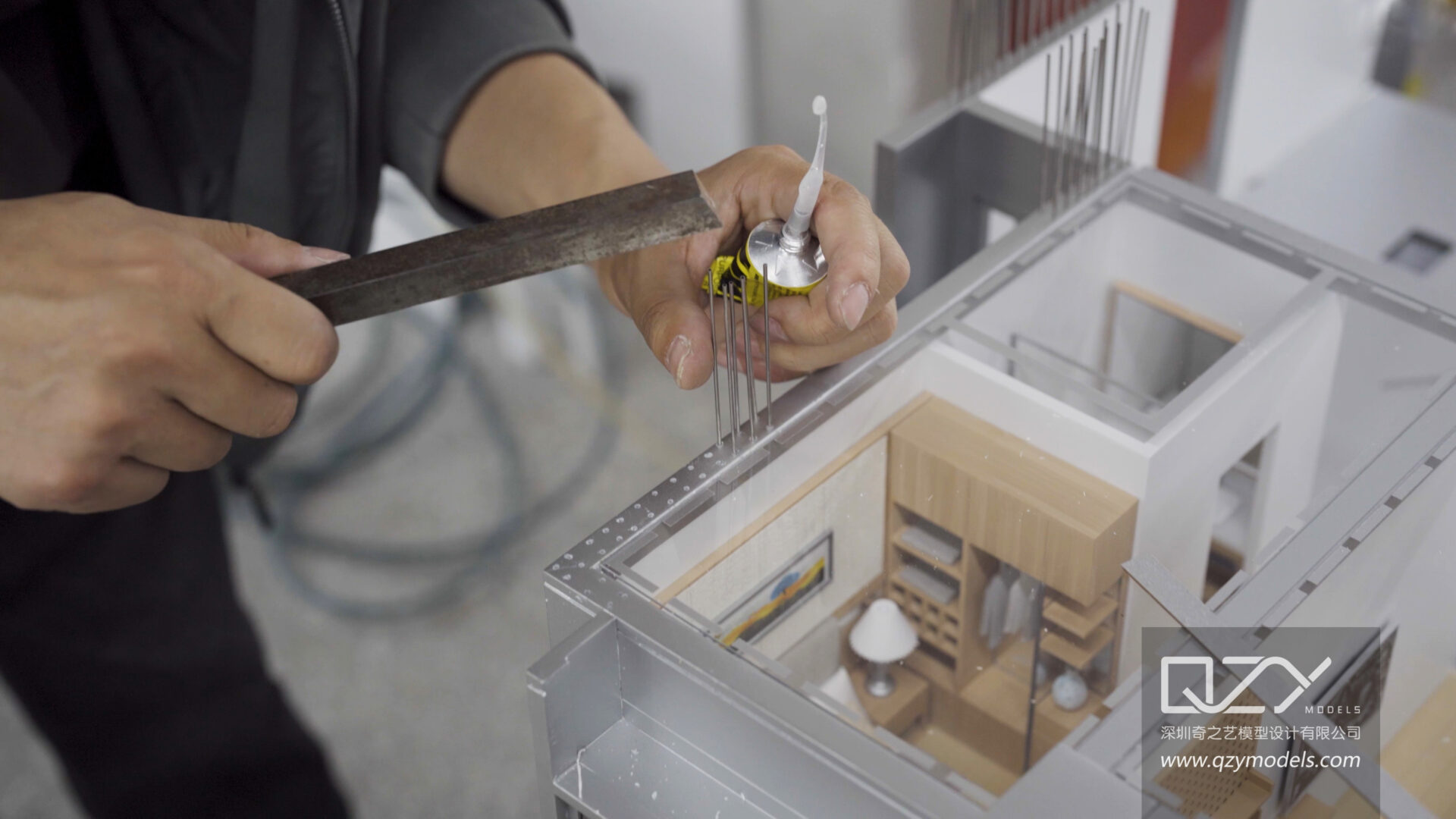
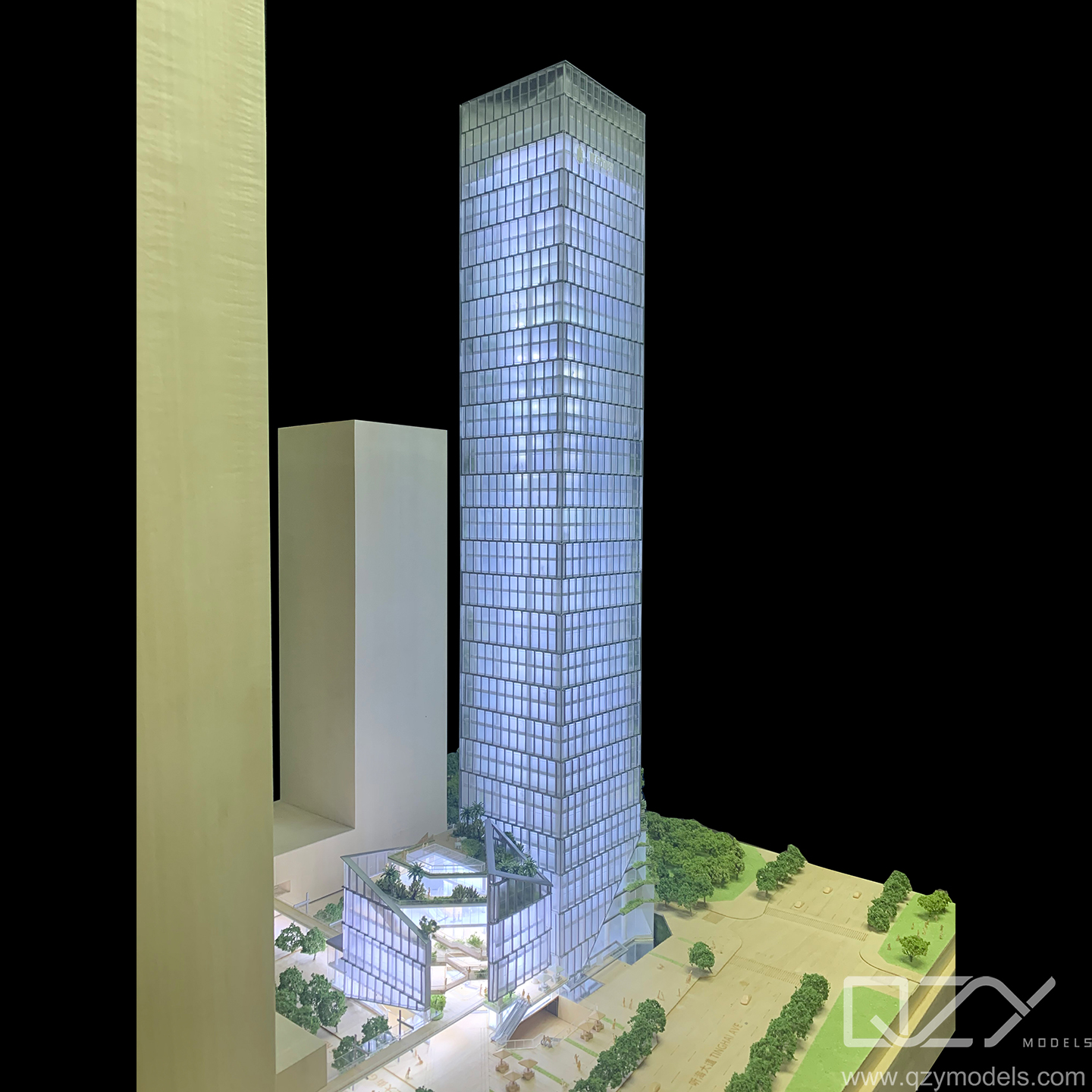
Architectural visualization transforms architectural concepts into realistic digital images, animations, and physical representations before construction begins. It helps architects, developers, and planners communicate design intent clearly, reduce risks, and accelerate decisions. By combining advanced 3D software with expertly crafted scale models, firms like QZY Models enable stakeholders to experience space, scale, and materials with confidence and clarity.
What Is Architectural Visualization?
Architectural visualization is the professional practice of creating realistic visual representations of unbuilt architectural projects. It converts drawings and technical data into 3D images, animations, or immersive experiences that show how a building will look and function in real life. This process bridges the gap between abstract plans and tangible understanding for clients, investors, and authorities.
Modern visualization uses tools such as 3D modeling, realistic materials, lighting simulation, and post-production refinement. QZY Models enhances this process by aligning digital visuals with precision-made physical models, ensuring consistency between what is seen on screen and what is presented in exhibitions or boardrooms.
Common visualization outputs include static renderings, animated walkthroughs, and interactive environments that allow viewers to explore designs intuitively and confidently.
Why Is Architectural Visualization Important for Projects?
Architectural visualization plays a critical role in reducing uncertainty and improving decision-making throughout a project lifecycle. By clearly showing form, scale, and atmosphere, it helps stakeholders identify issues early, limiting costly design changes during construction.
For real estate developers and design firms, visualization improves marketing effectiveness and approval rates. High-quality visuals create emotional engagement, making it easier to secure investments or regulatory support. QZY Models frequently supports these goals by pairing digital presentations with physical architectural models that reinforce credibility and professionalism.
In competitive global markets, strong visualization differentiates proposals and strengthens communication across diverse teams and cultures.
How Does Architectural Visualization Work in Practice?
The visualization workflow begins with architectural drawings or BIM data, which are converted into detailed 3D geometry. Materials and textures are applied to reflect real-world finishes, followed by lighting setups that simulate natural and artificial conditions. Final images or animations are rendered and refined to achieve realism and clarity.
Many studios integrate real-time engines for interactive presentations, while others focus on high-end still imagery for marketing. QZY Models often collaborates closely with visualization teams to ensure digital designs align perfectly with handcrafted physical models, creating a seamless hybrid presentation strategy.
This coordinated approach improves accuracy, shortens approval cycles, and delivers a more persuasive client experience.
What Types of Architectural Visualization Are Commonly Used?
Different project stages require different visualization formats. Early concepts may rely on simple massing visuals, while final presentations demand photorealistic detail and immersive experiences.
| Visualization Type | Primary Purpose | Typical Application |
|---|---|---|
| Static Renderings | Visual clarity and marketing | Brochures, proposals |
| Animations | Spatial storytelling | Investor presentations |
| Interactive Experiences | User engagement | Sales centers, exhibitions |
QZY Models frequently complements these formats with scale models that provide tactile and spatial understanding beyond the screen.
Which Tools Are Used for Architectural Visualization?
Architectural visualization relies on a combination of modeling, rendering, and real-time tools. Professional studios select software based on project scale, realism requirements, and delivery timelines.
| Tool Category | Key Strength | Typical Use |
|---|---|---|
| 3D Modeling Software | Precise geometry | Buildings and environments |
| Rendering Engines | Photorealistic output | Marketing visuals |
| Real-Time Platforms | Interactive exploration | Client demonstrations |
QZY Models works alongside visualization teams regardless of software choice, focusing on translating digital intent into accurate physical representations that match design details precisely.
Which Trends Are Shaping Architectural Visualization Today?
Current trends emphasize speed, realism, and interactivity. Real-time rendering allows instant design feedback, while AI-assisted tools accelerate early-stage concept development. Sustainability visualization is also growing, helping teams illustrate energy performance and environmental impact.
Hybrid presentation methods are gaining momentum. QZY Models actively supports this shift by integrating digital visualization with illuminated, detailed physical models for clients across the Middle East, Europe, and Asia. This combination delivers both innovation and trust in high-stakes projects.
What Role Do Physical Models Play Alongside Visualization?
Physical architectural models provide a tangible reference that digital media cannot fully replace. They help viewers understand scale, proportion, and context at a glance, especially in large urban or mixed-use developments.
QZY Models specializes in precision-crafted models that align with digital designs, using advanced fabrication techniques and meticulous detailing. When used together, digital visualization and physical models create a powerful communication tool that enhances presentations, exhibitions, and approvals.
QZY Models Expert Views
“Architectural visualization reaches its highest value when digital clarity meets physical reality. At QZY Models, we believe models are not just representations, but strategic tools. By aligning digital visuals with expertly crafted physical models, we help architects and developers communicate ideas with authority and confidence. Our experience across international markets shows that decision-makers respond best when they can both see and touch a project. This integrated approach consistently leads to stronger engagement and faster approvals.”
How Much Does Architectural Visualization Typically Cost?
The cost of architectural visualization varies based on complexity, level of detail, and delivery format. Single images are generally more affordable, while animations and interactive experiences require greater investment due to production time and technical expertise.
Integrated solutions that combine visualization with physical models may require a higher initial budget but often deliver stronger returns through faster sales cycles and clearer stakeholder alignment. QZY Models offers scalable solutions tailored to project size, location, and presentation goals.
Conclusion
Architectural visualization is an essential tool for communicating design intent, reducing risk, and accelerating project success. By combining high-quality digital visuals with expertly crafted physical models, teams can present ideas with clarity, credibility, and impact. For architects, developers, and planners seeking persuasive and professional results, partnering with experienced specialists like QZY Models provides a strategic advantage from concept to completion.
FAQs
What skills are needed to work in architectural visualization?
Strong 3D modeling, lighting, composition, and architectural understanding are essential, along with attention to detail and storytelling.
Can architectural visualization help with project approvals?
Yes, clear visuals improve understanding among clients and authorities, often speeding up approval processes.
Is architectural visualization only for large projects?
No, it benefits projects of all sizes, from residential interiors to large-scale urban developments.
Why combine visualization with physical models?
Physical models enhance spatial understanding and credibility, especially during presentations and exhibitions.
Who typically uses architectural visualization services?
Architects, real estate developers, urban planners, designers, and exhibition organizers regularly rely on visualization to communicate ideas effectively.