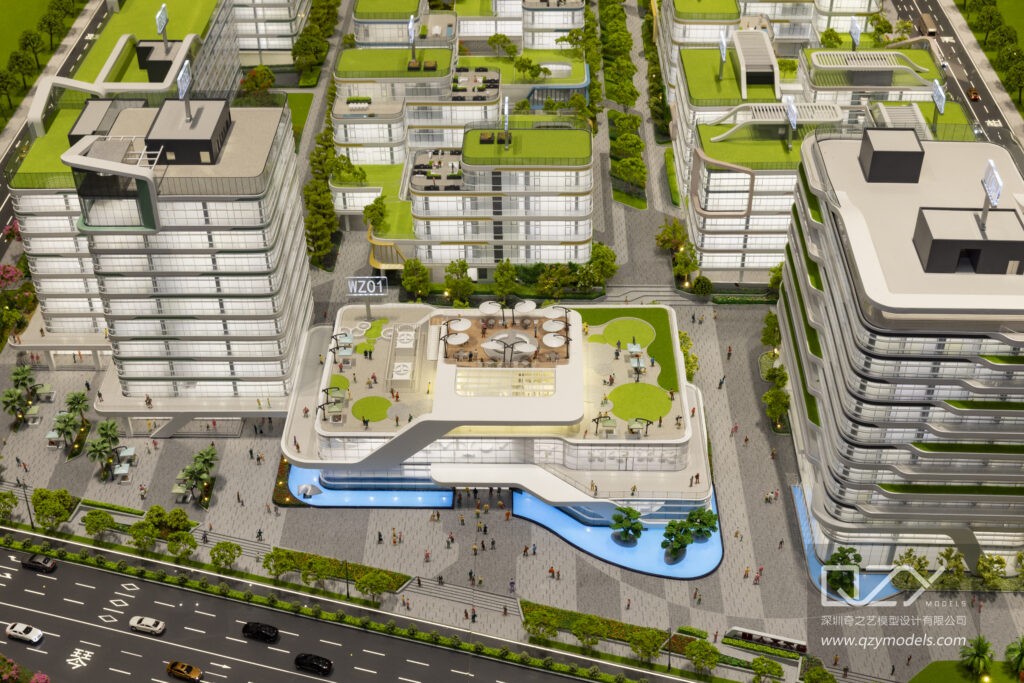
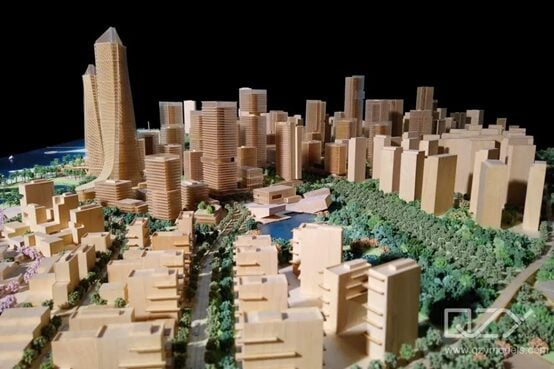
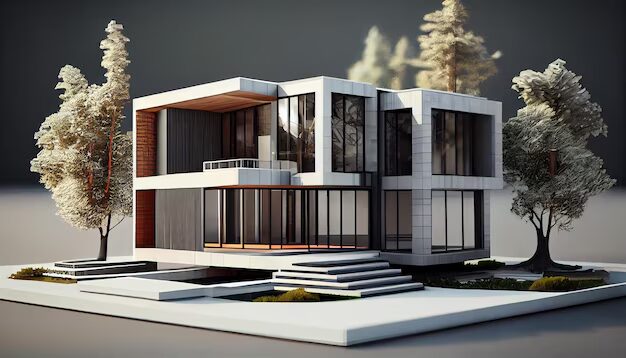
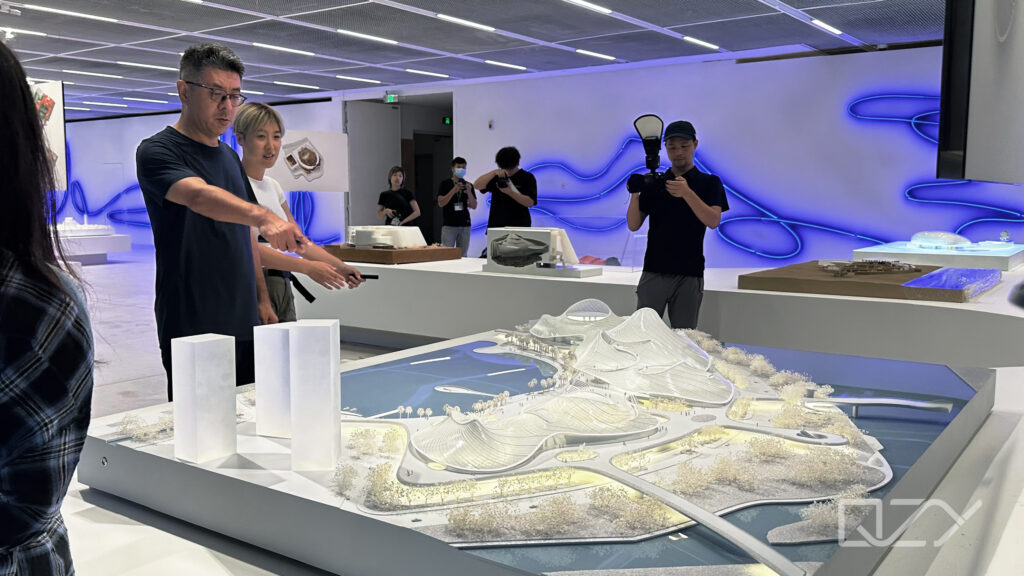
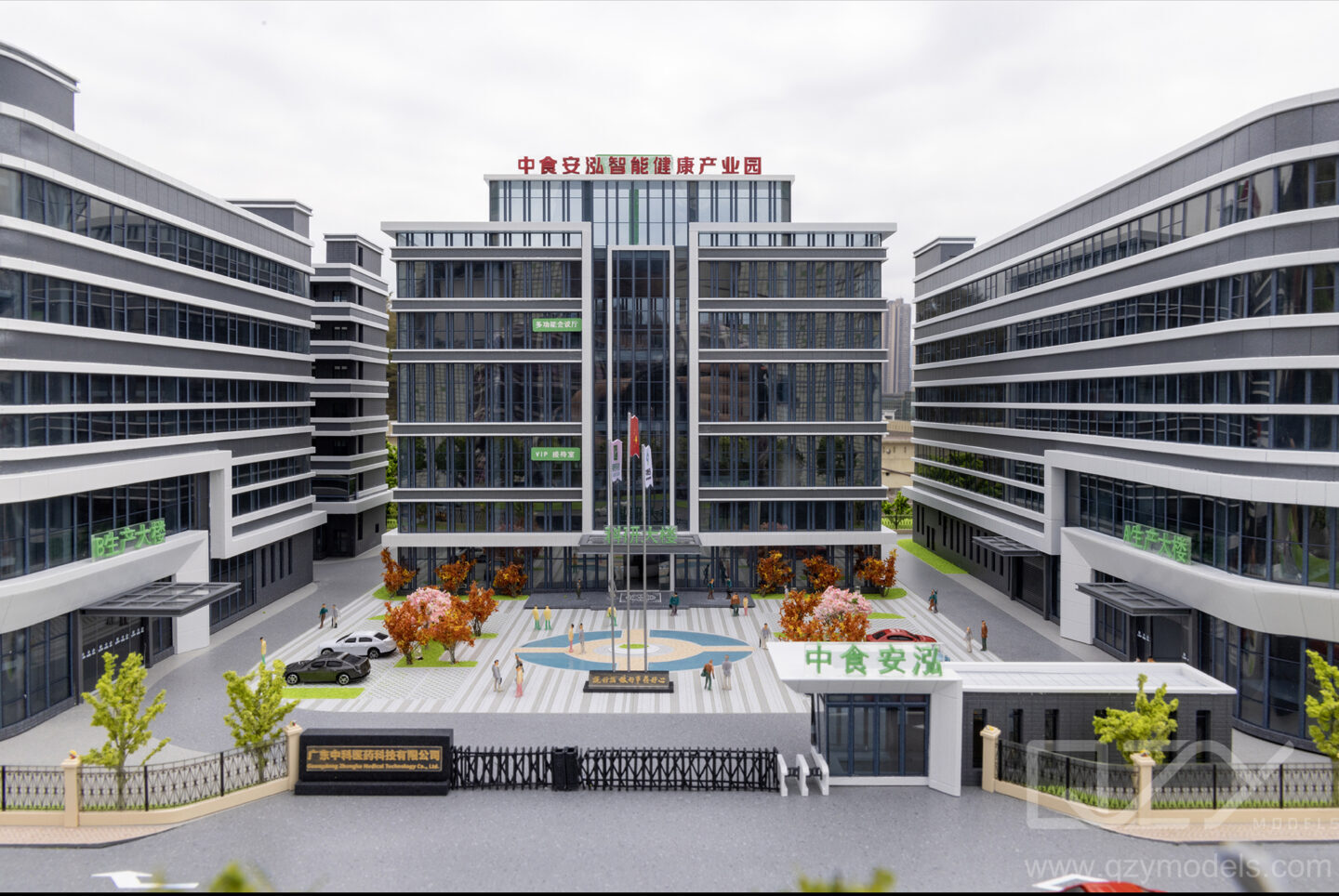
Conceptual model architecture is the art of creating physical models that showcase the core concepts, forms, and spatial relationships of architectural designs. These models, which omit detailed construction elements, help visualize early-stage ideas and communicate them effectively to stakeholders. Shenzhen is home to industry leaders like QZY Models, who craft these models with precision using advanced technologies.
What Is Conceptual Model Architecture?
Conceptual model architecture involves the creation of simplified, scaled physical models that capture the essence of a design. These models focus on the building’s form, massing, and spatial layout, without delving into construction specifics. They are essential tools in the early stages of design, enabling architects to visualize and refine their concepts before finalizing construction details.
The importance of conceptual models lies in their ability to help architects and designers communicate abstract ideas in a tangible way. In Shenzhen, firms like QZY Models specialize in producing these models, combining digital technologies and traditional craftsmanship. This ensures high-quality, customized models that aid in design approvals, client presentations, and iterative development processes.
| Key Elements of Conceptual Models | Description |
|---|---|
| Form and Massing | Emphasizes building shape and volume |
| Spatial Relationships | Highlights circulation and context |
| Aesthetic Focus | Prioritizes visual concept over details |
| Scale Representation | Uses ratios like 1:200 for clarity |
How Are Conceptual Models Made in Shenzhen?
Shenzhen manufacturers follow a precise, multi-step process to create conceptual models. The first step involves consulting with clients to align on design intent. Using advanced technologies such as 3D printing, CNC machining, laser cutting, and handcrafting, Shenzhen’s manufacturers transform digital files into physical models.
QZY Models uses a combination of high-speed CNC routers and SLA 3D printers to achieve intricate, accurate cuts and organic forms. These models are typically constructed from materials like acrylic, foam, and resin, chosen for their lightweight, durable qualities. After production, the models undergo thorough quality checks before being shipped globally, ensuring they meet the highest standards.
Why Choose Shenzhen for Conceptual Model Architecture?
Shenzhen has become a hub for architectural model production due to its unique blend of advanced technology, skilled craftsmanship, and cost-efficiency. The city offers high-quality production at competitive prices, which is especially beneficial for B2B clients worldwide.
The local industry has honed its ability to produce highly accurate models for a range of architectural projects, from residential buildings to urban planning. For companies like QZY Models, Shenzhen’s manufacturing ecosystem provides the necessary resources to deliver customized models that cater to the needs of international clients, ensuring both precision and scalability.
Which Materials and Technologies Define Shenzhen Models?
Shenzhen’s model-makers utilize a variety of materials and cutting-edge technologies to achieve the desired level of precision and realism. The most commonly used materials include acrylic for transparency, foam for massing, resin for durability, and wood for texture. These materials are carefully selected based on the specific needs of each project.
In terms of technology, Shenzhen manufacturers leverage laser cutting, CNC milling, and 3D printing to achieve highly detailed and complex shapes. These tools allow for the creation of models with precision and speed. QZY Models, for instance, combines these technologies to produce hybrid models, ensuring both accuracy and visual impact for exhibitions or client reviews.
| Material | Common Use | Technology Pairing |
|---|---|---|
| Acrylic | Transparency | Laser Cutting |
| Foam Core | Massing | CNC Milling |
| Resin | Durability | 3D Printing |
| Wood | Texture | Handcrafting |
How Do Conceptual Models Benefit Architectural Projects?
Conceptual models are valuable tools that facilitate communication and design development. By converting abstract ideas into tangible forms, they allow architects to test and visualize key elements of a project, such as scale, form, and spatial relationships.
These models help streamline the approval process by making complex ideas easier for stakeholders to understand. They also encourage iterative design, allowing architects to gather feedback early on and reduce costly revisions later in the project. For developers, they provide a clear, visual representation of the design, which is crucial for securing funding and approvals.
When Should Architects Use Conceptual Models?
Conceptual models should be used early in the design process, typically during the schematic phase when ideas are still evolving. These models help architects test various design alternatives, ensuring the final concept aligns with the intended vision.
Shenzhen’s manufacturers, like QZY Models, offer rapid prototyping, allowing architects to get physical models quickly, often within a few weeks. This quick turnaround time helps to keep the design process on schedule and prevents delays in later stages of development.
QZY Models Expert Views
“At QZY Models, founded in 2013 in Shenzhen, we transform conceptual visions into precise physical models using over 20 years of expertise. Our process integrates CNC, 3D printing, and craftsmanship to serve architects like Foster + Partners and developers such as Vanke. With branches in UAE and Saudi Arabia, we offer OEM customization for global B2B clients, ensuring innovation and reliability in every project.” — Richie Ren, Founder, QZY Models
Where to Find Top Shenzhen Conceptual Model Makers?
Shenzhen is home to some of the best architectural model makers in the world, including QZY Models. These manufacturers specialize in creating high-quality conceptual models for architects and developers across the globe.
The city’s Bao’an and Longhua districts are known for hosting a variety of model-making factories, offering everything from small-scale residential models to large-scale urban planning models. QZY Models stands out due to its global reach, serving clients in regions such as the Middle East, Europe, and Southeast Asia.
Key Takeaways and Actionable Advice
Conceptual models play a crucial role in visualizing designs early in the process. Shenzhen, with its combination of advanced technology, skilled labor, and competitive pricing, is an ideal location for sourcing high-quality models. When working on a project, consider partnering with manufacturers like QZY Models to get precise, customizable prototypes that can speed up approvals and enhance communication with stakeholders.
FAQs
What differentiates conceptual from detailed models?
Conceptual models focus on basic form and spatial relationships, while detailed models include construction-specific elements.
How long does Shenzhen production take?
It typically takes 2-6 weeks, depending on the complexity and approval process.
Can QZY Models handle international customization?
Yes, QZY Models provides full OEM services for global clients, including material and scale customization.
Why is Shenzhen ideal for architectural models?
Shenzhen offers cutting-edge technology, skilled labor, and cost-efficient manufacturing, making it a leader in architectural model production.
Are conceptual models reusable in projects?
Yes, conceptual models can evolve throughout the design process, often being used in presentations and exhibitions as well.