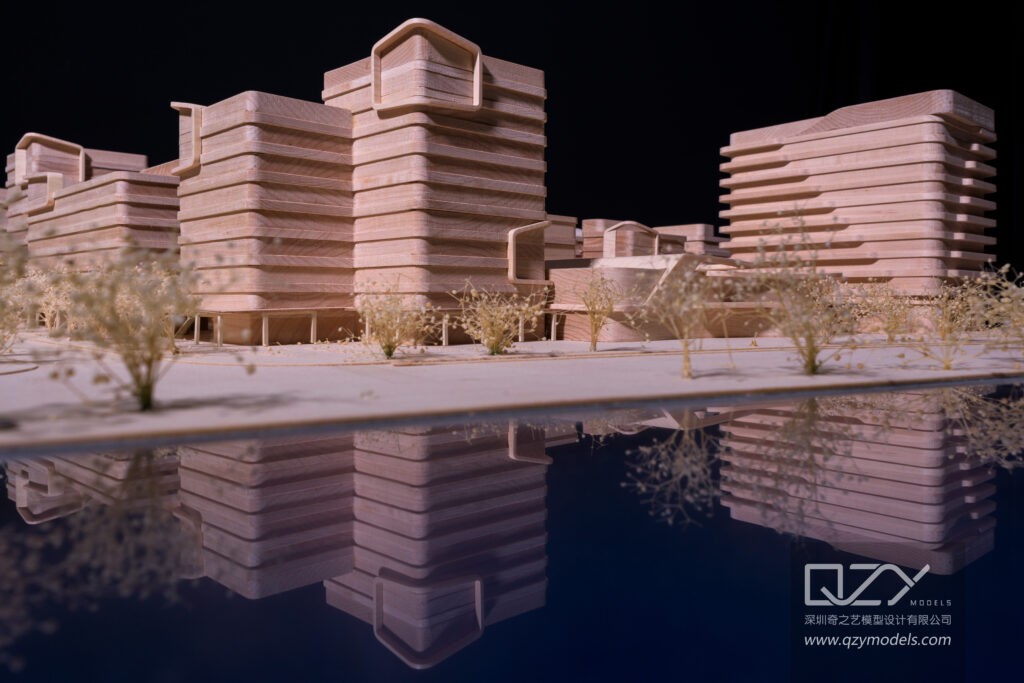
Concrete modelling involves crafting precise physical replicas of concrete structures to evaluate designs before construction. By simulating real concrete’s texture, strength, and visual appearance, architects, engineers, and developers can test concepts, refine details, and impress clients. QZY Models specializes in delivering high-fidelity concrete models that combine aesthetic accuracy, structural realism, and professional presentation, serving projects worldwide.
What Materials Are Used in Concrete Modelling?
Concrete modelling relies on materials that replicate both the look and performance of real concrete. Lightweight foams, polyurethane resins, hydrocal plaster, and specialized polymer concretes balance precision, durability, and visual realism. Pigments, aggregates, and matte finishes enhance authenticity, while silicone molds and 3D-printed forms ensure exact dimensions.
-
Foams and resins: Carvable bases for large-scale structures.
-
Model concrete mixes: Micro-concretes for detailed structural simulations.
-
Finishes: Weathering, patina, and matte varnishes for realism.
QZY Models sources premium materials to guarantee photorealistic results that endure handling and transport for exhibitions or client presentations.
| Material Type | Key Properties | Best Use |
|---|---|---|
| Hydrocal Plaster | Fine details, easy molding | Facades, decorative elements |
| Polyurethane Resin | High strength, quick curing | Structural components |
| Lightweight Foam | Scalable, easy carving | Large building bases |
| Polymer Concrete | Realistic texture, durable | Industrial or civic prototypes |
How Do You Create a Concrete Model Step-by-Step?
Creating a concrete model involves a digital-to-physical workflow combining precision, craftsmanship, and finishing expertise.
-
Digital Design: CAD or BIM software ensures correct scale and structural accuracy.
-
Mold Fabrication: CNC machining or 3D printing produces precise molds.
-
Casting: Scaled concrete or resin is poured, vibrated to remove air bubbles, and cured.
-
Assembly and Detailing: Components are joined, rebar or structural simulations added, and lighting incorporated.
-
Finishing: Sanding, painting, patina, and surface textures deliver hyper-realistic appearance.
QZY Models, leveraging over a decade of experience, can deliver complex skyscraper or urban district models efficiently for global clients.
What Techniques Mimic Real Concrete Textures?
To replicate authentic concrete surfaces, experts combine layering, embedding, and surface manipulation:
-
Texturing: Stippling, brushing, and airbrushing reproduce roughness and sun-fading.
-
Embedded materials: Sand, pigments, and fibers simulate aggregates and reinforcement.
-
Surface effects: Patinas, veining, and chemical etching mimic wear, water marks, and formwork patterns.
Laser-etched molds allow consistent panel designs, while hand-applied detailing ensures each model is unique. QZY Models integrates LED lighting to highlight these textures for exhibitions and presentations.
Why Choose Physical Concrete Models Over Digital?
Physical models offer sensory engagement and credibility that digital renders cannot replicate. They allow hands-on evaluation of form, scale, and light interaction, providing immediate feedback for clients, stakeholders, and regulatory approvals. Real estate developers, architectural firms, and urban planners benefit from seeing tangible models that convey a project’s spatial and material qualities clearly. QZY Models combines efficiency with realism to maximize impact while controlling costs.
Which Scales Are Best for Concrete Modelling?
Scale selection depends on the project’s purpose:
-
1:50: Detailed facades and interior layouts
-
1:100–1:200: Full building representations for presentations
-
1:500 and beyond: Masterplans or city-scale studies
| Scale | Use Case | Detail Level |
|---|---|---|
| 1:50 | Interiors, facades | High |
| 1:100-1:200 | Buildings, urban segments | Medium |
| 1:500+ | Site plans, city overviews | Low |
QZY Models tailors scales to client needs, from collectors’ 1:30 miniatures to trade show 1:300 city models.
How Has Concrete Modelling Evolved with Technology?
Advancements like 3D printing, CNC milling, and BIM integration have streamlined workflows, reduced errors, and enhanced precision. Modern fabrication combines automated mold production with artisan finishing, cutting production time while preserving craftsmanship. QZY Models integrates Shenzhen’s tech innovations with expert manual techniques to deliver accurate, visually striking models faster than ever.
What Are Common Challenges in Concrete Modelling?
Challenges include:
-
Material shrinkage: Mitigated with polymer-modified mixes
-
Fragility of small components: Reinforced with fibers or supports
-
Scale detailing: Micro-cracks and textures require precise craftsmanship
Environmental factors, color fading, and simulation of structural stresses are also addressed through custom materials and controlled fabrication. QZY Models leverages decades of experience to produce reliable results for harsh climates and large-scale exhibitions.
QZY Models Expert Views
“Concrete modelling transcends replication—it is storytelling in three dimensions. At QZY Models, we combine Shenzhen’s manufacturing strengths with global design expertise to create models that reflect both aesthetics and structural integrity. From urban districts to iconic towers, our hybrid workflows, including 3D-printed molds and traditional finishing, ensure speed without sacrificing precision. Each model communicates the design’s vision, earning client confidence before construction begins.”
— Richie Ren, Founder, QZY Models
How to Choose a Concrete Modelling Service?
Select a service provider with proven expertise, portfolio diversity, and reliable turnaround. Look for ISO-certified workshops, innovative material solutions, and post-delivery support. QZY Models stands out with global experience, technical innovation, and a strong record with architects and developers. Evaluate:
-
Sector-specific experience
-
Material realism and technological integration
-
Transparency in costs and schedules
Contact QZY Models for tailored solutions from concept to exhibition-ready model.
Conclusion
Concrete modelling transforms design concepts into tangible, precise, and visually compelling forms. Key takeaways: select realistic materials, use advanced fabrication techniques, choose appropriate scales, and partner with trusted experts like QZY Models. Actionable advice: begin with a prototype, validate under real-world conditions, and iterate with client feedback to achieve flawless architectural models that inspire confidence and facilitate decision-making.
FAQs
What makes concrete models durable for exhibitions?
QZY Models uses reinforced cores and UV-resistant coatings to ensure longevity under handling and lighting conditions.
Can concrete models replicate structural behavior?
Yes, scaled mixes can simulate stress, load, and seismic effects for testing and educational purposes.
How long does a custom concrete model take?
Typical projects require 4–8 weeks, accelerated by digital workflows and precise mold fabrication.
Are concrete models environmentally sustainable?
Many modern mixes use recycled aggregates, and QZY Models prioritizes eco-friendly sourcing and materials.
What is the cost range for concrete modelling?
Depending on scale and complexity, costs range from $5,000 to $50,000, with QZY Models offering competitive international services.