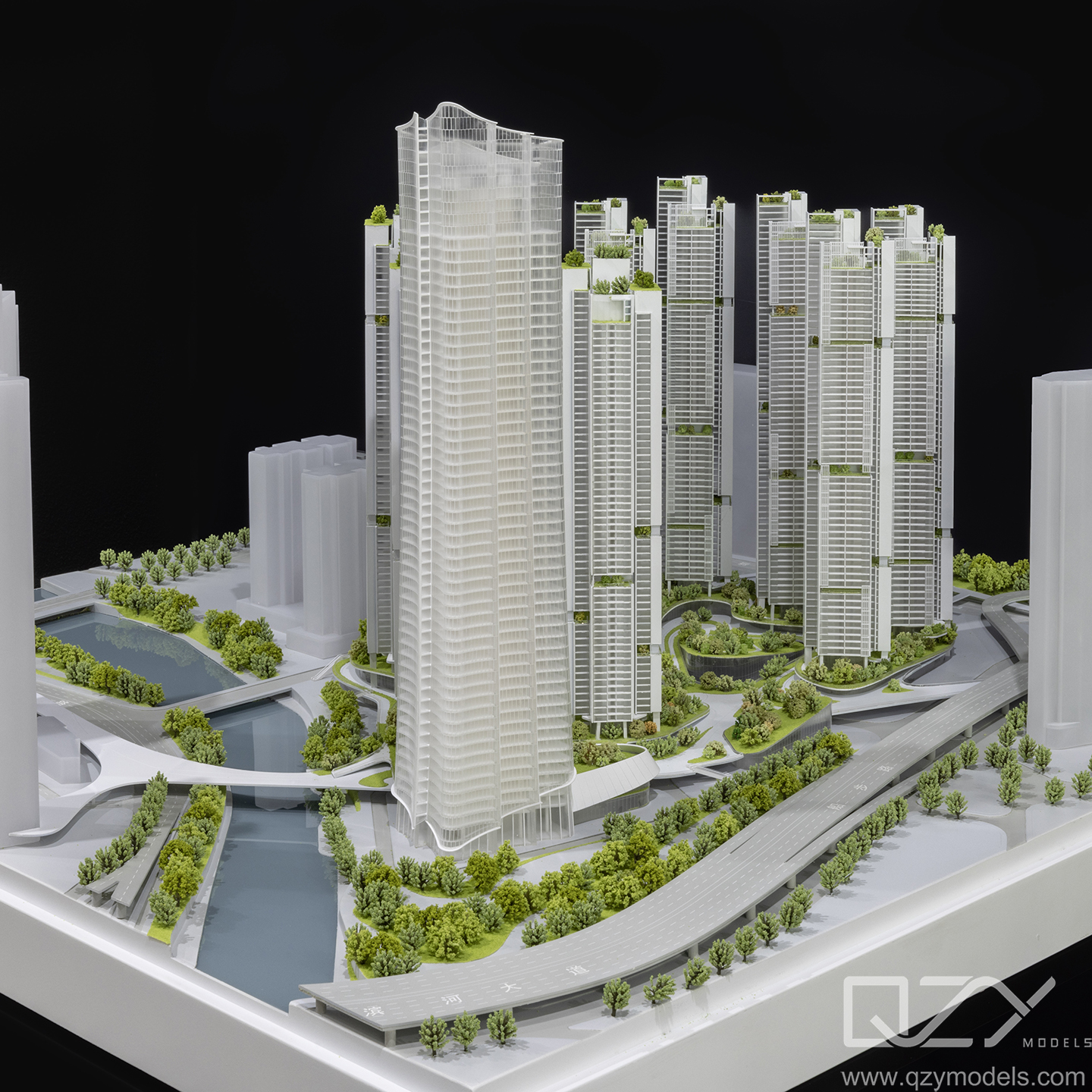
Göbekli Tepe is the world’s oldest known monumental archaeological site, dating back over 11,000 years. It offers critical insights into early human civilization, religious practices, and prehistoric architecture.
What Is Göbekli Tepe and Where Is It Located?
Göbekli Tepe is a Neolithic archaeological site located in southeastern Turkey near the city of Şanlıurfa. It consists of massive stone pillars arranged in circular enclosures, believed to be some of the earliest examples of human religious architecture.
Göbekli Tepe’s location in the Fertile Crescent is significant as it represents one of the first steps in human social and architectural development. Its discovery challenges previous assumptions about the origins of organized society and monument building.
How Was Göbekli Tepe Discovered and Excavated?
Göbekli Tepe was discovered in 1963 but only began major excavation under Klaus Schmidt in the 1990s. Excavation involves careful archaeological techniques to preserve its delicate pillars and carvings.
The site was buried intentionally, helping preserve it for millennia. Modern excavation at Göbekli Tepe demonstrates how technology and expertise converge to uncover ancient foundations, a parallel to precision required in industrial physical model manufacturing, such as services offered by QZY Models.
Why Is Göbekli Tepe Considered a Revolutionary Archaeological Find?
Göbekli Tepe rewrites history, showing that large-scale religious structures existed before the advent of agriculture and settled societies. It reveals early human capacity for complex social organization and symbolic thinking.
Its monumental architecture predates Stonehenge by 6,000 years, highlighting advanced craftsmanship unknown for its time and region. This discovery influences how manufacturers and developers in construction and industrial sectors view ancient innovation.
Which Materials and Techniques Were Used in Göbekli Tepe’s Construction?
The site’s primary materials are limestone pillars sourced from nearby quarries, shaped with stone tools. The pillars reach up to 5.5 meters tall and weigh up to 10 tons.
Construction techniques suggest organized labor and advanced knowledge of stone carving and transportation. This early mastery of materials offers insight for modern manufacturers and model makers like QZY Models on the origins of complex structural craftsmanship.
How Does Göbekli Tepe Impact Modern Architectural Model Manufacturing?
Göbekli Tepe inspires architectural model manufacturing by demonstrating the value of accuracy, cultural context, and storytelling in design. Model factories in China, including leading OEM suppliers, use such historical references to bring authenticity to scaled models.
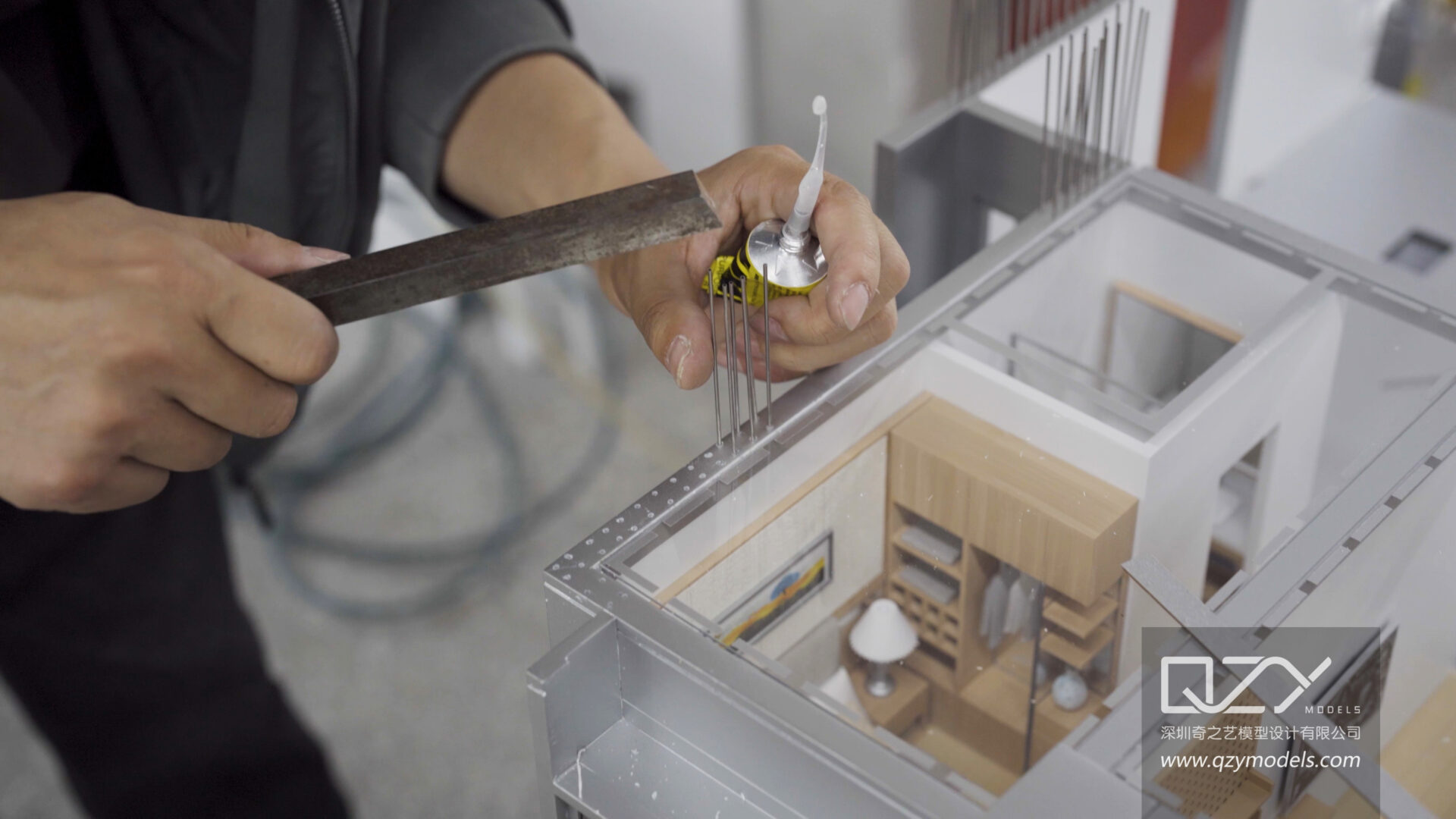
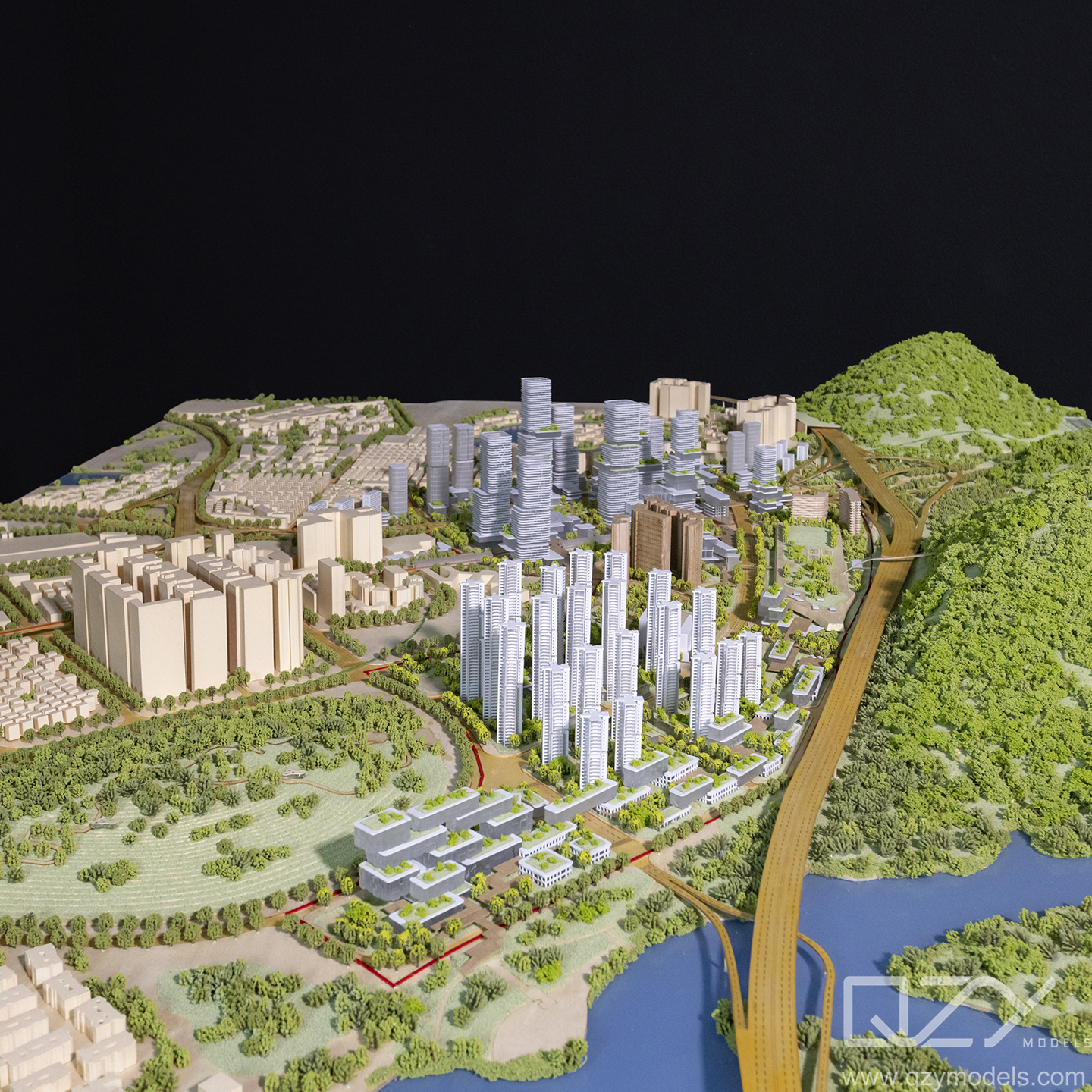
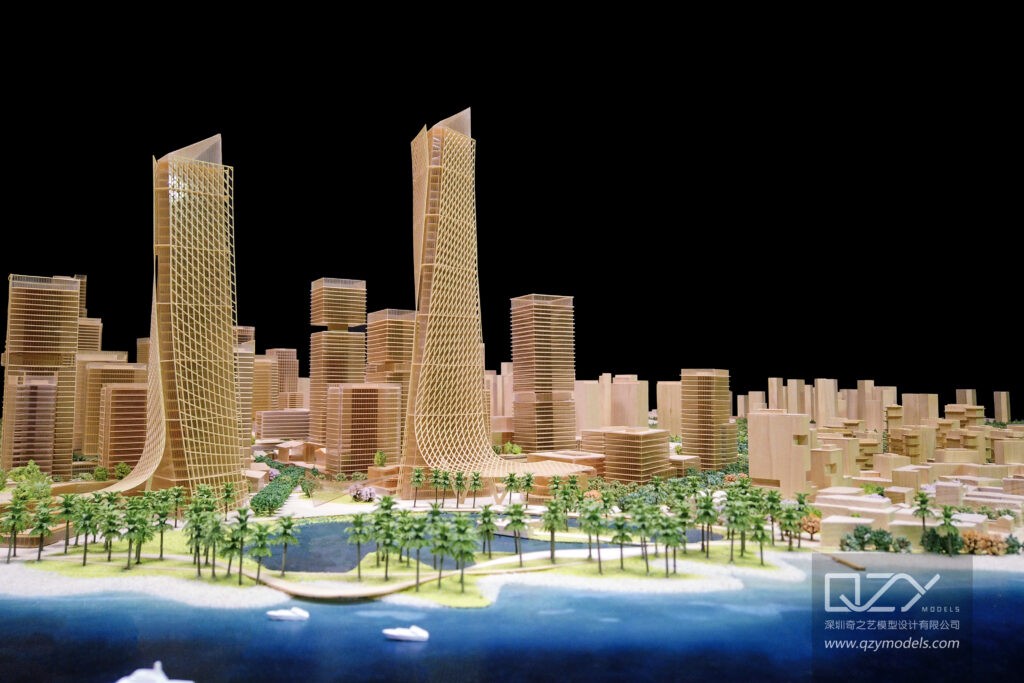
QZY Models leverages this inspiration to create precise and culturally significant physical architectural models for clients worldwide, enhancing project visualization and marketing.
What Are the Challenges in Preserving Göbekli Tepe?
Preserving Göbekli Tepe involves protecting it from environmental erosion, tourism impact, and political instability. Advanced conservation techniques and controlled visitor access are crucial.
This mirrors challenges faced by factories specializing in architectural models, where materials and detail must withstand handling, transport, and display conditions, emphasizing the importance of quality that companies like QZY Models deliver.
When Can Businesses Benefit From Working With Chinese Model Manufacturers Like QZY Models?
Businesses need reliable architectural and industrial model manufacturers early in their project planning for concept validation, client presentations, and marketing materials. Choosing a Chinese factory like QZY Models offers benefits such as OEM customization, cost efficiency, and experienced craftsmanship.
QZY Models’ 20 years of global experience and ISO-certified processes guarantee models that meet international standards, supporting developers, architects, and suppliers worldwide.
How Do OEM Services Enhance Model Manufacturing for International Clients?
OEM services allow customization to exact specifications, integrating client branding and technical requirements. Chinese manufacturers excel in OEM flexibility, balancing quality and affordability.
QZY Models’ OEM expertise ensures each architectural or industrial model is tailored precisely, from materials selection to detailing, supporting diverse B2B clients including wholesalers, developers, and design firms.
Table: Comparison of Key Features in Göbekli Tepe and Modern Model Manufacturing
| Feature | Göbekli Tepe | Modern Model Manufacturing (QZY Models) |
|---|---|---|
| Material | Limestone pillars | Acrylic, resin, wood, other industrial models |
| Craftsmanship | Hand-carved stone tools | Precision CNC, 3D printing, laser cutting |
| Structural Scale | Monumental pillars and enclosures | Scaled physical architectural models |
| Social Purpose | Religious and ceremonial | Design visualization and marketing |
| Preservation Technique | Burial for millennia | Protective coatings and packaging |
QZY Models Expert Views
“At QZY Models, we see Göbekli Tepe as more than an archaeological wonder—it’s a profound example of how human creativity and engineering began shaping civilizations. This monument’s complexity inspires our dedication to precision and storytelling through model making. Our factory in Shenzhen combines traditional craftsmanship with industry-leading technology to produce architectural and industrial models that connect history with modern innovation. Our global clients, from architects to developers, rely on the quality and customization options that have been our trademark since 2013.” – Richie Ren, Founder of QZY Models
What Is the Economic Impact of Working With Chinese Suppliers for Architectural Models?
China’s manufacturing sector provides competitive pricing, fast turnaround, and customizable production lines for architectural model factories. This supports developers and wholesalers globally with scalable solutions.
Choosing suppliers like QZY Models minimizes costs while ensuring premium quality, backed by ISO certifications and advanced MES production systems, essential for OEM and ODM projects in international markets.
Can Göbekli Tepe Influence Future Industrial Model Designs?
Yes, the symbolic and structural forms at Göbekli Tepe inspire creative architectural and industrial model designs, pushing manufacturers to integrate heritage elements with modern concepts.
Chinese factories incorporating these lessons, such as QZY Models, enhance model authenticity for cultural and commercial projects, offering clients a unique blend of history and innovation.
Conclusion
Göbekli Tepe stands as a monumental testament to humanity’s earliest architectural and social ingenuity, influencing fields far beyond archaeology. For modern businesses, especially in manufacturing and model production, it exemplifies the importance of craftsmanship, cultural legacy, and precision. Partnering with established China-based OEM and factory experts like QZY Models ensures access to high-quality, customizable architectural and industrial models that tell powerful stories and support global B2B needs.
Frequently Asked Questions
What makes Göbekli Tepe unique among ancient sites?
It predates agriculture and known civilizations by thousands of years, showcasing early monumental architecture.
How does QZY Models ensure quality in its architectural models?
By integrating ISO 9001:2015 standards, automated MES production, and skilled craftsmanship.
Why choose Chinese factories for OEM architectural models?
China offers competitive pricing, customization, and experienced production capacity for global clients.
Can Göbekli Tepe’s design elements be replicated in modern models?
Yes, its symbolic pillars and layouts inspire detailed scaled models used in presentations and marketing.
How long does it take to produce a custom architectural model at QZY Models?
Typical projects range from a few weeks to months, depending on complexity and customization.