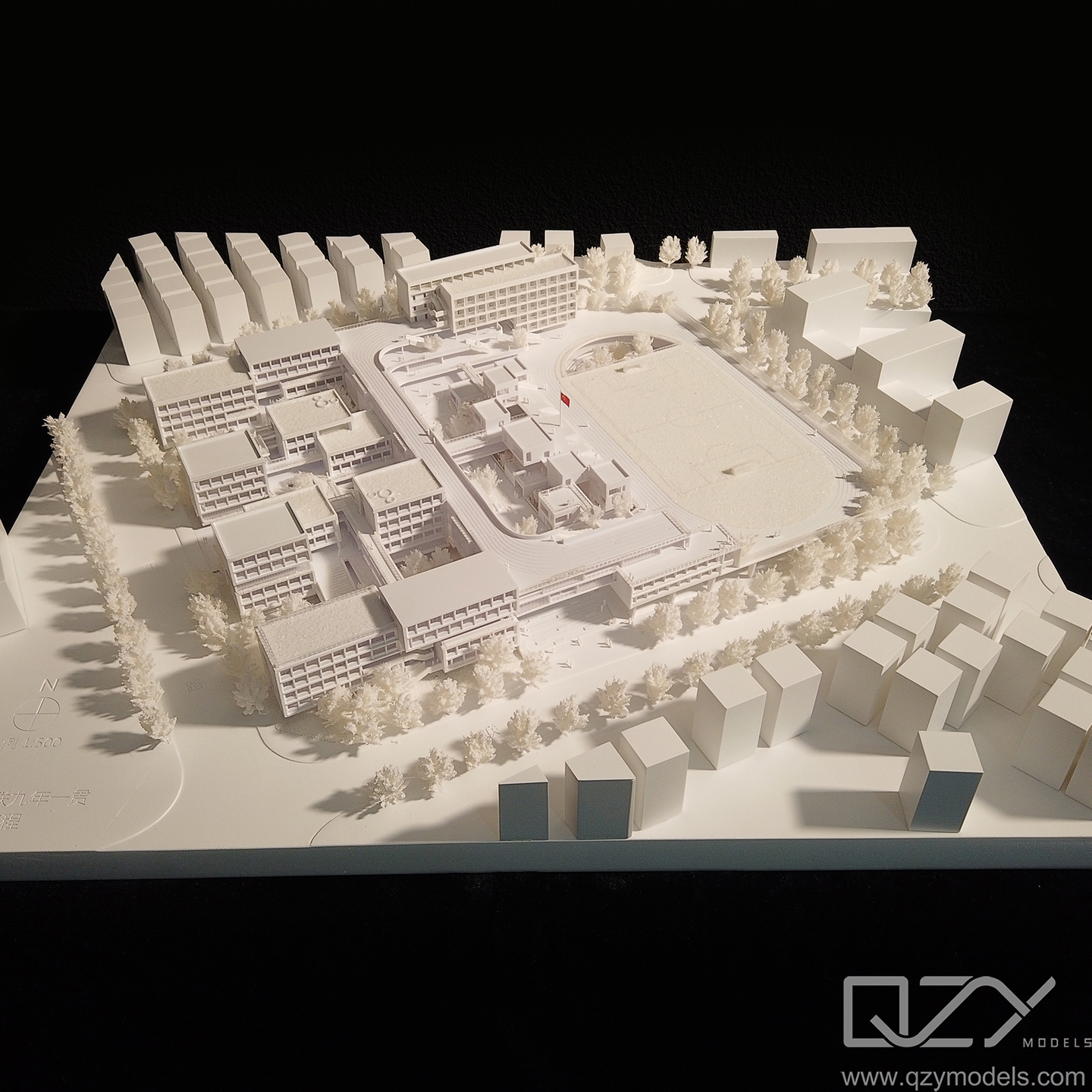
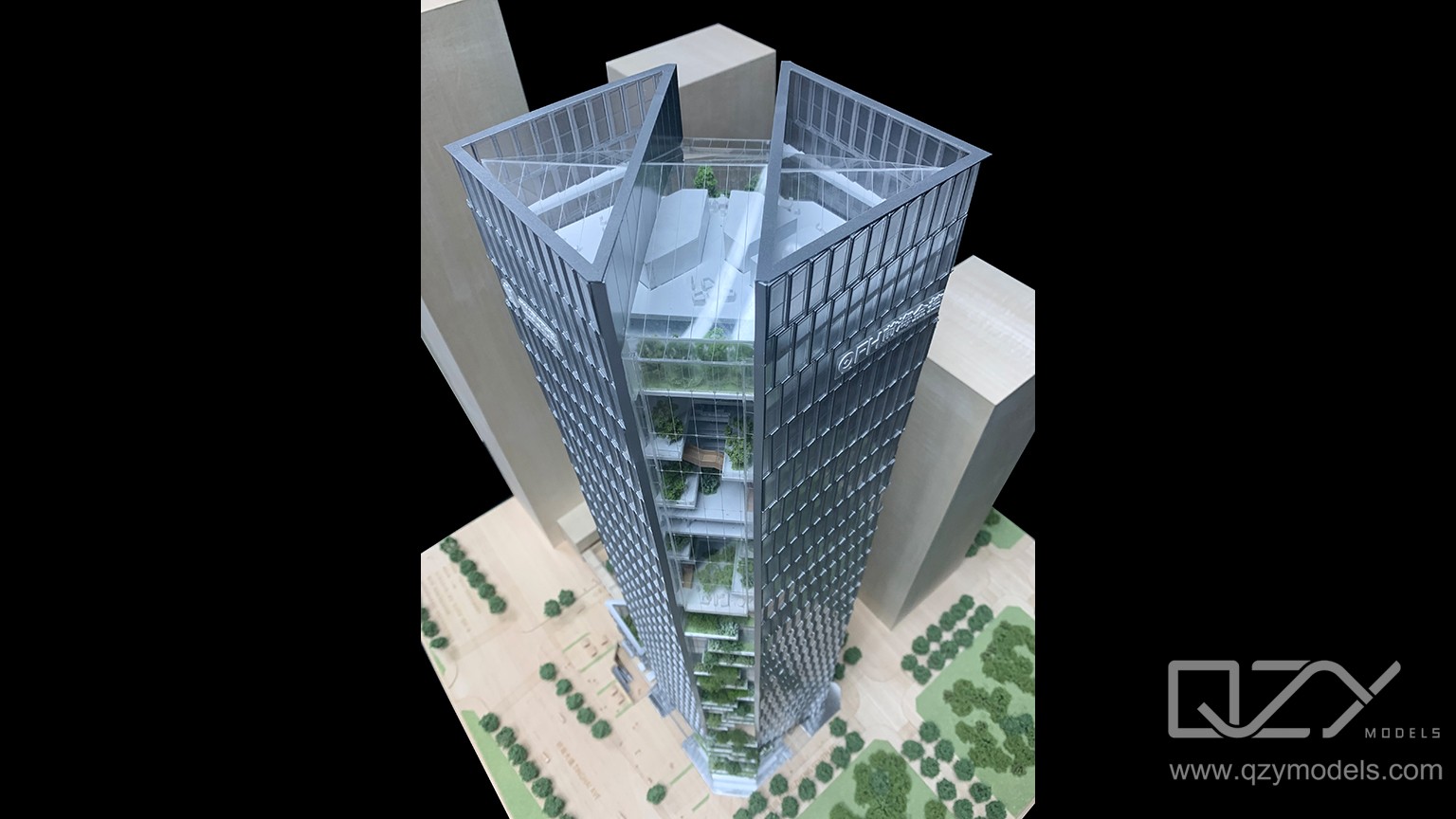
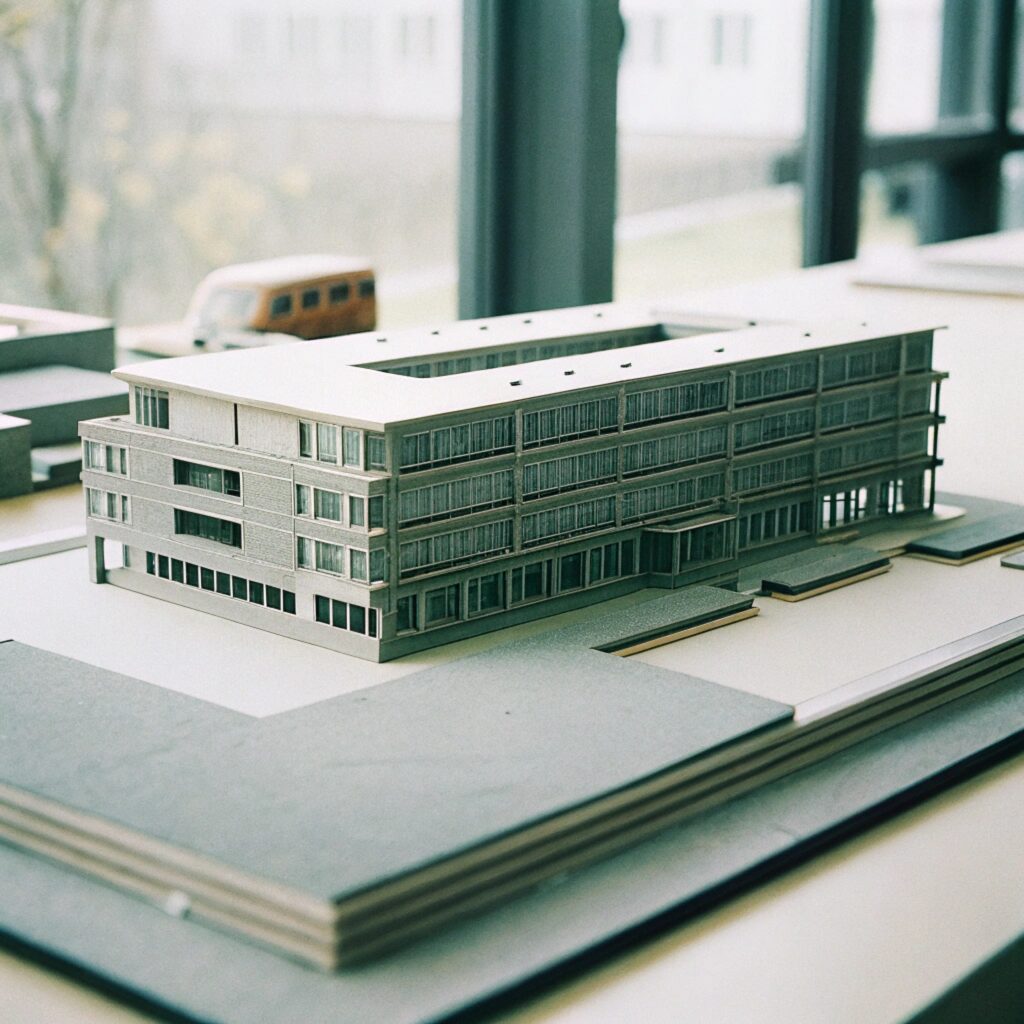
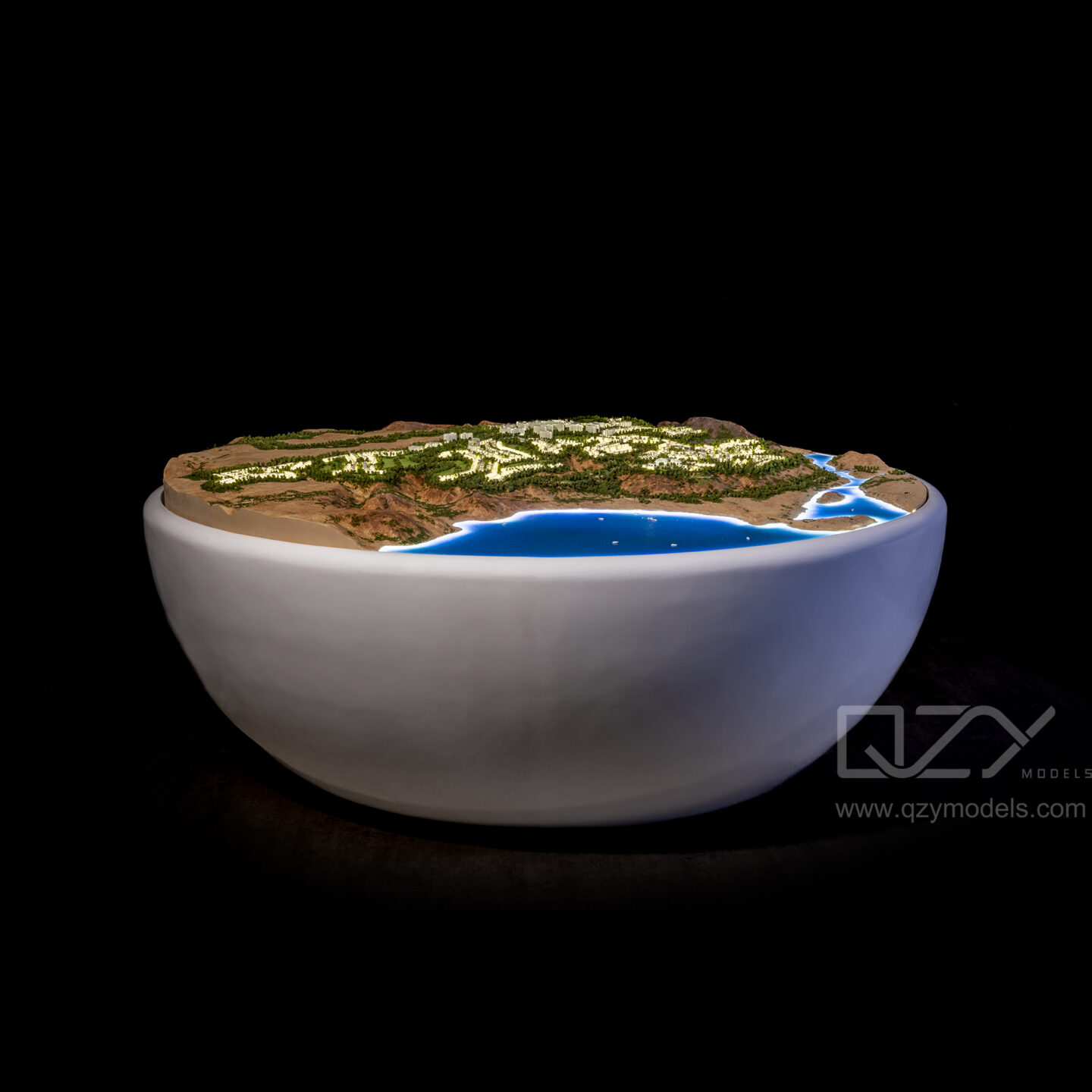
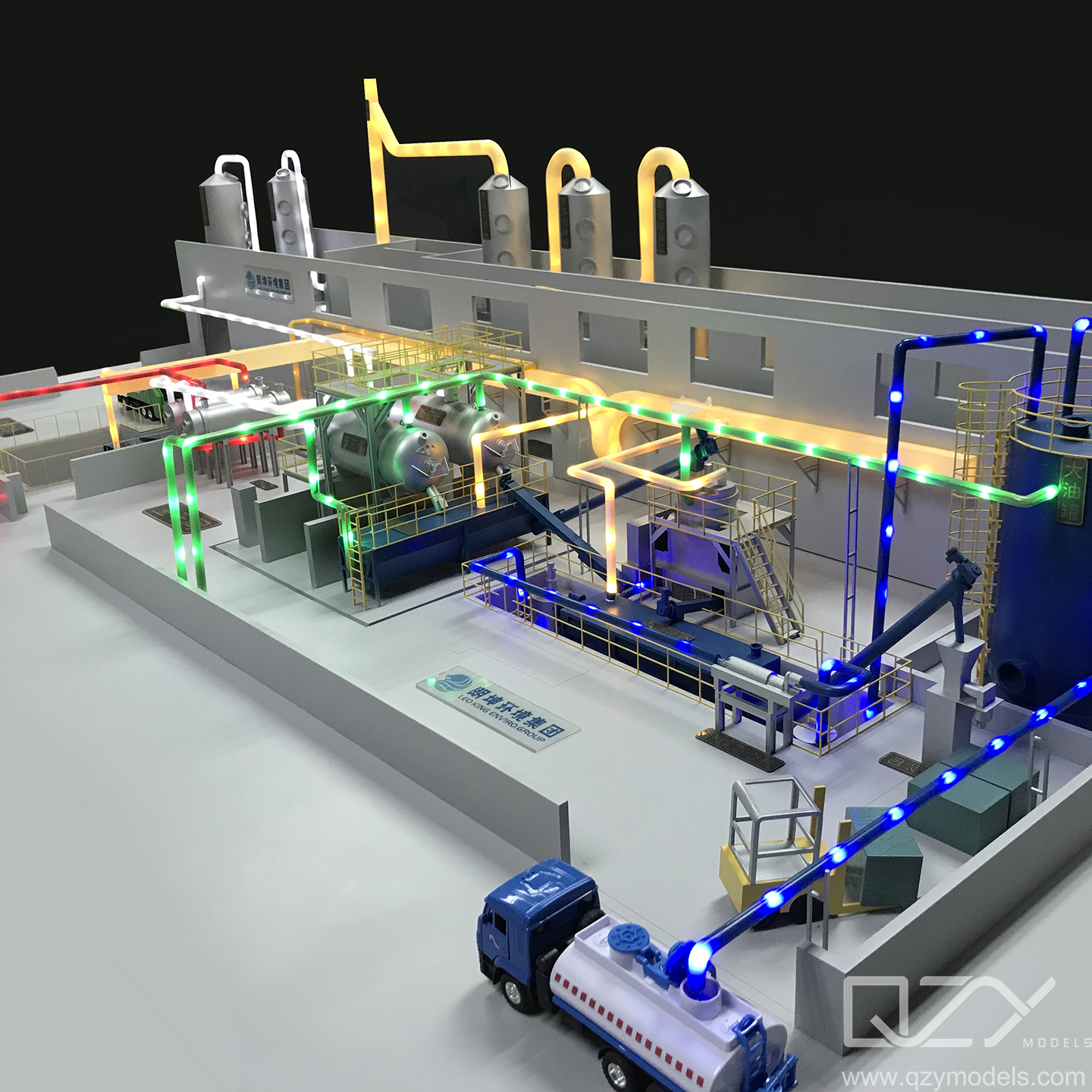
High-precision architectural model making is the detailed, accurate creation of scale physical models that faithfully reproduce architectural designs. It plays a crucial role in communicating complex design concepts, aiding decision-making, and enhancing client presentations by combining advanced technologies with expert craftsmanship to ensure exact proportions, fine detailing, and material authenticity.
How Does High-Precision Architectural Model Making Enhance Project Outcomes?
High-precision models offer architects and developers a reliable, tangible visualization, helping detect design inconsistencies and enabling thorough review before construction. Precise models improve client understanding, streamline approvals, and reduce costly revisions. They also enhance marketing by showcasing realistic representations that highlight design intent, materials, and spatial relationships effectively.
A carefully crafted model builds stakeholder confidence through clarity and aesthetic appeal.
What Technologies Are Used in High-Precision Architectural Model Making?
Key technologies include:
-
3D Printing (SLA, SLS): For producing intricate, detailed components with smooth finishes and dimensional accuracy.
-
Laser Cutting: Provides precise cutting and engraving for materials like acrylic, MDF, and foam, ideal for windows, facades, and structural elements.
-
CNC Milling: Used for accurate shaping and detailing of larger base structures or complex parts requiring superior dimensional control.
-
Digital Modeling Software (CAD, Rhino, SketchUp): Essential for preparing designs that translate seamlessly into physical forms, optimizing unitizing, seams, and assembly features.
These technologies work in synergy to produce detailed and consistent models at varying scales and complexities.
Which Materials Best Support High-Precision Architectural Models?
Materials are chosen to balance detail, durability, and appearance:
| Material | Characteristics | Best Applications | Considerations |
|---|---|---|---|
| Photopolymer Resin | Smooth, fine detail | Intricate, presentation parts | Fragile, requires careful handling |
| Acrylic | Transparent, modern look | Facades, windows | Prone to scratching |
| Basswood | Lightweight, natural texture | Structural elements | Susceptible to moisture |
| MDF | Stable, machinable | Bases, structural forms | Heavier, less water-resistant |
| Polystyrene | Durable, versatile | General model components | Lower detail compared to resin |
Expert selection of materials like those used at QZY Models ensures models meet aesthetic and functional demands precisely.
Why Is Skilled Craftsmanship Critical in High-Precision Architectural Model Making?
Even with advanced machinery, skilled craftsmanship is vital for assembly, surface finishing, quality control, and detailing that machines cannot replicate. Artisans apply nuanced painting, texture, and corrections ensuring every component fits perfectly and the final model achieves both visual and structural integrity.
QZY Models integrates expert human skill with digital precision to deliver impeccable models.
Who Typically Requests High-Precision Architectural Model Making Services?
Clients include architecture firms, real estate developers, urban planners, and design agencies worldwide requiring presentation and study models. Notable users include firms like Foster + Partners and developers such as Vanke, who rely on expert providers like QZY Models for competitive, high-fidelity architectural model solutions.
How Does QZY Models Ensure Excellence in High-Precision Architectural Model Making?
With over 20 years of expertise, QZY Models employs state-of-the-art 3D printing, laser cutting, and CNC machining combined with precise digital workflow coordination. Their global branches in Shenzhen, UAE, Saudi Arabia, and Egypt allow local logistics and quality control. Their process emphasizes customization, thorough quality checks, and collaborative client communication to meet exacting standards.
When Should Clients Involve High-Precision Architectural Model Makers?
Early involvement during design and development phases is recommended. This ensures models are integrated into project workflows, allowing sufficient time for material selection, prototyping, iteration, and delivery. Early collaboration reduces costly rework and optimizes presentation timing for approvals and marketing events.
What Are Common Challenges in High-Precision Architectural Model Making and How Are They Overcome?
Challenges include:
-
Managing fine-scale details without compromising structural stability
-
Ensuring dimensional accuracy across multiple components
-
Combining diverse materials seamlessly
-
Meeting tight project timelines
These are addressed through advanced CAD modeling strategies, modular design for ease of assembly, rigorous quality assurance, and skilled artisan finishing. QZY Models’ experience in complex projects helps proactively resolve such challenges.
QZY Models Expert Views
“High-precision architectural model making is where craftsmanship meets cutting-edge technology. At QZY Models, we fuse advanced fabrication techniques with meticulous artisanal skill to produce models that showcase designs with unparalleled accuracy and detail. Our collaborative approach ensures each model communicates the architect’s vision effectively, supporting important project decisions and client engagement.” – Richie Ren, Founder, QZY Models
Conclusion
High-precision architectural model making elevates architectural visualization by providing exact, detailed, and realistic physical representations. Combining leading technologies, premium materials, and expert craftsmanship—exemplified by QZY Models—ensures models that enhance design communication, reduce risk, and impress stakeholders. Early engagement, strategic planning, and attention to detail are essential for producing outstanding architectural models.
Frequently Asked Questions
Q: How accurate can high-precision architectural models be?
A: They can achieve sub-millimeter accuracy, faithfully representing scale, textures, and fine architectural details.
Q: Can technology fully automate architectural model making?
A: No, while 3D printing and laser cutting provide precision, skilled craftsmanship is essential for finishing, assembly, and aesthetic refinement.
Q: What factors influence material choice for precision models?
A: Considerations include model purpose, required detail, durability, visual appearance, and environmental display conditions.
Q: How long does it typically take to produce these models?
A: Production varies with complexity, generally ranging from several weeks to a few months.
Q: Does QZY Models offer international manufacturing and installation services?
A: Yes, QZY Models operates globally with multiple branches providing comprehensive manufacturing, delivery, and installation support.