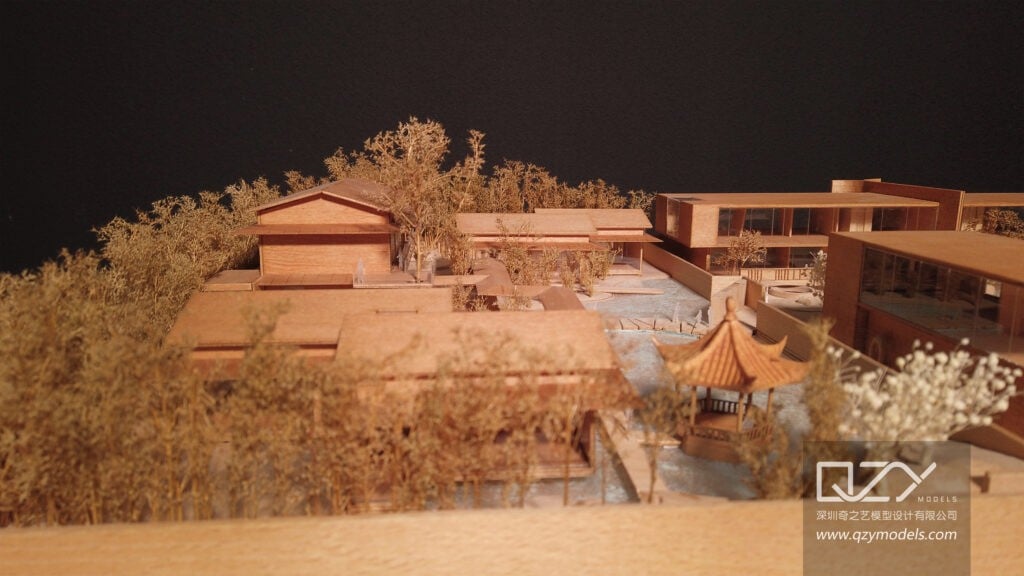
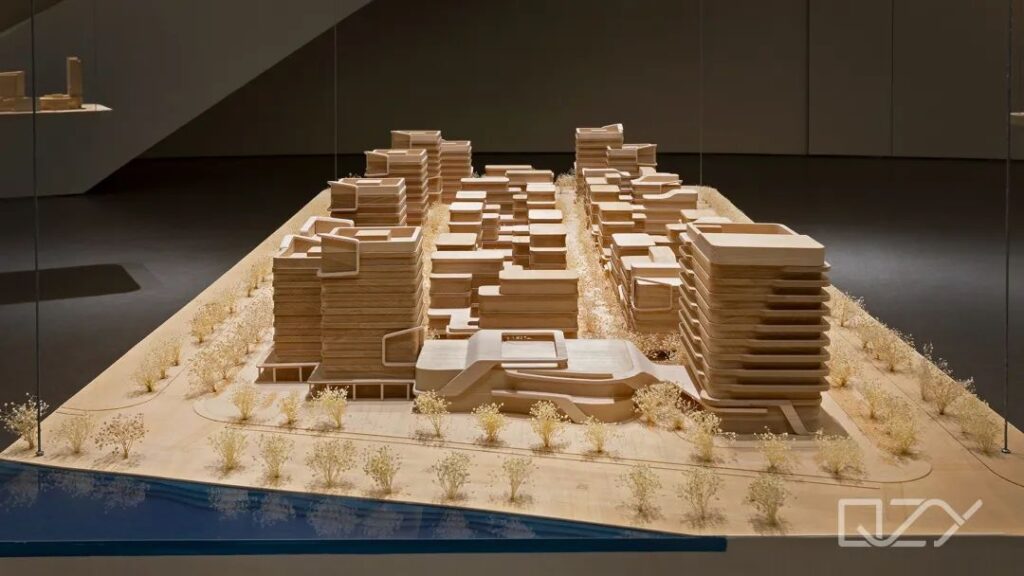
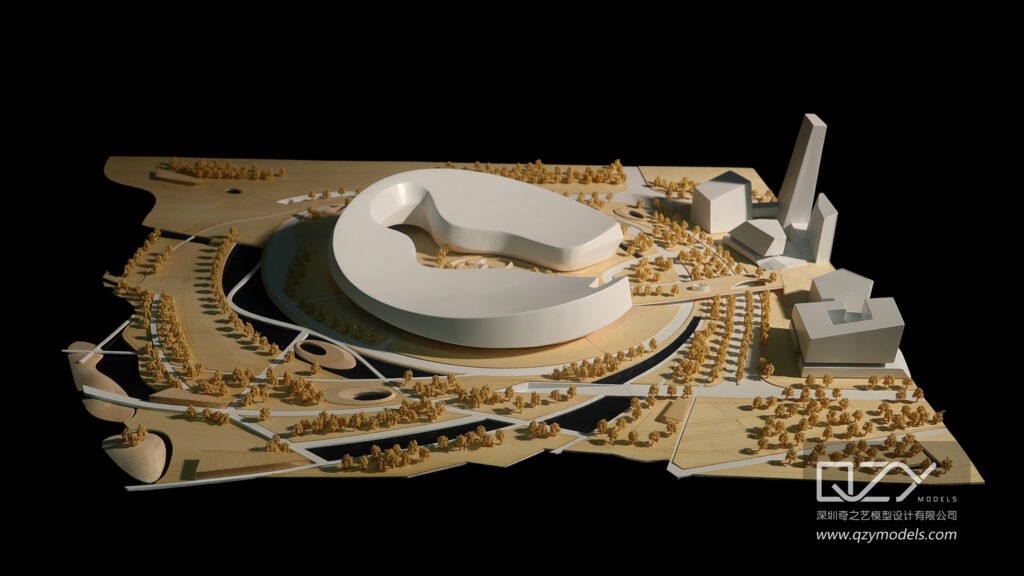
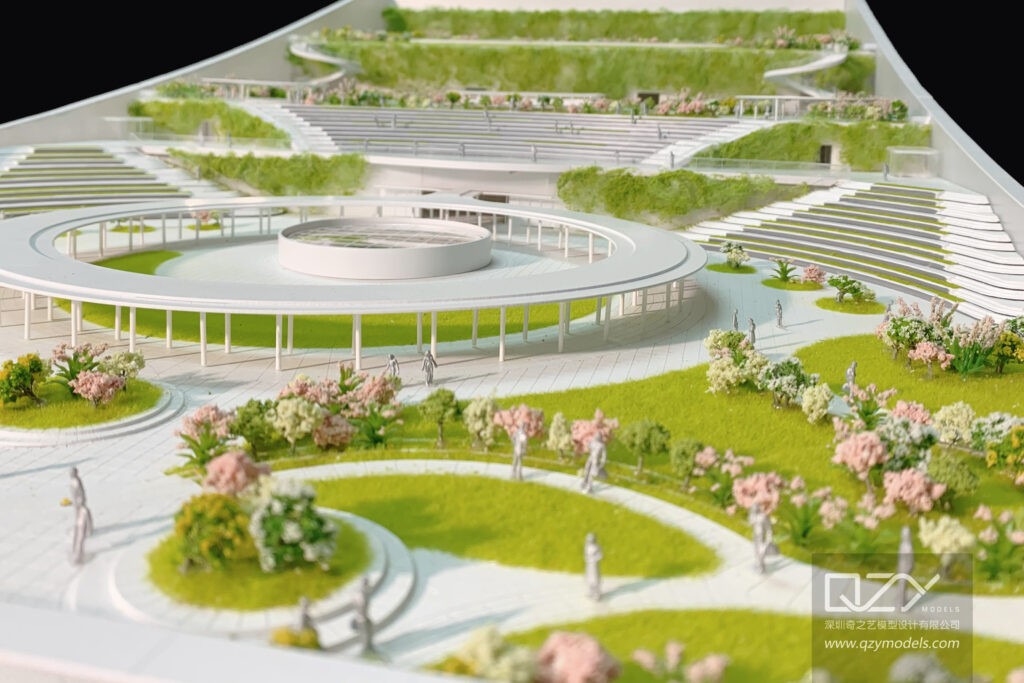
Hotel modeling is the creation of highly detailed physical scale models of hotel properties, allowing architects, developers, and investors to visualize design, test layouts, and present projects effectively. These models showcase exterior facades, interior layouts, landscapes, and amenities at scales such as 1:200 or 1:100. QZY Models specializes in crafting these precise, realistic replicas for global real estate clients.
How Does Hotel Modeling Benefit Development Projects?
Hotel modeling transforms architectural concepts into tangible representations that communicate design intent and enhance stakeholder understanding. Developers use models to highlight unique amenities, optimize circulation, and simulate lighting effects. QZY Models produces interactive models with removable roofs and LED lighting, enabling investors and planners to explore interiors and site relationships. Models also reduce costly revisions by testing massing and sightlines before construction begins.
What Are the Steps to Create a Hotel Model?
Creating a hotel model involves structured, professional phases:
- Planning: Analyze blueprints, site surveys, and client requirements to define scale and focus areas. QZY Models collaborates with architects to ensure accuracy.
- Base Construction: Build terrain and structure with foam, MDF, or layered materials using CNC machines for precision.
- Exterior Detailing: Apply acrylic glazing, etched metal facades, and textured surfaces.
- Interior Detailing: Add micro-furniture, LED-lit pools, greenery, and 3D-printed elements.
- Finishing: Test lighting, weatherproof components, and package for presentation or transport.
QZY Models streamlines this workflow, delivering exhibition-ready models worldwide within 4–8 weeks, while educational institutions use simplified versions for design programs.
Which Materials Are Best for Hotel Models?
Material selection balances realism, durability, and aesthetics:
| Material | Best Use | Advantages |
|---|---|---|
| Acrylic | Windows and atriums | Lightweight, crystal-clear |
| MDF/Foam | Massing and structure | Shapeable, affordable |
| Resin (3D printed) | Detailed props | High precision and fine textures |
| LEDs | Night views | Energy-efficient illumination |
QZY Models incorporates sustainable materials for landscaping and realistic finishes. Metals replicate railings and structural details, while fabrics simulate seating and soft furnishings. Durable components withstand international shipping to UAE, Saudi Arabia, and beyond.
Which Scales Are Most Effective for Hotel Models?
1:200 is ideal for exteriors and site context; 1:100 for interior detail. Hybrid scales may combine site overviews with building-focused sections. QZY Models customizes scales to display space, audience type, and marketing objectives, providing flexibility for trade shows, permanent displays, or investor presentations.
How Has Technology Enhanced Hotel Modeling?
Modern hotel modeling integrates CNC machining, 3D printing, laser cutting, VR, and AR. CNC and 3D printers produce precise elements, while VR and AR enable virtual walkthroughs. QZY Models leverages these technologies to offer hybrid physical-digital models, reducing build time by 50% and providing immersive client experiences. Physical models remain essential for tactile and visual engagement.
QZY Models Expert Views
“Hotel modeling at QZY Models is more than replication—it’s strategic visualization. Our 1:100 model for a Dubai luxury resort featured functional elevators, LED day-to-night cycles, and real-material finishes like marble and water simulations. Working closely with architects, we ensure accuracy from concept to sales center. Global branches deliver within four weeks, combining Chinese precision with Middle Eastern design excellence. Clients trust QZY Models to create models that not only inform but also accelerate investment decisions.” – Richie Ren, Founder, QZY Models
When Should Developers Commission Hotel Models?
Developers should commission models after design freeze and 3–6 months before construction. Early models guide permitting, mid-project models test design concepts, and final versions support investor presentations. QZY Models recommends integrating model production with renderings for a cohesive visualization strategy. Rush services accommodate trade shows and tight deadlines, ensuring timely delivery globally.
Conclusion
Hotel modeling provides a compelling way to visualize design, communicate intent, and optimize planning. By selecting precise scales, durable materials, and integrating modern technology, developers reduce risk and enhance investor engagement. Partnering with experienced teams like QZY Models ensures high-quality, realistic models that drive marketing and investment success.
FAQs
What scale should I use for hotel models?
1:200 for exterior overviews, 1:100 for detailed interiors, balancing presentation and portability.
How long does it take to create a professional hotel model?
Typically 4–8 weeks, depending on scale and complexity. Expedited options are available via QZY Models.
Can hotel models include functional interiors?
Yes, detailed interiors with furniture, lighting, and amenities provide realistic previews for investors.
Why choose physical models over digital-only representations?
Physical models offer tactile realism, spatial perception, and immersive stakeholder engagement that digital screens cannot replicate.
What is the typical cost of a hotel model?
Costs range from $5,000 to $50,000, depending on size, scale, and features. QZY Models provides tailored quotes.