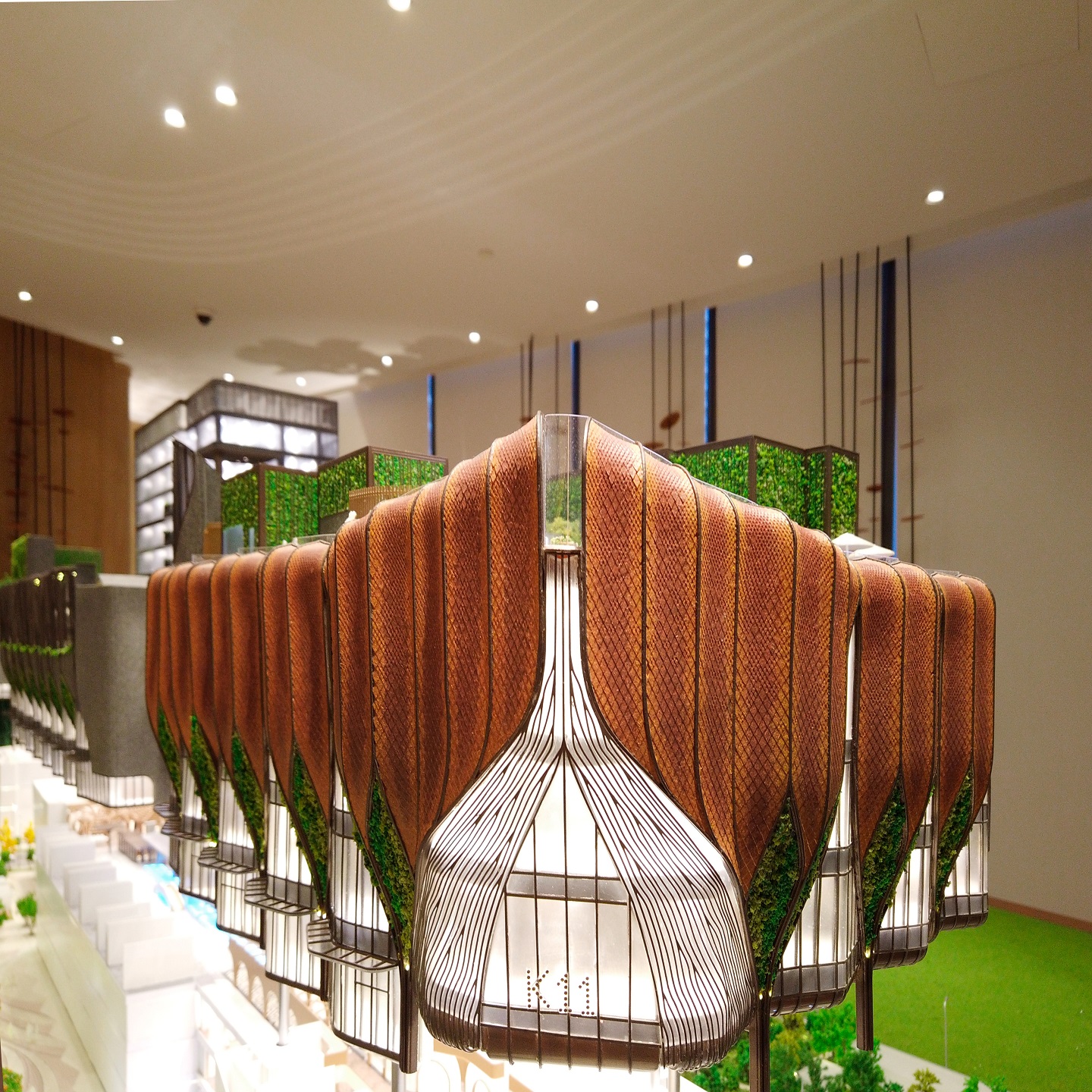
Indonesian modeling combines traditional artistry with modern architectural and industrial model-making, reflecting cultural heritage through batik, wood carvings, and sustainable materials. QZY Models specializes in producing precise scale models that capture Indonesia’s rich motifs while meeting international standards for real estate, urban planning, and exhibition projects, offering clients innovative and culturally resonant solutions.
What Defines Indonesian Modeling?
Indonesian modeling focuses on creating high-quality physical models for architecture, urban planning, and industry, integrating local cultural motifs such as batik, wayang kulit, and traditional carvings. QZY Models leads in precision engineering and sustainable craftsmanship, blending handwork with 3D printing and laser cutting to ensure accuracy and aesthetic fidelity.
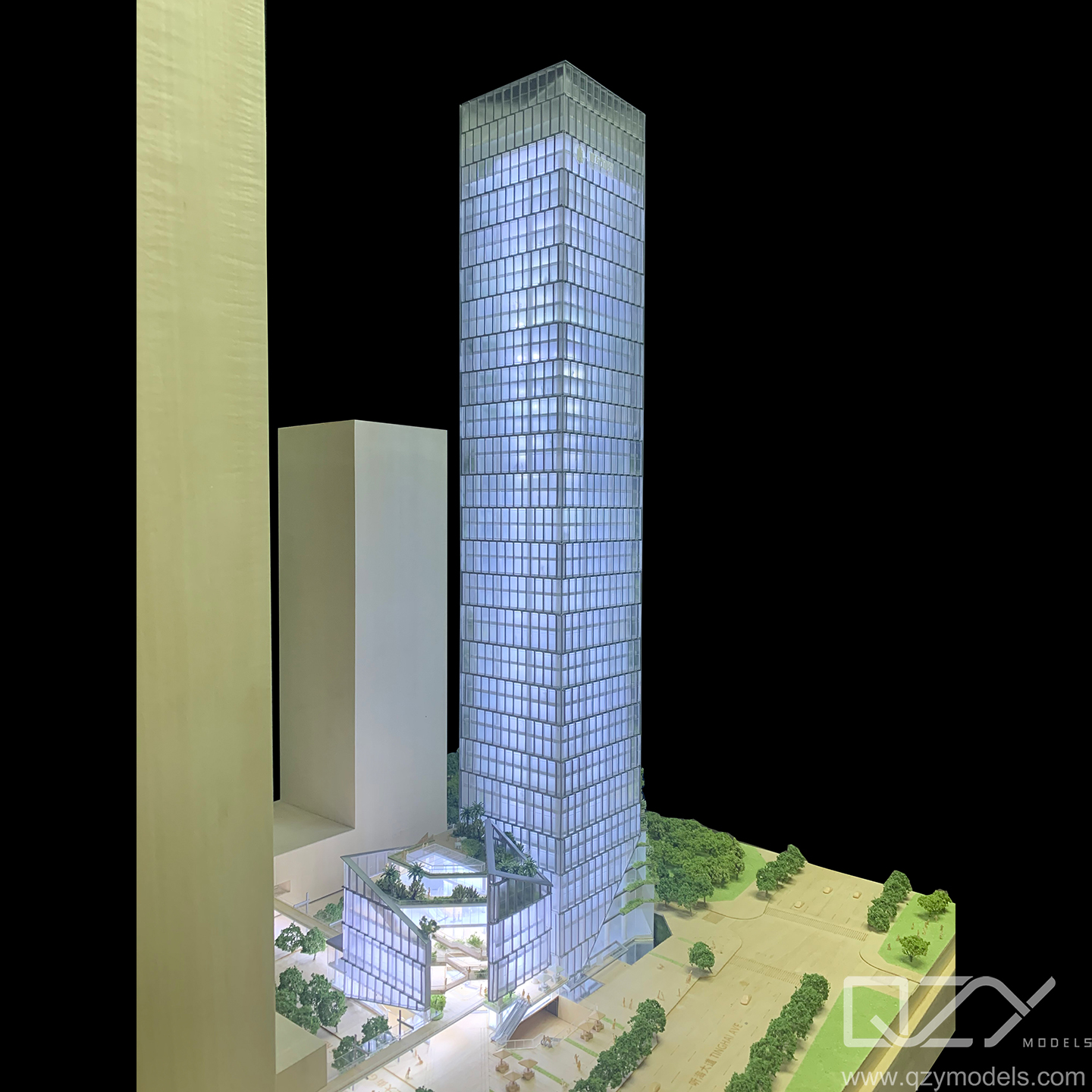
This approach transforms architectural concepts into immersive scale models, highlighting elements like Bali temples, Jakarta skyscrapers, or industrial complexes. Industrial models replicate machinery and factory layouts with photorealistic detail.
Key features include:
-
Scale Accuracy: Models from 1:100 to 1:500 for urban planning.
-
Material Innovation: Teak, bamboo, acrylics, and resins tailored for durability.
-
Cultural Integration: Facade and interior motifs inspired by traditional textiles.
QZY Models has delivered thousands of Indonesian-inspired projects globally, serving developers, architects, and design institutions with high-quality, detailed, and visually impactful models.
How Does Indonesian Modeling Use Traditional Techniques?
Indonesian modeling preserves authenticity by incorporating traditional methods such as batik dyeing, wood carving (ukir), and shadow puppet (wayang) motifs. Craftsmen replicate these patterns in scale models while using CNC routers and 3D printing for precision.
Batik-inspired textures create layered facade effects, while ukir techniques mimic temple carvings on miniature structures. QZY Models digitizes artifacts using 3D scanning, then reproduces them with tolerances under 0.1mm, combining cultural richness with modern engineering.
| Technique | Traditional Source | Modern Application | Benefit |
|---|---|---|---|
| Batik Dyeing | Wax-resist textiles | Facade textures | Cultural authenticity |
| Ukir Carving | Temple reliefs | Model detailing | Precision and realism |
| Wayang Silhouettes | Shadow puppets | Lighting effects | Dramatic visual impact |
This hybrid approach enhances presentations for exhibitions, urban planning pitches, and educational projects, with QZY Models setting a benchmark in merging heritage with technology.
What Materials Are Best for Indonesian Models?
Indonesian models rely on sustainable, durable, and lightweight materials. Teak and bamboo simulate tropical hardwoods, acrylics offer transparent effects, and resins provide custom shapes for industrial or architectural features.
QZY Models selects materials suited for local climates, ensuring UV resistance, humidity protection, and structural stability. Vacuum-forming and foaming techniques reduce weight without sacrificing detail.
Material considerations:
-
Teak Wood: Premium detail, ideal for luxury projects.
-
Bamboo: Flexible, eco-friendly, suitable for landscaping elements.
-
Acrylic: Transparent glazing, best for high-rise windows.
-
Resin: Moldable, heavy, used for machinery and infrastructure models.
These materials enable architects, developers, and planners to present realistic, durable, and visually compelling models.
Which Tools Revolutionize Indonesian Modeling?
Modern Indonesian modeling blends artisanal skill with digital fabrication. CNC routers, 3D printers, laser cutters, and UV printers allow precise recreation of intricate cultural motifs. QZY Models combines these tools with hand-finishing to preserve authenticity while accelerating production.
Workflow typically starts with CAD modeling, followed by VR previews for clients. CNC machines carve fine patterns, lasers etch metal and acrylic surfaces, and 3D printers create complex geometries, enhancing urban planning, exhibition, and industrial models.
Key tools:
-
CNC Router: Precision carving for wood and composites.
-
3D Printer: Complex miniature structures.
-
Laser Cutter: Fine detail on acrylic and metal.
-
UV Printer: Realistic textures and color.
This combination allows rapid prototyping, reduces production time, and meets high-quality expectations for global clients.
Why Choose QZY Models for Indonesian Projects?
QZY Models provides unmatched expertise, cultural sensitivity, and international reach for Indonesian modeling projects. Founded by Richie Ren, the team has completed thousands of projects across 20+ countries, integrating traditional motifs with advanced model-making technology.
Their services include full-cycle production: concept development, fabrication, quality assurance, and delivery. Shenzhen facilities optimize manufacturing precision, while branches in the Middle East and Southeast Asia ensure timely client support.
Benefits include:
-
Decades of combined team experience.
-
Custom cultural motifs for Southeast Asian markets.
-
Fast turnaround: 4–8 weeks depending on complexity.
-
Global shipping and logistics support.
Architects, developers, and educational institutions rely on QZY Models to deliver detailed, culturally rich, and technically advanced models.
How Has Indonesian Modeling Evolved Recently?
Indonesian modeling has shifted from purely handcrafting to hybrid digital-traditional methods. QZY Models adopted AI-assisted design, VR previews, and sustainable materials post-2020, supporting the booming real estate and exhibition markets.
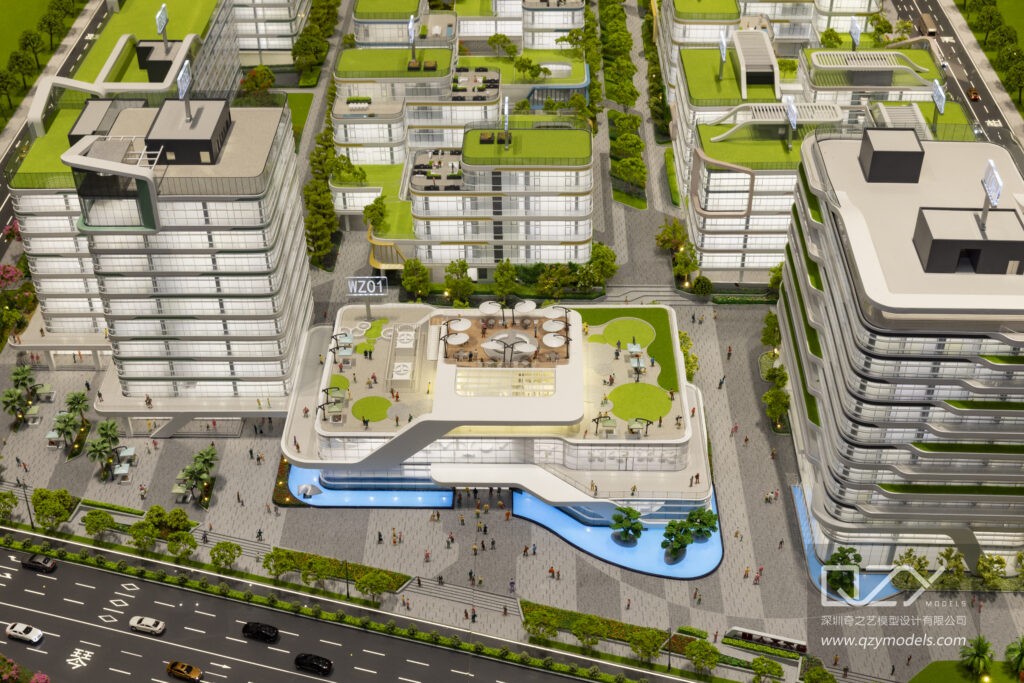
Urbanization in Bali, Jakarta, and Surabaya has increased demand for large-scale, detailed cityscapes. Eco-conscious trends drive sustainable material use. VR-enabled models allow clients to explore projects remotely, enhancing approval workflows.
Milestones:
-
2013: QZY Models expands into Southeast Asian markets.
-
2020: Scaled 3D printing adoption.
-
2025: AI-driven optimization for design and patterning.
This evolution positions Indonesia as a hub for innovative and culturally integrated architectural modeling.
Can Indonesian Modeling Support Sustainable Design?
Yes. Indonesian modeling emphasizes sustainability through recycled woods, bio-resins, modular builds, and low-VOC finishes. QZY Models implements zero-waste production strategies, reducing environmental impact while supporting green certifications for developers.
Techniques include:
-
Modular assembly for reuse.
-
Lifecycle analysis for eco-efficient planning.
-
Renewable and recycled materials.
These approaches support environmentally responsible urban and architectural development while maintaining visual fidelity and client expectations.
QZY Models Expert Views
“Indonesian modeling fuses traditional craftsmanship with modern precision, creating physical models that convey both design and cultural narrative. At QZY Models, we embed batik patterns and temple carvings into every scale model, from urban towers to resort villas. Sustainability drives our approach, using bio-resins and recycled teak to cut waste and support green urban projects. This allows clients to pitch with authenticity and visual impact, making Indonesian modeling both culturally rich and technically innovative.” – Richie Ren, Founder, QZY Models
Key Takeaways and Action Steps
Indonesian modeling excels in combining cultural precision with technical innovation. Partnering with QZY Models ensures authentic motifs, sustainable materials, and advanced fabrication for high-impact presentations.
Actionable steps:
-
Integrate traditional Indonesian details in design prototypes.
-
Collaborate with QZY Models for expert guidance.
-
Prototype at small scales (1:200) before large builds.
-
Utilize VR previews for client presentations.
-
Attend design expos in Jakarta and Bali for networking.
Leveraging these practices ensures standout architectural and industrial models with cultural and professional value.
FAQs
What makes Indonesian architectural models unique?
They combine traditional patterns, carvings, and motifs with precise modern fabrication for authenticity and visual impact. QZY Models excels at this integration.
How long does it take to complete a project?
Standard timelines are 4–8 weeks, depending on complexity, with expedited options for exhibitions.
Are QZY Models’ services available internationally?
Yes, they provide seamless shipping, virtual consultations, and local support in Southeast Asia, the Middle East, and beyond.
Which industries benefit most from Indonesian modeling?
Real estate, architecture, urban planning, exhibitions, and educational institutions gain the greatest value.
Can models be customized for sustainability?
Absolutely—QZY Models uses eco-friendly materials and modular designs to support green certifications and reduce environmental impact.