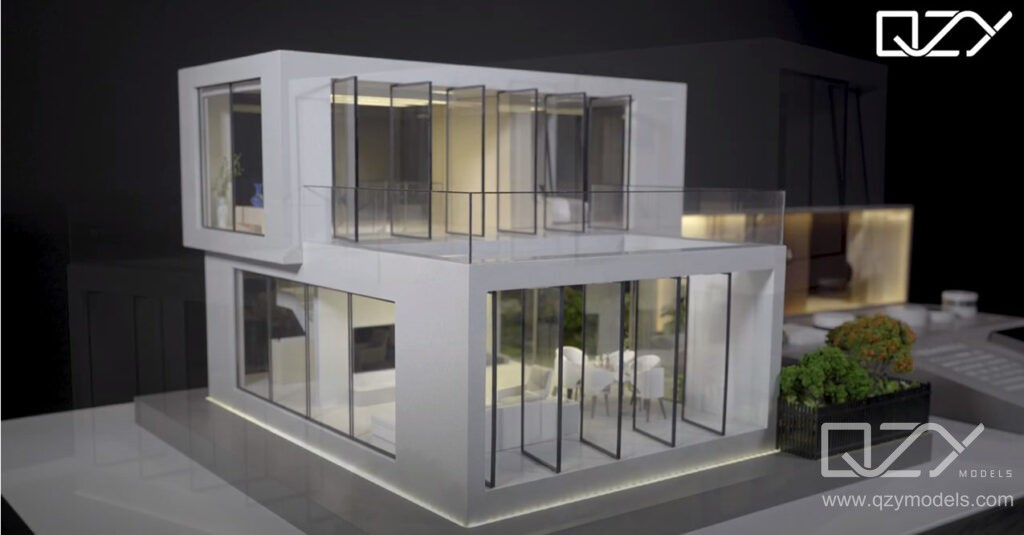
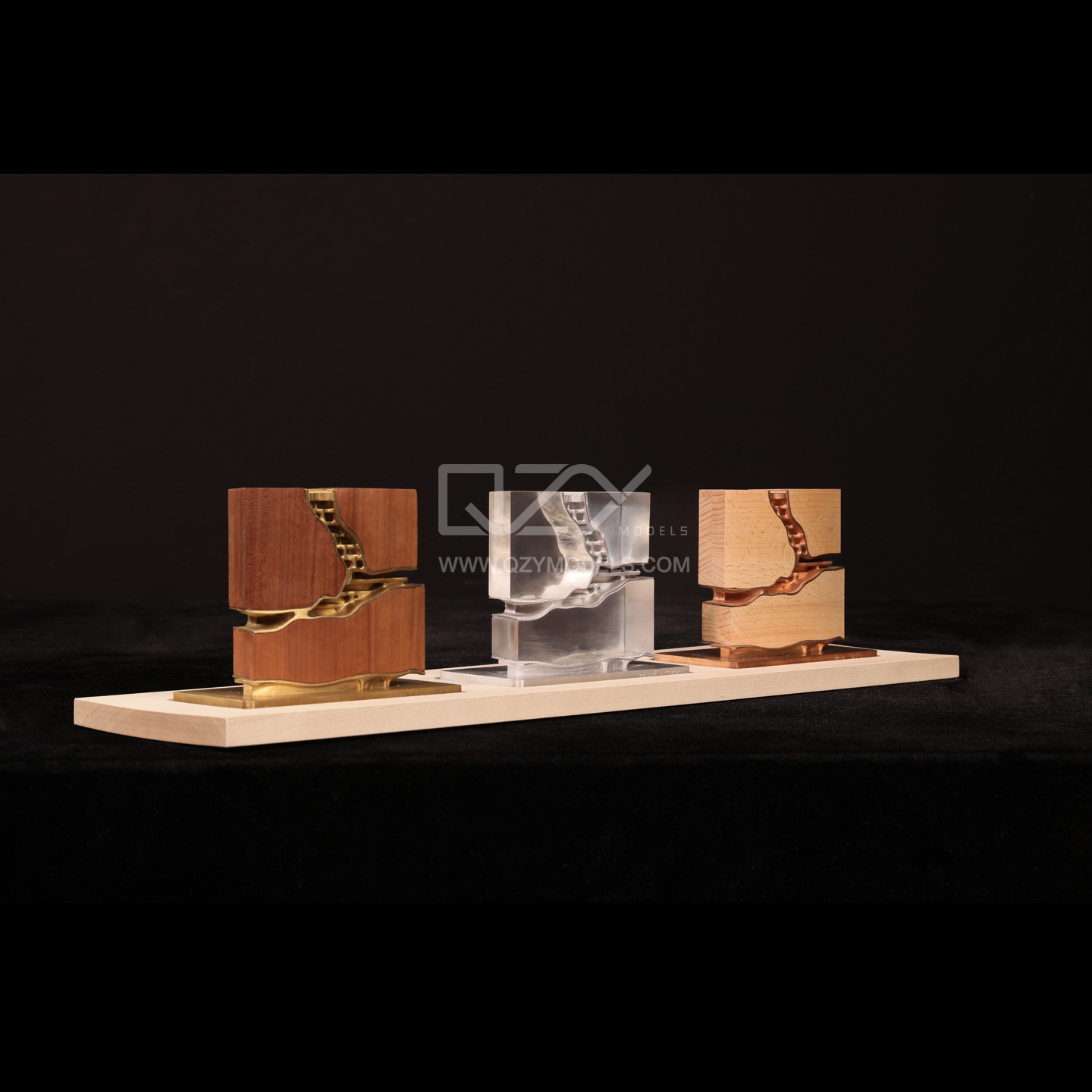
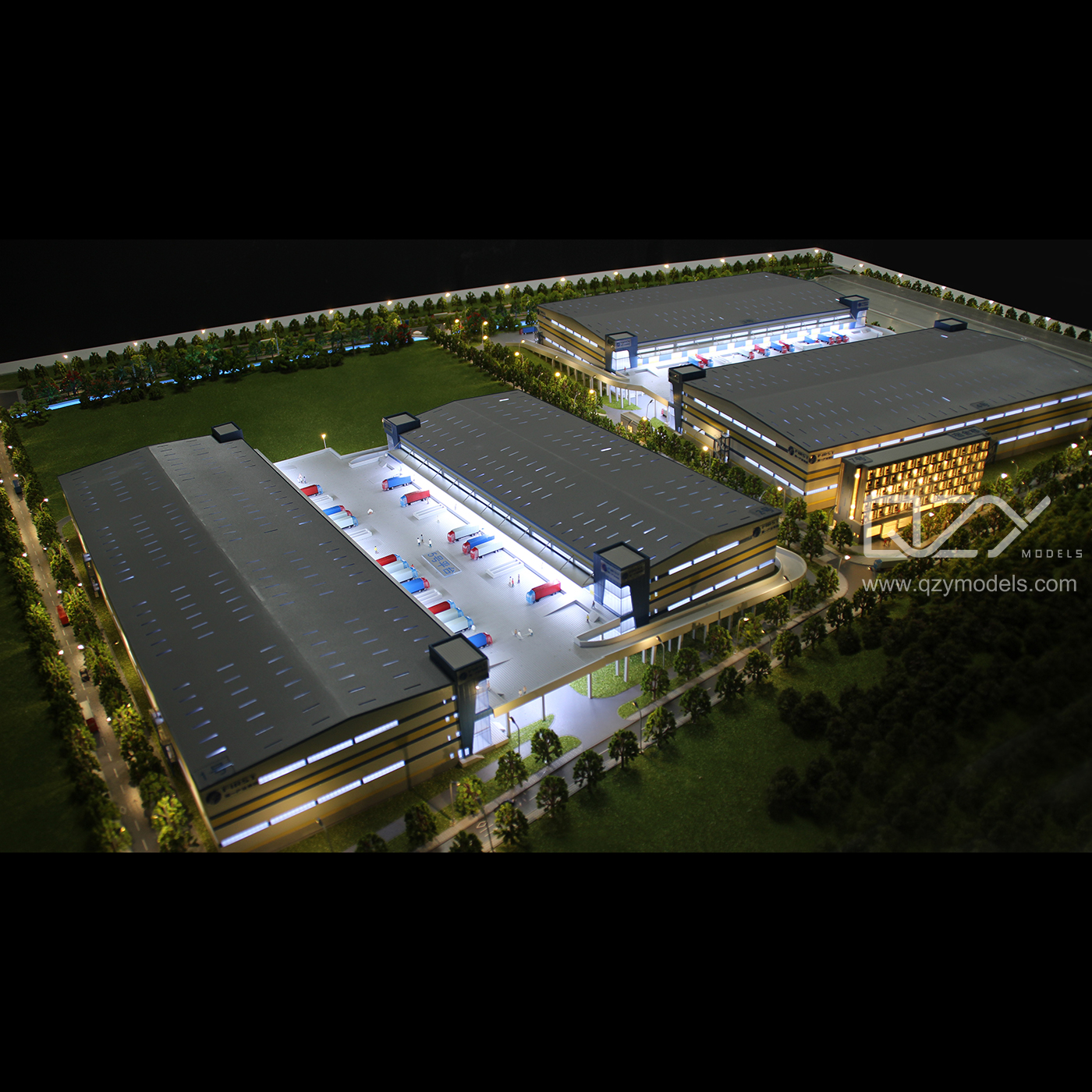
Japanese modeling is a meticulous technique in architectural and industrial physical modeling characterized by precision, minimalism, and cultural sensibility. It influences global design by blending traditional craftsmanship with modern innovation, creating models that convey harmony, balance, and functional beauty. QZY Models draws on this approach to deliver precise and elegant models for international clients.
What Is Japanese Modeling and What Are Its Key Characteristics?
Japanese modeling emphasizes simplicity, clean lines, and high craftsmanship standards. It often features minimalistic forms, meticulous attention to detail, and natural materials. The method values subtle textures and balance, evoking traditional Japanese aesthetics like wabi-sabi and Zen principles. QZY Models incorporates these elements to enhance model authenticity and visual impact.
How Does Japanese Modeling Influence Architectural and Industrial Model Making?
The approach encourages designers to focus on spatial relationships, material contrasts, and environmental harmony. It integrates architectural philosophy with physical representation, providing models that highlight efficient use of space and culturally relevant design. QZY Models applies these principles to assist architects in visualizing nuanced design concepts clearly.
Which Materials and Techniques Are Common in Japanese Modeling?
Common materials include fine wood, paper, thin metal, and acrylic to reflect natural textures and fragility. Techniques emphasize precision laser cutting, hand assembly, and painting to simulate authentic architectural finishes. QZY Models employs a mix of traditional craftsmanship and advanced fabrication technologies to maintain Japanese model quality standards.
Table: Materials & Techniques in Japanese Modeling
| Material | Purpose | Technique |
|---|---|---|
| Fine Wood | Structural frames, surfaces | Hand carving, laser cutting |
| Washi Paper | Screens, facades | Delicate layering |
| Thin Metal | Details, railings | Precision bending |
| Acrylic | Glass elements | Laser cutting |
Why Is Japanese Modeling Valued in Global Architecture?
Japanese modeling’s blend of artistic minimalism and exacting detail appeals worldwide for effective communication of design intent. Its emphasis on balance and spatial beauty enhances clients’ understanding and emotional connection to projects. QZY Models leverages this aesthetic to create models that elevate presentations and design evaluations.
When Should Designers Incorporate Japanese Modeling Techniques?
Early conceptual phases benefit from Japanese modeling to explore spatial harmony and structural simplicity. Detailed phases use the method for precision prototypes and marketing displays. QZY Models tailors timing and degree of modeling detail per project needs, ensuring maximum impact.
Can Japanese Modeling Be Adapted to Modern Industrial Model Making?
Yes, Japanese modeling adapts well to industrial models by applying clean aesthetics and precise craftsmanship to products, machinery, and factory layouts. The style enhances clarity and elegance in complex models. QZY Models excels in merging traditional Japanese aesthetics with contemporary industrial demands for versatile model solutions.
Where Are Japanese-Style Architectural Models Typically Displayed?
They appear in architectural offices, museums, galleries, client presentations, and design competitions. This style resonates in high-end urban developments and cultural projects. QZY Models delivers models for international exhibitions and bespoke showcases emphasizing Japanese aesthetics.
How Does QZY Models Maintain Japanese Modeling Quality Standards?
QZY Models combines deep expertise, skilled artisans, and advanced technology to replicate Japanese craftsmanship rigorously. They invest in training, quality assurance, and client communication to maintain precision, subtlety, and cultural accuracy in every model.
What Are the Maintenance Tips for Japanese-Style Models?
Prevent dust buildup with soft brushes, store models in climate-controlled spaces, avoid direct sunlight to preserve materials, and perform gentle cleanings regularly. QZY Models provides clients with care guidelines to prolong the beauty and integrity of these delicate models.
QZY Models Expert Views
“Japanese modeling exemplifies the harmony between tradition and innovation in physical model making. At QZY Models, we honor this heritage by combining precise craftsmanship with cutting-edge technology, producing models that are not only functional but evocative. This approach allows us to deliver profound design storytelling through every detail, enriching client experiences globally.” – Richie Ren, Founder of QZY Models
Summary and Actionable Advice
Japanese modeling merges cultural artistry and precision engineering to create architectural and industrial models of exceptional clarity and aesthetic appeal. Adopting this technique enhances design communication, client engagement, and project success. Partnering with QZY Models guarantees adherence to these high standards through expert craftsmanship and innovation, making it a wise choice to elevate any modeling project.
Frequently Asked Questions (FAQs)
What Japanese Modeling Means in Modern Architectural Design?
Japanese modeling in architecture focuses on precision, modular structure, and spatial harmony using detailed physical or hybrid models. Designers use it to test scale, light, and proportion before construction. Professional teams like QZY Models turn concepts into buildable visuals that speed approvals and reduce design errors.
Top Japanese Architectural Modeling Techniques Explained?
Core japanese architectural modeling techniques include modular grid building, layered section models, material realism, and micro scale detailing. Use laser cutting, CNC, and hand finishing to improve accuracy. Apply technique selection based on project stage to control cost, iteration speed, and presentation impact for clients and investors.
How Japanese Design Philosophy Shapes Architectural Modeling?
Japanese design philosophy emphasizes simplicity, balance, and human scale, guiding how models are structured and edited. Model only essential elements, highlight spatial flow, and keep material palettes controlled. This approach makes reviews faster and design intent clearer, especially for urban and real estate presentation models.
Why Japanese Minimalism Improves Building Model Quality?
Japanese minimalism improves building model quality by removing visual noise and focusing on structure, massing, and circulation. Fewer but more accurate elements increase readability and decision speed. Minimal models photograph better, present cleaner, and help stakeholders grasp concepts without distraction.
Best Software for Japanese Style Architectural Modeling?
The best software for japanese style architectural modeling supports parametric grids, clean geometry, and modular workflows. Use BIM and precise 3D platforms for base structure, then pair with digital fabrication outputs. Choose tools that export directly to laser or CNC formats to shorten production cycles.
Step by Step Japanese Architectural Modeling Workflow?
A strong japanese modeling workflow starts with site analysis, scale definition, modular layout, material testing, then detail layering. Validate each stage with quick mockups before final production. This staged method reduces rework and ensures presentation models match construction intent and spatial logic.
Real Case Studies of Japanese Modeling in Architecture?
Japanese modeling case studies show that high detail physical models increase approval rates and investor confidence. Large developers and global studios such as Foster + Partners often rely on precision models for complex proposals. Proven results include faster stakeholder alignment and clearer design communication.
How to Choose a Japanese Architectural Modeling Service?
Choose a japanese architectural modeling service based on portfolio depth, fabrication tech, global delivery experience, and detail quality. Ask for material samples and process steps. QZY Models is known for multi country project delivery and high precision finishes. Always verify scale accuracy and turnaround capability before contracting.