Mass modeling in architecture is the conceptual approach of shaping building volumes and spatial forms to study size, proportion, and relationships before detailed design begins. It allows architects and planners to explore 3D composition, optimize layouts, and assess urban fit efficiently. Essential in early-stage planning, mass modeling bridges design ideas with practical visualization for informed architectural decision-making.
How Is Mass Modeling Used in Architectural Design?
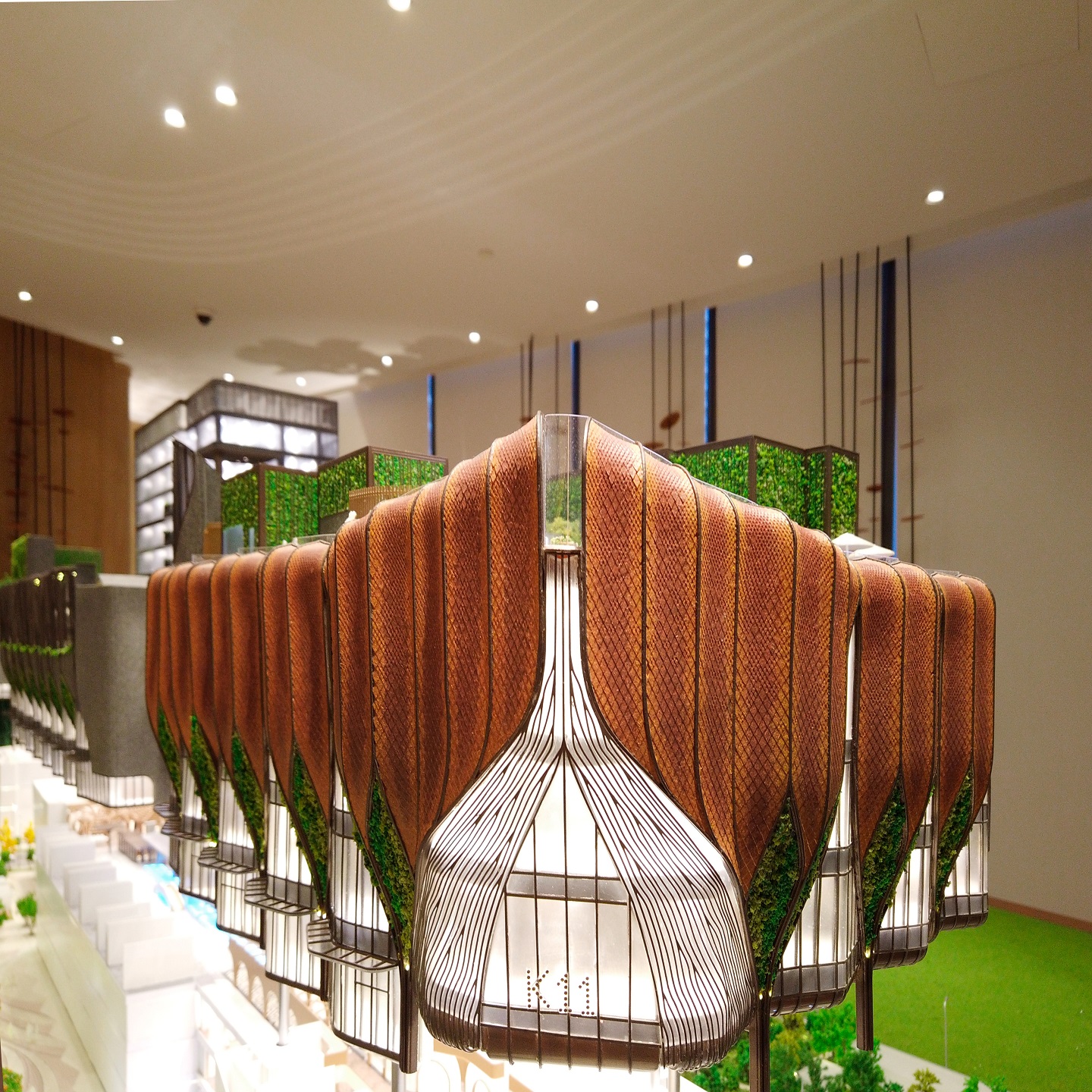
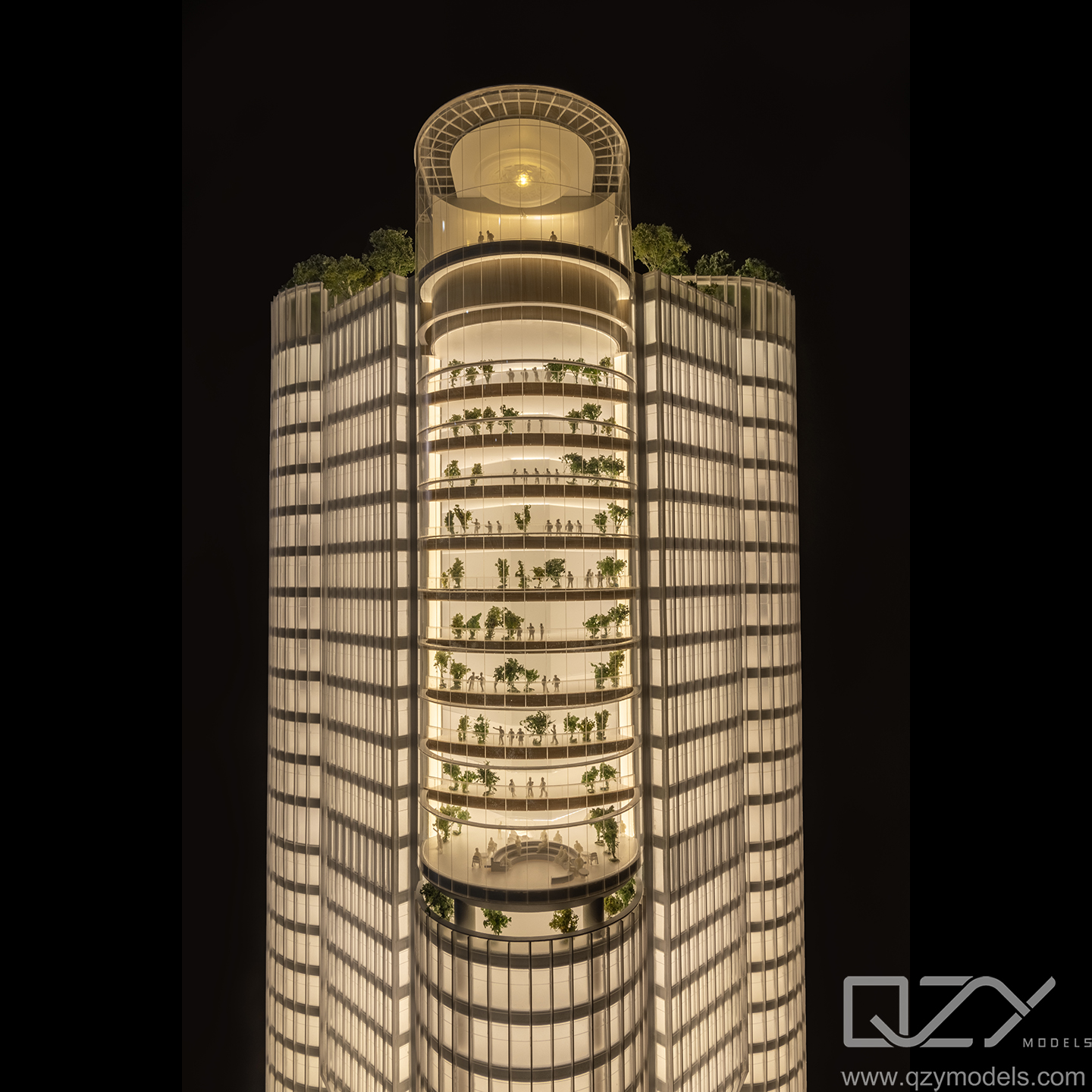
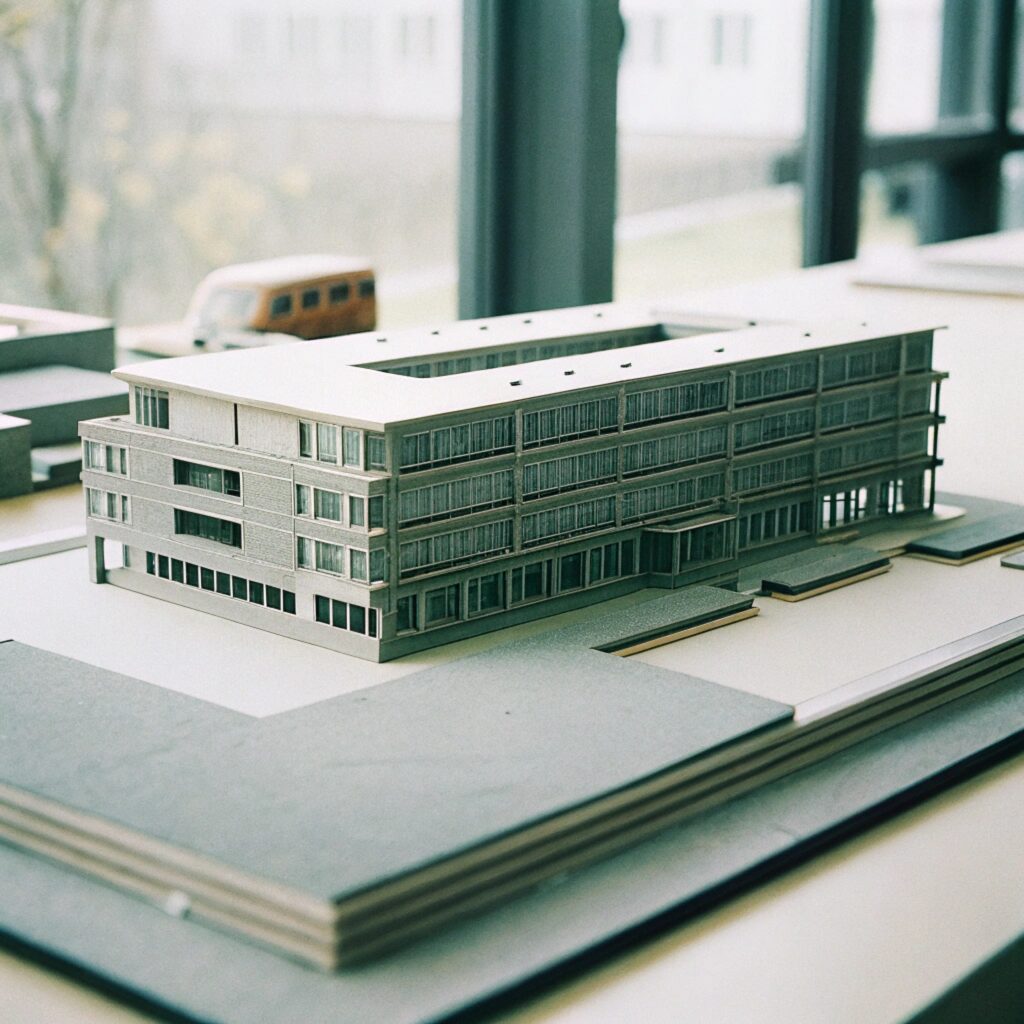
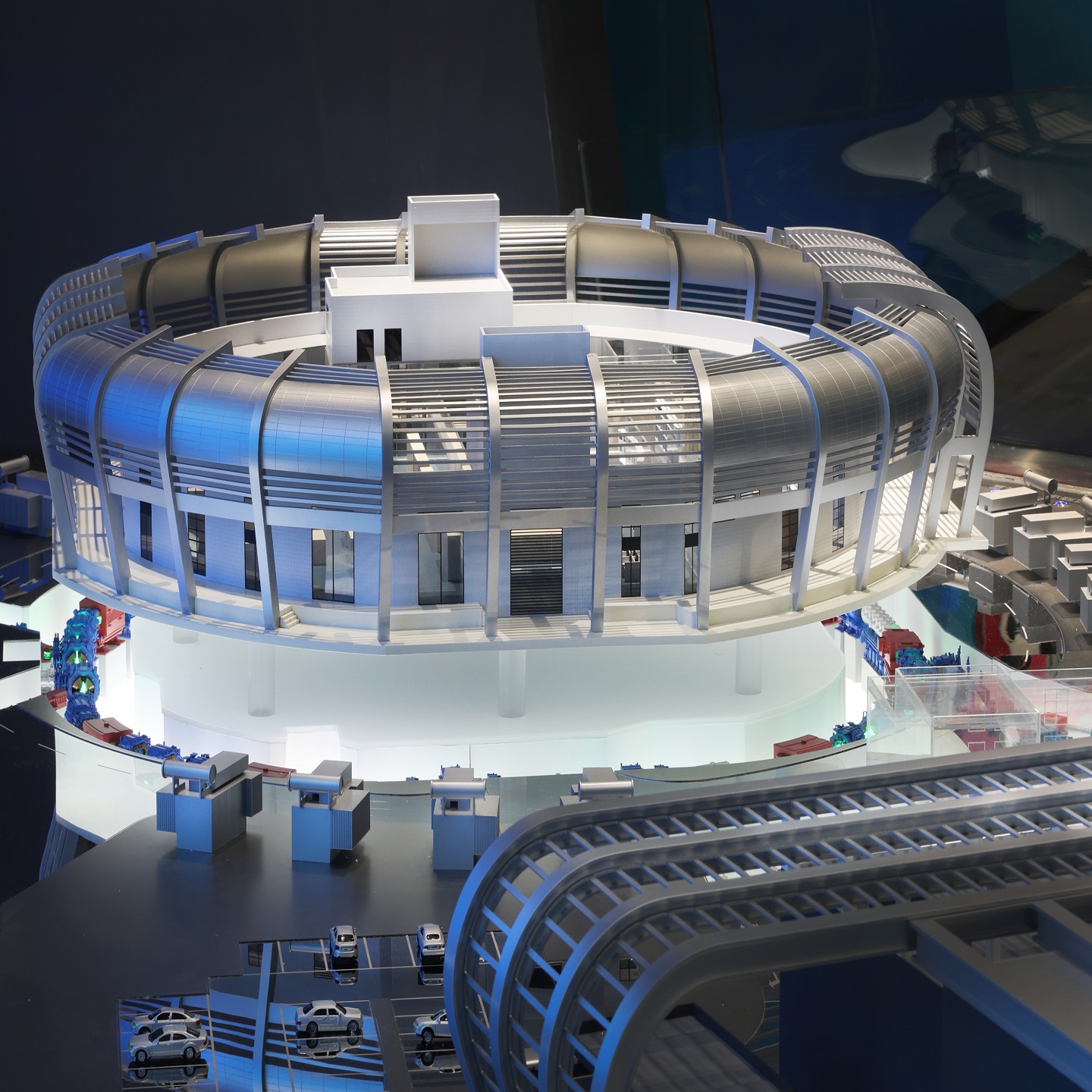
Mass modeling is used to study form, scale, and spatial organization without focusing on detailed elements. Architects create simplified block models—physically or digitally—to analyze building height, density, shadow impact, and urban integration. QZY Models converts these conceptual ideas into precise physical mass models, allowing clients to visualize development footprints clearly across residential, commercial, and civic projects, improving stakeholder understanding and design validation.
What Are the Main Types of Mass Modeling?
Mass modeling can take several forms: conceptual, digital, physical, and parametric models. Each type plays a distinct role in different design stages. Conceptual models explore early design ideas, digital models provide 3D visualization, physical models support presentations, and parametric models enable adaptive, computational design development. QZY Models excels in crafting high-precision physical mass models for competitions, city masterplans, and investor presentations.
| Type | Description | Primary Use |
|---|---|---|
| Conceptual | Simplified forms for idea exploration | Early design phase |
| Digital | CAD/BIM-generated volumetric shapes | 3D visualization |
| Physical | Scaled block models | Presentation, review |
| Parametric | Computational mass simulations | Adaptive design development |
Why Is Mass Modeling Important for Architects and Planners?
Mass modeling is essential for analyzing proportion, light, and spatial relationships before committing to detailed design. It refines urban scale, zoning compliance, and building efficiency. Shadow, wind, and sunlight studies are facilitated using mass models. QZY Models creates accurate mass studies for masterplanning and sustainable strategies, ensuring early concepts translate into feasible, data-backed design solutions.
Which Tools and Software Are Commonly Used for Mass Modeling?
Popular tools for mass modeling include Revit, Rhino, SketchUp, Grasshopper, and AutoCAD, each offering specific 3D modeling and analysis capabilities. Simulation software may also be integrated for environmental studies. QZY Models transforms these digital designs into tangible physical models using laser cutting, 3D printing, and resin fabrication, bridging conceptual and real-world representation.
| Software | Strength | Use Case |
|---|---|---|
| Revit | BIM integration | Building studies |
| Rhino | Complex geometry | Organic forms |
| SketchUp | Simplicity & speed | Concept exploration |
| Grasshopper | Parametric control | Responsive massing |
| AutoCAD | Accurate drafting | Block modeling |
How Does Physical Mass Modeling Differ from Digital Modeling?
Physical mass modeling provides tactile, real-world perception, allowing stakeholders to interact with spatial volumes. While digital models allow quick iterations, physical models deliver scale comprehension and emotional engagement. QZY Models produces hybrid workflows, converting digital data into 3D-printed or handcrafted mass models, enhancing communication and ensuring spatial concepts are clearly understood by teams and clients.
When Should Mass Modeling Be Introduced in the Design Process?
Mass modeling should begin at the earliest concept stage, establishing the framework for spatial strategy before detailed design. Architects refine shapes through iterative mass studies. QZY Models recommends initiating mass modeling during feasibility and zoning review phases, identifying constraints, optimizing site efficiency, and unlocking creative opportunities that inform the final architectural solution.
Why Choose QZY Models for Professional Mass Modeling?
QZY Models delivers precision, craftsmanship, and integrated digital fabrication to produce visually compelling, accurate mass models for global clients. Their expertise supports architects, developers, and planning authorities in competitions, masterplans, and educational exhibitions, merging creative artistry with engineering excellence.
QZY Models Expert Views
“Mass modeling transforms ideas into form and clarity. It’s the architect’s first conversation with space—pure, intuitive, and strategic. At QZY Models, precision and imagination drive every curve and volume. Each mass model is a tangible translation of architectural vision into scalable reality.”
— Richie Ren, Founder of QZY Models
What Are the Key Benefits of Mass Modeling for Urban Planning?
Mass modeling provides insight into spatial relationships, scale hierarchy, and contextual integration for urban projects. Planners use models to assess density, pedestrian circulation, and transport connectivity. QZY Models has produced urban massing models for smart city initiatives in the Middle East and Asia, aligning design intent with environmental sustainability and community-focused planning.
Could Mass Modeling Support Sustainable Design?
Yes. Mass modeling enables sustainable design by optimizing form, orientation, and material efficiency. It allows evaluation of sunlight, ventilation, and shadow patterns. QZY Models incorporates energy-efficient materials into models, demonstrating eco-friendly strategies and supporting green design decisions early in the planning process.
Conclusion: Mass Modeling as the Foundation of Architectural Vision
Mass modeling establishes the foundation for innovative, efficient, and sustainable design. It communicates spatial intent clearly, supports collaboration, and guides informed architectural decisions. Partnering with specialists like QZY Models ensures early-stage concepts evolve into accurate, inspiring architectural realities with precision, professionalism, and aesthetic integrity.
FAQs
1. What scale is ideal for mass models?
Typical scales are 1:500 for urban blocks and 1:1000 for city masterplans.
2. Can mass models evolve into detailed architectural models?
Yes. Mass models serve as conceptual foundations that can be refined into full presentation or physical models.
3. How long does it take to build a physical mass model?
Typically 2–6 weeks depending on complexity, materials, and scale.
4. Are mass models cost-effective for early-stage projects?
Yes. They provide crucial design insight at a lower cost than full presentation models.
5. What industries use mass modeling?
Architecture, real estate development, urban planning, education, and environmental design frequently utilize mass modeling.