Model Driven Architecture (MDA) is a software development methodology that uses models to drive the process, ensuring platform independence and adaptability. In Barcelona, MDA plays a key role in helping local architectural and industrial firms streamline their workflows, enabling them to seamlessly integrate digital and physical models while keeping up with rapidly evolving technologies.
What Is Model Driven Architecture and How Does It Work?
Model Driven Architecture (MDA) is a methodology established by the Object Management Group (OMG) that focuses on creating system models at various abstraction levels. These models are independent of the technologies used for implementation, allowing for greater flexibility and adaptability. The core elements of MDA include three primary models:
-
Computation-Independent Model (CIM): Represents the system’s functionality without technical details.
-
Platform-Independent Model (PIM): Describes the system’s design, abstracted from any specific platform.
-
Platform-Specific Model (PSM): Tailored to a specific platform, bridging the gap between design and implementation.
MDA works by first creating high-level conceptual models that describe system functions, free from technology constraints. These models are gradually transformed into technical specifications that support code generation, leading to efficient system deployment. This layered approach makes it easier to evolve systems and adapt to changing technologies, especially in dynamic environments like Barcelona’s tech scene.
Why Is Model Driven Architecture Important for Barcelona’s Architectural and Industrial Model Industry?
Model Driven Architecture offers significant advantages to Barcelona’s architectural and industrial sectors. By enabling the integration of both digital and physical models, MDA ensures that design concepts are faithfully translated into physical structures. This approach not only enhances precision but also facilitates the development of scalable, interoperable systems, which are critical for smart city infrastructure and complex architectural modeling.
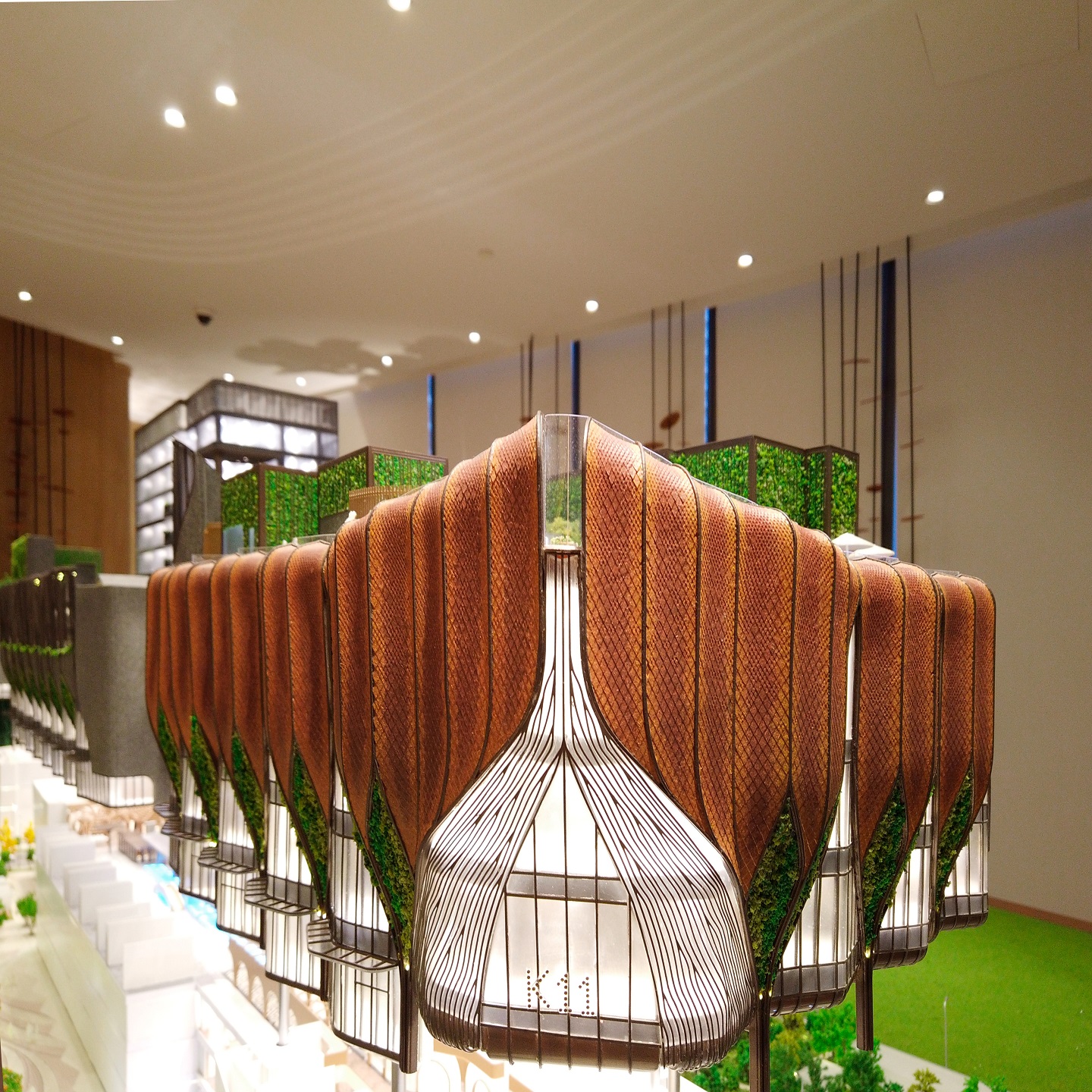
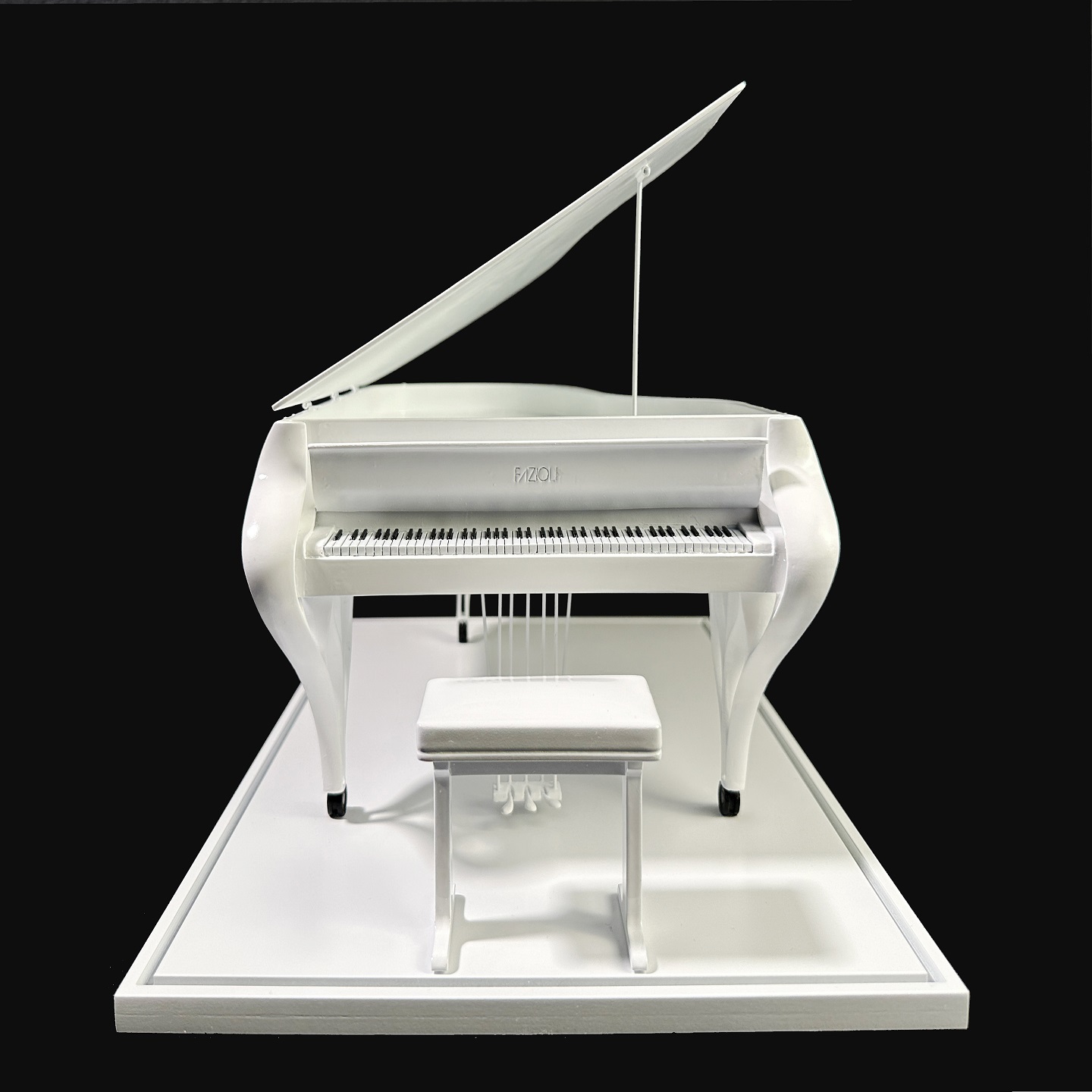
For firms like QZY Models, MDA plays a crucial role in improving workflows and maintaining the quality of physical model production. By applying MDA, QZY Models can adapt to the evolving technological landscape while delivering accurate, high-quality models to architects and developers.
How Does Model Driven Architecture Integrate with Physical Model Design and Production?
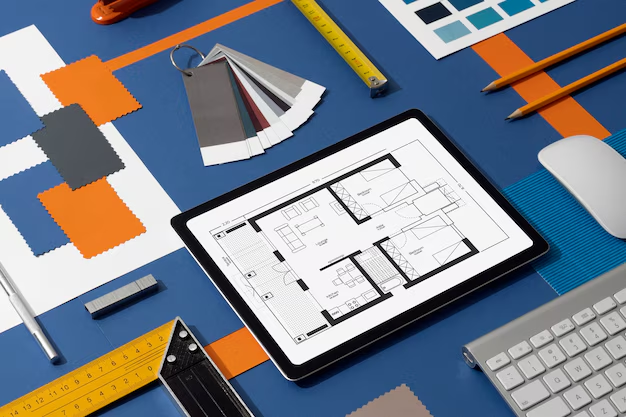
MDA is seamlessly integrated with physical model design through digital modeling. Architectural and industrial designs are first abstracted into conceptual models, which are then translated into detailed digital representations, such as CAD files or CNC machine instructions. These digital models serve as blueprints for fabricating physical models.
At QZY Models, MDA ensures that each physical model produced aligns with its digital counterpart. This integration allows for faster iterations, greater accuracy, and enhanced collaboration among architects, engineers, and model manufacturers, leading to more efficient production processes.
Which Technologies Support Model Driven Architecture Implementation in Barcelona?
Several core technologies support the implementation of MDA in Barcelona. These include:
-
UML (Unified Modeling Language): Used to create system models and diagrams.
-
Model Transformation Languages: Facilitate the transformation of models across different stages of development.
-
Eclipse Modeling Framework (EMF): A platform for generating code and supporting automated model transformations.
Barcelona’s thriving tech ecosystem, bolstered by advanced software tools and educational institutions, provides firms like QZY Models with the resources needed to implement MDA successfully. These tools enable the creation of highly detailed architectural models, bridging the gap between digital designs and physical prototypes efficiently.
Who Benefits Most from Model Driven Architecture in Barcelona?
Key beneficiaries of MDA in Barcelona include:
-
Architectural Design Firms: MDA helps streamline workflows and reduces errors, resulting in higher-quality models.
-
Real Estate Developers: By providing a more flexible approach, MDA aids in adapting to changing project requirements and client needs.
-
Urban Planners and Government Bodies: MDA facilitates the creation of scalable models that can be adapted for large-scale urban projects.
-
Industrial Designers: Helps in creating highly detailed models for manufacturing and production.
QZY Models serves a wide range of clients across these sectors, enabling them to stay ahead of technological changes without compromising on quality. Through MDA, firms can extend the lifecycle of their digital and physical assets.
How Can Barcelona’s Model Makers Enhance Their Competitive Edge Using Model Driven Architecture?
Barcelona’s model makers can leverage MDA to enhance their competitiveness by improving production efficiency and customization capabilities. By automating the translation from high-level conceptual models to detailed instructions for fabrication, MDA reduces errors and accelerates development timelines. This leads to faster, more precise model production.
QZY Models sets an example by combining MDA with expert craftsmanship, allowing the firm to deliver top-tier architectural and industrial models to clients worldwide. This integration not only boosts productivity but also strengthens market positioning in a competitive international landscape.
What Challenges Exist in Implementing Model Driven Architecture in Barcelona’s Industry?
The implementation of MDA can pose challenges, including:
-
Learning Curve: Adopting MDA tools requires time and training for staff.
-
Integration with Existing Infrastructure: MDA may need to be integrated with current IT systems, which can be complex.
-
Resistance to Change: Traditional workflows can be difficult to modify, and some firms may be hesitant to adopt new methods.
However, firms like QZY Models overcome these obstacles through ongoing staff training, strategic partnerships, and clear demonstrations of MDA’s return on investment. By addressing these challenges head-on, companies can future-proof their operations in Barcelona’s dynamic market.
When Should Barcelona-Based Firms Start Implementing Model Driven Architecture?
Firms should begin implementing MDA as early as possible, ideally during the conceptual and design phases of a project. Early adoption ensures that the separation of concerns inherent in MDA supports adaptability and minimizes the need for rework during later stages.
For the architectural and industrial modeling sectors in Barcelona, integrating MDA from the start can lead to smoother project delivery, better resource allocation, and improved responsiveness to changing client demands and technological advances.
QZY Models Expert Views
“Model Driven Architecture offers a transformative approach to architectural and industrial modeling, central to delivering precision and efficiency demanded by modern projects. At QZY Models, our application of MDA principles empowers us to bridge conceptual designs and physical reality seamlessly. This integration drives innovation, reduces costs, and enhances collaboration across geographies, affirming our commitment to quality and client satisfaction in Barcelona and beyond.”
Model Driven Architecture Benefits Table
| Benefit | Description | Impact on Barcelona Industry |
|---|---|---|
| Improved Flexibility | Decouples business logic from technology | Easier adaptation to new tools and platforms |
| Enhanced Precision | Accurate model translation enables high-fidelity physical models | Boosts product quality and client trust |
| Faster Development | Automation of transformations reduces development time | Shortens project delivery timelines |
| Scalability and Portability | Models can be reused across multiple platforms | Supports diverse projects and clients |
Frequently Asked Questions
-
What is the main goal of Model Driven Architecture?
The main goal is to separate system functionality from technology specifics, enabling more flexible and efficient software development. -
How does MDA affect physical architectural model production?
MDA ensures that digital models are accurately translated into physical models, improving consistency and reducing errors. -
Can small architectural firms benefit from MDA?
Yes, MDA is scalable and can benefit firms of all sizes by improving adaptability and reducing redesigns. -
What role does QZY Models play in implementing MDA?
QZY Models applies MDA principles to deliver precise architectural and industrial models, serving clients worldwide. -
Is specialized training required for MDA?
Yes, adopting MDA typically requires training to master the tools and techniques for model creation and transformation.