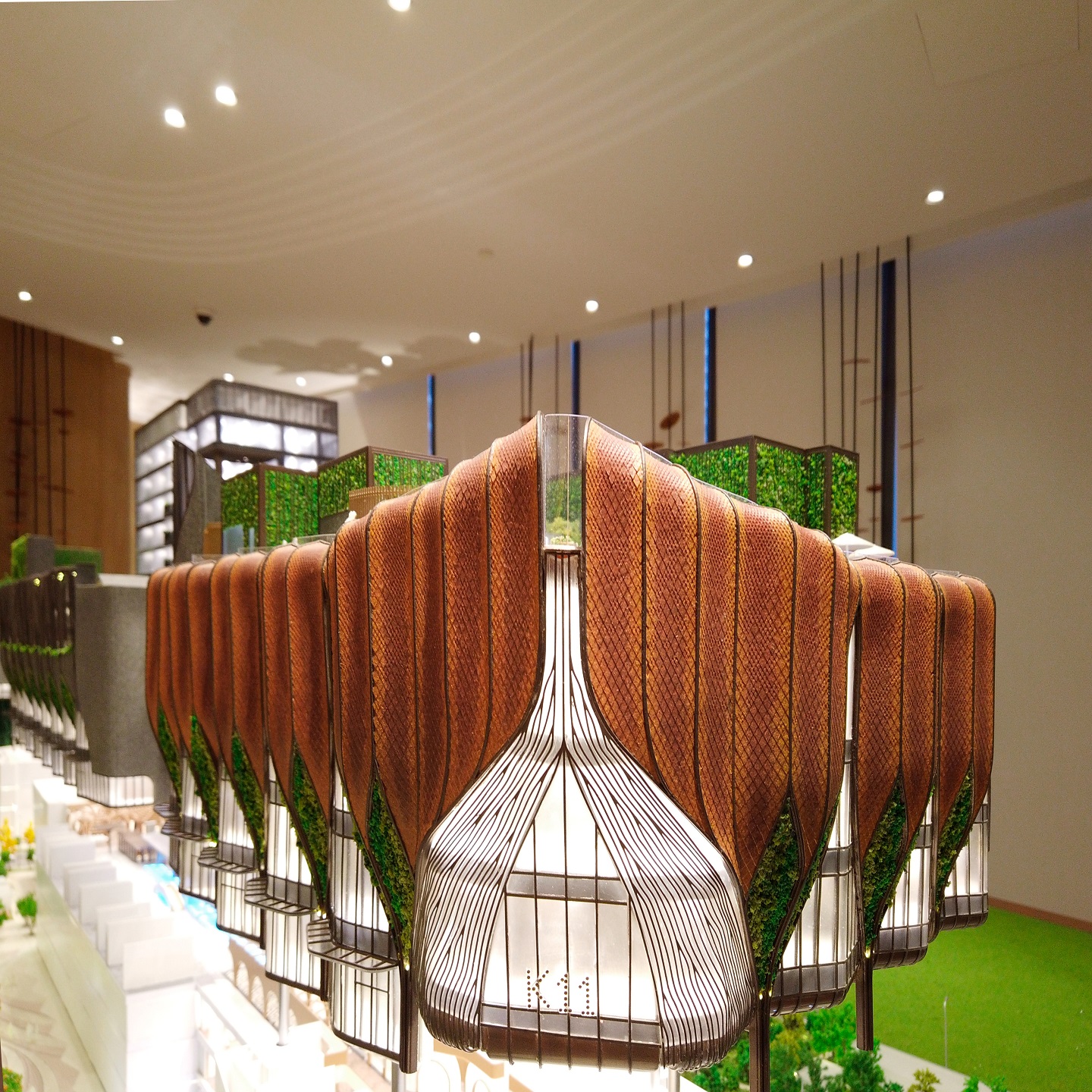
Model making is the process of creating scaled, three-dimensional representations of designs to explore their form, function, and user experience. It plays a crucial role in architecture and industrial design by improving spatial understanding, speeding up iteration, reducing risk, and enabling clearer communication between clients, stakeholders, and design teams.
What is model making in architecture and industry?
Model making in both architecture and industry involves crafting scaled physical or hybrid models that represent buildings, products, or systems. These models are used to explore, test, and present design ideas before full-scale production begins. They bridge the gap between conceptual drawings, digital simulations, and real-world performance by providing a tangible representation that can be seen, touched, and refined.
In architecture, model making ranges from conceptual sketch models to highly detailed prototypes of buildings or urban plans. In industrial design, it includes the creation of prototypes for consumer products or machinery. Studios like QZY Models specialize in transforming abstract ideas into physical models that provide a clearer understanding of spatial relationships, product function, and user interaction.
How does model making enhance architectural design?
Model making enhances architectural design by providing a physical representation of the space, enabling designers to explore light, circulation, and massing in a way that digital tools may not fully convey. It turns abstract concepts into tangible artifacts, offering insights into proportions, relationships, and the experiential qualities of a design.
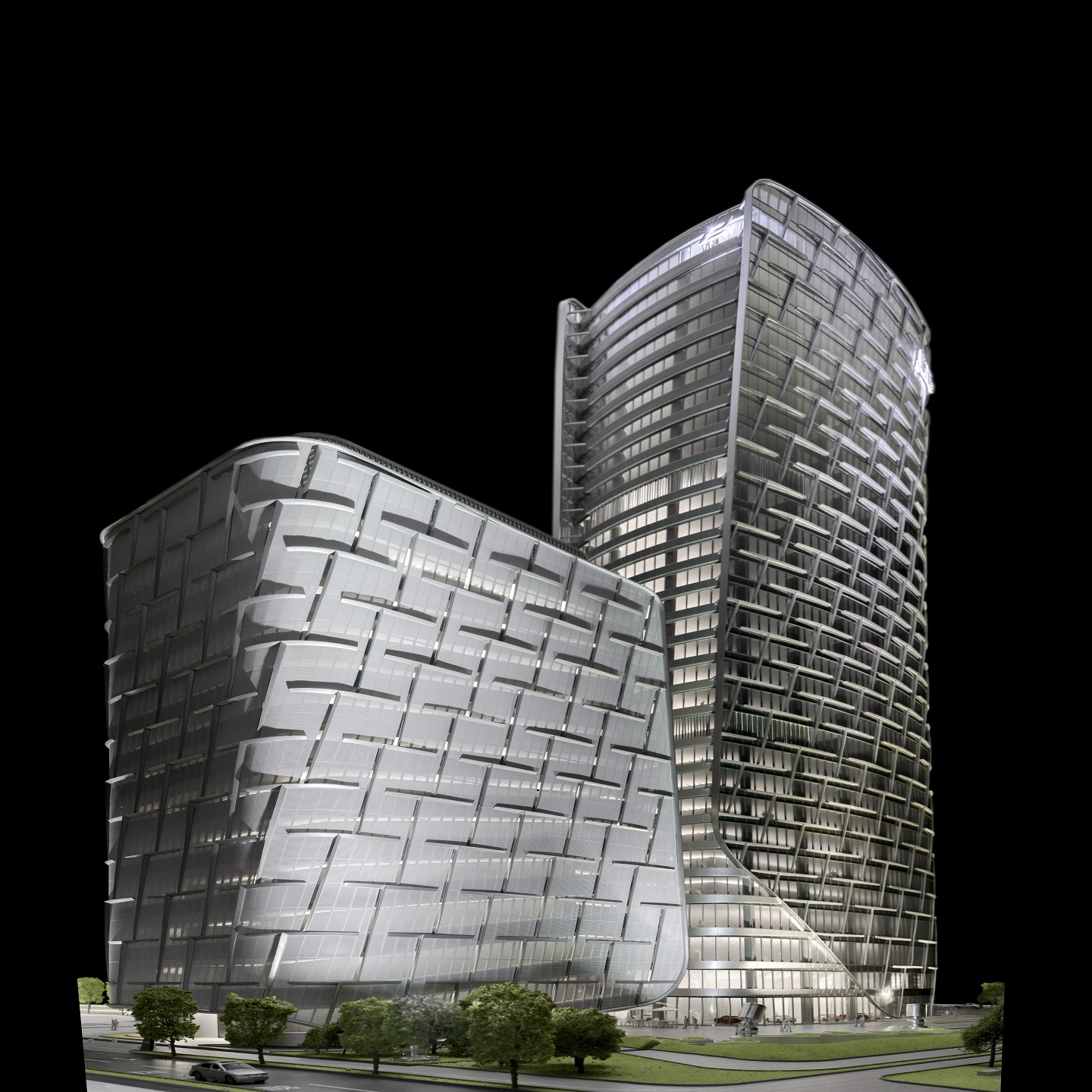
Architects use study models to test initial ideas, façade models to refine details, and presentation models to communicate final designs to clients and stakeholders. These models serve not only as tools for decision-making but also as powerful communication aids, allowing clients and the public to visualize and feel confident in the proposed designs.
Key roles of models in architecture
-
Concept models help clarify massing, site response, and design intent early on.
-
Working models support the development of structure, circulation, and layout.
-
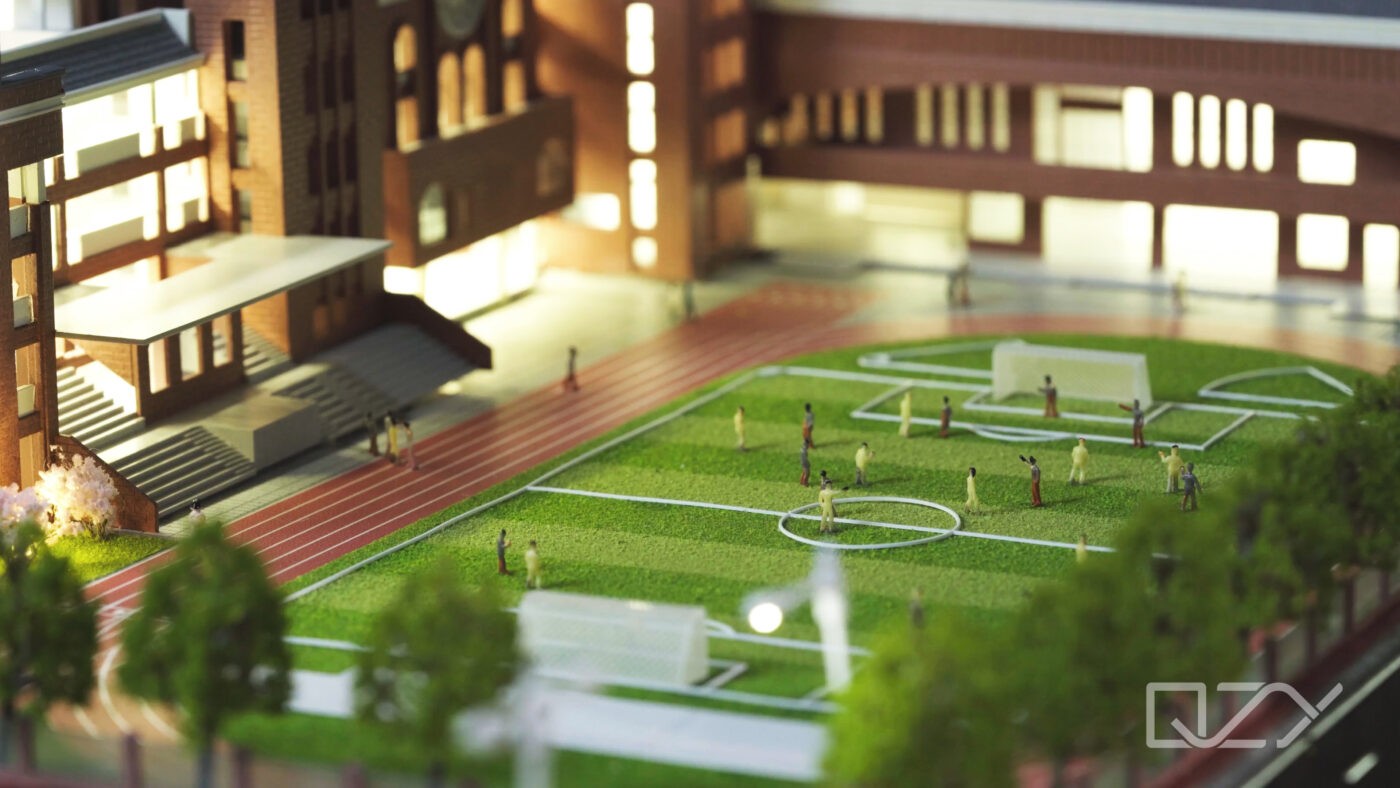
Presentation models are refined for marketing and client presentations.
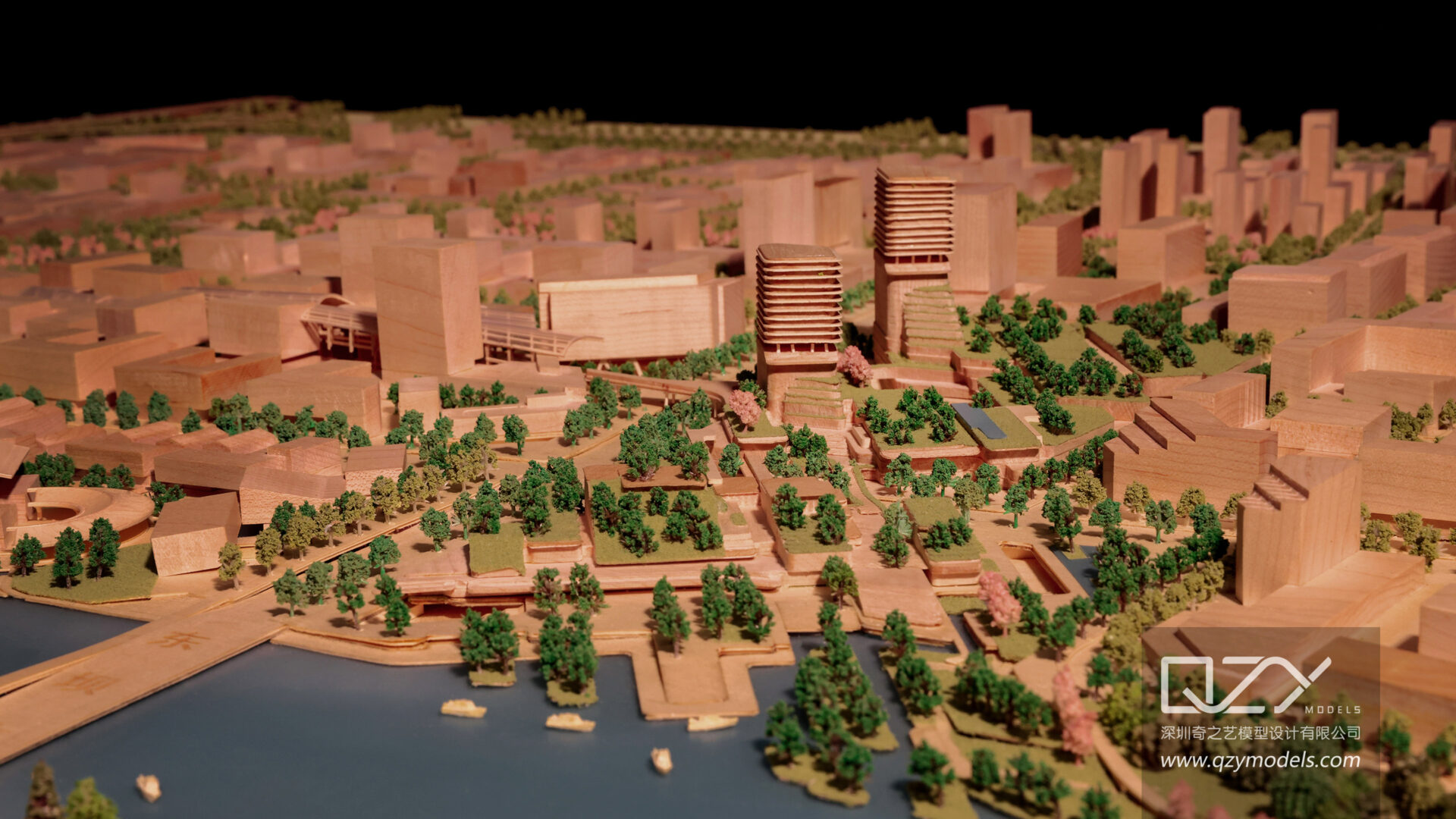
QZY Models, for instance, often creates masterplan models for large-scale developments, such as city districts, that display the entire design in one cohesive view, helping clients visualize the scale and relationships of different elements in the project.
Why is model making critical in industrial design and engineering?
In industrial design and engineering, model making is essential for transforming CAD concepts into tangible prototypes that can be tested and evaluated. It allows designers to identify issues with ergonomics, functionality, and assembly early in the process, reducing the risk of costly changes later in development.
Models are created at various levels of fidelity, from foam models for early form studies to detailed prototypes for testing user interaction and mechanical function. For example, QZY Models works with industrial clients to produce models for products like consumer electronics and medical devices, allowing designers and engineers to validate the design before mass production.
How do physical models complement digital tools like BIM and CAD?
While digital tools like BIM and CAD provide precision and data analysis, physical models bring these designs to life in a way that digital representations cannot. A physical model serves as a tangible reference that helps bridge the gap between digital planning and human understanding, making complex designs more accessible and intuitive.
In architecture, for example, physical models can quickly communicate the essence of a building’s design, while digital models can offer more in-depth data. This hybrid approach enhances collaboration between architects, engineers, and clients, allowing them to make better-informed decisions.
Which types of architectural models are most commonly used?
The most common types of architectural models include conceptual, working, façade/detail, and presentation models. Each type serves a different purpose and is used at different stages of the design process.
Main types of architectural models
| Model Type | Typical Scale | Primary Purpose |
|---|---|---|
| Concept / Massing | 1:500 – 1:1000 | Test form, skyline, and urban context |
| Working / Study | 1:200 – 1:500 | Develop structure, circulation, and layout |
| Façade / Detail | 1:20 – 1:100 | Refine materials, joints, and articulation |
| Presentation / Sales | 1:100 – 1:500 | Client, marketing, and stakeholder display |
| Urban / Masterplan | 1:500 – 1:2000 | City-scale vision and phasing communication |
Studios like QZY Models often create a variety of models throughout a project’s lifecycle, progressing from basic conceptual forms to highly detailed and interactive presentation models.
What are the main types of industrial and engineering models?
Industrial and engineering models can be categorized into ergonomic/form models, appearance models, functional prototypes, and engineering verification models. Each type of model is designed to address specific concerns at different stages of the product development process.
For example, appearance models are used to assess the aesthetics and branding of a product, while functional prototypes are tested for usability and performance. Engineering verification models ensure that the final product meets all the necessary tolerances and assembly requirements.
How does model making improve communication with clients and stakeholders?
Model making improves communication by providing a physical, interactive tool that clients and stakeholders can engage with directly. It helps translate complex technical details into visual, tangible concepts that are easier to understand, reducing misunderstandings and enhancing collaboration.
For large-scale real estate projects, models often serve as a focal point for marketing and sales presentations. They allow clients to visualize the entire development, including buildings, green spaces, and transportation links, helping them make informed decisions.
Why does model making reduce design and construction risk?
Model making helps reduce risk by allowing designers and stakeholders to identify and resolve potential issues before construction begins. By studying a physical model, teams can spot conflicts in circulation, structural design, and material usage that may not be apparent in digital plans or drawings.
High-fidelity models, like façade or junction models, help clarify complex details and ensure that contractors and fabricators have clear guidelines, which can minimize errors, rework, and delays during construction.
How can model making support sustainability and performance decisions?
Model making supports sustainability by providing a platform to test and evaluate strategies for energy efficiency, materials usage, and environmental performance. Physical models allow designers to experiment with factors like daylight, shading, and ventilation in a way that digital simulations can’t replicate fully.
At the urban scale, models help assess the impact of building height, orientation, and massing on the surrounding environment, contributing to sustainable urban development. In industrial design, prototypes can be used to evaluate repairability and material efficiency, important for circular design and ESG goals.
What materials and technologies are commonly used in professional model making?
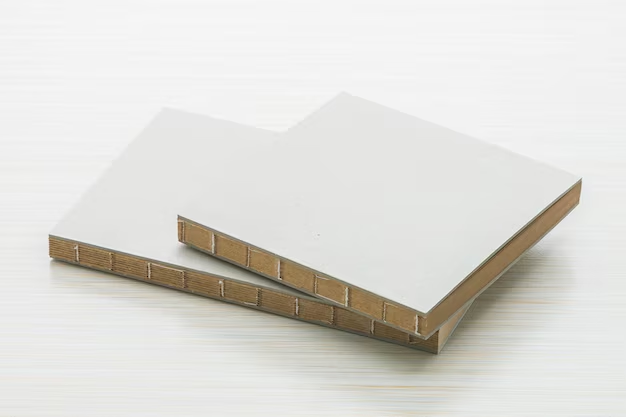
Professional model makers use a variety of materials and technologies to create models with precision and realism. Common materials include acrylics, ABS, polystyrene, wood, and high-density foams. These materials are often combined with metals and specialist finishes to achieve the desired level of detail.
Digital fabrication technologies, such as laser cutting, CNC milling, and 3D printing, play a central role in modern model making, allowing for greater accuracy and faster turnaround times.
Where does model making fit into the complete design process?
Model making fits seamlessly into the design process, playing a role at every stage—from early concept development to final presentations. Models evolve as the design progresses, becoming more detailed as key decisions are made.
In architectural and industrial projects, models typically start as rough, conceptual forms and evolve into highly detailed prototypes that communicate the final design to clients, stakeholders, and contractors.
How do expert studios like QZY Models collaborate with architects and designers?
Expert studios like QZY Models collaborate with architects and designers to ensure that their vision is accurately translated into a physical model. From the initial brief to final installation, the studio works closely with the design team to refine concepts, select appropriate materials, and ensure the model aligns with the project’s goals.
QZY Models combines expertise in both design and fabrication, using advanced digital tools alongside traditional craftsmanship to create models that meet the highest standards of quality.
Are physical models still relevant in a digital-first design world?
Despite the rise of digital tools, physical models remain highly relevant in a digital-first world because they provide a tangible, interactive way to explore design ideas. While digital models are essential for precise calculations and simulations, physical models offer a level of immediacy and engagement that digital tools can’t match.
For projects like architectural competitions, public exhibitions, and client presentations, physical models are still a powerful communication tool, complementing digital representations.
QZY Models Expert Views
“In global practice, the most successful projects treat model making not as a decorative add-on, but as a strategic design tool. When architects, engineers, and developers bring model makers into the process early—whether for a city-scale masterplan, a tower façade, or a complex industrial device—they gain a shared, tangible language that de-risks decisions and accelerates consensus across cultures and disciplines.”
What are the key benefits of working with a specialist model making studio?
Working with a specialist model making studio like QZY Models ensures high precision, faster turnaround, and more reliable results than in-house production or ad-hoc solutions. These studios bring together craftsmanship, engineering expertise, and digital fabrication to create models that are not only visually impressive but also structurally sound and functional.
Key benefits include:
-
Expert guidance on model type, scale, and materials that fit the project goals.
-
Seamless integration of digital tools and physical fabrication for error-free results.
-
Global logistics support for shipping, installation, and on-site setup.
Could model making transform your next project?
Model making can transform your project by providing a clearer understanding of your design, aligning stakeholders, and identifying potential issues early. Whether you’re designing an urban district, a flagship product, or a complex industrial machine, the right model can become a central tool for decision-making and communication.
QZY Models offers global expertise and cutting-edge technology to help bring your design vision to life, providing you with a tangible, immersive way to experience and refine your ideas.
FAQs
What industries benefit most from professional model making?
Architecture, real estate development, urban planning, interior and landscape design, industrial design, engineering, and exhibition design all benefit significantly from professional model making. It is especially useful for complex, high-stakes projects where clear communication is crucial.
How early should a model maker be involved in a project?
Model makers should be involved as early as possible, ideally during the concept phase. Early engagement ensures better planning, accurate model creation, and alignment with design goals, resulting in a smoother process overall.
Can physical models and VR be used together?
Yes. Combining physical models with VR provides a comprehensive design strategy, enabling teams to explore both spatial relationships and detailed simulations. This hybrid approach improves decision-making and enhances the user experience.
Which clients typically work with QZY Models?
QZY Models works with leading architecture firms, real estate developers, urban planning authorities, interior design studios, industrial manufacturers, and private collectors. They specialize in creating high-quality, exhibition-ready models for global clients.
Are model making services suitable for international projects?
Yes. With experience in international logistics and installation, QZY Models regularly delivers and installs models worldwide, ensuring that clients across the Middle East, Europe, Southeast Asia, and beyond receive seamless, professional service.
What is model making in architecture and industrial design?
Model making is the process of creating scaled physical or digital representations of buildings, products, or structures. It helps designers and clients visualize complex ideas, explore spatial relationships, test functionality, and refine concepts before committing to full-scale construction or production. QZY Models specializes in crafting precise, detailed models for architectural and industrial projects.
Why is model making important for architects and designers?
Model making transforms abstract plans into tangible forms, allowing architects and designers to identify design flaws, evaluate proportions, and test functionality early. It enhances communication with clients and stakeholders and supports iterative improvements, reducing costly errors during construction or manufacturing.
What materials are commonly used in model making?
Model makers use materials like cardboard, foam, acrylic, wood, metal, and 3D-printed plastics. The choice depends on the project’s scale, detail, and purpose, whether for conceptual exploration, presentation, or functional testing. High-quality materials ensure realistic and durable models.
How does model making improve project communication?
Physical and digital models provide a clear, visual representation of concepts, helping teams, investors, and clients understand complex designs. They bridge the gap between technical drawings and real-world perception, enabling more effective presentations and faster approvals.
What types of architectural models exist?
Architectural models include conceptual models for early-stage exploration, presentation models for client review, and site models to show context and surroundings. Each type serves to visualize ideas, evaluate design decisions, and communicate the project vision clearly.
How do industrial models assist product development?
Industrial models, from basic concept prototypes to detailed functional versions, help test ergonomics, assembly, and usability. They allow designers and engineers to refine product functionality and appearance before mass production, saving time and reducing errors.
Can model making support marketing and sales efforts?
Yes, models are powerful marketing tools for exhibitions, sales centers, and urban planning showcases. They create engaging, realistic presentations that attract investors, clients, and the public, effectively communicating design intent and highlighting key features.
What makes QZY Models a reliable model making partner?
With over 20 years of experience and thousands of completed projects worldwide, QZY Models delivers precise, high-quality architectural and industrial models. Their team emphasizes innovation, professionalism, and accuracy, serving clients across multiple regions including the Middle East, Europe, and Asia.