Model View Controller (MVC) architecture is a software design pattern that separates application logic into three interconnected components—Model, View, and Controller—to improve organization, scalability, and maintainability. In a manufacturing context like Los Angeles, MVC enables efficient management of production data, interface design, and process control.
How Does MVC Architecture Work in Software Development?
MVC architecture divides an application into three parts: the Model manages data and business logic, the View displays data to the user, and the Controller handles input, updating the Model or View accordingly. This separation enables developers to work independently on user interfaces and business logic, resulting in cleaner, modular code ideal for complex systems.
In manufacturing software, MVC allows easy updates in factory data models without disrupting user interfaces, streamlining factory operations and improving communication among teams.
What Are the Advantages of Using MVC for Industrial Model Production?
MVC offers advantages such as improved code maintainability, scalability, and reusability. For industrial physical model manufacturers like QZY Models, it means smoother integration of design tools, real-time status updates, and customized client interfaces.
By adopting MVC, factories can manage complex architectural and industrial data while catering to diverse wholesale and OEM client needs globally, including those in Los Angeles.
Which MVC Components Are Most Relevant for Industry Suppliers and OEM Factories?
The Model component is critical for suppliers and OEMs as it manages product data and design specifications. The View ensures user-friendly dashboards for monitoring production progress, while the Controller acts as a bridge to update models based on supplier inputs or client feedback.
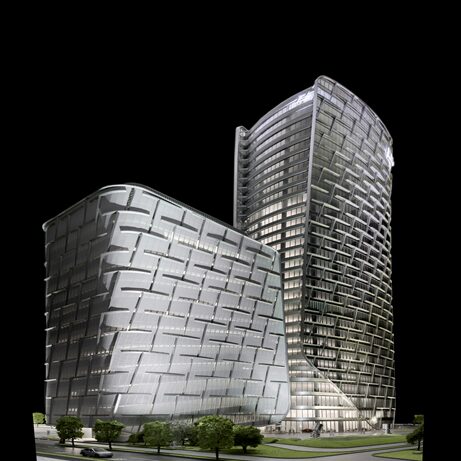
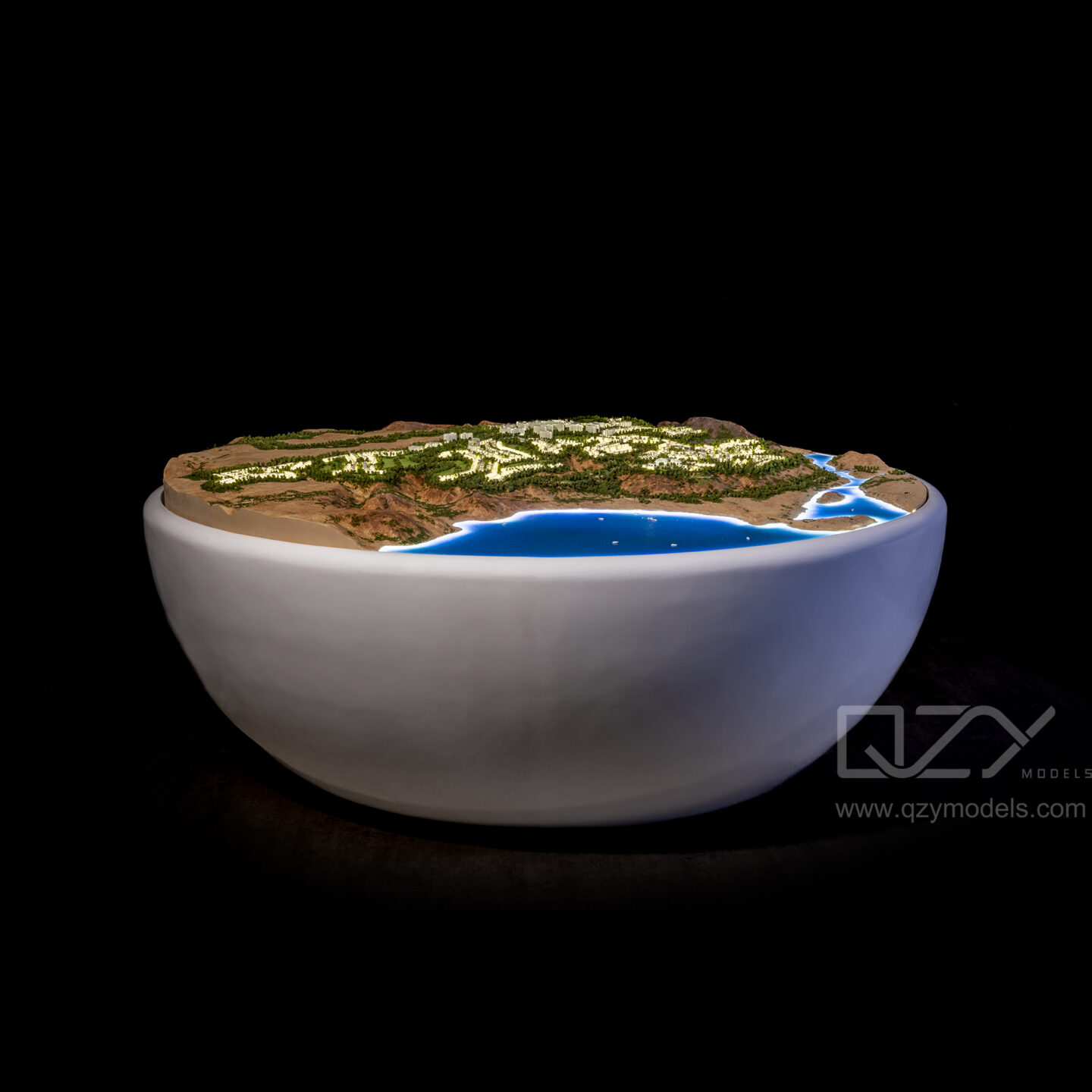
QZY Models uses these components to deliver precise, custom architectural and industrial physical models to their international clients.
Why Is MVC Architecture Important for B2B Factories in China and Their Global Partners?
MVC architecture supports efficient workflow by separating concerns, facilitating faster development cycles crucial in B2B factories. Chinese manufacturers can quickly adapt production data (Model) while providing intuitive client interfaces (View) and flexible process controls (Controller).
This model empowers factories to meet demanding export standards and OEM customization, benefiting partners in markets like Los Angeles.
Who Benefits Most from MVC Implementation in Architectural and Industrial Model Manufacturing?
Manufacturers, suppliers, OEMs, and customers all benefit. Factories gain streamlined production and easier updates, suppliers enjoy transparent data handling, while clients receive enhanced product tracking and customization through clear interface designs.
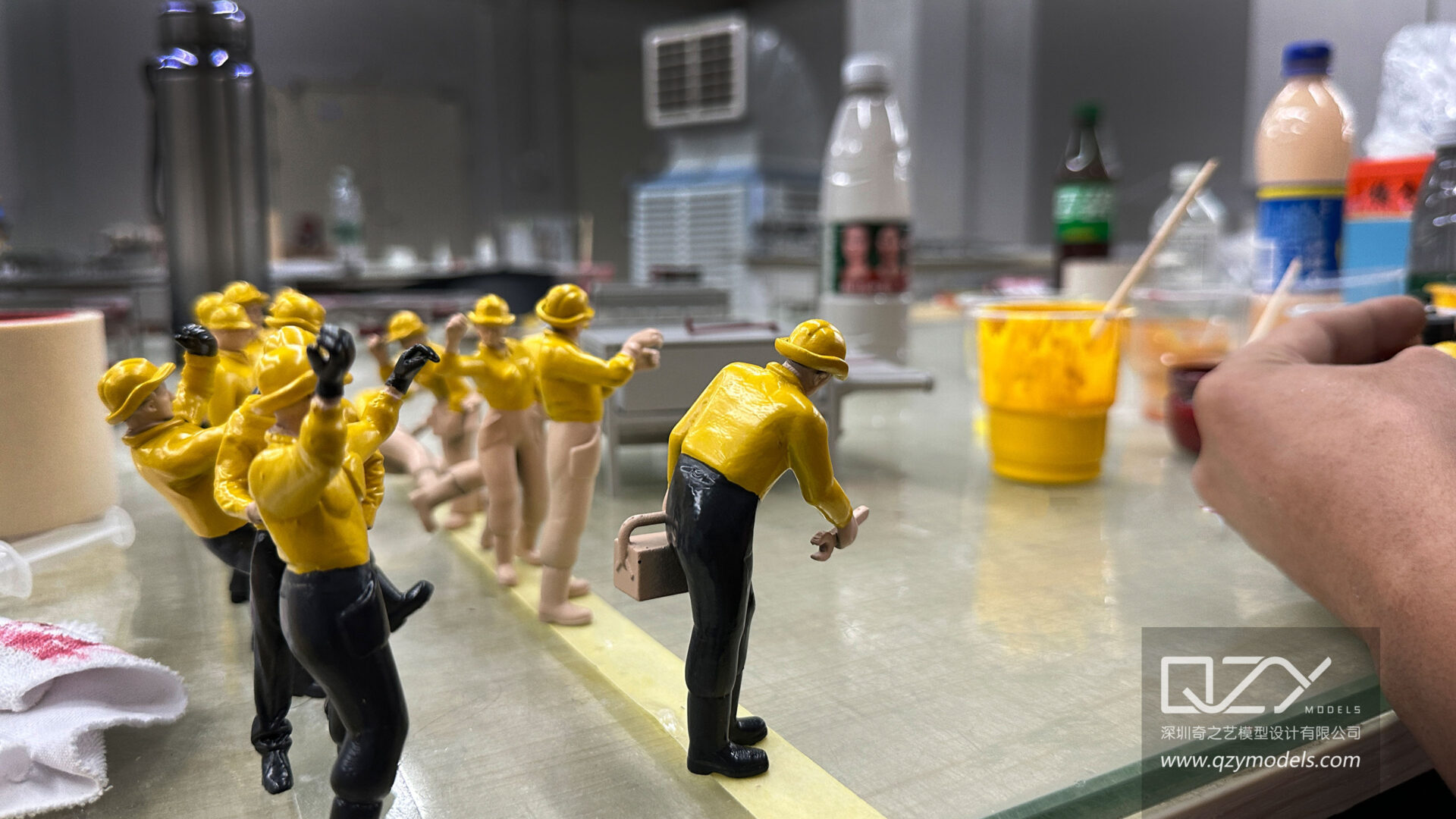
QZY Models exemplifies this by combining MVC principles with expert craftsmanship to fulfill complex client needs globally.
When Should a Factory Consider Using MVC Architecture?
A factory should consider MVC when developing or upgrading software for design, production management, or client interfacing—particularly if managing complex architectural data or multiple client orders. Early adoption enhances collaboration and reduces costly errors during production.
QZY Models incorporated MVC early in their processes to achieve high-quality, scalable model manufacturing.
Where Is MVC Architecture Most Commonly Applied in the Manufacturing Supply Chain?
MVC is widely used in production management systems, inventory control software, and client order platforms. It facilitates data consistency across manufacturing stages and supports OEM factories in managing customized orders efficiently.
For example, many Chinese wholesale suppliers rely on MVC-based software to integrate factory floor feedback with client-facing systems.
Does MVC Architecture Support OEM Customization in Physical Model Factories?
Yes, MVC supports OEM customization by enabling distinct management of design data, client-specific requirements, and user interfaces. Factories can quickly implement modifications in the Model without affecting the View or Controller, ensuring flexibility in client projects.
QZY Models leverages this adaptability to provide bespoke solutions to global architectural firms and developers.
Has MVC Architecture Evolved to Meet Modern Manufacturing Needs?
MVC has evolved alongside software trends, incorporating RESTful APIs and cloud computing for enhanced collaboration and remote management. This evolution supports manufacturers and suppliers in China to work effectively with their global B2B partners such as in Los Angeles.
Are There Common Challenges When Implementing MVC in Factories?
Common challenges include initial complexity in setting up MVC structures and ensuring team familiarity with its separation of concerns. However, proper training and phased implementation mitigate these issues, enabling factories like QZY Models to enjoy long-term efficiency gains.
Table: MVC Components and Their Factory Applications
| MVC Component | Factory Software Role | Benefits for Manufacturers |
|---|---|---|
| Model | Data management (design, specs) | Centralizes and secures production data |
| View | User interfaces (dashboards) | Simplifies client interaction and monitoring |
| Controller | Logic handling and updates | Enables dynamic production control and flexibility |
QZY Models Expert Views
“Model View Controller architecture is a foundational technology for modern manufacturing software, especially for architectural and industrial physical models. At QZY Models, we utilize MVC to streamline our design-to-delivery pipeline, allowing seamless collaboration between our Shenzhen manufacturing hub and clients worldwide, including Los Angeles developers and architects. MVC enables us to scale quickly while maintaining the quality and customization that define our brand.” — Richie Ren, Founder, QZY Models
Conclusion
Model View Controller (MVC) architecture is essential for enhancing software efficiency in manufacturing environments, particularly in B2B factories focusing on architectural and industrial physical models. By clearly separating data management, user interface, and control logic, factories improve scalability, customization, and collaboration, benefiting manufacturers, suppliers, and clients globally, especially those in markets like Los Angeles.
QZY Models exemplifies the successful integration of MVC in a Chinese OEM factory, delivering precision, innovation, and responsiveness to international architectural and industrial clients.
FAQs
What is MVC architecture?
MVC is a software design pattern separating an application into Model, View, and Controller to better organize code and improve maintainability.
How does MVC improve manufacturing software?
It facilitates modular updates, easier collaboration, and separation of interface and data logic, critical for complex factory workflows.
Can MVC support product customization?
Yes, by isolating product data and interface controls, MVC allows smooth OEM customizations tailored to client needs.
Is MVC difficult to implement in factories?
It has an initial learning curve, but benefits far outweigh the challenges with proper training.
Why do manufacturers in China use MVC for international B2B?
MVC supports flexible, scalable operations and client interaction, helping factories meet global demands, including those in Los Angeles.