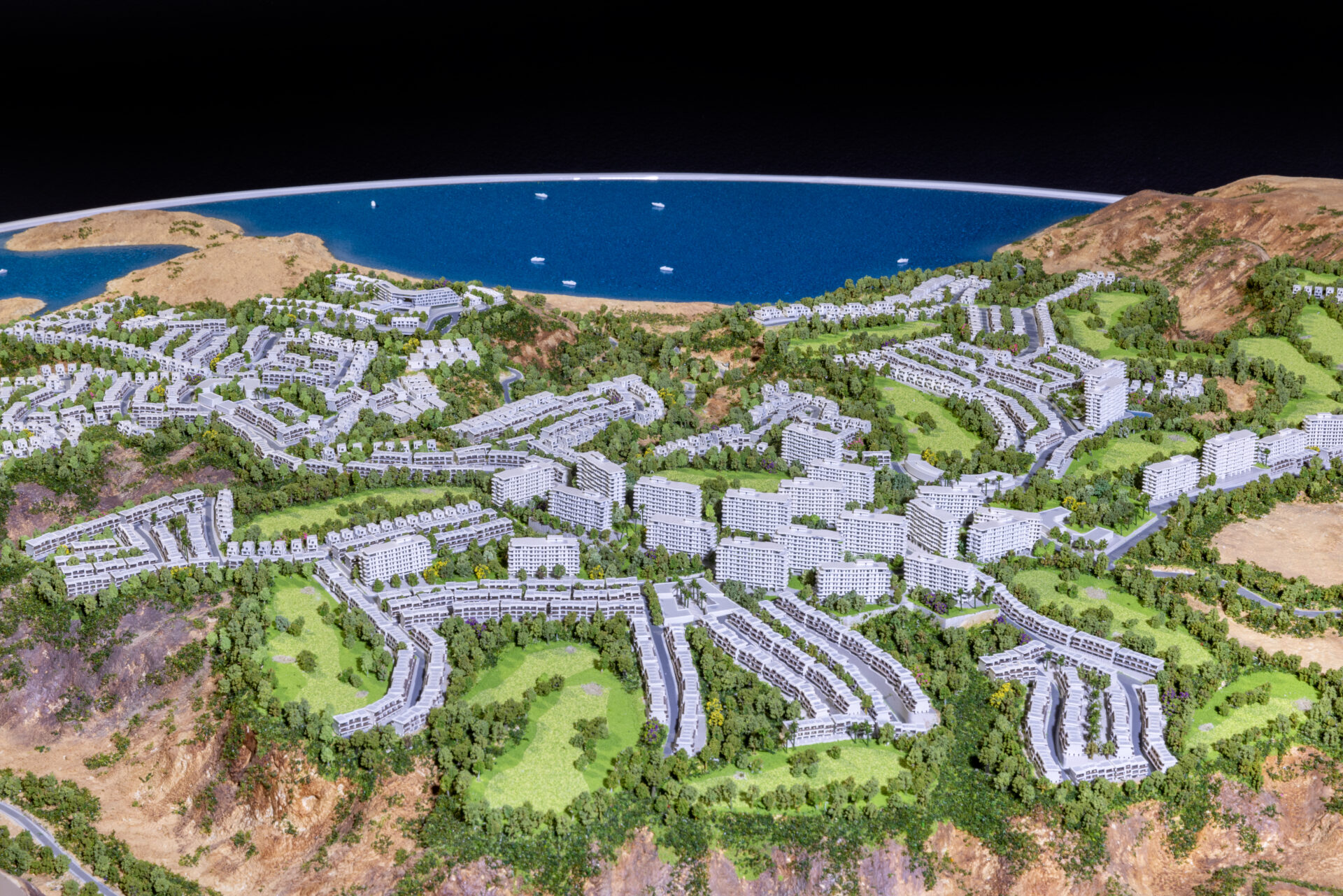
Precision architectural model manufacturing transforms digital designs into highly accurate, tangible models, enabling architects, developers, and clients to visualize projects clearly. These models enhance communication, reveal design challenges early, support approvals, and improve decision-making, making them essential for architectural and industrial project success.
What Is Precision Architectural Model Manufacturing?
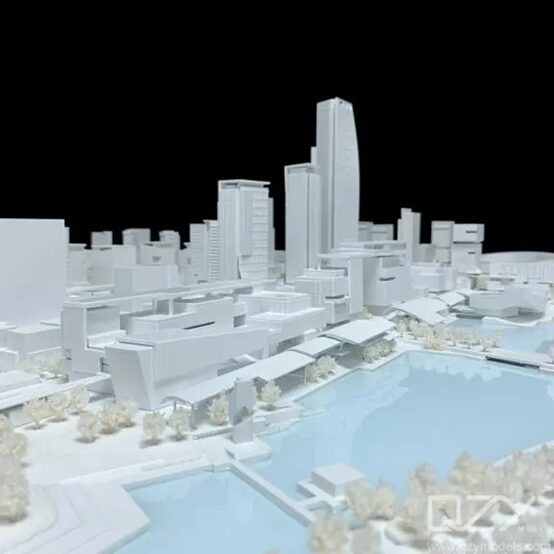
Precision architectural model manufacturing is the creation of scaled physical models that faithfully replicate architectural or industrial designs. Utilizing 3D printing, laser cutting, CNC milling, and expert handcrafting, each model captures every structural and aesthetic detail. This meticulous process allows stakeholders to experience the project physically, improving understanding, validating designs, and supporting informed decision-making throughout the project lifecycle.
Why Is Precision Architectural Model Manufacturing Important?
Precision models act as a tangible bridge between architects, clients, and contractors. They reveal design flaws early, reduce costly construction errors, and provide visual clarity for approvals, presentations, and marketing. By converting complex plans into accessible visuals, they foster collaboration, enhance investor confidence, and ensure a smoother construction process. Accurate models ultimately improve efficiency and project outcomes.
How Does Precision Architectural Modeling Benefit Industrial and Architectural Projects?
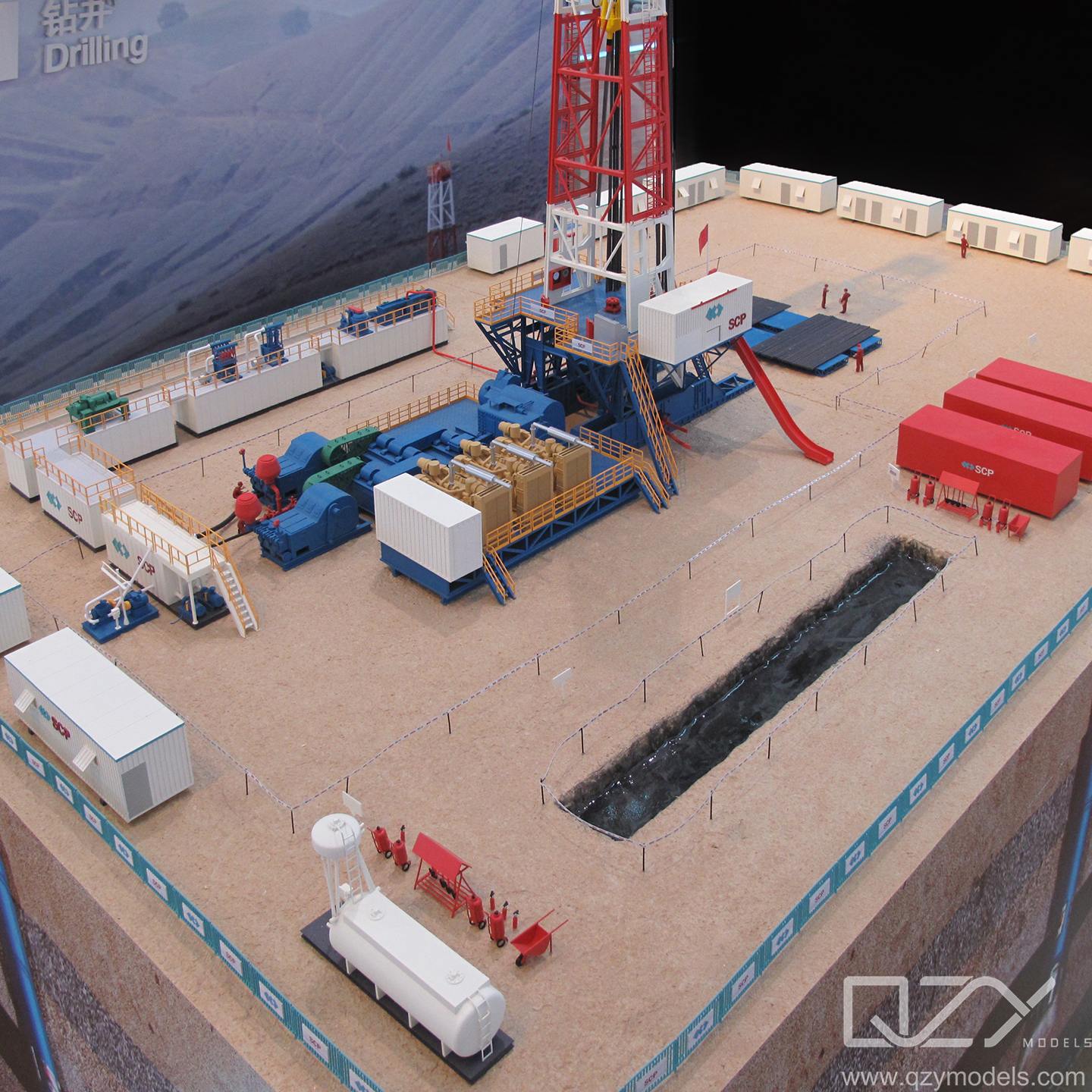
In industrial projects, precision models visualize factory layouts, workflow optimization, and equipment placement, helping stakeholders enhance efficiency, safety, and operational planning. Architectural models communicate building aesthetics, spatial relationships, and structural details, facilitating immersive client presentations and design validation. These models allow teams to foresee challenges, refine solutions, and achieve project goals efficiently.
Which Technologies Are Used in Precision Architectural Model Manufacturing?
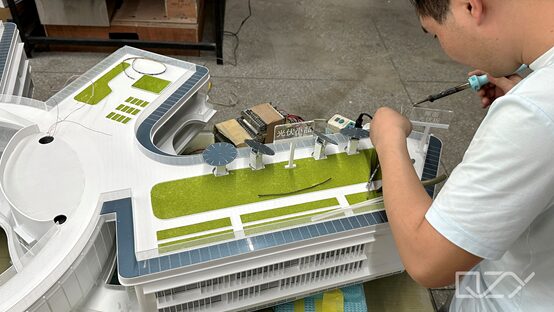
Technologies include 3D printing for intricate geometries, CNC milling for precision components, and laser cutting for detailed, clean edges. Handcrafting provides artistic finishing and customization. QZY Models combines these methods into a hybrid workflow, balancing automation and craftsmanship to produce highly detailed, visually accurate, and structurally precise models that meet client expectations.
| Technology | Purpose | Benefit |
|---|---|---|
| 3D Printing | Complex shapes, fine details | High precision and realism |
| CNC Milling | Structural components | Clean, accurate cuts |
| Laser Cutting | Decorative and structural elements | Fast, precise fabrication |
| Handcrafting | Finishing and customization | Enhanced aesthetic quality |
How Can Clients Choose the Right Manufacturer for Precision Architectural Models?
Clients should assess manufacturers’ portfolios, certifications, and project experience. Working with firms like QZY Models, which has a proven track record with renowned architects and developers, ensures reliability. Clear communication, transparent proposals, and demonstrated capability in delivering customized solutions on time are essential for successful collaboration.
Where Are Precision Architectural Models Most Commonly Used?
Models are widely utilized in architectural firms, real estate development, urban planning, industrial design, and exhibition contexts. They support educational programs, government projects, and high-end private clients. QZY Models serves a global clientele, integrating technical precision with regional insights across the Middle East, Europe, and Asia.
Can Precision Architectural Models Improve Project Communication and Collaboration?
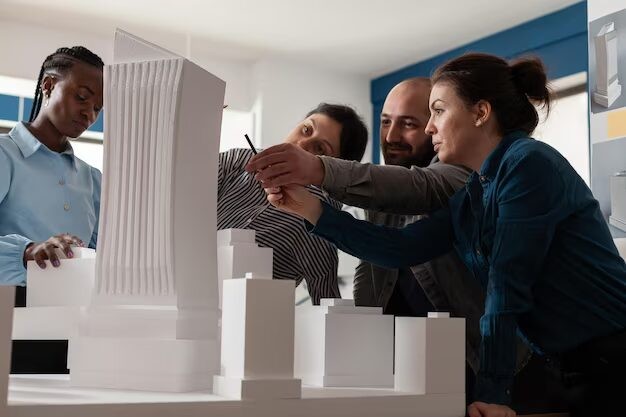
Physical models simplify complex plans, enabling stakeholders to visualize spatial layouts and structural details clearly. They foster collaboration by providing a shared reference, uncovering conflicts, and highlighting design flaws often overlooked in 2D or digital renderings. This improves alignment, accelerates approvals, and streamlines construction.
Does Precision Architectural Model Manufacturing Offer Customization Options?
Yes. Models can be tailored to specific scales, materials, finishes, lighting, and interactive features. QZY Models specializes in creating bespoke models that align with client vision, enhancing presentations and exhibition displays. Customization ensures that each model communicates design intent while meeting unique project requirements.
QZY Models Expert Views
“At QZY Models, each architectural model is a precise representation of the client’s vision. Our global team blends advanced technology with artisanal craftsmanship to ensure every model communicates both technical detail and aesthetic essence. By transforming digital designs into tangible experiences, we support architects and developers in conveying complex projects clearly, facilitating decision-making, and achieving success worldwide.” — Richie Ren, Founder of QZY Models
What Is the Process of Precision Architectural Model Manufacturing?
The process begins with analyzing project requirements and reviewing digital files. Material selection and prototyping follow, then technologies such as 3D printing and laser cutting fabricate components. Models are meticulously assembled, finished, and quality-checked to ensure dimensional accuracy and visual fidelity. QZY Models maintains transparency in timelines, scope, and pricing, guaranteeing client confidence at every stage.
How Do Precision Architectural Models Support Real Estate Marketing?
Precision models allow clients, investors, and buyers to experience a property’s scale, design, and spatial relationships. They enhance marketing by turning abstract designs into interactive visuals, fostering emotional connections, and supporting sales. QZY Models leverages detail and artistry to create models that elevate property presentations and engage target audiences effectively.
Conclusion
Precision architectural models bridge the gap between design and reality, enhancing visualization, communication, and decision-making. Choosing an experienced manufacturer like QZY Models ensures technical accuracy, aesthetic quality, and tailored solutions. Incorporating these models into industrial and architectural projects improves collaboration, accelerates approvals, and delivers compelling presentations that resonate with clients, investors, and stakeholders worldwide.
Frequently Asked Questions
-
What materials are commonly used in precision architectural models?
Acrylic, wood, foam, metal, and resin are commonly chosen for durability and detail. -
How long does it take to produce a precision architectural model?
Timelines vary from weeks to several months, depending on scale and complexity. -
Can digital models be converted into physical precision architectural models?
Yes, CAD and BIM files are standard inputs for model fabrication. -
What is the difference between industrial and architectural models?
Industrial models focus on workflow and equipment layout, while architectural models emphasize building design and aesthetics. -
How much does a precision architectural model cost?
Costs depend on scale, materials, complexity, and customization, ranging from several thousand to tens of thousands of dollars.