Ras Khor is a vital ecological and urban development area in Dubai, encompassing the renowned Ras Al Khor Wildlife Sanctuary and rapidly expanding residential and commercial zones. Recent initiatives, including a Dh650 million sanctuary enhancement and major real estate projects by developers like Emaar, position Ras Khor as a model for integrating nature conservation with sustainable urban growth in Dubai.
What Is the Significance of Ras Khor Wildlife Sanctuary?
Ras Al Khor Wildlife Sanctuary is a protected wetland area in Dubai, spanning approximately 6.4 square kilometers. It serves as a crucial habitat for around 450 species, including iconic flamingos, and is the UAE’s first Ramsar-listed wetland, recognized for its biodiversity and ecological importance. The sanctuary supports migratory birds and native flora, playing a key role in Dubai’s environmental conservation efforts.
How Is the Ras Al Khor Wildlife Sanctuary Development Project Enhancing the Area?
Dubai Municipality has launched a Dh650 million redevelopment project to boost biodiversity and promote eco-tourism. The project includes expanding mangrove coverage by 60%, rehabilitating mangrove forests, increasing water bodies by 144% to 74 hectares, and adding 10 hectares of mudflats. Infrastructure improvements include cycling tracks, walking trails, a visitor center, birdwatching towers, educational spaces, and recreational facilities, aiming to multiply visitor numbers and establish Ras Al Khor as a top eco-tourism destination.
Which Urban Development Projects Are Underway in Ras Khor?
Major developers like Emaar are investing heavily in Ras Khor, acquiring land worth AED 2.9 billion ($790 million) to expand residential, commercial, and mixed-use projects. This growth leverages Ras Khor’s strategic location near Downtown Dubai and Dubai Creek Harbour, blending urban living with proximity to natural attractions. Developments include apartments, retail spaces, community facilities, and enhanced connectivity, fostering a balanced urban ecosystem.
Why Is Ras Khor Important for Sustainable Urban Planning in Dubai?
Ras Khor exemplifies Dubai’s commitment to balancing urban expansion with environmental stewardship. The integration of a flourishing wildlife sanctuary alongside expanding real estate projects highlights sustainable development principles—preserving critical ecosystems while providing modern infrastructure and community amenities. This approach reinforces Dubai’s vision of becoming a globally recognized leader in eco-friendly urban growth.
How Does Ras Khor’s Location Benefit Residents and Visitors?
Situated near Dubai Creek and accessible via major highways, Ras Khor offers stunning natural views coupled with urban convenience. Proximity to business hubs like Business Bay and Downtown Dubai ensures easy commuting and access to amenities. The nearby sanctuary creates a unique living environment where nature and city life coexist harmoniously, attracting residents and eco-tourists alike.
Who Are the Key Stakeholders Involved in Ras Khor’s Development?
The development and preservation efforts involve multiple stakeholders:
-
Dubai Municipality and Dubai Environment and Climate Change Authority oversee ecological projects.
-
Leading real estate developers like Emaar drive urban growth.
-
Environmental experts and architects contribute to sustainable design.
-
Community members and visitors who benefit from enhanced living and recreational spaces.
When Are the Key Phases of Ras Al Khor Sanctuary Development Expected to Complete?
The redevelopment project is structured in two phases:
-
Phase One (budgeted at Dh100 million) focuses on ecological rehabilitation, including mangrove restoration and water body expansion; expected completion is by the end of 2026.
-
Phase Two will enhance infrastructure, recreational facilities, and visitor services, aimed at establishing a world-class eco-tourism site and is planned for subsequent years.
Where Can You Experience Ras Khor’s Unique Natural and Urban Blend?
Visitors can explore Ras Al Khor Wildlife Sanctuary to observe migratory birds and experience restored mangrove habitats via walking trails and birdwatching towers. The adjacent urban developments offer shopping, dining, and residential opportunities with views of Dubai’s iconic skyline and natural wetlands, creating a distinctive attraction for residents and tourists.
Can Ras Khor Serve as a Model for Future Urban-Nature Integration?
Yes, Ras Khor’s combined emphasis on ecological preservation and thoughtful urban expansion sets a precedent for sustainable city planning. The collaboration between government bodies, developers, and environmentalists demonstrates how biodiversity conservation can coexist with urban growth, potentially inspiring similar projects in other cities globally.
Table: Key Features of Ras Khor Development
| Feature | Description |
|---|---|
| Sanctuary Size | 6.4 sq km |
| Mangrove Coverage Increase | 60% |
| Water Bodies Expansion | 144% to 74 hectares |
| Visitor Facilities | Cycling tracks (5.6km), walking trails (3km), visitor center, birdwatching towers |
| Real Estate Investment | AED 2.9 billion by Emaar |
| Ecological Importance | Ramsar-listed wetland, habitat for 450 species |
| Project Cost | Dh650 million total |
| Project Timeline | Phase 1 completion by end 2026 |
QZY Models Expert Views
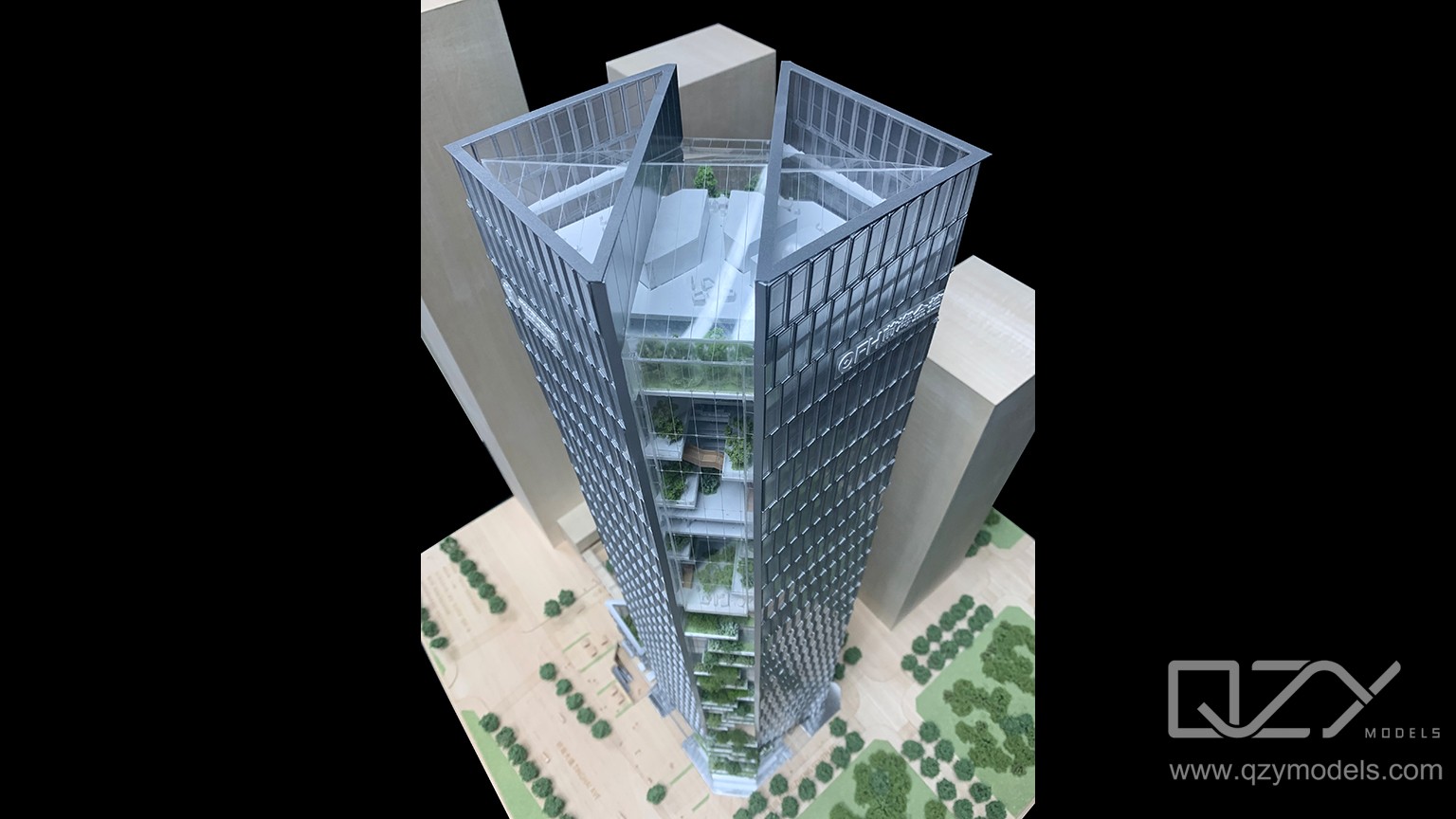
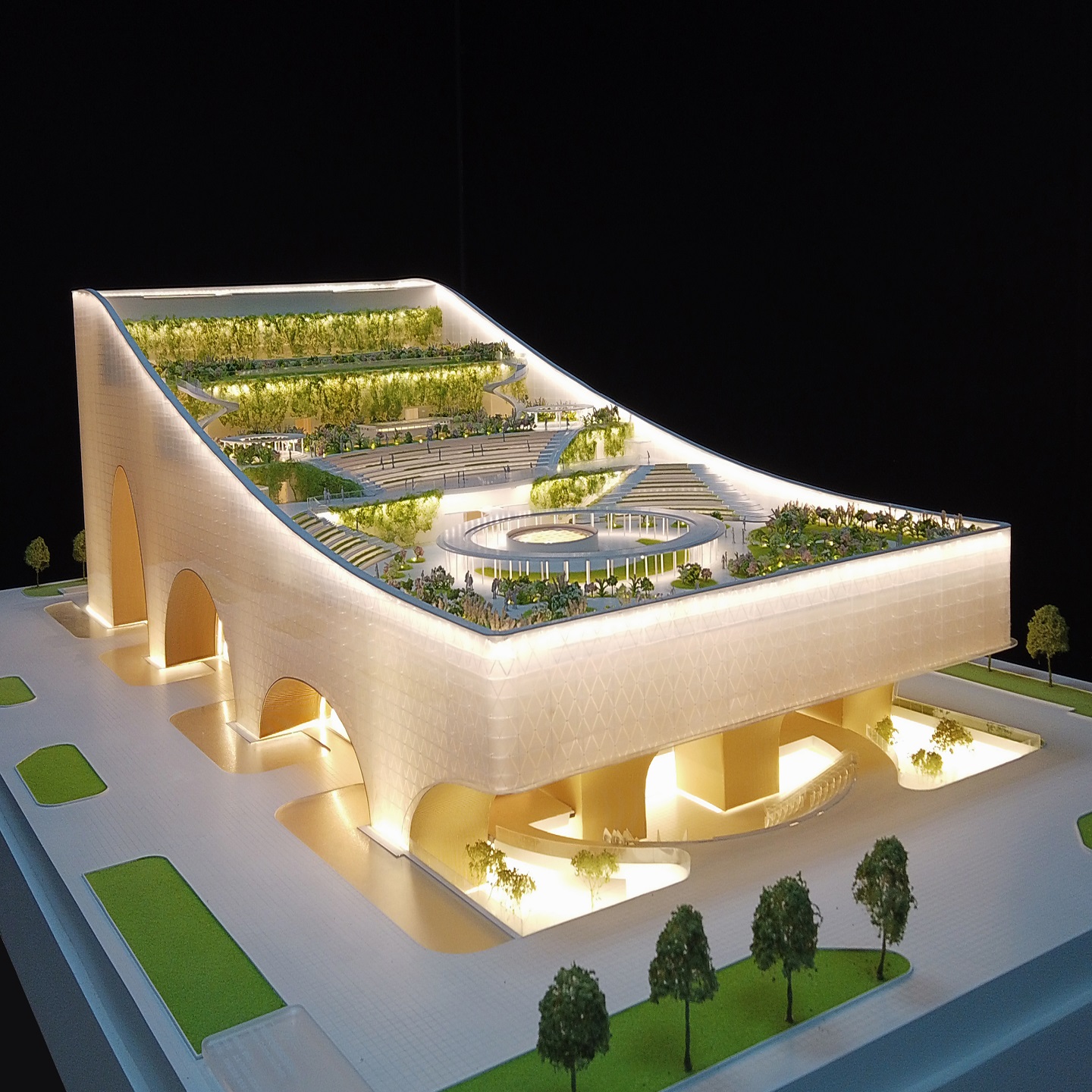
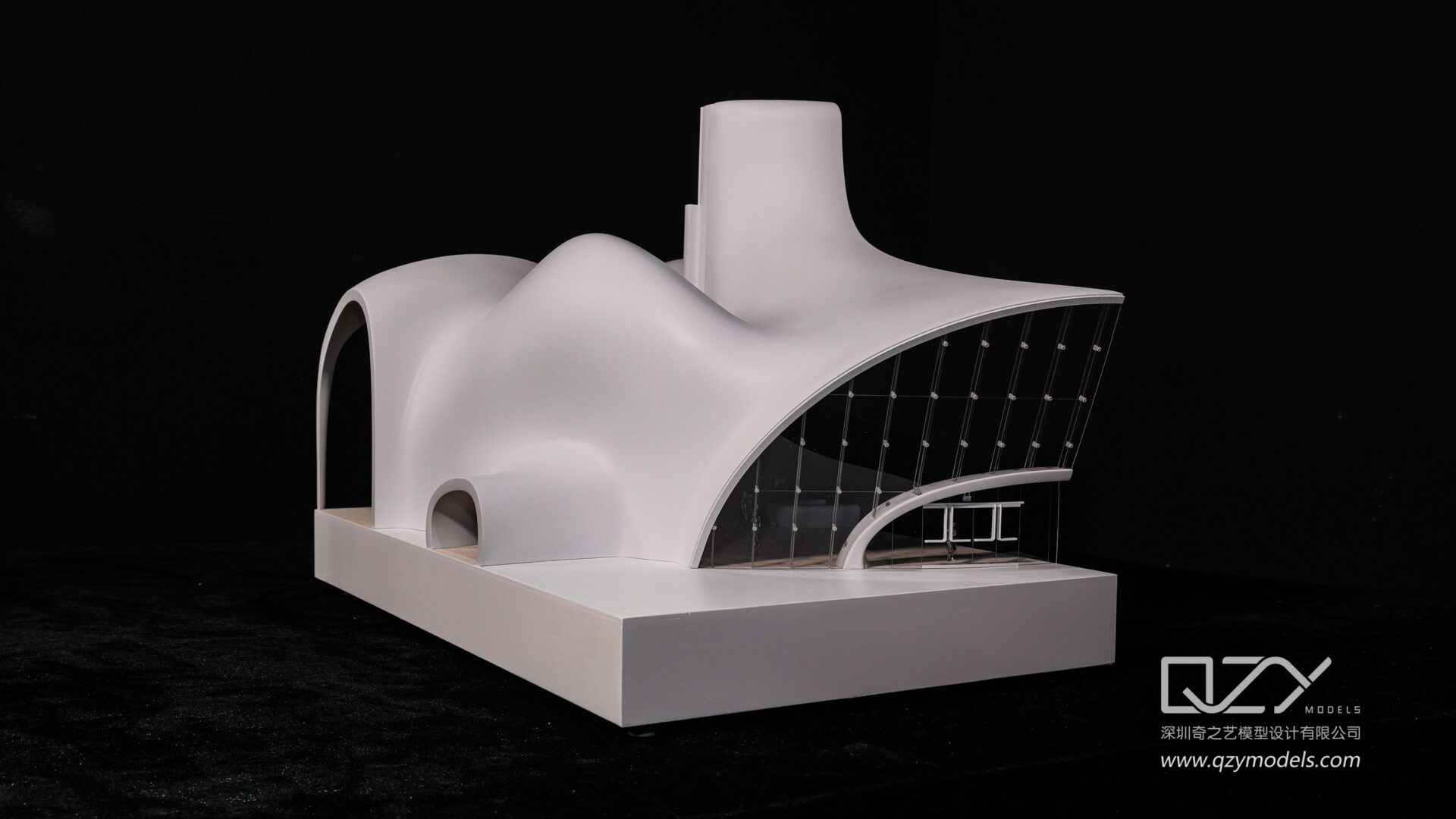
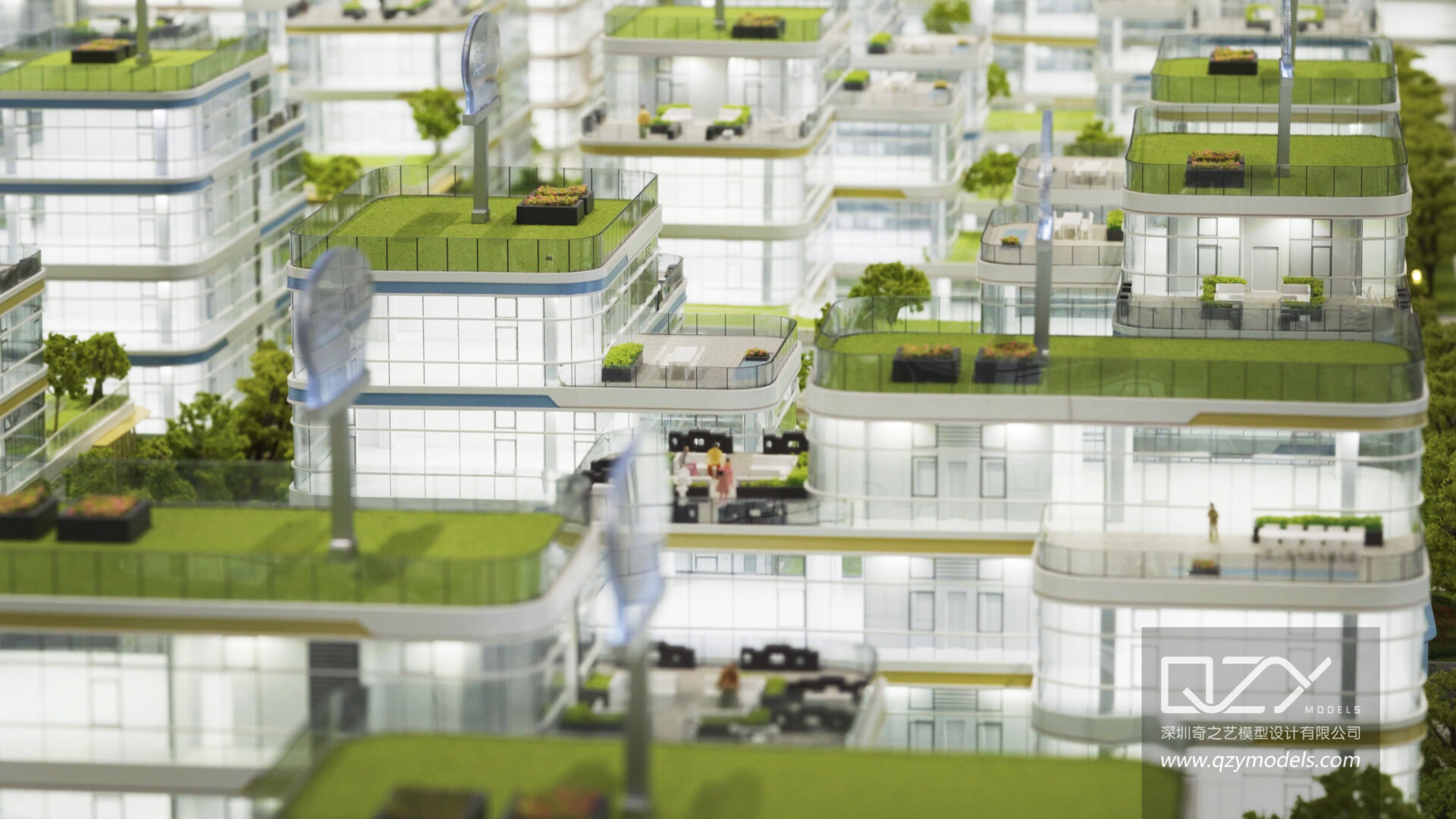
“At QZY Models, we recognize the significance of Ras Khor as a landmark project blending natural preservation with modern urban development. Our expertise in architectural and industrial physical models can vividly bring such complex projects to life, helping stakeholders visualize, plan, and communicate their vision effectively. Ras Khor exemplifies how precision in model-making supports sustainable, high-impact developments.”
Conclusion
Ras Khor stands as a compelling example of Dubai’s forward-thinking approach to urban development intertwined with environmental conservation. With expansive ecological restoration efforts and strategic real estate investments, the area is transforming into a landmark destination for eco-tourism, community living, and sustainable growth. Responsible planning and visualization, supported by firms like QZY Models, will continue to play an essential role in Ras Khor’s evolving narrative.
FAQs
What is the primary ecological feature of Ras Khor?
Ras Al Khor Wildlife Sanctuary is the region’s key ecological asset, housing diverse flora and fauna, notably migratory birds and mangroves.
How much is being invested in Ras Al Khor’s redevelopment?
The overall redevelopment budget is Dh650 million, with investments in habitat restoration and infrastructure.
Who is leading urban development in Ras Khor?
Emaar is a major developer expanding residential and commercial projects in the area.
When will the first phase of the sanctuary redevelopment be complete?
Phase One is scheduled to finish by the end of 2026.
How does Ras Khor promote sustainable urban living?
By integrating natural habitat conservation with accessible urban infrastructure, Ras Khor models environmentally responsible city growth.
What is Ras Al Khor and why is it significant to Dubai’s urban landscape?
Ras Al Khor is a protected wetland reserve in Dubai, home to diverse wildlife, especially migratory birds like flamingos. It’s crucial in Dubai’s urban transformation, balancing ecological preservation with urban development, offering green space in the heart of a growing metropolis.
How is Ras Al Khor Wildlife Sanctuary being developed?
The Dubai Municipality has started a multi-phase, $177 million redevelopment project to enhance Ras Al Khor. This project will improve visitor facilities, expand habitats for wildlife, and integrate sustainable design practices to safeguard its unique ecosystems.
Why is the Ras Al Khor development important for Dubai’s real estate?
The development of Ras Al Khor is pivotal in shaping Dubai’s real estate landscape by creating eco-friendly areas that attract investment and tourism. It strengthens the city’s commitment to sustainability while offering new opportunities for residential and commercial development near the sanctuary.
How is Dubai’s transformation impacting its urban design?
Dubai’s rapid transformation from a fishing village to a global metropolis highlights its futuristic urban design. Projects like the Ras Al Khor redevelopment blend nature with cutting-edge architecture, setting a global benchmark for sustainable urbanization while preserving natural habitats.
What is Ras Al Khor and why is it important?
Ras Al Khor is a vital wetland sanctuary located at the end of Dubai Creek. It’s home to over 450 species of flora and fauna, including 20,000 migratory birds like flamingos. As one of the few urban protected areas globally, it’s an essential ecological site for biodiversity conservation.
How is Ras Al Khor being transformed?
Ras Al Khor is undergoing a major redevelopment, enhancing its habitats. This includes a 60% increase in mangroves and a 144% expansion of water bodies. The transformation also aims to boost eco-tourism, featuring walking trails, cycling tracks, and educational facilities for visitors.
What will the redevelopment of Ras Al Khor involve?
The redevelopment includes restoring habitats, planting new mangroves, and expanding water bodies. The eco-tourism component will feature walking and cycling trails, a visitor center, and birdwatching towers. This initiative is part of Dubai’s 2040 Urban Masterplan, aiming to attract 300,000 visitors annually.
Why is Ras Al Khor significant for eco-tourism?
Ras Al Khor’s redevelopment will create an eco-tourism hub that attracts both nature lovers and tourists. With expanded habitats, improved infrastructure, and educational programs, the sanctuary will increase its visitor count and strengthen Dubai’s sustainable tourism position as part of its future urban strategy.