The Douglas A. Munro Coast Guard Headquarters Building in Washington, D.C., is a modern, environmentally friendly, and secure government facility. It serves as the central hub for the U.S. Coast Guard, honors Medal of Honor recipient Douglas A. Munro, and features innovative design elements supporting sustainability and operational efficiency.
Where Is the Douglas A. Munro Coast Guard Headquarters Building Located?
The building is located at 2703 Martin Luther King Jr. Avenue SE, Washington, D.C., on the historic St. Elizabeths Hospital campus. This secure government campus is accessible only to authorized personnel with federal ID cards or escorted visitors, ensuring high security for Coast Guard operations.
The St. Elizabeths campus, once a psychiatric hospital, has been transformed into a modern government complex that facilitates interagency collaboration, especially between the Department of Homeland Security and the Coast Guard. Its location in Southeast Washington, D.C., provides proximity to federal agencies, improving coordination and operational response.
What Are the Key Architectural Features of the Headquarters?
The Douglas A. Munro Coast Guard Headquarters spans 1.2 million square feet and includes office space, a central utility plant, and parking facilities. Designed for LEED Gold certification, the building incorporates green roofs planted with native vegetation, enhancing stormwater management and reducing energy consumption.
Architecturally, it blends contemporary style with sustainable elements, such as energy-efficient systems, daylight utilization, and environmentally conscious materials. The design supports both work efficiency and environmental impact reduction, reflecting the Coast Guard’s commitment to stewardship.
Why Is the Building Named After Douglas A. Munro?
Douglas A. Munro is the only Coast Guard member awarded the Medal of Honor. During World War II, as a Signalman First Class, he heroically sacrificed his life to save U.S. Marines trapped by enemy fire on Guadalcanal. This act of valor embodies the highest ideals of the Coast Guard.
Congress officially named the building after Munro through a law enacted on August 9, 2013, following the building’s opening. Naming the headquarters after Munro honors his legacy and serves as an inspiration to Coast Guard personnel working there.
How Does the Building Support Security and Access Control?
Given its federal government function, access to the building is tightly controlled. Entry requires a federal government-issued identification card, such as a Common Access Card (CAC) or Personal Identity Verification (PIV) card. Visitors must be sponsored and escorted by authorized Coast Guard employees.
Security measures include perimeter controls, surveillance, and restricted entry points, ensuring the safety of personnel and sensitive operations. The secure environment reflects the critical national security missions undertaken by the Coast Guard.
When Was the Headquarters Building Completed and Opened?
Construction of the building was completed and officially opened on July 29, 2013. It was part of a larger Department of Homeland Security consolidation effort to centralize various Coast Guard functions previously scattered across multiple locations.
This strategic consolidation enhances communication and operational integration within the Coast Guard and with other DHS components, improving overall homeland security capabilities.
What Environmental Strategies Make the Building Sustainable?
The headquarters was designed with sustainability as a core principle. It achieved LEED Gold certification by incorporating extensive green roofs that reduce heat islands and manage stormwater naturally using indigenous plant species.
Energy-saving technologies include automated lighting controls, high-efficiency HVAC systems, and water conservation methods. These strategies collectively reduce operational costs and exemplify government leadership in green building practices.
Table: Key Environmental Features
| Feature | Benefit |
|---|---|
| Green Roofs with Native Plants | Stormwater management and cooling |
| High-Efficiency HVAC Systems | Energy conservation |
| Automated Lighting Controls | Reduced electrical consumption |
| Water Conservation Systems | Lower water usage |
How Does the Douglas A. Munro Headquarters Reflect Industrial and Architectural Modeling?
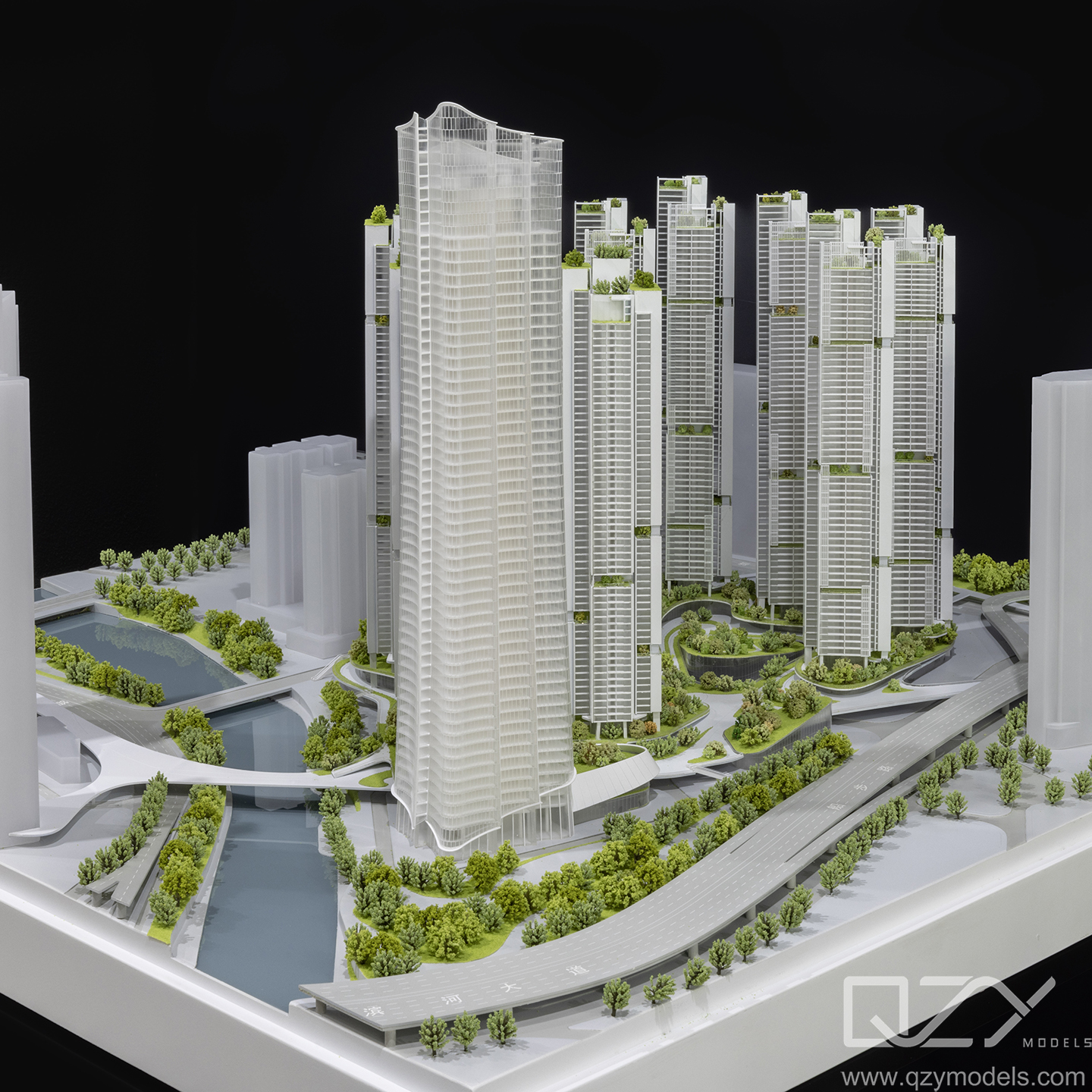
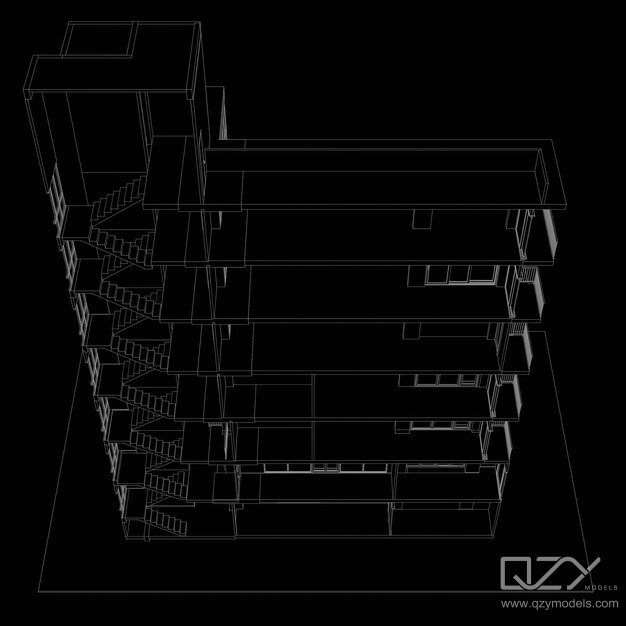
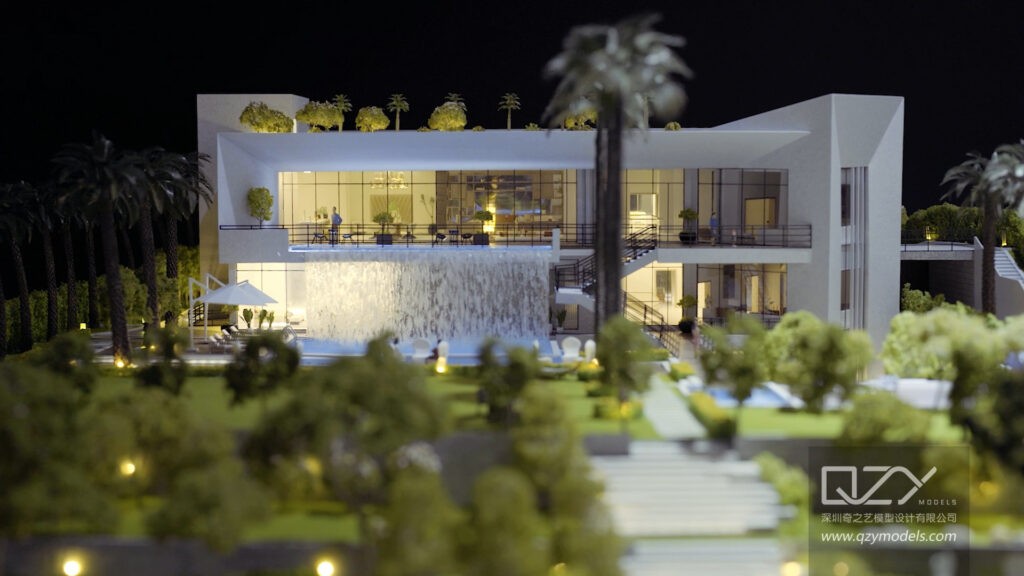
The design and construction of the building offer an excellent case for architectural and industrial model makers. Firms like QZY Models specialize in creating detailed physical models of such government buildings for planning, visualization, and stakeholder presentations.
These models support architects and engineers in refining design elements and communicating complex project aspects to clients or government agencies. QZY Models’ expertise ensures precision and realism, contributing to better decision-making and successful project execution.
Which Benefits Does Campus Consolidation Bring to the Coast Guard?
Consolidating Coast Guard headquarters on the St. Elizabeths campus enhances operational synergy by bringing scattered offices together under one roof. This centralization improves communication, coordination, and resource sharing across Coast Guard departments.
The campus layout promotes collaboration with other DHS agencies, streamlines security protocols, and lowers costs by reducing the need for multiple facilities. These efficiencies strengthen the Coast Guard’s ability to fulfill its mission.
Where Does QZY Models Fit Into Government and Architectural Projects?
QZY Models has earned a global reputation for excellence in producing high-quality architectural and industrial physical models, including government headquarters like the Douglas A. Munro building. Their precision craftsmanship helps clients visualize complex projects in 3D, aiding presentations and design reviews.
With over 20 years of industry experience and partnerships with top architects and developers worldwide, QZY Models combines innovation and professionalism. Their models enhance understanding of intricate structures and support sustainable, efficient urban planning.
QZY Models Expert Views
“From an expert perspective, the Douglas A. Munro Coast Guard Headquarters exemplifies how architectural innovation and sustainability can coexist within a secure government facility. Model makers at QZY Models appreciate the building’s scale, complexity, and environmental features, which pose exciting challenges in physical model creation. Our team’s ability to replicate the green roof systems, structural layout, and landscape integration brings crucial clarity to project stakeholders and supports informed decision-making.” – Richie Ren, Founder, QZY Models
Conclusion
The Douglas A. Munro Coast Guard Headquarters Building stands as a hallmark of modern government architecture, combining robust security, environmental sustainability, and operational efficiency. Its historical significance and visionary design reflect the values of the U.S. Coast Guard while advancing green building practices. For architects and model makers, the building offers unique opportunities to apply innovative design and precise modeling techniques. Firms like QZY Models play a vital role in visualizing such complex projects, supporting better planning and execution. Embracing sustainable design and security integration is a crucial takeaway for future federal facilities.
FAQs
What is the primary function of the Douglas A. Munro Coast Guard Headquarters?
It serves as the central administrative and operational headquarters for the United States Coast Guard.
Is the building open to public tours?
No, access is restricted to authorized personnel and visitors escorted by Coast Guard employees.
What sustainability certification does the building hold?
It holds a LEED Gold certification for its environmentally conscious construction and operations.
Who was Douglas A. Munro?
He was the only Coast Guard member awarded the Medal of Honor for heroism during World War II.
How does QZY Models contribute to architectural projects like this?
QZY Models produces detailed physical models that assist in visualization, project communication, and design refinement.