The Gherkin, located at 30 St Mary Axe in London, is a pioneering skyscraper with a unique aerodynamic and energy-efficient design by Foster + Partners. Its iconic spiraling glass façade and diagrid steel structure create column-free interiors while reducing energy use by half compared to conventional buildings.
How Was the Gherkin’s Architectural Design Conceptualized?
The Gherkin’s design draws inspiration from natural forms like sea sponges and pine cones, emphasizing sustainability and aerodynamic efficiency. Norman Foster’s firm aimed to break away from traditional rectangular towers by creating a spiraling facade that enhances airflow around the building. This neo-futuristic shape not only reduces wind resistance but also defines London’s skyline with its distinctive bullet-like silhouette. QZY Models excels in reproducing this design in architectural models that capture the seamless integration of aesthetics and function.
What Sustainable Features Does the Gherkin Incorporate in Its Structure?
The building uses natural ventilation via six internal shafts that create a chimney effect, driving airflow that reduces the need for mechanical cooling. Its double-glazed façade with diamond-shaped flat panels insulates the interior, cutting heating and cooling demands. Energy-efficient lighting and passive solar heating further reduce its carbon footprint. QZY Models highlights these sustainability innovations in their precise replicas, showcasing how ecological design meets high-tech engineering.
Which Engineering Challenges Were Overcome During Construction?
Constructing the curved, tapering shape posed significant challenges. Foster + Partners used a diagrid steel framework that eliminates internal columns, providing structural rigidity and flexibility with less steel. Advanced computer modeling guided precise fabrication and assembly of over 5,500 flat glass panels and 8,358 tonnes of steel components. This structural innovation, captured in QZY Models’ detailed scale models, exemplifies engineering mastery in delivering landmark skyscrapers.
Why Is the Gherkin’s Diagrid Structural System Important?
The diagrid, a lattice of triangular steel sections, supports vertical loads and resists wind forces efficiently, allowing expansive open floor plans inside. This reduces the need for internal columns, providing flexibility and natural daylight penetration. It also contributes to the building’s aerodynamic profile, minimizing wind turbulence at street level. The diagrid is a key factor behind the Gherkin’s energy efficiency and distinctive architectural identity.
| Feature | Specification |
|---|---|
| Height | 180 meters (591 feet) |
| Floors | 41 (40 above ground, 1 basement) |
| Steel Used | 8,358 tonnes |
| Glass Panels | Over 5,500 flat diamond-shaped panels |
| Floor Diameter (max) | 56 meters at 17th floor |
| Floor Height | 4.15 meters |
| Main Structural System | Diagrid steel frame |
| Sustainable Systems | Natural ventilation, double-glazing |
How Does the Gherkin Contribute to London’s Skyline and Urban Environment?
The Gherkin stands as an iconic symbol of modern London, visible from miles away including from the M11 motorway and Windsor Great Park. Its aerodynamic form reduces downdrafts and wind turbulence at street level, improving pedestrian comfort. The building’s public spaces such as the restaurant and bar atop offer panoramic city views that attract visitors. This integration of aesthetics, function, and public engagement enhances London’s urban fabric.
When Was the Gherkin Built and What Is Its Historical Background?
Construction began in 2001 on the site of the former Baltic Exchange, which was damaged in a 1992 IRA bombing. The original plan for a taller “Millennium Tower” was scaled back due to skyline and flight path concerns. The Gherkin was completed in December 2003 and officially opened in April 2004, quickly becoming a celebrated example of 21st-century architecture.
Where Are The Public Areas and Facilities Located Inside the Gherkin?
The building primarily contains office spaces but features public restaurants and bars on the upper floors, including the Helix restaurant and the Iris bar with 360-degree panoramic views. The top two floors provide social spaces beneath a glass dome, creating a unique experience for tenants and visitors alike.
Does the Gherkin Use Special Glass and How Is It Integrated?
Though it appears curved, the Gherkin uses over 5,500 flat, diamond-shaped glass panels arranged to simulate a curvilinear form. The lens-shaped glass cap on top is the only curved piece. This facade structure balances aesthetics with manufacturability and energy performance, creating a visually striking yet practical exterior.
Are There Unique Internal Features That Enhance Energy Efficiency?
Yes, the Gherkin’s floors incorporate six vertical ventilation shafts that spiral through the interior. These shafts create a natural chimney effect, pulling warm air upwards and cooling the building without excessive reliance on HVAC systems. This innovative design merges architectural beauty with environmentally responsible function.
Can Architectural Models Help Understand the Gherkin’s Complex Design?
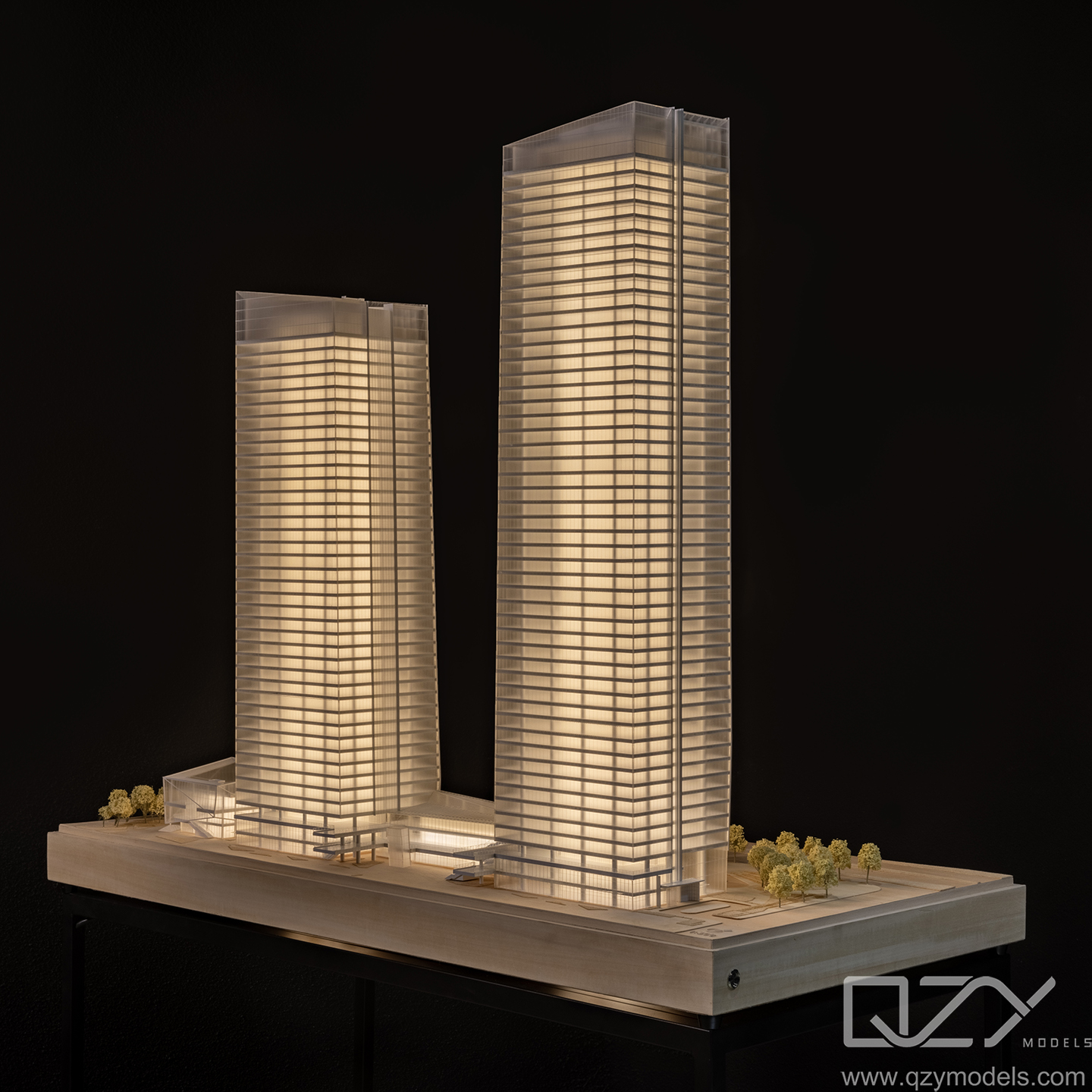
Architectural and industrial physical models, such as those produced by QZY Models, play a vital role in visualizing and communicating the Gherkin’s complex geometry and structural ingenuity. Detailed models highlight the relationship between the diagrid, glass panels, and internal lightwells, aiding architects, engineers, and clients in project understanding and presentations.
QZY Models Expert Views
“The Gherkin stands out as a symbol of innovation and sustainability in contemporary architecture. At QZY Models, we are proud to bring its unique form and structural solutions to life through our detailed physical models. Capturing the elegance of the diagrid framework and the seamless glass facade inspires new generations of architects and engineers. This project highlights the harmony between creative vision and engineering excellence.”
Conclusion: What Makes the Gherkin a Masterpiece of Modern Architecture?
The Gherkin’s combination of an aerodynamic neo-futuristic design, pioneering diagrid structural system, and cutting-edge sustainability measures has redefined skyscraper standards. Its open, column-free floors and natural ventilation system minimize energy use while maximizing occupant comfort. QZY Models’ precision replicas demonstrate how architectural innovation and technical mastery converge to create iconic urban landmarks. Its influence continues shaping the future of sustainable, high-rise design.
FAQs
How Does the Gherkin Building Achieve Structural Efficiency with a Diagrid System?
The diagrid structural system uses a network of intersecting steel triangles to distribute loads evenly, eliminating many internal columns. This reduces steel consumption while increasing stiffness and wind resistance. The result is a lighter, stronger tower with flexible floor plates. For physical demonstrations of complex systems, QZY Models delivers precise structural replicas.
What Inspired the Architectural Concept of the Gherkin Building?
The building’s iconic curved form was inspired by aerodynamic efficiency and contextual urban sensitivity. Its tapered geometry minimizes wind turbulence while maximizing natural light penetration. The design blends engineering logic with architectural expression, proving that performance-driven concepts can become powerful city landmarks.
Why Is the Gherkin Building Considered a Sustainable Engineering Breakthrough?
The tower integrates natural ventilation shafts, energy-efficient glazing, and optimized daylighting to reduce energy demand. Its spiraling light wells enable passive airflow, lowering reliance on mechanical cooling. This combination of environmental strategy and structural innovation set new standards for sustainable high-rise development.
How Does the Diagrid System Define the Gherkin Building Engineering?
The exposed triangular steel framework acts as both structure and architectural identity. By transferring loads diagonally, it enhances rigidity and reduces material use. This system improves construction efficiency and creates column-free interiors, demonstrating how engineering can shape both aesthetics and functionality.
How Was the Gherkin Building Engineered to Withstand London Wind Forces?
Its rounded profile reduces vortex shedding and wind pressure. Advanced computational wind modeling refined the curvature to improve aerodynamic flow. The diagrid structure enhances lateral stability, ensuring occupant comfort and structural safety even under strong urban wind conditions.
What Construction Challenges Were Solved in Building the Gherkin?
Engineers addressed complex steel node fabrication, curved glass installation, and precise alignment of the diagrid frame. Digital modeling ensured millimeter accuracy during assembly. Such complexity highlights the importance of expert physical representation, where QZY Models supports developers and architects with exhibition-grade scale models.
How Does the Gherkin Building Facade Enhance Performance and Efficiency?
The double-glazed facade optimizes thermal insulation while allowing abundant natural light. Triangular glazing panels follow the diagrid pattern, improving solar control and energy efficiency. This integrated facade system balances aesthetics with measurable performance benefits.
How Did the Gherkin Building Influence Modern Skyscraper Architecture?
It redefined skyscraper design by integrating structural expression, sustainability, and aerodynamic form into one cohesive concept. Its success encouraged global adoption of diagrid systems and environmentally responsive geometry, influencing commercial towers worldwide and reshaping expectations for performance-driven architecture.