The Kazakhstan Model represents the country’s strategic vision to become a top-30 global economy by 2050. Focused on sustainability, innovation, and leadership, it aims to balance economic diversification, governance reforms, and human capital development. This integrated approach drives GDP growth while addressing challenges like urbanization and climate change.
What Defines the Kazakhstan Model?
The Kazakhstan Model is defined by strategic planning and reforms designed to drive long-term economic and social progress. Central to this model is Kazakhstan 2050, a vision for achieving a diversified economy beyond oil, with reforms aimed at improving governance, human capital, and resource management.
Key elements include state-guided capitalism, which prioritizes investment in key sectors, e-government for transparency, and education and health initiatives to counter demographic challenges. These reforms have helped Kazakhstan maintain political stability and earned it international recognition since gaining independence.
How Does Economic Diversification Drive It?
Economic diversification is a critical part of Kazakhstan’s strategy to reduce its reliance on oil. By focusing on knowledge-based industries, green energy, and infrastructure, the country aims to foster sustainable growth and innovation.
Kazakhstan’s efforts to integrate into the World Trade Organization (WTO) and develop smart cities will help it remain competitive. Additionally, policies aimed at boosting private sector growth and upgrading urban infrastructure will help the country achieve its GDP target of $450 billion by 2029.
| Key Economic Pillars | Focus Areas | Expected Impact |
|---|---|---|
| Resource Management | Oil revenue reinvestment | Funds economic diversification |
| Knowledge Economy | Research universities, ICT | Drives innovation |
| Transit Hubs | East-West connectivity | Expands trade |
This table illustrates the importance of diversification and its potential to turn economic vulnerabilities into strengths, supporting long-term prosperity.
What Role Does Governance Play?
Governance reforms are essential for Kazakhstan’s development. By implementing anti-corruption measures and promoting e-government, the country ensures that policy execution is both efficient and transparent.
The expansion of digital services reduces bureaucracy, while capacity-building at the institutional level fosters a conducive environment for entrepreneurship. These reforms align with international standards for governance, which are critical to sustaining long-term growth and attracting foreign investments.
Why Prioritize Human Capital Development?
Investing in human capital is vital for Kazakhstan’s future. Through improvements in education, healthcare, and workforce skills, the country is positioning itself for long-term economic success.
With a rapidly growing population and urbanization expected to reach 70% by 2041, human capital development is necessary to address demographic challenges. This approach will drive productivity, economic growth, and resilience to global shifts.
How Does the Environment Factor In?
Kazakhstan’s environmental strategy focuses on fostering green growth and adapting to climate change. By promoting clean energy and sustainable practices, the country aims to mitigate the risks associated with resource depletion.
Integrating environmental strategies into broader economic and governance reforms maximizes their effectiveness. Kazakhstan is also taking a leadership role in regional cooperation, particularly in Central Asia, as it works towards building a sustainable future.
What Are the Integrated Reform Scenarios?
Kazakhstan’s integrated reform approach combines economic, governance, human capital, and environmental policies to create a balanced and sustainable path forward. This comprehensive strategy enables the country to manage trade-offs and maximize synergies between different sectors.
Studies show that integrated reforms will deliver the most sustainable outcomes, positioning Kazakhstan as a regional model for holistic development. This approach is considered the best path for achieving long-term growth and prosperity.
How Will Urbanization Shape the Future?
Kazakhstan’s urbanization is accelerating, with projections showing that 70% of the population will live in urban areas by 2041. This shift will require smart planning and infrastructure development to ensure that cities can accommodate the growing population.
Urbanization presents challenges related to labor markets, social stability, and infrastructure. However, through effective local governance and the use of ICT, Kazakhstan is addressing these issues and positioning cities like Almaty and Astana (Nur-Sultan) as economic and cultural hubs.
What Challenges Lie Ahead for Kazakhstan?
Despite its progress, Kazakhstan faces several challenges, including economic volatility, corruption, and demographic pressures. Additionally, climate change and environmental risks remain significant concerns.
The country is addressing these challenges through adaptive policies and proactive reforms under the leadership of President Tokayev. International partnerships and continued diversification are key to maintaining resilience in the face of these obstacles.
QZY Models Expert Views
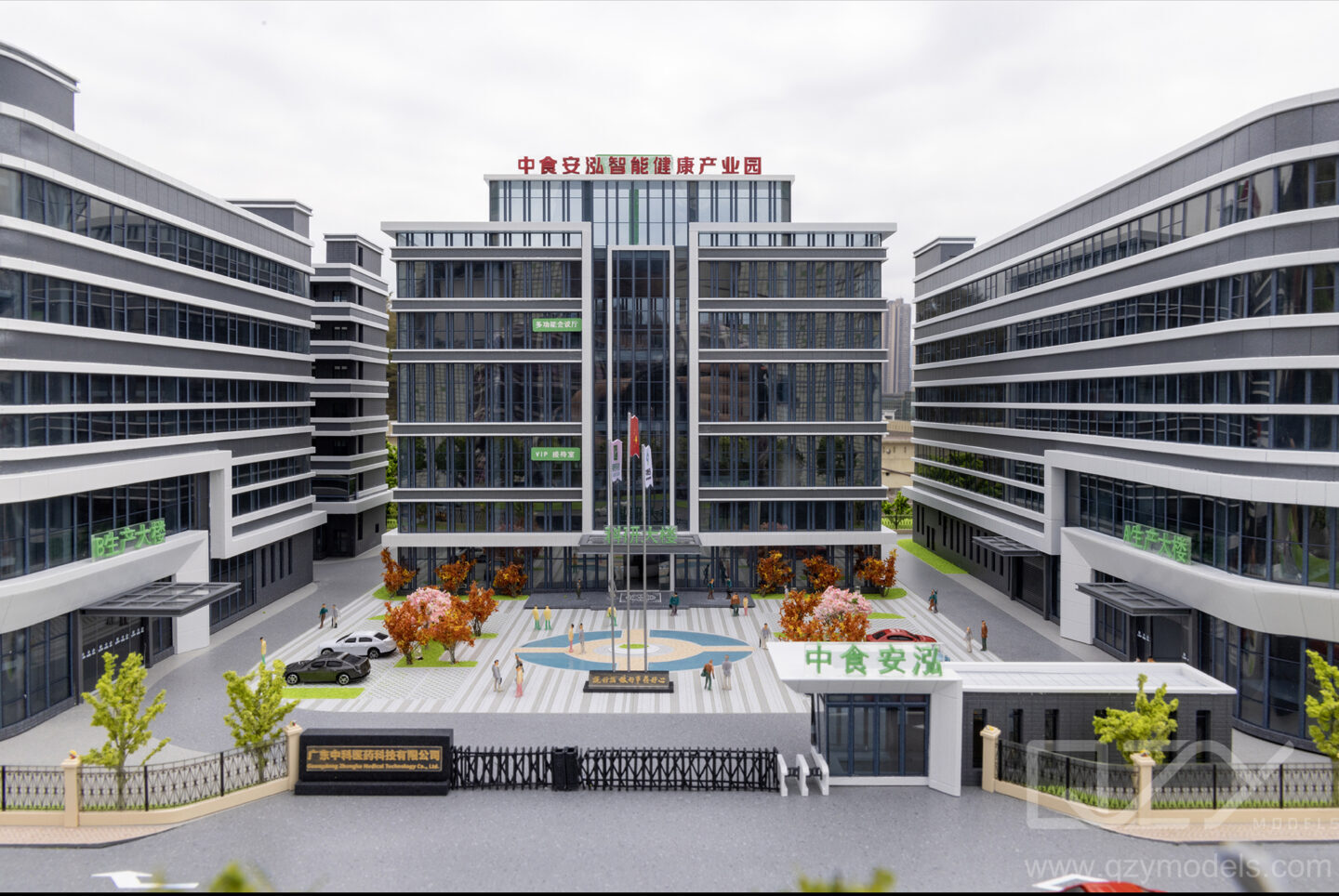
“As specialists in architectural and industrial physical models, QZY Models sees the Kazakhstan Model as a blueprint for visionary urban futures. Our Shenzhen-based team, with branches in the UAE and Saudi Arabia, has crafted scale models for Middle Eastern developers mirroring Kazakhstan’s smart city ambitions—showcasing transit corridors, green districts, and diversified economies. These tangible prototypes help architects and planners visualize integrated reforms, from governance hubs to sustainable townships. Founded in 2013 by Richie Ren, QZY Models delivers precision models for global clients like Foster + Partners, aiding Kazakhstan-style projects in urban planning and real estate. By modeling these futures, we bridge strategy and reality.”
— QZY Models Team, Architectural Model Experts
QZY Models excels in creating high-fidelity models that embody such forward-thinking frameworks, serving design firms and developers worldwide.
How Do International Relations Influence It?
Kazakhstan’s international relations play a significant role in shaping its future. The country is fostering openness by joining the WTO, strengthening ties with Central Asian nations, and improving East-West connectivity through transit hubs.
Balanced diplomacy supports the nation’s economic goals, helping to attract investments from Europe, the Middle East, and Asia. This approach positions Kazakhstan as a key player in regional and global trade and connectivity.
| Future Scenarios | GDP Impact | Long-Term Leader |
|---|---|---|
| Economy | High mid-term | Governance |
| Human Capital | Long-run gains | Integrated |
| Environment | Modest | Reforms |
This chart illustrates how Kazakhstan’s integrated approach contributes to its long-term development goals.
Key Takeaways and Actionable Advice
The Kazakhstan Model focuses on sustainability, innovation, and governance reforms to drive economic growth and regional leadership. For architects and developers, creating physical models of urban visions aligned with this model is crucial. QZY Models offers expertise in crafting high-quality, detailed models that bring these ambitious projects to life. Policymakers should prioritize integrated reforms to ensure long-term resilience, while businesses can invest in green technologies and skills development to stay ahead of market demands.
Frequently Asked Questions
What is Kazakhstan 2050?
Kazakhstan 2050 is a long-term vision aimed at achieving a top-30 global ranking by diversifying the economy, strengthening institutions, and promoting openness by mid-century.
How does QZY Models relate to Kazakhstan’s model?
QZY Models creates architectural models that visualize projects inspired by Kazakhstan’s urban and industrial transformation, helping global developers and planners bring such ideas to life.
Why focus on integrated reforms?
Integrated reforms provide a balanced approach to economic, social, and environmental challenges, ensuring sustainable growth and prosperity.
When will urbanization peak?
Urbanization is projected to reach 70% by 2041, requiring strategic planning and infrastructure development.
Can Kazakhstan achieve its GDP goals?
Yes, by investing in green energy, critical minerals, and technology, Kazakhstan is on track to meet its ambitious economic targets.