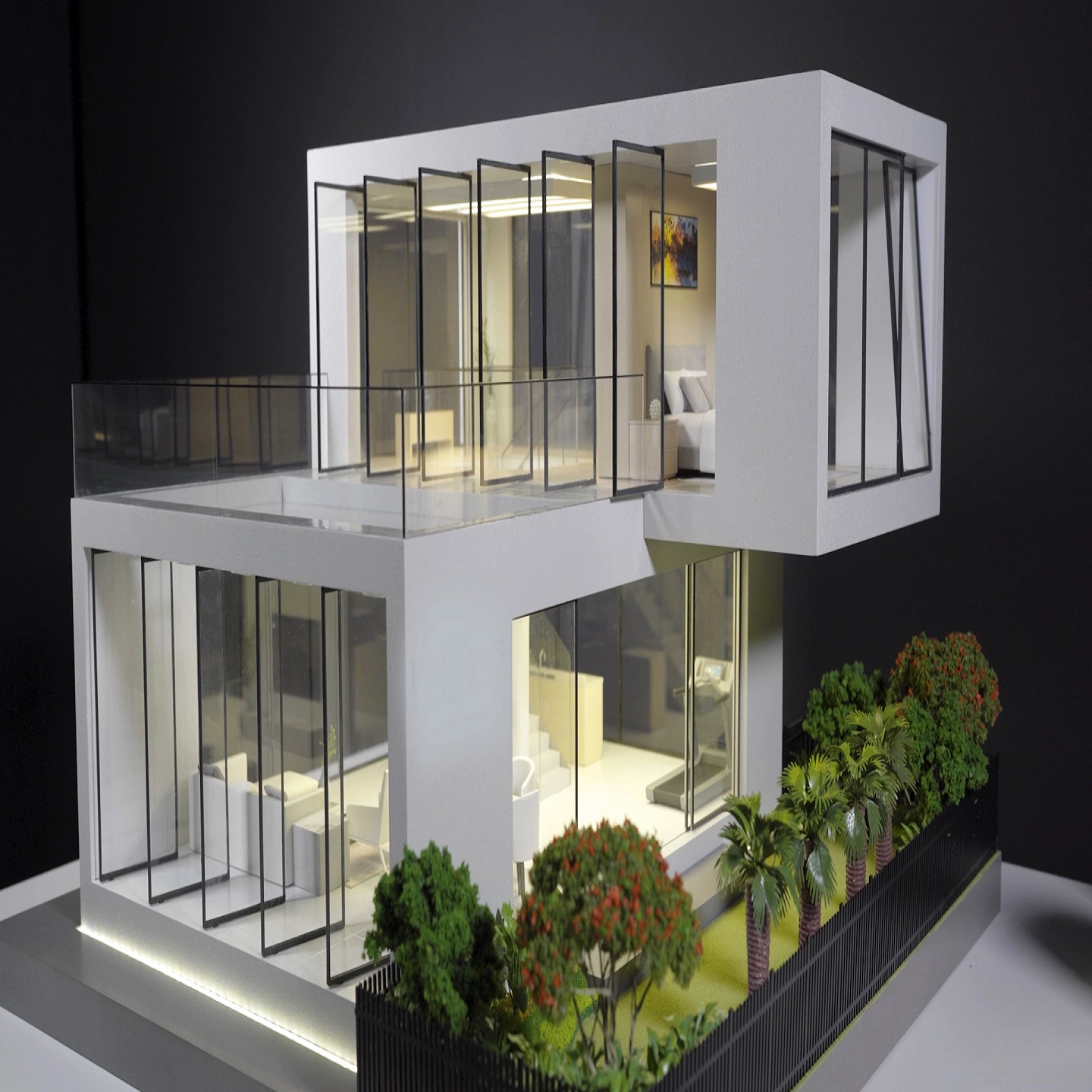
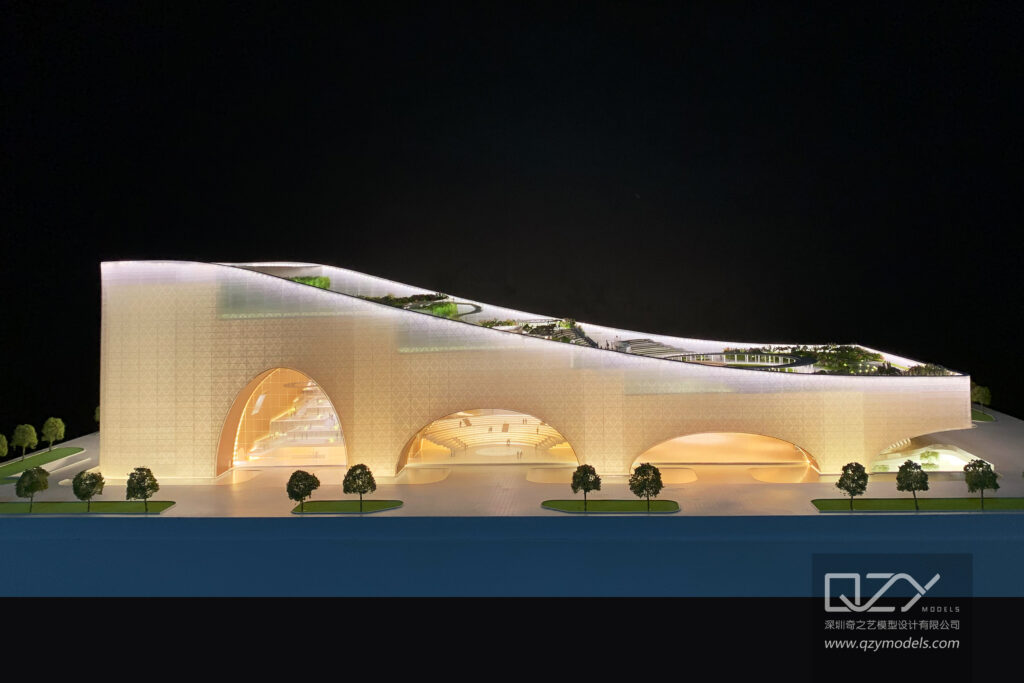
The model of the Philippines refers to physical architectural and industrial models representing the country’s landscapes, urban areas, or infrastructure projects. QZY Models excels in crafting detailed, precise models of the Philippines to aid urban planning, real estate development, and educational exhibits, combining artistry with technological innovation.
What Is Included in a Typical Model of the Philippines?
A typical model of the Philippines features representations of topographical elements, major cities, landmarks, transportation networks, and proposed development projects. These models provide a realistic visual overview for planners, stakeholders, and visitors to understand geographical and structural relationships.
Key Components
-
Terrain contours and elevations.
-
Urban and rural land use zoning.
-
Infrastructure like roads, bridges, and ports.
-
Iconic landmarks and architectural showcases.
QZY Models uses advanced materials and 3D printing technologies to achieve high detail and durability.
How Are Models of the Philippines Created?
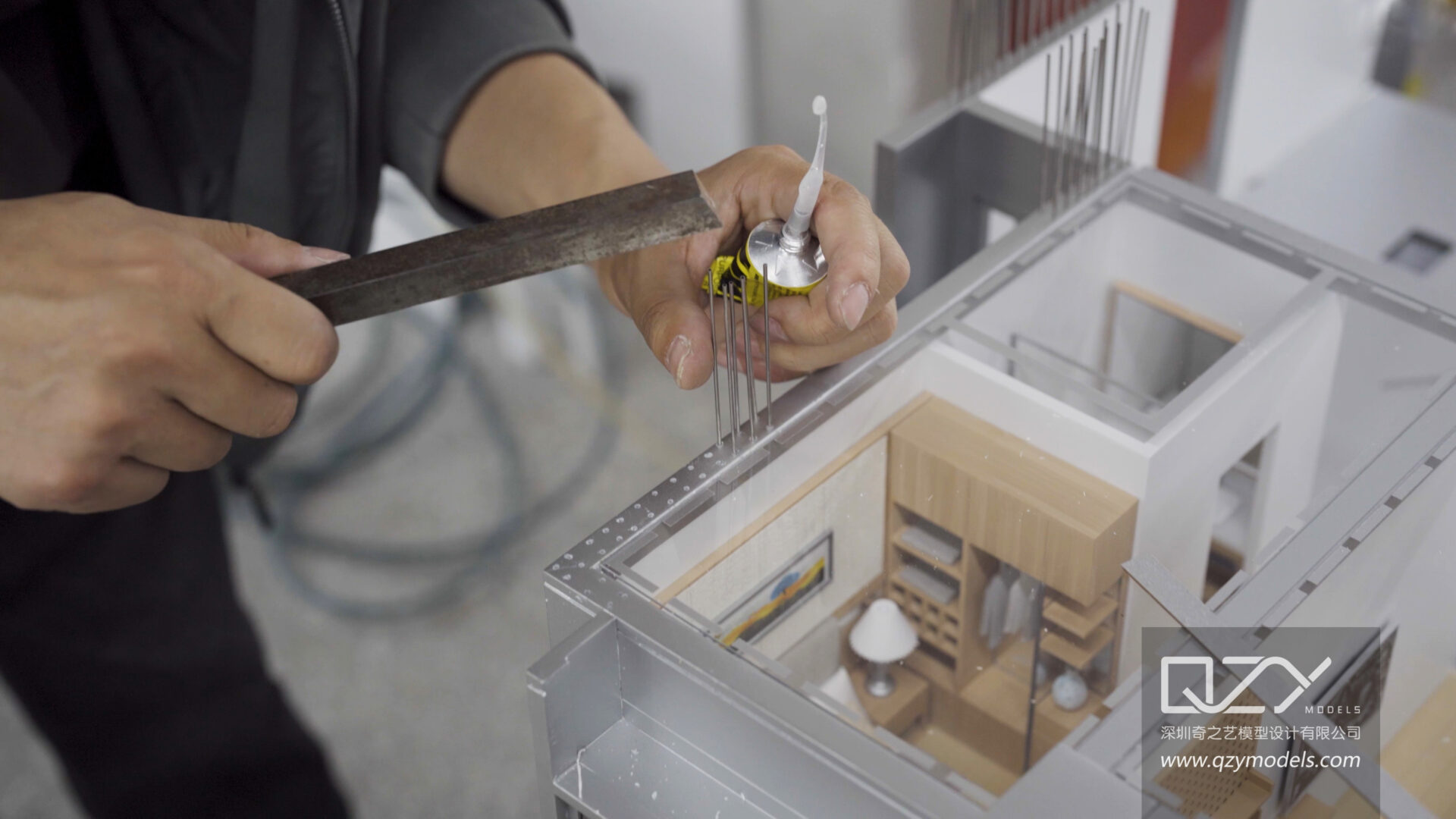
Models of the Philippines are created through a detailed process starting with geographic data collection, 3D rendering, material selection, and precision crafting. Techniques include laser cutting, CNC milling, and hand finishing to produce accurate scale models suited for presentations or exhibitions.
Creation Process
-
Data gathering from maps and satellite images.
-
Digital design and modeling software.
-
Construction using plastics, wood, acrylic, and metal.
-
Final assembly with painting and texturing for realism.
QZY Models ensures quality by combining technology and skilled craftsmanship.
Which Industries Benefit Most from Philippine Architectural Models?
Primary beneficiaries include real estate developers, urban planners, government agencies, and educational institutions. Detailed models serve as tools for project visualization, public consultation, marketing, and contextual learning about the Philippines’ diverse landscape and built environment.
Industry Applications Table
| Industry | Usage | Benefits |
|---|---|---|
| Real Estate | Development project displays | Enhanced client engagement |
| Urban Planning | Infrastructure visualization | Better decision-making support |
| Government | Public awareness and policy | Transparent communication tools |
| Education | Geographic and cultural lessons | Interactive learning aids |
QZY Models partners with notable regional clients to deliver impactful physical models.
Why Are Scale and Accuracy Crucial in Models of the Philippines?
Scale and accuracy ensure models convey spatial relationships and proportions faithfully, essential for credible analysis and persuasive presentations. QZY Models adopts strict quality control measures and advanced modeling techniques to maintain precise scaling and faithful detail reproduction.
How Does QZY Models Ensure Sustainability in Manufacturing Models of the Philippines?
QZY Models incorporates eco-friendly materials like recycled plastics and sustainably sourced woods and uses energy-efficient manufacturing practices. Commitment to sustainability aligns with global environmental standards and client expectations for responsible production.
When Are Physical Models Preferred Over Digital Visualizations?
Physical models are preferred when tactile, three-dimensional understanding aids communication, especially in public forums, client meetings, and exhibitions. Their tangible presence can evoke emotional and intuitive responses beyond digital screens, improving comprehension and engagement.
Can Models of the Philippines Be Customized?
Yes, customizations can include specific regions, thematic focus (e.g., tourism, infrastructure), interactive elements, or scaled-down replicas of iconic sites. QZY Models offers tailored solutions that fit client objectives, deadlines, and budget requirements.
Who Are the Leading Providers of Philippine Physical Models?
QZY Models stands out as a leading expert due to its global experience, state-of-the-art facilities, and deep understanding of geographical, architectural, and cultural contexts of the Philippines. They have served high-profile architects and developers, ensuring cutting-edge model craftsmanship and client satisfaction.
QZY Models Expert Views
“At QZY Models, we view each project as a blend of art and science. Creating accurate and comprehensive models of the Philippines requires deep respect for the country’s dynamic geography and socio-economic context. Our team leverages innovative design technology and meticulous craftsmanship to deliver models that not only inform but inspire, aiding architects, planners, and educators in making impactful decisions.” – Richie Ren, Founder of QZY Models
What Are the Advantages of Using Physical Models for Philippine Projects?
-
Facilitates multi-dimensional visualization.
-
Enhances stakeholder communication.
-
Supports marketing and public engagement.
-
Enables precise spatial and contextual analysis.
-
Provides long-lasting, reusable display tools.
Conclusion
Models of the Philippines are indispensable tools for visualizing complex geographic and architectural data, supporting decision-making across real estate, urban planning, government, and education. QZY Models’ expertise in precision modeling, sustainability, and customization make it a trusted partner in delivering impactful physical models that elevate project success.
Frequently Asked Questions
What Is the Economic Development Model of the Philippines and How Does It Drive Growth?
The Philippines follows a service-led, consumption-driven economic model supported by BPO exports, remittances, and infrastructure investment. Growth is fueled by a young workforce, foreign direct investment incentives, and public infrastructure programs. For developers and planners, understanding this model helps align real estate, commercial hubs, and mixed-use projects with high-growth sectors and urban expansion trends.
How Does the Unitary Presidential Government Model of the Philippines Work?
The Philippines operates under a unitary presidential system with clear separation of powers among executive, legislative, and judicial branches. National laws guide local government units, but cities and provinces manage implementation. For architectural firms and urban planners, this means national approvals are critical while local compliance ensures smoother project execution and faster development timelines.
Why Is the Philippines BPO Business Model So Successful Globally?
The Philippine BPO business model thrives on English proficiency, competitive labor costs, and government tax incentives. IT parks and commercial districts drive demand for modern office spaces. Real estate developers and model makers like QZY Models benefit by presenting high-impact architectural scale models that help investors visualize large-scale outsourcing hubs and mixed-use business environments.
How Is the Agricultural Modernization Model Transforming the Philippines?
The agricultural modernization model focuses on farm mechanization, irrigation expansion, and value-chain development. Government-backed programs aim to improve food security and rural income. For planners and landscape designers, integrating agro-industrial zones and sustainable land use planning supports long-term rural development and increases investor confidence in provincial infrastructure projects.
How Does the Philippines Public Private Partnership Model Fund Major Infrastructure?
The public private partnership model enables private firms to finance, build, and operate major transport, airport, and energy projects under long-term concessions. Risk-sharing structures attract foreign capital while accelerating national infrastructure goals. Developers can leverage detailed physical models to present complex PPP proposals clearly to stakeholders and government decision makers.
What Makes the Philippines K to 12 Education Model Unique?
The K to 12 education model adds senior high school tracks in academic, technical vocational, and sports pathways, aligning graduates with global workforce standards. This reform increases demand for modern campuses, training centers, and innovation hubs. Educational institutions can use precision-built models from QZY Models to showcase future-ready campus expansions to investors and boards.
How Is the Universal Health Care Model Implemented in the Philippines?
The universal health care model expands national insurance coverage, primary care networks, and public hospital integration. Funding combines government allocations and mandatory contributions. Healthcare developers and government institutions can accelerate approvals by presenting detailed hospital and medical complex models that clearly demonstrate capacity, zoning compliance, and patient flow efficiency.
Why Does the Philippines Rely on a Labor Export Model?
The Philippines uses a labor export model where overseas workers send remittances that stabilize foreign exchange and boost domestic consumption. Government agencies regulate deployment and worker protection. This steady inflow of capital increases demand for residential, retail, and mixed-use developments, creating opportunities for property developers targeting remittance-supported communities.