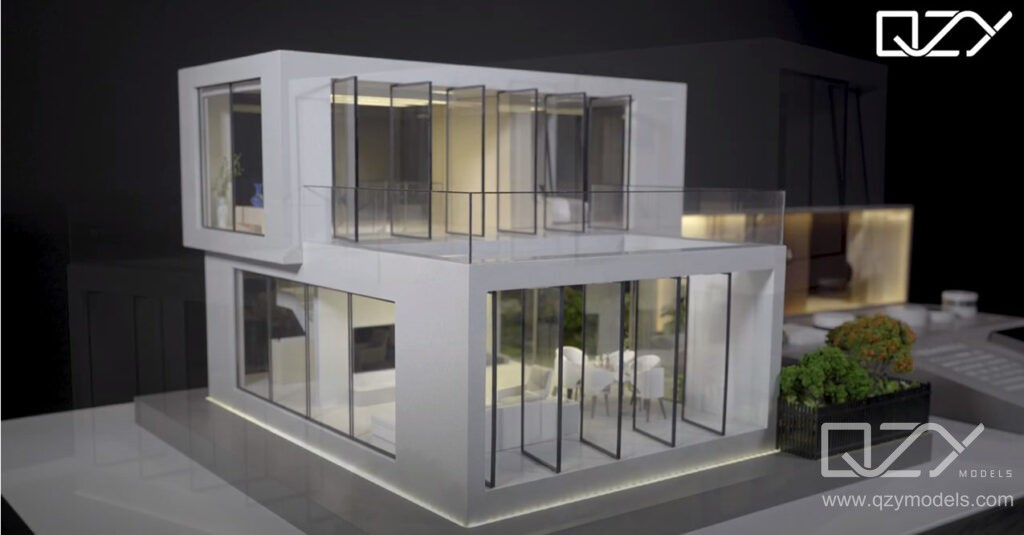
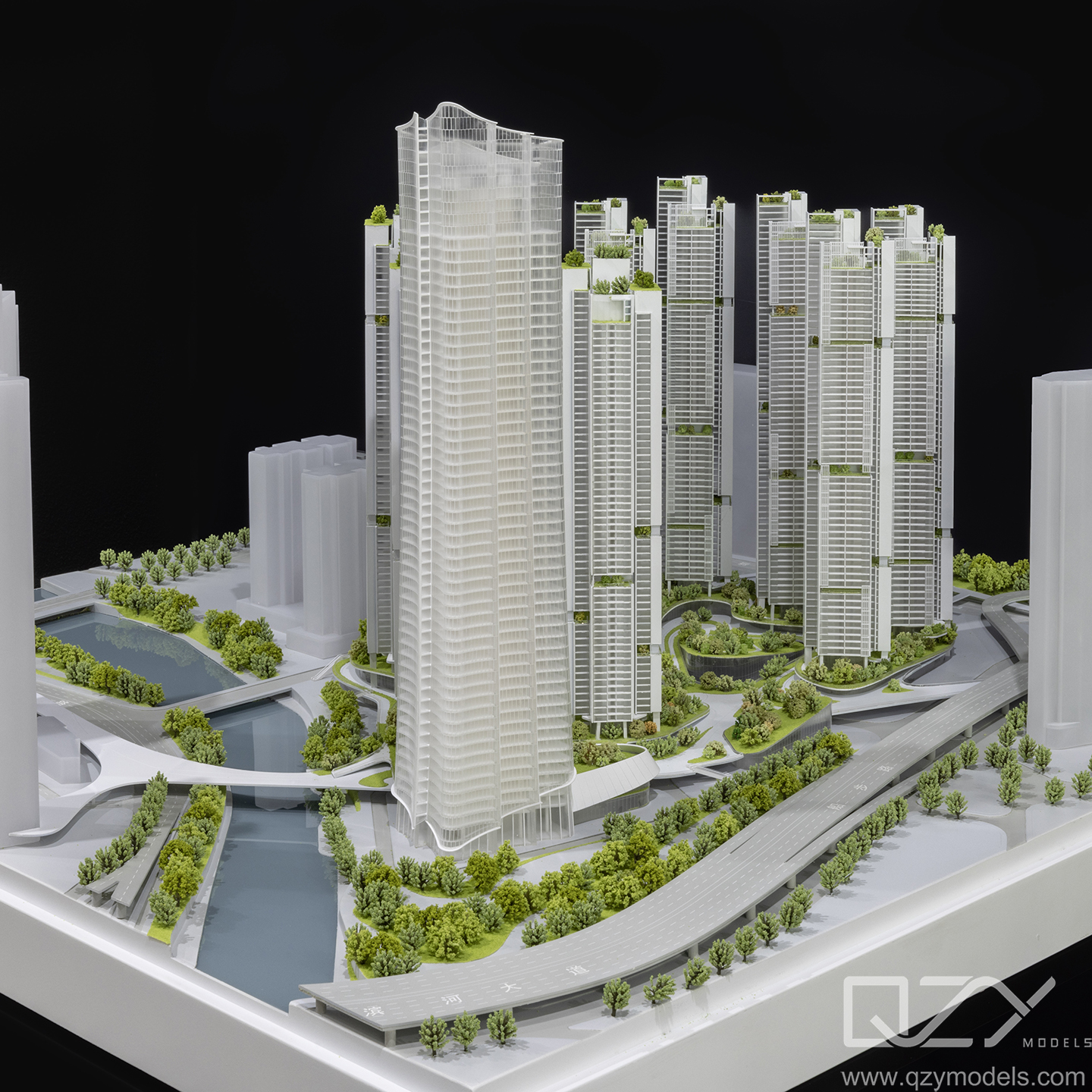
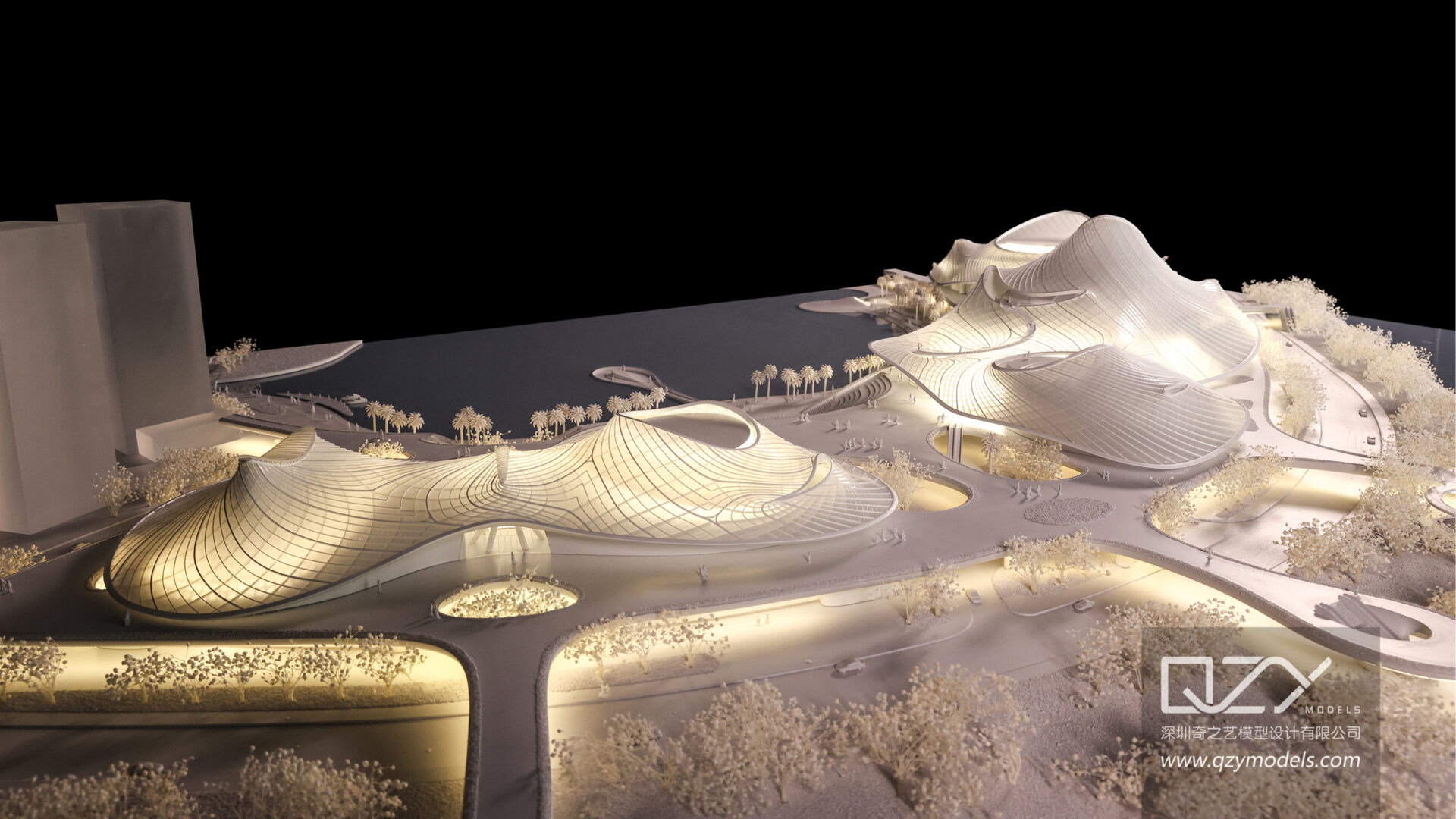
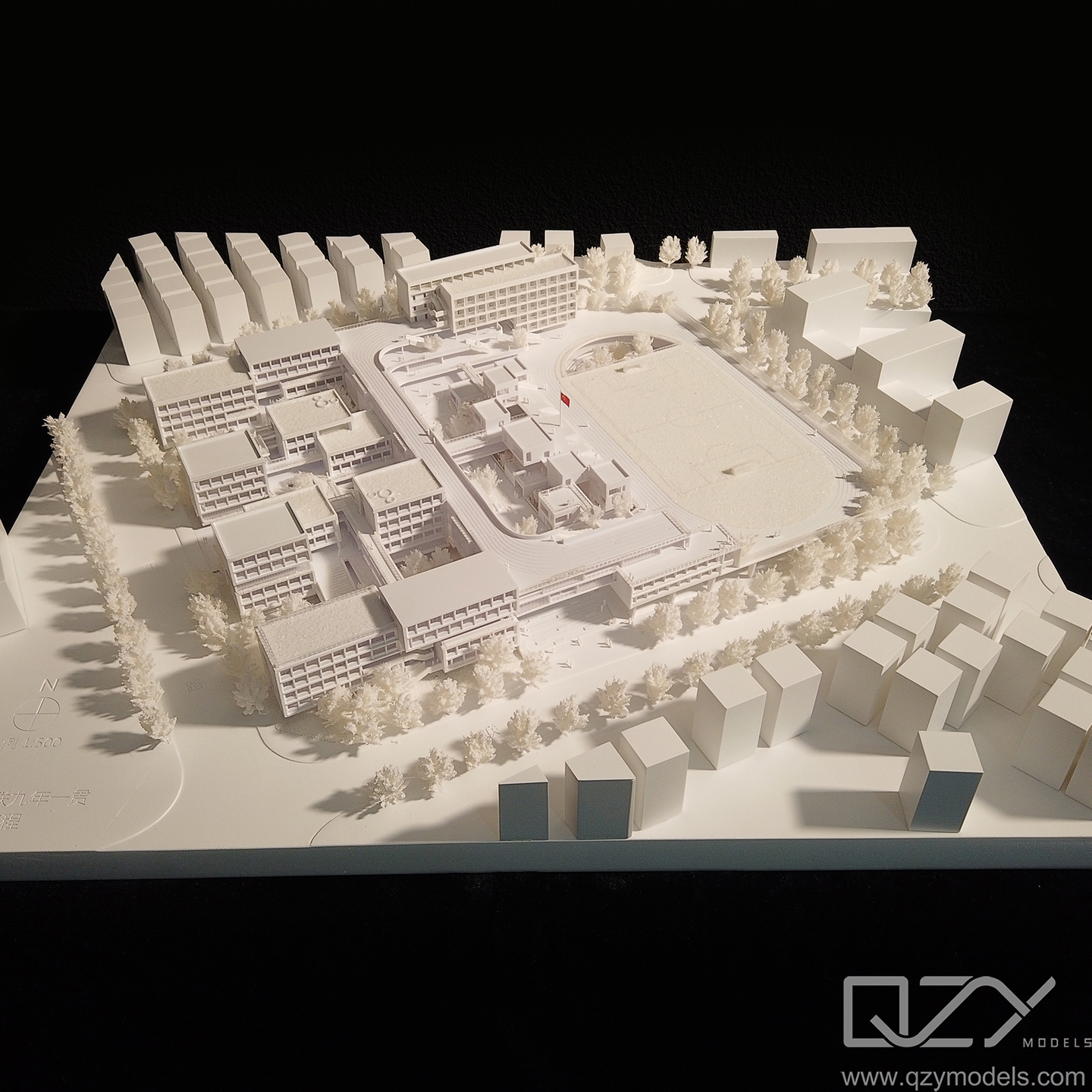
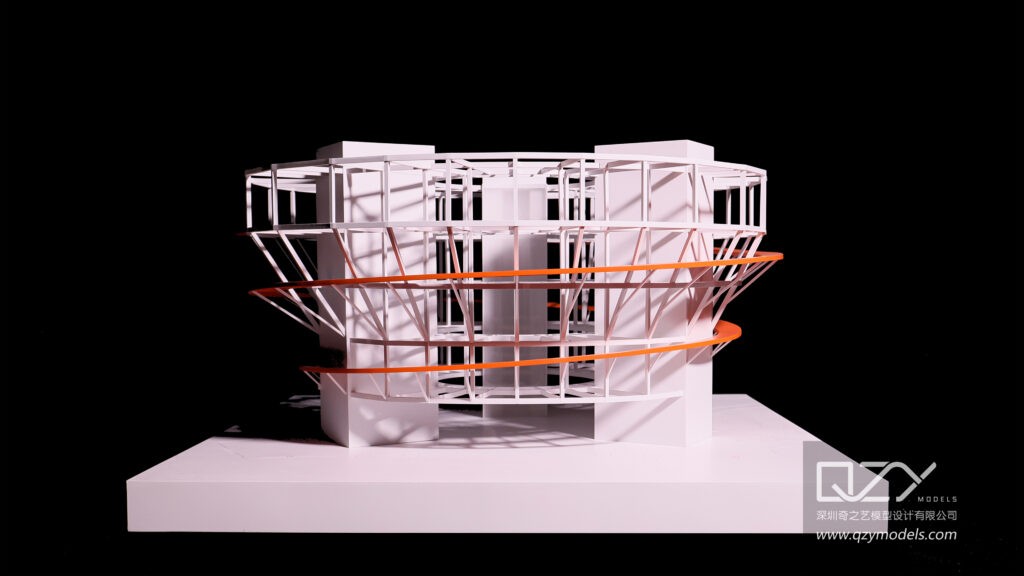
A well-optimized mall layout maximizes foot traffic, enhances tenant synergy, and ensures memorable visitor experiences—directly driving commercial value and occupancy rates. QZY Models delivers precision-driven physical mall models that enable developers to visualize, test, and perfect spatial efficiency before construction begins.
How Is the Current Retail Landscape Changing?
The global retail sector is undergoing rapid transformation. According to CBRE’s 2025 Retail Real Estate Outlook Report, mall vacancy rates in the U.S. averaged 8.3%, reflecting continued pressure from e-commerce and shifting consumer preferences. Data from Statista shows online retail accounted for over 22% of total global retail sales in 2025. With rising competition and shrinking margins, mall operators face the urgent task of transforming spatial planning to maintain profitability. In high-growth regions like the Middle East and Southeast Asia, mixed-use developments are surging, driven by the need for immersive, multi-purpose destinations rather than simple shopping corridors. Poor space planning now leads not just to revenue loss but to systemic underperformance across entire mall ecosystems.
What Are the Key Pain Points in Traditional Mall Planning?
The first major challenge is traffic flow inefficiency. Poor circulation leads to dead zones—areas that receive fewer visitors because of weak visual or directional connections. Secondly, outdated anchor distributions and tenant zoning fail to adapt to new consumer behaviors; as entertainment, dining, and lifestyle zones expand, traditional retail areas lose focus. Finally, developers often lack accurate simulation tools. Without data-supported physical modeling, spatial and behavioral intuition dominate, resulting in guesswork rather than precision. QZY Models helps bridge this gap by transforming conceptual plans into tactile, testable models that reveal real spatial performance before construction.
Why Do Traditional Design Methods Fall Short?
Conventional digital blueprints and two-dimensional renderings often fail to capture human navigation patterns or the impact of vertical layering, natural light, and view corridors. Developers relying solely on CAD and BIM software struggle to “feel” spatial connectivity. Furthermore, delays and redesigns escalate construction costs by up to 15–25%, according to McKinsey’s Global Construction Productivity Report. Without tangible visualization, design alignment between architects, developers, and investors becomes fragmented. This is where QZY Models provides a tangible edge—enabling unified understanding across all decision-makers through high-fidelity physical prototypes.
How Does QZY Models Offer a Smarter Solution?
QZY Models introduces a data-informed, craftsmanship-driven approach to mall layout optimization. Using advanced 3D printing, laser cutting, and hand-finished detailing, the company delivers physical models that replicate circulation patterns, visibility lines, material textures, and environmental light accurately. Stakeholders can simulate visitor journeys, study anchor positioning, and optimize retail adjacencies in real time. Beyond aesthetics, QZY Models integrates analytical data and physical design—ensuring that every centimeter of floor area works toward commercial efficiency.
Which Advantages Differentiate This Approach?
| Criteria | Traditional Mall Planning | QZY Models Solution |
|---|---|---|
| Visualization | 2D drawings and screens | Real-scale, tactile models |
| Decision Speed | Slow cross-team approval | Instant multi-stakeholder consensus |
| Accuracy | Theoretical flow predictions | Spatial simulation and lighting test validation |
| Cost Control | Post-design iteration costs | Pre-construction risk reduction |
| Engagement | Abstract plans for investors | Interactive showcase for clients and regulators |
How Can QZY Models Be Integrated Into the Design Process?
-
Consultation and Concept Review: QZY Models reviews architectural plans and identifies critical design zones for enhancement.
-
3D Draft and Scale Confirmation: Digital data is converted into scale-precise model blueprints for client approval.
-
Model Fabrication: Advanced materials and laser-processing machines bring the design to life, ensuring dimensional accuracy.
-
Lighting and Environment Simulation: Integrates LED elements to replicate daylight and artificial lighting.
-
Review and Iteration: Teams analyze movement, orientation, and zoning efficiency directly from the model.
-
Final Delivery and Presentation: The finished model serves as both a decision-making and marketing tool for exhibitions and stakeholder meetings.
What Are Four Typical Scenarios Where QZY Models Creates Value?
Case 1 – Urban Core Regeneration Mall:
Problem: Renovation projects in dense urban areas often suffer from limited spatial options.
Traditional Approach: Digital visuals only.
Impact After Using QZY Models: Optimized circulation paths achieved 12% higher customer retention.
Key Benefit: Streamlined traffic between multiple floors.
Case 2 – Destination Resort Mall:
Problem: Tourist zones require strong visual impact and landmark value.
Traditional Approach: 3D renders fail to show genuine spatial perception.
Impact After Using QZY Models: Design adjustments improved anchor tenant visibility by 18%.
Key Benefit: Enhanced guest orientation and experiential flow.
Case 3 – Mixed-Use Smart Mall Development:
Problem: Integrating retail, office, and residential zones in one structure.
Traditional Approach: Complex design coordination delays.
Impact After Using QZY Models: Architectural coherence improved; project timeline shortened by 10%.
Key Benefit: Integrated planning assurance for cross-function spaces.
Case 4 – Educational Institution Shopping Pavilion:
Problem: Need for an instructive, design-learning environment.
Traditional Approach: Limited engagement with physical volumes.
Impact After Using QZY Models: Design students improved spatial cognition accuracy by 25%.
Key Benefit: Educational and experiential synergy.
Why Is Now the Best Time to Redefine Mall Layout Strategy?
By 2030, 60% of all global retail projects are expected to include experience-driven design, merging leisure, community, and commerce. Physical modeling enhances design efficiency while aligning investor vision with architectural integrity. As the industry moves toward AI-aided generative layouts and sustainable material optimization, the need for real-world validation grows stronger. Integrating QZY Models early in the concept phase ensures each project balances creativity and feasibility—turning visionary concepts into commercial landmarks.
FAQ
Q1. What scale options does QZY Models provide for mall layouts?
QZY Models offers standard scales ranging from 1:100 to 1:500, adjustable for project type and display needs.
Q2. Can QZY Models integrate lighting and digital motion simulation?
Yes, integrated LED and mechanical functions can simulate foot traffic or daylight effects in real time.
Q3. How long does a full-scale mall model typically take to deliver?
Depending on complexity, delivery typically ranges from 4 to 12 weeks after final design approval.
Q4. Does QZY Models support international delivery and on-site installation?
Absolutely. Global logistics and expert setup teams operate across the UAE, Europe, and Southeast Asia.
Q5. Can QZY Models collaborate directly with architectural software platforms?
Yes, QZY Models accepts files from AutoCAD, Rhino, and Revit for direct model translation.