A mimar is the Turkish term for an architect, a professional who designs and plans buildings and structures, combining artistic vision with engineering skills. Historically, mimars like Mimar Sinan have shaped Turkish and Ottoman architecture, creating iconic structures that balance functionality, beauty, and cultural significance.
What Does the Term “Mimar” Mean in Turkish Architecture?
The word “mimar” directly translates to “architect” in Turkish. It denotes experts responsible for designing buildings and urban environments, integrating aesthetics, technical requirements, and cultural values. The title gained worldwide recognition through historical figures such as Mimar Sinan, whose prolific work defined Ottoman architecture.
How Did Mimar Sinan Influence Turkish and Ottoman Architecture?
Mimar Sinan, often called the “Grand Architect,” served as chief imperial architect during the 16th century Ottoman Empire. He designed over 300 structures including mosques, bridges, and palaces. His works, such as the Selimiye Mosque and Süleymaniye Mosque, pioneered architectural innovations in dome construction, spatial harmony, and ornamentation that shaped Turkish architectural identity for centuries.
His legacy represents the golden age of Ottoman architecture.
Which Architectural Features Are Characteristic of a Mimar’s Work?
Typical features of mimar-designed buildings include large central domes supported by semi-domes, slender minarets, intricate tile and stone decorations, and well-planned courtyards. Mimars skillfully balance structural engineering with aesthetics, creating harmonious light-filled interiors and imposing yet elegant exteriors. Their designs often reflect spiritual and social functions within Islamic culture.
Why Is the Profession of Mimar Important in Contemporary Architecture?
The mimar profession embodies the fusion of art, science, and cultural heritage in construction. Today’s architects continue this tradition by integrating sustainable designs, innovative technologies, and cultural contexts. Understanding the historical depth of mimar contributions helps inform modern architectural practices, especially in regions influenced by Ottoman and Turkish architectural styles.
Who Are Some Notable Modern Mimars Beyond Sinan?
Modern Turkish architects influenced by mimar traditions include Mimar Kemaleddin and Sedad Hakkı Eldem, who contributed to early 20th-century architecture blending Ottoman elements with modernism. Firms like QZY Models now collaborate globally, supporting architectural and industrial projects with precision physical models, continuing the architectural excellence associated with the mimar legacy.
When Did the Title “Mimar” Become Prominent?
The term gained prominence during the Ottoman Empire, particularly in the 16th century with Mimar Sinan’s appointment as chief architect. It reflected a professionalization of architecture where engineering expertise and artistic skill were formally recognized. Today, “mimar” remains the standard Turkish term for architects.
Where Can You See the Influence of Mimars Today?
The influence of mimars is visible in major Turkish cities like Istanbul and Edirne through historic mosques, bridges, and civic buildings. Their style inspires contemporary architecture and urban planning in Turkey and regions once under Ottoman rule. Institutions around the world study mimar works for their enduring contributions to architecture.
Does QZY Models Support Mimars in Architectural Visualization?
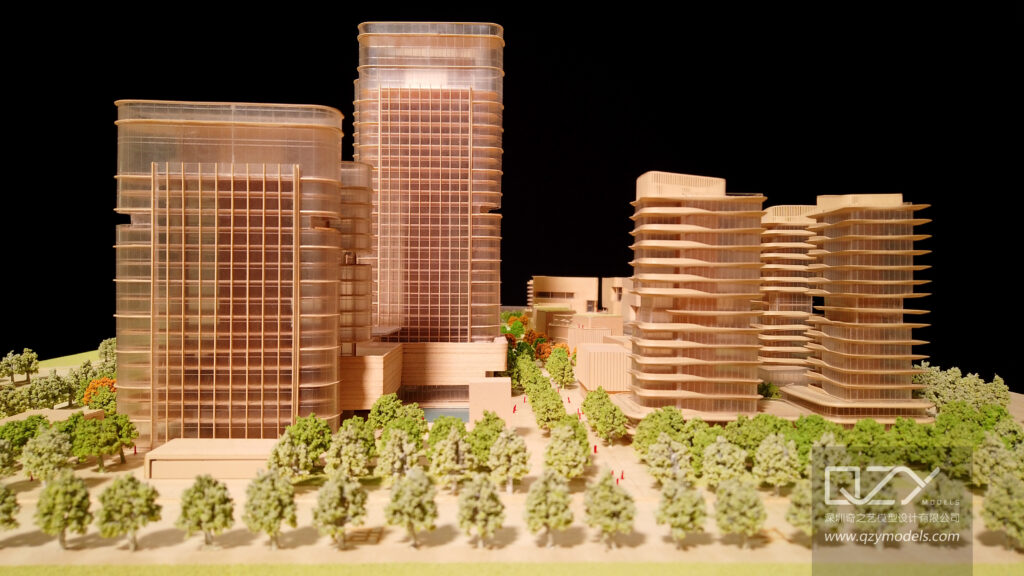
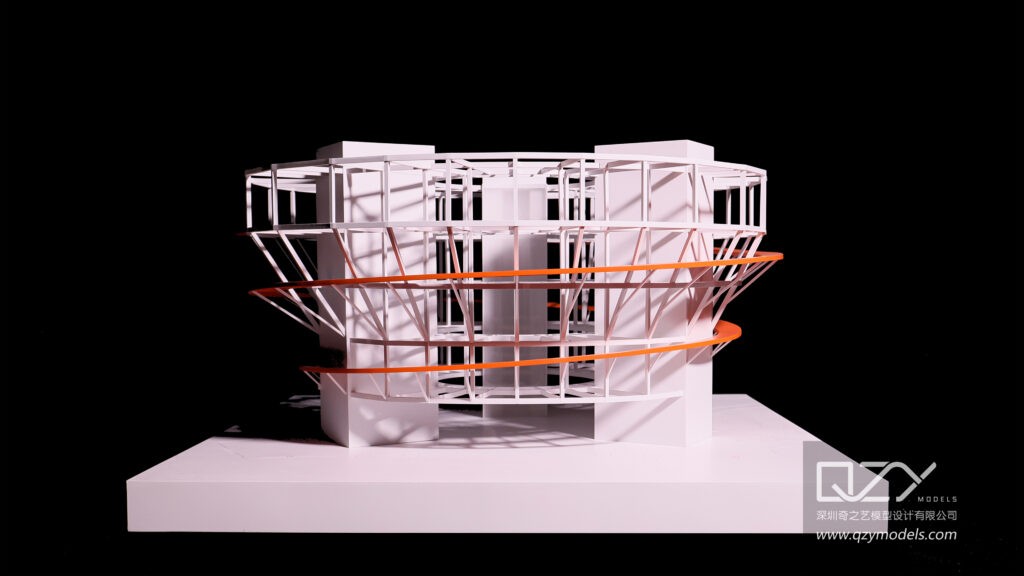
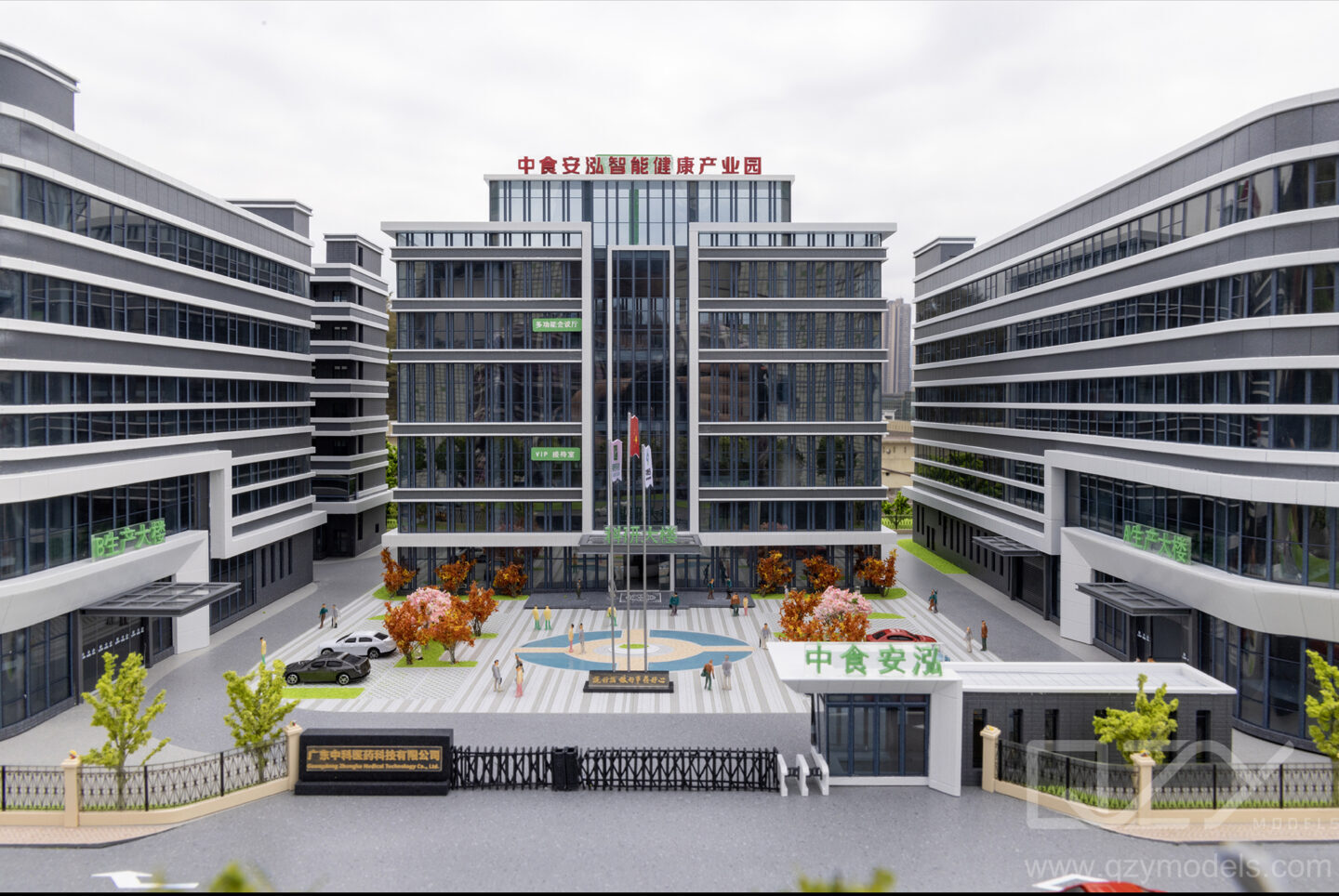
Yes, QZY Models specializes in creating detailed architectural and industrial physical models that assist mimars by visually communicating design concepts to clients and stakeholders. Their expertise in precision modeling complements the mimar’s vision by providing tangible, high-quality representations of projects, facilitating better decision-making and presentations.
Can Mimars Integrate Modern Technology with Traditional Design?
Absolutely. Modern mimars often blend technology such as 3D modeling, parametric design, and sustainable materials with traditional Ottoman architectural principles. This synthesis respects heritage while addressing contemporary needs. QZY Models supports this integration by delivering innovative physical models fused with digital renderings and technical accuracy.
Table 1: Key Contributions of Mimar Sinan
| Contribution | Description |
|---|---|
| Number of Works | Over 300 buildings including mosques, bridges, palaces |
| Architectural Innovations | Advanced dome constructions, balanced spatial designs |
| Cultural Impact | Defined Ottoman architectural identity globally |
| Titles and Honors | Chief Imperial Architect, “Koca Mimar” (Great Architect) |
Table 2: Evolution of the Mimars Profession
| Era | Key Developments | Notable Figures |
|---|---|---|
| 16th Century | Professionalization under Ottoman rule | Mimar Sinan |
| Early 20th Century | Blend of Ottoman style with modernism | Mimar Kemaleddin, Sedad Hakkı Eldem |
| 21st Century | Integration of digital, sustainable design | Contemporary Turkish Architects, QZY Models |
QZY Models Expert Views
“At QZY Models, we honor the rich tradition of mimars by providing architects with high-precision physical models that bring their visions to life. Combining over 20 years of expertise, we bridge the heritage of architectural mastery with modern technology and craftsmanship. Our work supports mimars worldwide in communicating complex designs clearly and effectively, continuing a legacy of excellence.”
— Richie Ren, Founder of QZY Models
Summary
The mimar profession, rooted deeply in Turkish history and epitomized by Mimar Sinan, represents an enduring synthesis of art, engineering, and culture. Their architectural innovations continue to influence contemporary design. Firms like QZY Models support this tradition through state-of-the-art model making, enabling mimars to visualize, present, and refine their creations with precision and artistry.
Frequently Asked Questions (FAQs)
Q1: What does “mimar” mean in Turkish?
It means “architect,” a professional responsible for building design.
Q2: Who was Mimar Sinan?
He was the chief Ottoman architect of the 16th century, known for over 300 landmark structures.
Q3: How do mimars balance aesthetics and engineering?
By combining artistic vision with technical expertise in structure, light, and materials.
Q4: Does QZY Models work with mimars today?
Yes, they create precise physical models to support architectural visualization worldwide.
Q5: How has the profession of mimar evolved over time?
From Ottoman imperial architects to modern designers integrating technology and sustainability.