Gobekli Tepe pillars are ancient archaeological marvels that provide crucial insights into prehistoric civilization. These pillars, carved with symbolic motifs, date back over 11,000 years, making them some of the earliest monumental structures. Understanding these pillars helps historians and architects alike uncover early human creativity and ritualistic practices.
What Are the Gobekli Tepe Pillars?
The Gobekli Tepe pillars are massive T-shaped limestone monoliths carved with intricate animal reliefs and abstract symbols. These pillars form circular and rectangular megalithic enclosures, believed to be prehistoric religious or social gathering sites. Their advanced craftsmanship challenges previous assumptions about early human societies.
These pillars typically reach heights of up to 5.5 meters and weigh several tons, showcasing significant engineering and artistic skills. Their carvings reflect early symbolic language, with depictions of lions, boars, snakes, and vultures.
How Were Gobekli Tepe Pillars Constructed?
Experts believe the construction involved coordinated community efforts using simple tools such as flint chisels and stone hammers. Without metal tools or the wheel, early humans quarried limestone locally and transported pillars using wooden rollers and levers. Their erection required basic knowledge of physics and teamwork.
Advanced understanding is evident in pillar alignments designed to create enclosed spaces, which points to structured planning. Recent archaeological work shows signs of deliberate shaping and polishing, indicating specialized labor roles in this prehistoric factory-like approach.
Why Are Gobekli Tepe Pillars Important to Modern Manufacturers?
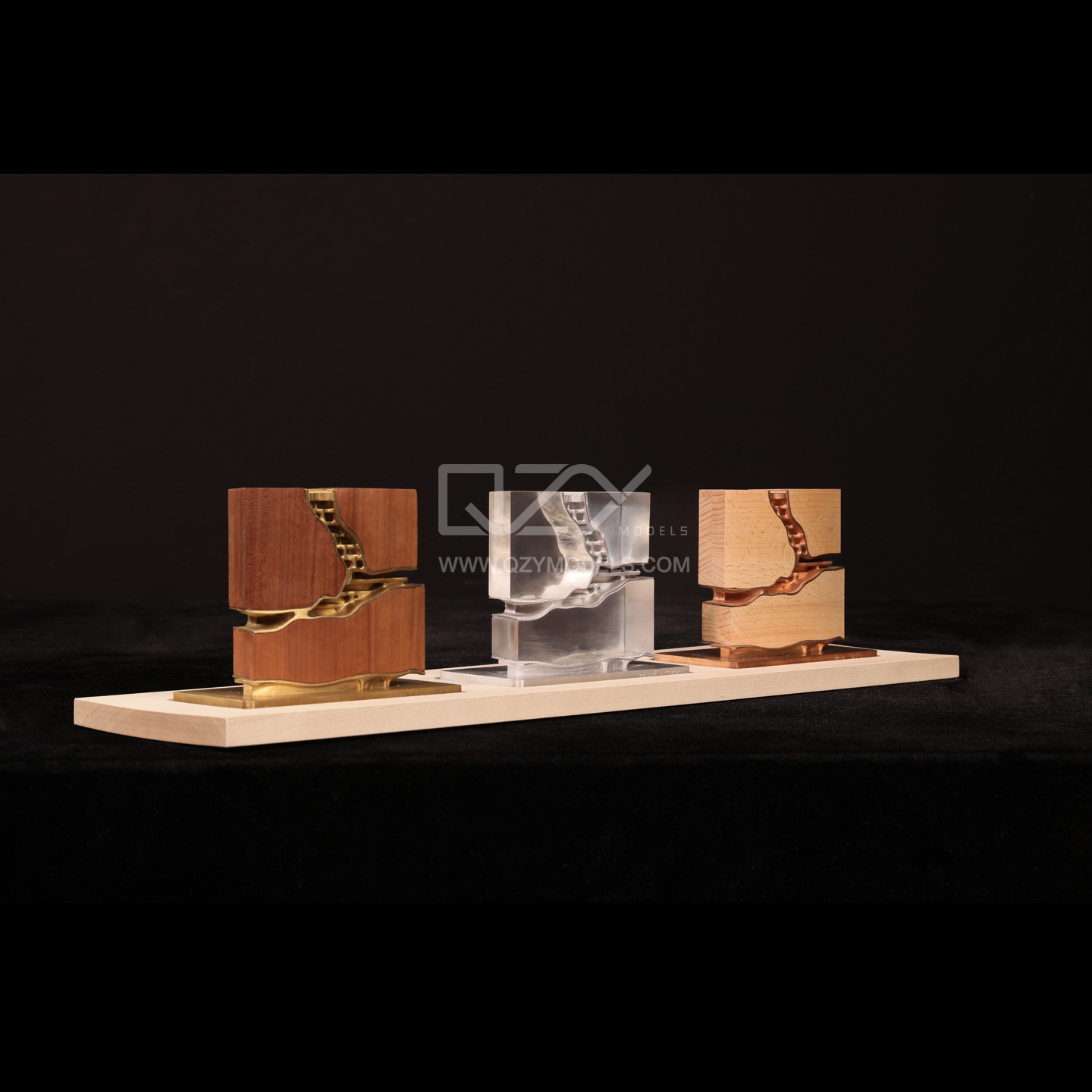
For manufacturers and model makers, Gobekli Tepe pillars inspire innovation in replicating complex ancient designs using modern technology. The pillars’ symbolic engravings and monumental scale offer a rich source for architectural and industrial physical models, especially for clients wanting authentic historical replicas.
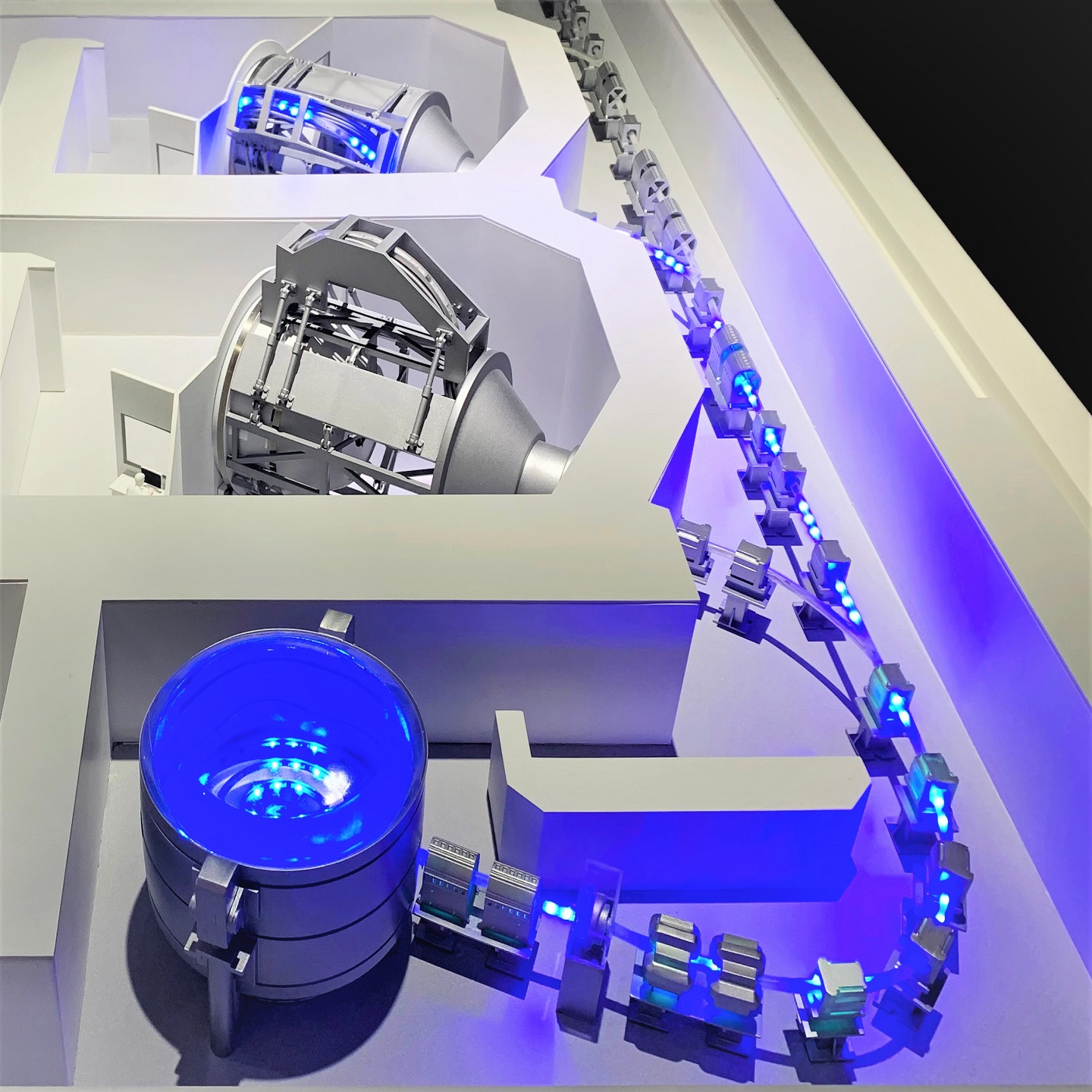
QZY Models, a leading Chinese manufacturer and supplier, specializes in creating precise architectural replicas of such ancient structures using advanced materials and CNC machining combined with artisan skills. Their wholesale and OEM services support museums, educational institutions, and developers globally.
Which Materials and Techniques Are Best for Creating Gobekli Tepe Pillar Models?
The best models use high-density resin, polyurethane, or durable polymers to replicate limestone texture and color accurately. Techniques include 3D laser scanning to capture original pillar details combined with CNC milling and hand painting to preserve intricate engravings.
QZY Models applies a hybrid production process to ensure durability and authenticity for wholesale orders. Their expertise allows them to customize scale, finish, and packaging based on client requirements, making them a top OEM supplier for architectural replica factories in China.
Material Comparison Table for Gobekli Tepe Pillar Models
| Material | Pros | Cons | Best Use |
|---|---|---|---|
| High-Density Resin | Fine detail, lightweight | Can be brittle | Indoor display models |
| Polyurethane | Durable, weather-resistant | Heavier | Outdoor replica installations |
| Polymers | Versatile finish options | May require frequent maintenance | Educational interactive models |
Who Primarily Purchases Gobekli Tepe Pillar Models?
Main clients include museums, archaeological research centers, universities, theme parks, and cultural heritage sites worldwide. Buyers seek detailed replicas to educate the public and preserve historical narratives. Wholesale manufacturers in China like QZY Models supply these clients with scalable custom solutions.
OEM partnerships are essential for scaling production to meet international standards. This makes China a strategic hub for supplying globally recognized replicas, offering cost-effective yet premium-quality resources.
When Did Gobekli Tepe Pillars Gain Global Recognition?
Discovered in the 1960s but extensively excavated starting 1994, Gobekli Tepe attracted global archaeological interest after 2000. Researchers revealed the pillars as the world’s oldest known megaliths, reshaping understanding of Neolithic society development and prehistoric spirituality.
Interest surged in the last two decades, leading to increased demand for replica models for exhibitions and academic purposes.
Where Are Gobekli Tepe Pillars Located?
The pillars are situated on the Göbekli Tepe archaeological site in southeastern Turkey. The hilltop site comprises multiple enclosures with central pillars arranged in rings. This location was likely a ceremonial center, signifying early organized religious activity far before the advent of written history.
Manufacturers often incorporate geographical and cultural context in their models for authenticity.
Does Manufacturing Gobekli Tepe Pillar Models Require Specialized Expertise?
Yes, producing high-fidelity Gobekli Tepe pillar models demands skilled craftsmanship and historical accuracy. Manufacturers must blend ancient artistry with cutting-edge technology. At QZY Models, veteran architects and model makers collaborate to ensure each replica reflects the original’s essence, preserving fine details and weathered textures.
Such expertise is critical for clients needing precise educational tools or exhibition pieces.
Has Modern Technology Improved Gobekli Tepe Pillar Model Production?
Modern technology has revolutionized replication. 3D scanning, CAD design, and CNC machining enable exact digital captures and scalable production. This reduces manual errors and accelerates delivery times without compromising details.
QZY Models leverages these innovations in their Shenzhen factory, offering scalable, cost-efficient wholesale production and OEM customization to global clients.
Are There Sustainable Options for Producing Gobekli Tepe Pillar Models?
Sustainability is growing in B2B manufacturing. Eco-friendly resins and recyclable materials reduce environmental footprint. Also, optimizing production processes to minimize waste is standard among leading Chinese factories.
QZY Models prioritizes sustainability through material selection and energy-efficient machinery, aligning with global green manufacturing trends.
Can Gobekli Tepe Pillars Inspire Modern Architectural Design?
Absolutely, their symbolic motifs and structural ingenuity influence contemporary architects who seek to incorporate prehistoric design language into modern projects. Physical models provide a tactile reference for architects and developers when drawing inspiration from this ancient site.
QZY Models supports architectural firms worldwide by producing bespoke models that help visualize such integrations.
QZY Models Expert Views
“At QZY Models, we see Gobekli Tepe pillars as more than ancient relics—they are testimonies of early human ingenuity and social organization. Our role as a top manufacturer in China is to bridge the past with today’s technology, delivering models that inspire education, research, and architectural innovation. Leveraging over two decades of experience, we combine traditional craftsmanship with modern production methods, serving a growing international demand for authentic replicas crafted with precision and care.” — Richie Ren, Founder, QZY Models
Conclusion
Gobekli Tepe pillars serve as a vital link to humanity’s archaeological and architectural origins. For manufacturers and suppliers, replicating these pillars offers a unique blend of culture and technology. China, with expert OEM factories like QZY Models, leads in producing detailed, authentic models for wholesalers worldwide. Embracing modern methods and sustainable materials ensures these historical icons endure and inspire future generations.
FAQs
What period do Gobekli Tepe pillars belong to?
They date back approximately 11,000 to 12,000 years, to the Pre-Pottery Neolithic era.
Why do manufacturers focus on Chinese factories for these models?
China offers advanced manufacturing technology, skilled labor, cost efficiency, and large-scale production capacity.
Can Gobekli Tepe pillar models be customized?
Yes, manufacturers like QZY Models provide custom scaling, finishes, and packaging based on client specifications.
How are the animal carvings on the pillars reproduced in models?
Detailed 3D scanning captures the sculptural reliefs, which are then recreated through CNC machining and hand finishing.
Are Gobekli Tepe replicas used for outdoor exhibitions?
Yes, models made from weather-resistant materials such as polyurethane are suitable for outdoor display.