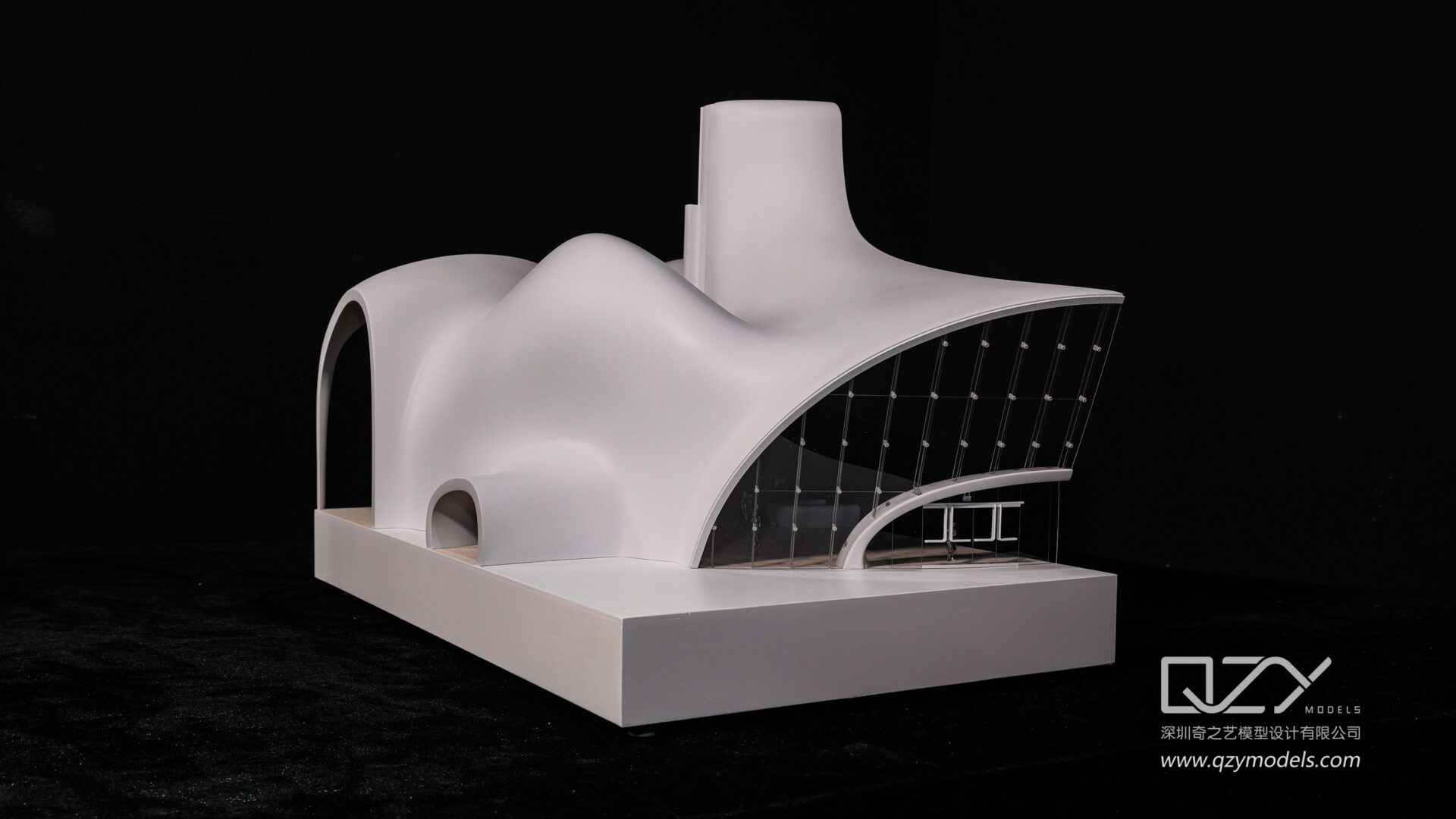
A building model for project purposes is a tangible representation of architectural or industrial designs, helping visualize the final construction. It facilitates design validation, stakeholder communication, and marketing, making it invaluable in planning and decision-making within China’s manufacturing and wholesale factory sectors.
What Is a Building Model for Project and Why Is It Important?
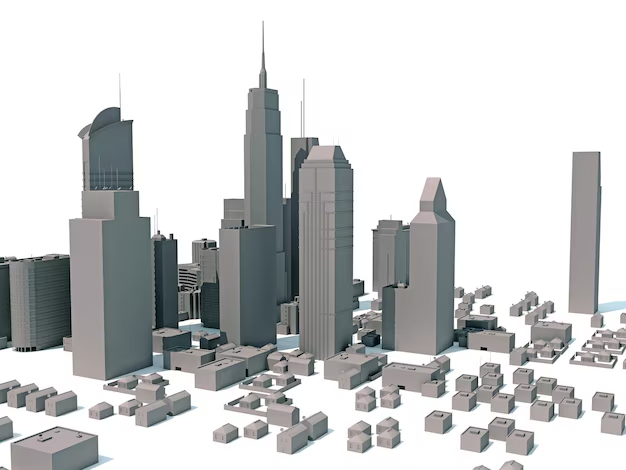
A building model for project is a scaled physical or digital replica of planned construction, used to validate design, analyze structural elements, and communicate ideas. It reduces costly errors and enhances project clarity, especially critical for manufacturers and OEM suppliers in China, streamlining their product presentation and client discussions.
Physical models bridge the gap between conception and reality, enabling stakeholders like developers and architects to fully appreciate spatial relationships and aesthetics. For China-based factories, these models boost confidence in product quality and customization capabilities, fostering stronger B2B partnerships.
How Does China’s Manufacturing Industry Support Building Model Production?
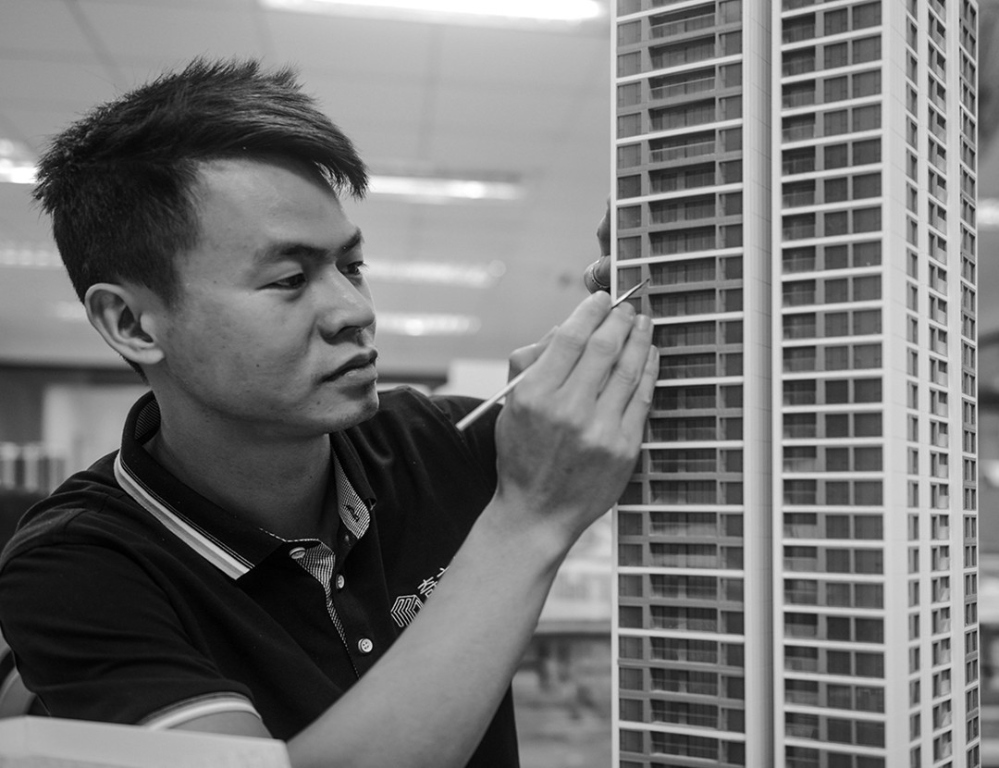
China’s manufacturing industry excels in producing detailed building models for projects due to advanced technology, skilled labor, and cost-efficient processes. Specialized factories like QZY Models leverage cutting-edge CNC machining, 3D printing, and handcrafting to deliver precise architectural and industrial models at scale.
Manufacturers in China serve global wholesalers and OEM clients by integrating automation with traditional craftsmanship, ensuring models meet exact specifications. This capability not only supports efficient project workflows but also positions China as a vital supplier for international architectural and industrial sectors.
Which Materials and Technologies Are Used in Building Model Manufacturing?
Common materials for building models include acrylic, wood, foam board, PVC, and metal, each chosen for its strength, weight, and finish suitability. Technologies like 3D printing, laser cutting, CNC milling, and hand-painting enable factories like QZY Models to produce intricate details and customize models according to project needs.
| Material | Pros | Typical Use |
|---|---|---|
| Acrylic | Clear, durable | Modern exterior and windows |
| Wood | Natural finish, sturdy | Structural framework models |
| Foam Board | Lightweight, affordable | Quick concept models |
| PVC | Flexible, smooth finish | Detailed interior components |
| Metal | Strong, realistic | Structural beams, frameworks |
Combining these materials with layered manufacturing techniques allows for high-fidelity, visually effective presentation models essential for B2B sales and OEM supply partnerships in China.
Where Can You Find Reliable Building Model Manufacturers and Suppliers in China?
Leading suppliers like QZY Models provide comprehensive building model manufacturing services across China’s industrial hubs such as Shenzhen, Guangzhou, and Shanghai. These factories specialize in OEM and wholesale projects, offering end-to-end solutions from design consultation to delivery.
Choosing a reputable China-based factory ensures access to expert craftsmanship, advanced equipment, and flexible OEM capabilities, critical for international clients demanding precise architectural scale models within tight timelines.
Who Should Use Building Models for Their Project and What Are the Benefits?
Architects, developers, urban planners, and manufacturers benefit from building models by improving design accuracy, enhancing presentations, and accelerating stakeholder approvals. For B2B clients, models facilitate product customization discussions and streamline manufacturing workflows.
For China-based suppliers and wholesalers, building models demonstrate OEM proficiency and manufacturing expertise, enhancing client trust and opening new sales channels domestically and internationally.
When Is the Best Time to Integrate Building Models into a Project Workflow?
Building models should be integrated during early design phases to influence decisions and mitigate risks. Early prototypes allow for quick revisions, while detailed models later improve marketing and investor engagement.
China manufacturers like QZY Models recommend initiating model production after initial design completion but before construction begins to balance cost and design fidelity effectively.
Does OEM and Customization Play a Key Role in Building Model Manufacturing?
OEM and customization are vital, especially for large-scale manufacturing hubs in China. Factories like QZY Models tailor each model to spec, integrating client branding, material choices, and structural modifications, ensuring each project stands out.
Customization boosts client satisfaction, improves marketability, and enables wholesale scalability, critical for competitive advantage in China’s manufacturing ecosystem.
How Do Building Models Improve Communication in International B2B Projects?
Building models act as universal visual tools, overcoming language barriers in international B2B projects. They provide clear, tangible references for clients, contractors, and engineers, enhancing understanding and reducing misinterpretations.
China’s manufacturers, including QZY Models, excel in delivering bilingual support and culturally adapted presentations, fostering smoother collaboration across global markets.
What Sets QZY Models Apart in Building Model Production?
QZY Models’ two decades of expertise and Shenzhen base give them a competitive edge in quality, innovation, and reliability. Their global client portfolio reflects proficiency in combining advanced manufacturing with detailed craftsmanship.
Dedicated to OEM customization and large-scale wholesale projects, QZY Models ensures precision, punctuality, and client-centric service, making them a trusted supplier in China’s building model manufacturing industry.
QZY Models Expert Views
“At QZY Models, we see building models not merely as replicas but as innovation enablers that bridge imagination and reality. Our approach integrates high-precision manufacturing technology with traditional artisan skills, which positions us uniquely in China’s competitive market. We are committed to delivering custom OEM solutions that drive our clients’ success in global architectural and industrial projects.” – Richie Ren, Founder of QZY Models.
Conclusion
Building models for project applications are indispensable tools for visualizing complex designs and optimizing workflows. China’s manufacturing industry, led by expert suppliers like QZY Models, provides advanced OEM and wholesale services that meet strict quality and customization demands. Integrating building models early enhances project outcomes, communication, and marketability, delivering significant value to international B2B clients.
FAQs
1. How long does it take to manufacture a building model for a project?
Typical production time ranges from 2 to 6 weeks depending on complexity and customization required.
2. Can building models be customized for different project requirements?
Yes, China-based manufacturers offer extensive OEM and customization options tailored to specific project needs.
3. Are digital 3D models used alongside physical models?
Yes, digital models complement physical ones by enabling interactive visualization and remote collaboration.
4. What quality standards do China manufacturers follow for building models?
Leading factories adhere to ISO certifications and stringent quality control to ensure precision and durability.
5. How can I choose the right building model manufacturer in China?
Look for experience, client portfolio, customization abilities, and technological capacity, like those exemplified by QZY Models.