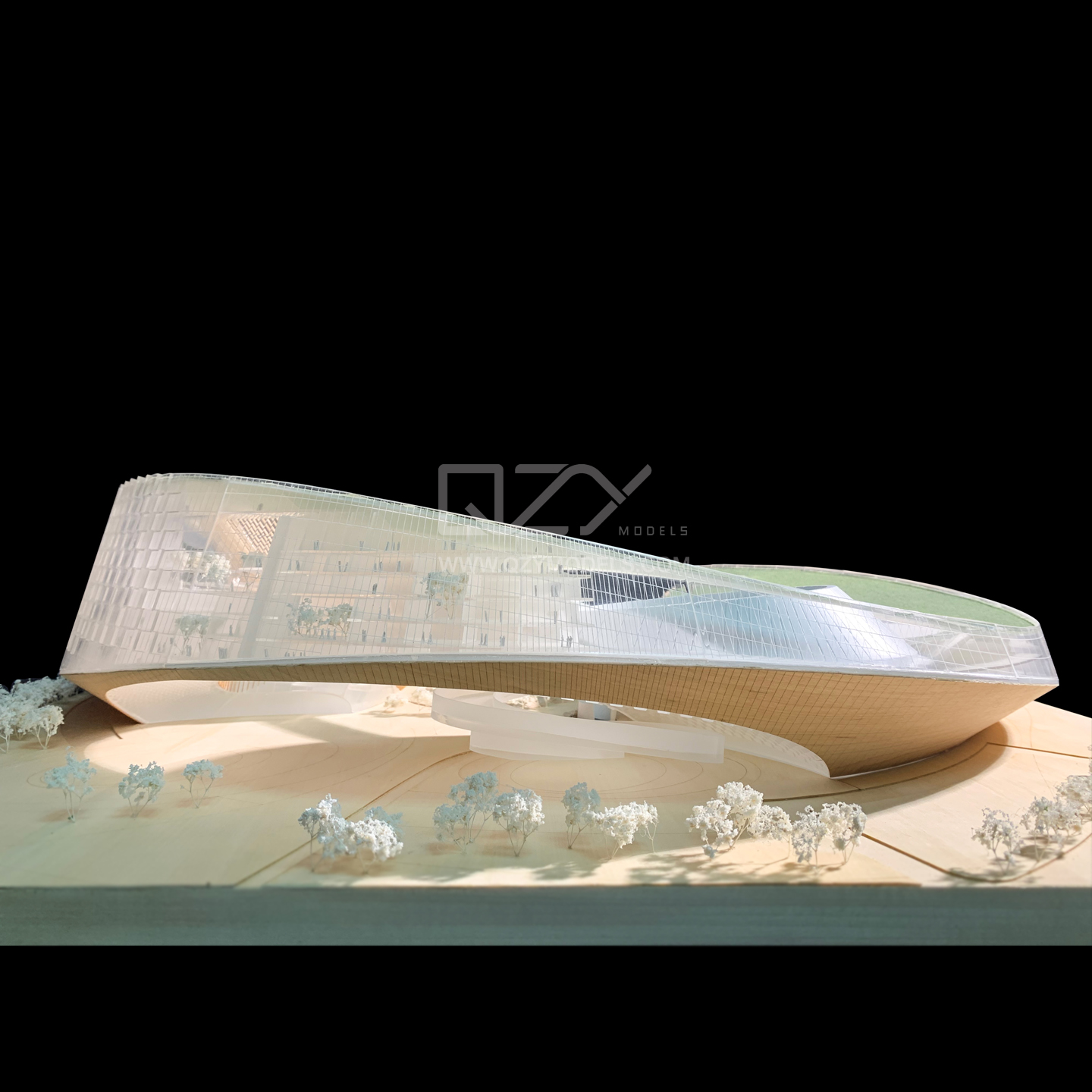
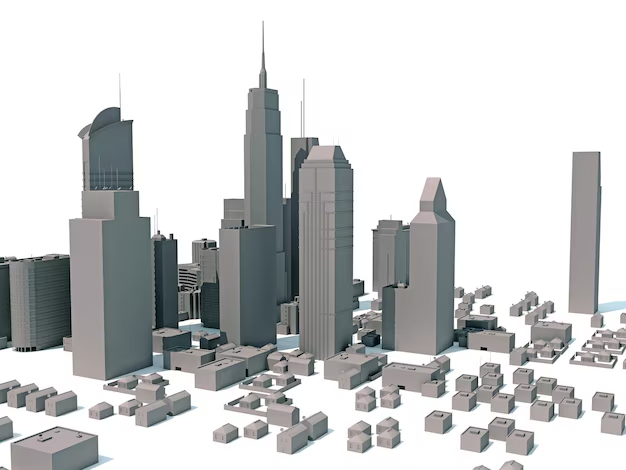
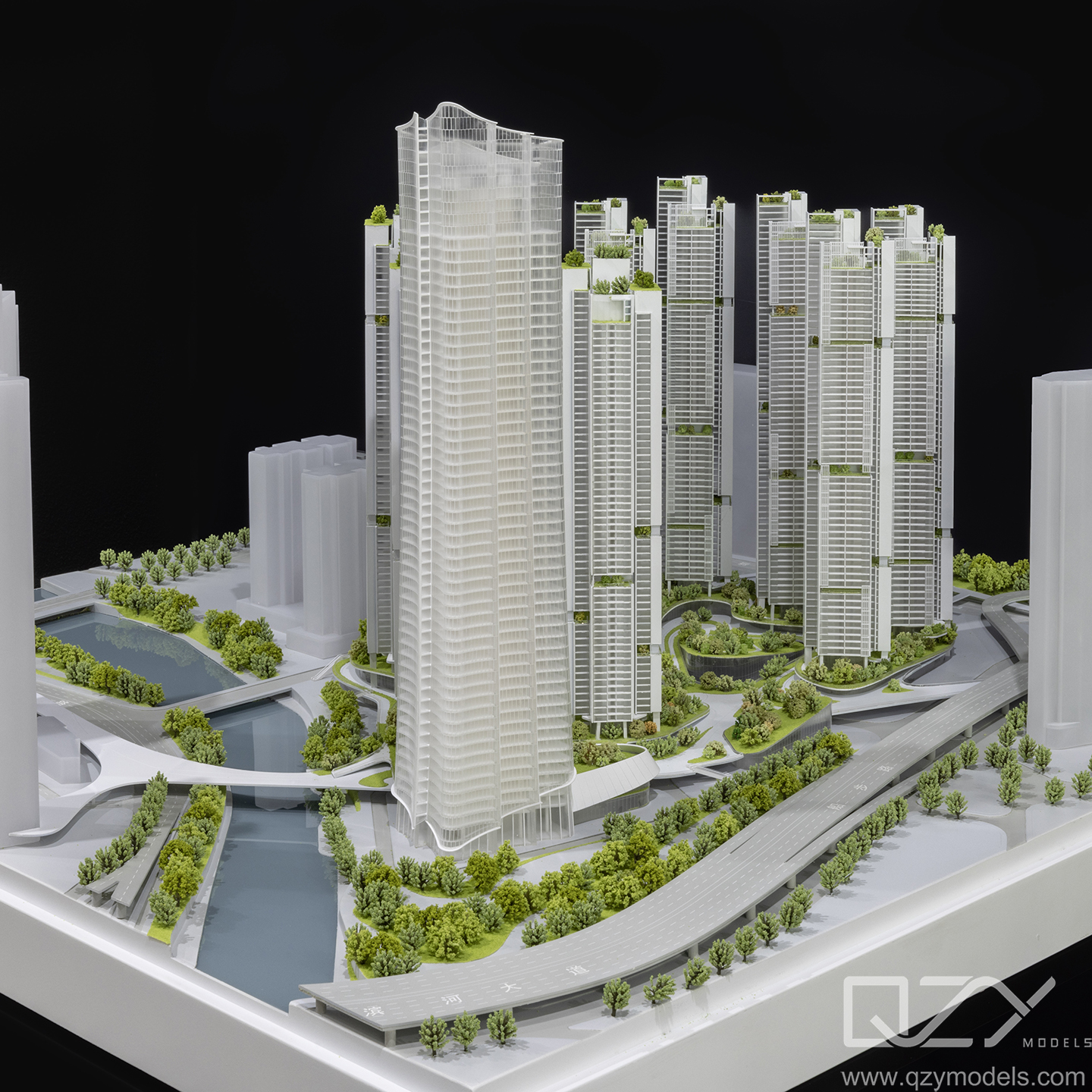
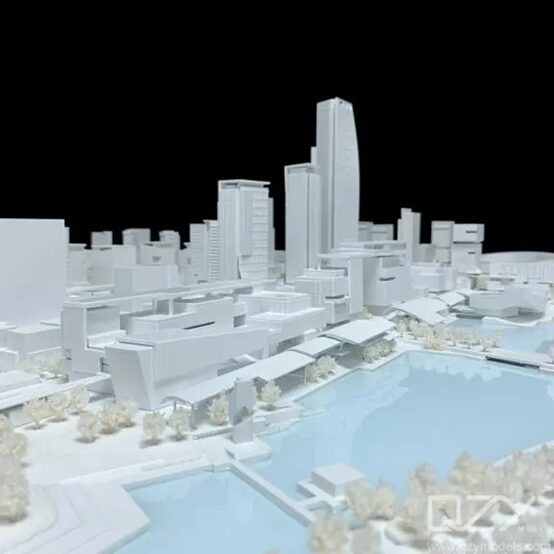
An airport model terminal is a detailed physical representation of an airport’s passenger terminal, showcasing design, functionality, and logistics. For manufacturers and suppliers in China, especially those like QZY Models, producing these models requires precision, innovation, and adherence to client specifications, making them crucial for architectural presentations and stakeholder communications.
What Is an Airport Model Terminal and Why Is It Important?
An airport model terminal is a scale replica used to visualize terminal layouts, passenger flows, and architectural design. It helps architects, developers, and investors understand the project’s scope, facilitating decision-making and marketing.
These models are vital for:
-
Demonstrating complex airport designs in 3D form
-
Planning terminal expansions or renovations
-
Enhancing client and stakeholder presentations
-
Assisting in urban planning and airport operation studies
For Chinese manufacturers like QZY Models, this niche allows delivering customized, precise models tailored for global B2B clients.
How Are Airport Model Terminals Manufactured in China?
Airport model terminals in China are manufactured using advanced techniques and materials, including laser cutting, 3D printing, and hand-finishing. The process usually involves:
-
Client consultation and design approval
-
Material selection (acrylic, wood, foam, metal)
-
Precision cutting and assembly
-
Painting and LED integration for realistic lighting effects
-
Quality inspection before shipment
Factories like QZY Models leverage ISO-certified processes and OEM capabilities to ensure consistent quality and scalability for wholesale orders.
Which Materials Are Best for Airport Model Terminal Construction?
Choosing the right materials impacts durability, detail, and cost. Common materials include:
-
Acrylic for transparent structures and glass facades
-
MDF or basswood for structural frameworks
-
Foam boards for lightweight base layers
-
Metal parts for fine detailing and stability
Tables comparing material properties can guide manufacturers and clients:
| Material | Advantages | Disadvantages | Typical Use |
|---|---|---|---|
| Acrylic | Transparency, smooth finish | Fragile under impact | Windows, facades |
| MDF/Wood | Easy to shape, sturdy | Heavier, may warp | Structural parts |
| Foam Board | Lightweight, cheap | Less durable | Base and landscaping |
| Metal | Strong, detailed | Expensive, harder to cut | Miniature fixtures |
QZY Models selects materials based on client needs and model complexity, ensuring premium finish and resilience.
Why Choose a Chinese Manufacturer for Airport Model Terminals?
China offers strategic advantages for OEM and wholesale production:
-
Cost-effective manufacturing with skilled labor
-
Advanced factories with automated processes (MES, CNC machines)
-
Robust supply chain and logistics for timely delivery
-
Customization flexibility and scalable production volumes
QZY Models stands out by combining over 20 years of experience, client-focused innovation, and global certifications that guarantee premium quality models for international architects and developers.
How Can Airport Model Terminals Enhance Architectural Presentations?
Airport model terminals provide clients a hands-on, visual tool to comprehend spatial arrangements, passenger flows, and design aesthetics. By integrating LED lighting and movable parts, models simulate real-world terminal operations. This immersive experience:
-
Improves client confidence during project pitches
-
Unveils design flaws or optimization opportunities early
-
Supports marketing through photorealistic displays
-
Strengthens collaboration among multi-disciplinary teams
QZY Models regularly upgrades its models with interactive technology to elevate client engagement.
When Is the Best Time to Invest in an Airport Model Terminal?
Usually, airport model terminals are commissioned during:
-
Feasibility and design phase to assist planning
-
Investor pitch presentations to secure funding
-
Public consultations to demonstrate project impact
-
Construction monitoring to track progress
Timely investment in a model terminal by a reliable supplier like QZY Models ensures decisions are data-driven and stakeholders remain aligned.
Where Are Airport Model Terminals Commonly Used?
Airport model terminals are used worldwide across:
-
Architectural firms for design visualization
-
Airport authorities for operational planning
-
Real estate developers to showcase property integration
-
Government agencies in urban development projects
QZY Models, operating from Shenzhen, exports these specialized models globally, serving clients in Asia, the Middle East, and beyond.
Does Customization Matter in Airport Model Terminal Production?
Customization is critical to meet unique project requirements including scale, design details, materials, colors, and lighting. B2B buyers expect flexible OEM services to tailor models precisely to their architectural plans.
Factories like QZY Models provide comprehensive customization options and can handle complex revisions, ensuring every model reflects the client’s vision accurately.
QZY Models Expert Views
“Airport model terminals are much more than miniature replicas; they are strategic tools that bridge architectural vision and practical execution. At QZY Models, our approach combines craftsmanship, technology, and deep knowledge of airport operations. This enables us to deliver models that not only showcase designs but also simulate real-world scenarios, enhancing communication and decision-making. We pride ourselves on servicing global B2B clients with precision, innovation, and reliability.” — Richie Ren, Founder, QZY Models
How Does Technology Impact the Production of Airport Model Terminals?
Emerging technologies like 3D printing, laser cutting, and LED integration revolutionize model accuracy and functionality. Automation increases production efficiency while retaining fine details. Incorporation of AR/VR enhances client interaction, offering immersive experiences beyond static models.
QZY Models invests continuously in cutting-edge technology to ensure their models meet evolving industry demands.
Conclusion
An airport model terminal is essential for effective architectural communication, offered best through experienced Chinese manufacturers like QZY Models. Their mastery of materials, technology, and customization provides global B2B clients with high-quality, realistic, and functional models. Investing early in such models drives better project outcomes, investor confidence, and operational insights.
Frequently Asked Questions
What scale is typical for airport model terminals?
Common scales range from 1:100 to 1:500, depending on project size and detail requirements.
How long does it take to manufacture an airport model terminal?
Production timelines vary from 4 to 12 weeks, depending on complexity and customization.
Can a model terminal include operational lighting?
Yes, many models incorporate LED lighting and moving parts for realism.
Are airport model terminals export-ready from China?
Reputable factories like QZY Models handle international shipping with secure packaging.
What customization options do Chinese model factories provide?
Options include scale adjustment, material choice, lighting, labeling, and interactive features tailored for client needs.