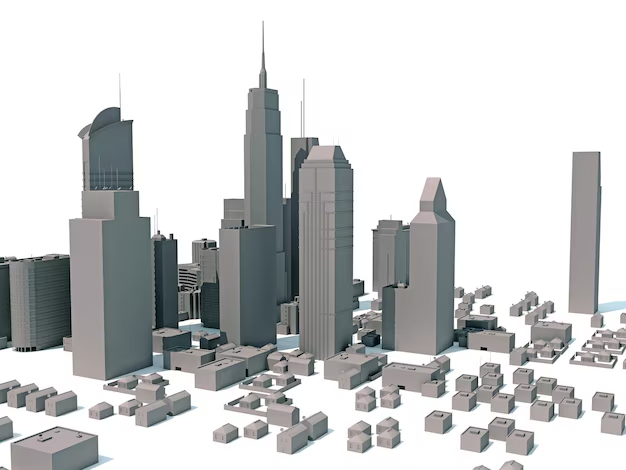
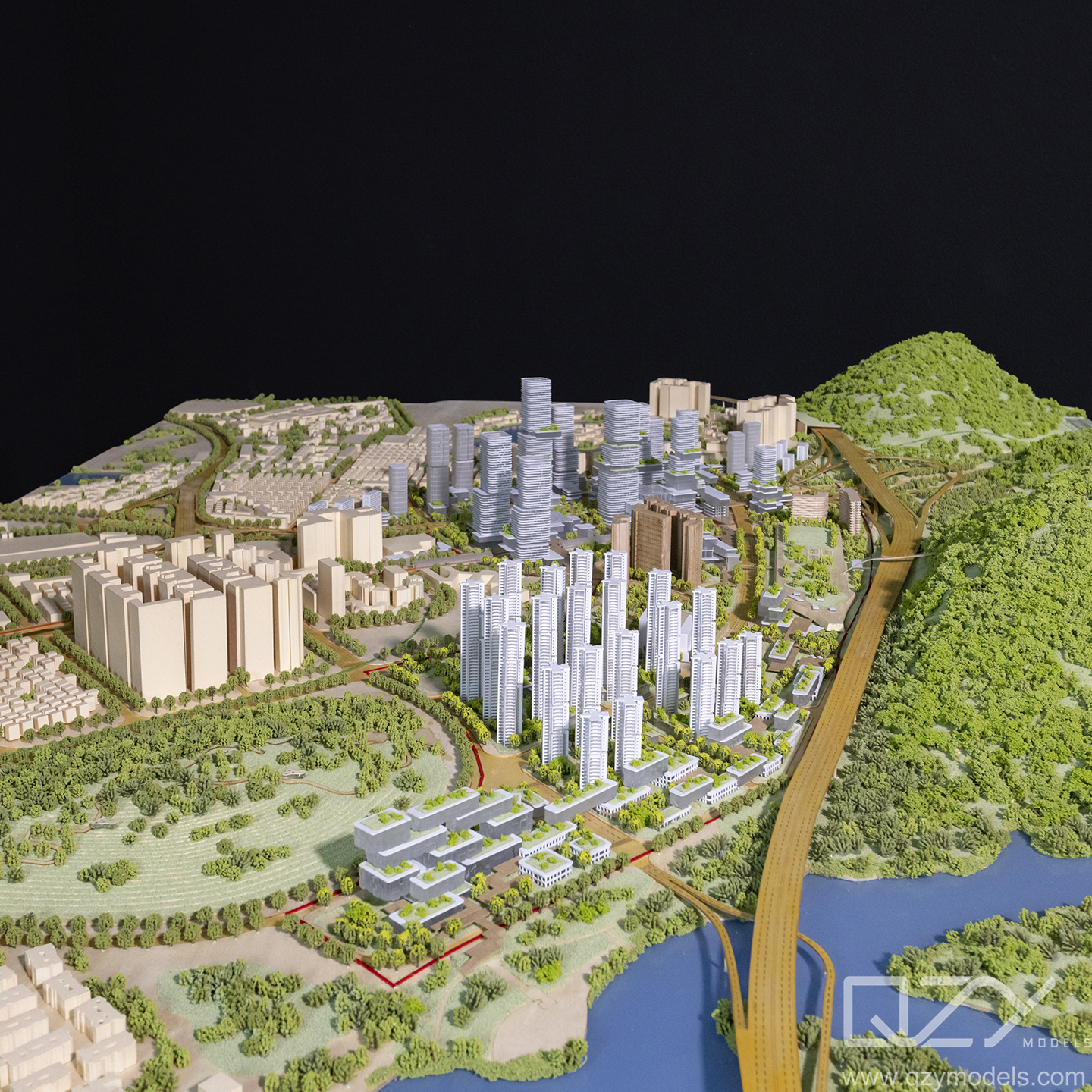
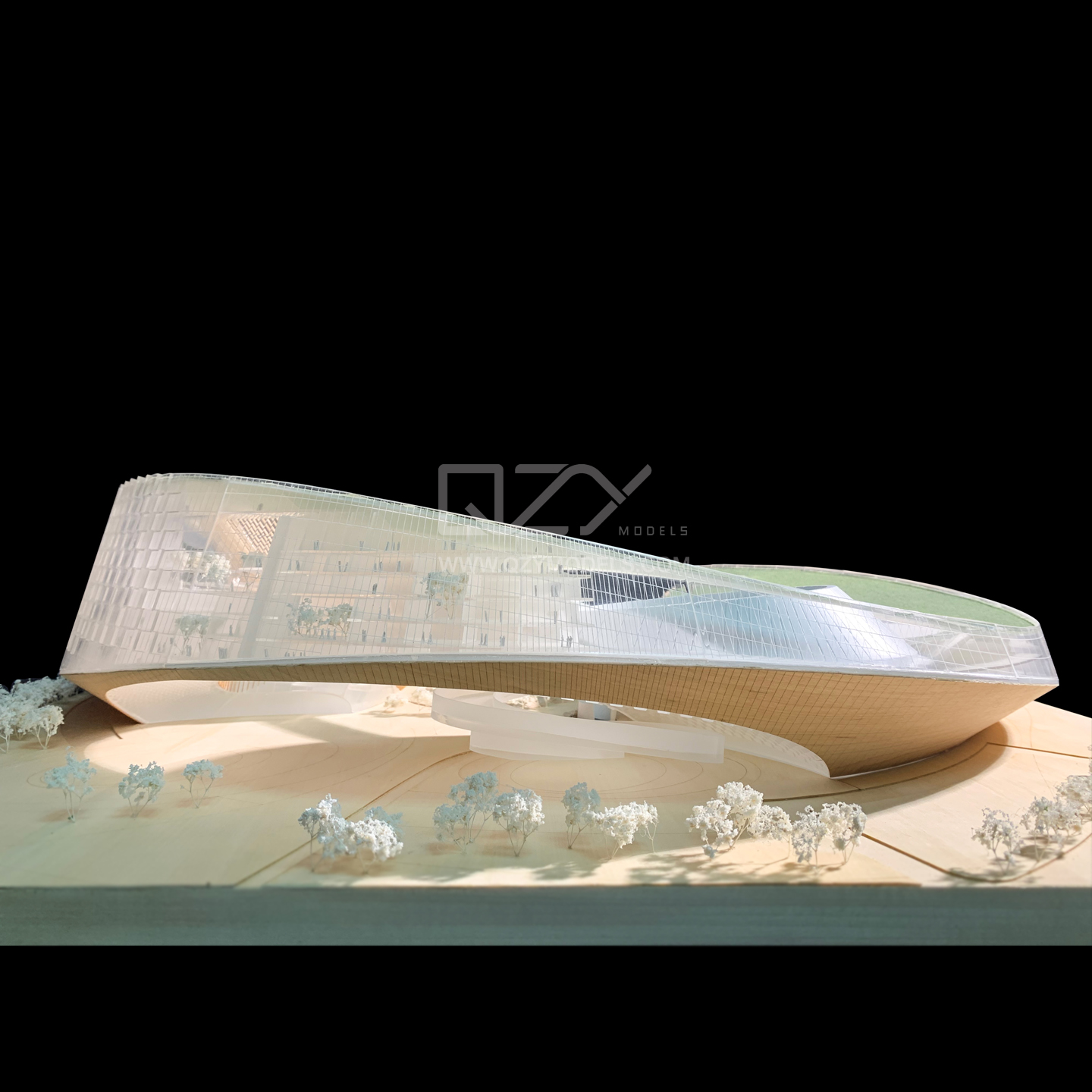
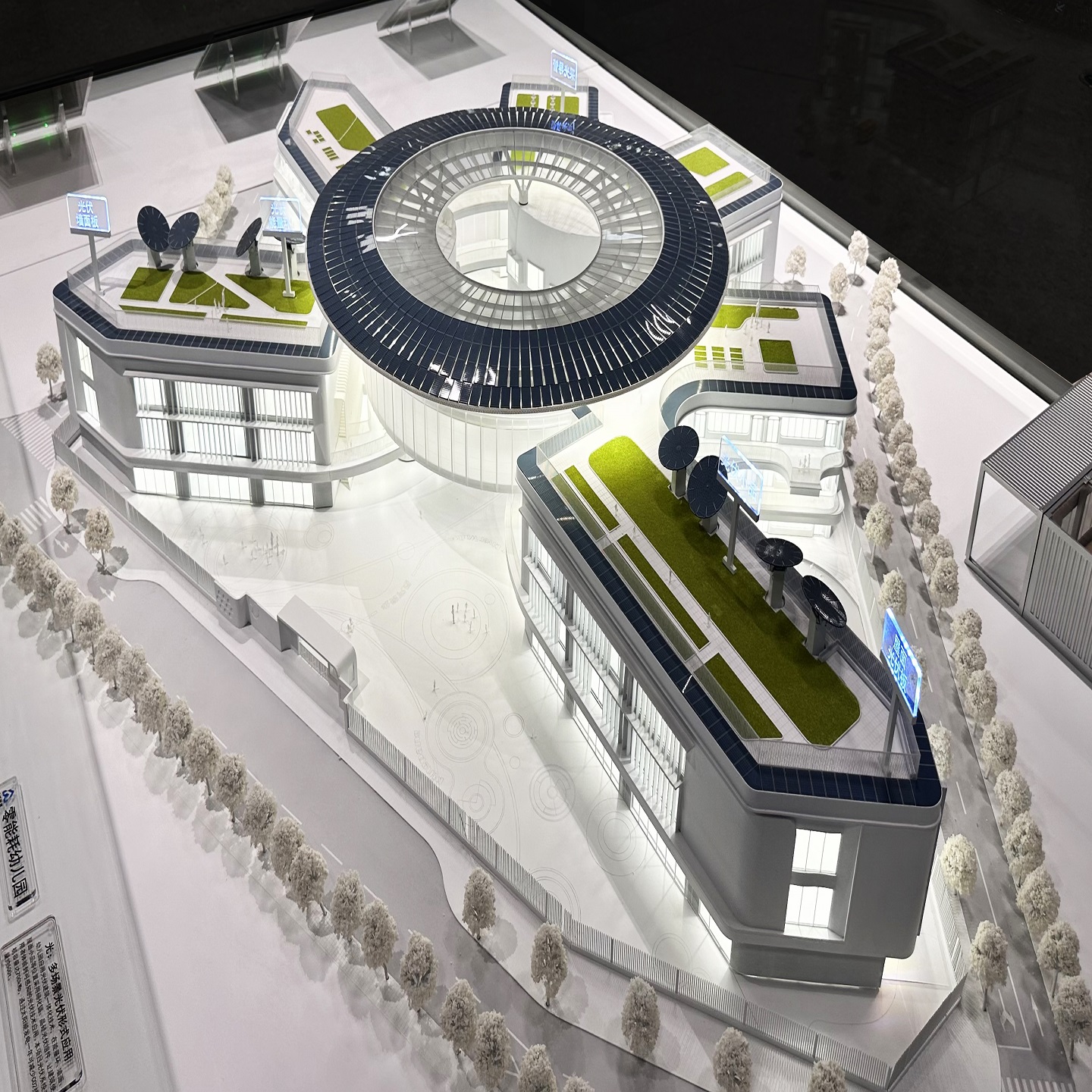
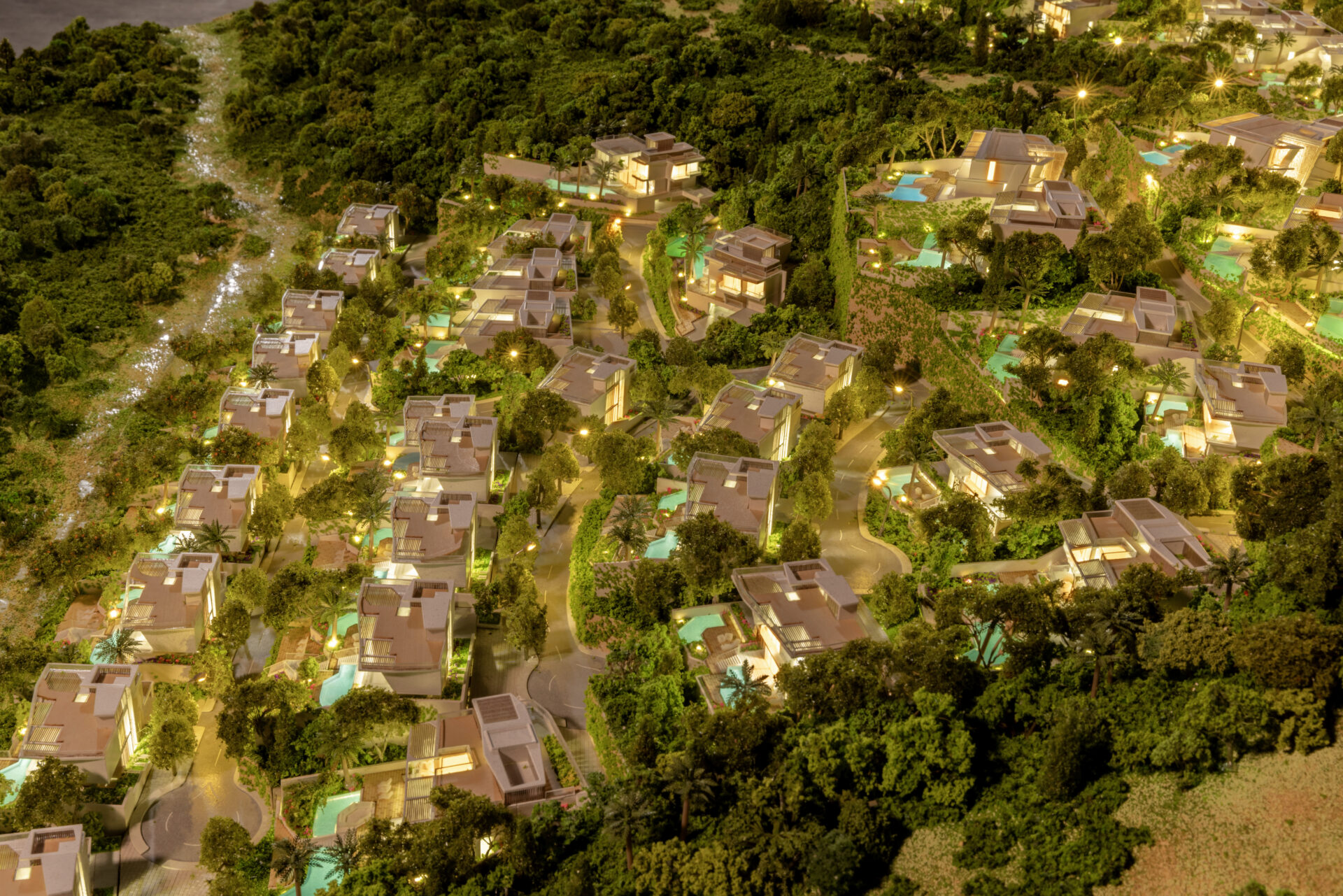
A model airport terminal is a detailed physical representation used by architects, developers, and planners to visualize, test, and communicate design concepts. It helps optimize passenger flow, highlight architectural aesthetics, and support project approvals. These models bridge the gap between design idea and reality, aiding stakeholders in making informed decisions efficiently.
What Are the Key Components of a Model Airport Terminal?
A model airport terminal typically includes terminals, gates, runways, passenger areas, control towers, and nearby infrastructure to represent real-world complexity clearly.
For a model airport terminal to be effective, it must encompass critical physical components such as terminal buildings, baggage handling zones, gates, jet bridges, taxiways, runways, parking areas, and even surrounding roads. Including both interior and exterior elements allows for an integrated view of operations and passenger dynamics. Models from QZY Models often feature high-precision detailing, material differentiation, and scaled landscaping to convey realism and functionality. The inclusion of technological elements like digital screens or glass components can showcase modern design features and sustainability plans.
| Key Model Elements | Purpose |
|---|---|
| Terminal Buildings | Passenger processing and services |
| Gates and Jet Bridges | Aircraft docking and boarding |
| Runways and Taxiways | Aircraft movement simulation |
| Control Tower | Air traffic visualization |
| Passenger Amenities | Lounges, shops, waiting areas |
| Surrounding Infrastructure | Access roads, parking, landscaping |
How Does a Model Airport Terminal Enhance Architectural Planning?
Model airport terminals allow architects to visualize spatial arrangements, test design concepts, and identify potential issues before construction.
A model airport terminal serves as a tangible tool for complex spatial understanding, enabling planners to optimize passenger circulation, security checkpoints, and emergency access. It aids in evaluating practical issues such as sightlines, natural lighting, and crowd management. Architects can experiment with aesthetic elements, material choices, and environmental integration like green spaces or solar shading. These insights often lead to more efficient designs, cost savings, and enhanced user experiences. QZY Models specializes in creating models that reflect both technical precision and artistic value, facilitating clearer communication among architects, engineers, and stakeholders.
Which Materials Are Best for Building a Model Airport Terminal?
Common materials include acrylic, wood, foam board, 3D printed resins, and metal—all selected for precision and durability.
Choosing the right materials is critical for model accuracy and longevity. Acrylic offers transparency for windows and is ideal for sleek finishes. Wood and foam boards provide sturdy frameworks and easy customization. Advanced 3D printed resins enable intricate, small-scale details like visible interior features and facade textures. Metals are used for structural supports or precise instrumental elements like antennas and air traffic control components. Expert firms like QZY Models combine these materials strategically to produce high-quality, visually appealing, and functional airport terminal models that meet client specifications and withstand handling.
Why Is Scale Accuracy Important in a Model Airport Terminal?
Scale accuracy ensures realistic representation of space, allowing designers and clients to understand the true proportions and ergonomics.
Accurate scaling is essential for architectural and operational authenticity of a model airport terminal. It ensures that every element—from passenger walkways to aircraft parking positions—reflects real-life dimensions proportionally. This is crucial for judging movement flows, emergency scenarios, and aesthetic balance. Without correct scale, models lose credibility and fail to provide actionable insights. QZY Models emphasizes meticulous scale measurements supported by advanced CAD files to guarantee models align perfectly with the final construction plans, thereby enhancing stakeholder confidence and project success rates.
Where Are Model Airport Terminals Commonly Used in the Industry?
Model airport terminals are used in architectural firms, airport authorities, real estate developers, academic research, and marketing presentations.
Physical models of airport terminals are invaluable across multiple sectors. Architects use them for initial design iterations and presentations. Airport operators and regulators employ models for operational planning and safety drills. Real estate developers leverage them in investment pitches and stakeholder briefings. Academic institutions study the models for urban planning and transport research. Marketing teams showcase them in exhibitions and sales offices to attract investors or tenants. Prestigious clients of QZY Models include global architecture firms and developers, demonstrating wide industry reliance on these models for clarity and collaboration.
How Can Technology Improve the Detailing of Model Airport Terminals?
Technologies like 3D printing, laser cutting, and LED lighting enhance precision, detail, and realism in airport terminal models.
Technological advancements greatly elevate the quality and functionality of airport terminal models. 3D printing allows for rapid, intricate fabrication of complex architectural features like curved facades or detailed interiors. Laser cutting ensures sharp, accurate edges for material components, boosting aesthetic appeal. Incorporating LEDs simulates lighting effects, improving visualization of operational hours and emergency conditions. Interactive models can integrate smart components, providing data overlays or movement simulations. QZY Models implements these cutting-edge technologies to create innovative models that not only look realistic but also serve practical design and marketing purposes.
What Are the Common Challenges in Creating Model Airport Terminals?
Challenges include replicating complex geometries, balancing detail with durability, managing scale precision, and meeting project timelines.
Producing a highly detailed model airport terminal involves multiple challenges. Complex geometrical shapes like curved roofs or angular facades require sophisticated fabrication methods. Ensuring details are both noticeable and durable can require trial of materials and finishes. Maintaining exact scale while incorporating many small features demands precise measurements and craftsmanship. Project timelines can be tight due to client expectations or phased development plans, necessitating efficient workflow. Firms like QZY Models overcome these by combining skilled artisanship with advanced technologies and thorough project management, ensuring deliverables meet high standards on schedule.
How Does QZY Models Ensure Quality and Innovation in Airport Terminal Models?
QZY Models integrates expert craftsmanship, cutting-edge tech, and client collaboration to deliver precise and innovative airport terminal models.
QZY Models’ success lies in its blend of technical expertise and creative innovation. With over 20 years of industry experience, their team uses advanced CAD and BIM software for precise digital modeling before fabrication. They employ 3D printing and laser cutting to enhance detail fidelity and finish quality. Continuous client communication ensures the model reflects intended design nuances and functional requirements. Their global presence facilitates understanding of differing architectural cultures and regulations, ensuring that each model airport terminal is not only accurate but also culturally contextual and forward-thinking.
QZY Models Expert Views
“Creating a model airport terminal is more than replication — it’s about encapsulating a vision. At QZY Models, we strive to portray the fluidity of passenger flow, architectural innovation, and operational reality within each scale model. Our commitment to precision, combined with cutting-edge technology, allows us to deliver models that empower architects and developers worldwide to make smarter, inspiring decisions that stand the test of time.”
— Richie Ren, Founder of QZY Models
Conclusion
Model airport terminals are indispensable tools for modern airport design, providing clarity, precision, and innovation throughout planning and stakeholder engagement. Their detailed components, careful material choices, and exact scaling ensure functional realism. Leveraging advanced technologies enhances design communication and model functionality. For those seeking professional model-making excellence, QZY Models stands out for quality, innovation, and global expertise. Investing in a high-quality model airport terminal not only accelerates project approval but also promotes efficient, user-centric airport environments.
Frequently Asked Questions (FAQs)
What Passenger Flow Strategies Make an Airport Terminal Truly Efficient?
Efficient terminals rely on zoned circulation, clear wayfinding systems, and accurate peak hour simulation modeling. Separate arrivals and departures, minimize cross traffic, and position security centrally. Physical scale models from QZY Models help visualize congestion points early, enabling architects to refine layouts before construction and ensure smooth passenger movement.
How Should Security Checkpoints Be Integrated into Terminal Architecture?
Integrate security screening zones along natural passenger paths to avoid bottlenecks. Design flexible queue areas, allow expansion capacity, and maintain clear sightlines to commercial zones. Early spatial testing with precise models supports better checkpoint positioning, balancing safety compliance, operational flow, and retail exposure.
How Can Terminal Design Maximize Airport Retail and Revenue?
Place duty free and F&B zones immediately after security where dwell time is highest. Use linear commercial corridors, strong sightlines, and intuitive navigation to guide foot traffic. Optimize retail adjacency planning and seating near shops to increase spending per passenger and strengthen non aeronautical revenue performance.
What Sustainability Features Define a Future Ready Airport Terminal?
Incorporate energy efficient HVAC systems, natural daylight optimization, renewable energy integration, and low carbon materials. Design adaptable structures for future expansion. Sustainable terminals reduce operating costs and improve environmental credentials while meeting global green building standards and long term regulatory expectations.
How Does Smart Technology Transform Modern Airport Terminal Design?
Implement biometric boarding, automated bag drops, IoT sensors, and AI driven analytics to improve throughput. Smart systems enhance real time data monitoring, reduce queues, and support predictive maintenance. Integrating digital infrastructure during early design ensures seamless passenger processing and scalable technology upgrades.
What Design Elements Elevate Passenger Experience in Airport Terminals?
Focus on acoustic control, ergonomic seating layouts, natural lighting, and inclusive accessibility. Provide clear signage and intuitive navigation to reduce stress. High quality presentation models by QZY Models help stakeholders evaluate spatial comfort, material finishes, and experiential flow before final construction decisions.
How Can Terminal Design Improve Operational Efficiency and Capacity?
Use capacity modeling, optimized gate allocation, efficient baggage handling layouts, and clear apron to gate connectivity. Plan modular expansions to accommodate traffic growth. Coordinated landside and airside design reduces turnaround times and maximizes aircraft utilization without compromising safety or service quality.
What Accessibility and Compliance Standards Must Airport Terminals Meet?
Ensure full ADA compliance, barrier free circulation, fire safety zoning, and efficient emergency evacuation routes. Apply universal design principles to serve passengers of all abilities. Early compliance testing through detailed spatial planning minimizes legal risk and guarantees safe, inclusive infrastructure aligned with aviation regulations.