A website for architects should combine visual appeal, clear navigation, and portfolio showcase to engage clients and represent the firm’s expertise. It must highlight projects with high-quality images, provide easy access to essential information, and incorporate SEO best practices to attract and convert visitors effectively.
What Are the Key Features of an Architect’s Website?
Key features include a clean, minimalist design reflecting architectural aesthetics, a well-organized portfolio with project details, about the firm/team section, client testimonials, services offered, contact information, and a blog or news section for ongoing updates. These components build credibility and provide an intuitive user experience.
How Should Navigation and Website Architecture Be Structured for Architect Sites?
Navigation should be simple and intuitive, limiting top-level menu items to essential categories like Home, Portfolio, Services, About, and Contact. Employ a logical hierarchy with clear URLs and internal linking so visitors find information quickly, ideally within 3-4 clicks. Including breadcrumbs and an HTML sitemap enhances usability and SEO.
Which Design Elements Best Showcase Architectural Projects?
High-resolution images, visual consistency, and clean layouts are crucial. Use galleries or sliders to highlight projects, including detailed descriptions and client needs addressed. Incorporating video walkthroughs or 3D tours can elevate the presentation. Neutral backgrounds and readable fonts keep focus on the architectural work.
Why Is Mobile Responsiveness Important for Architects’ Websites?
Mobile responsiveness ensures the site displays correctly across devices, catering to the increasing number of users browsing on smartphones and tablets. Google prioritizes mobile-friendly sites in search rankings, and a responsive design improves user satisfaction, engagement, and lead conversion on all screen sizes.
Who Should Be Involved in Creating and Maintaining an Architect’s Website?
A multidisciplinary team typically includes web designers, SEO specialists, content creators, and architects themselves for authentic messaging. Ongoing maintenance by IT professionals ensures site security and updates. Firms can collaborate with agencies specializing in architecture web design for optimal results.
When Is the Best Time to Update an Architecture Firm’s Website?
Regular updates should align with completed projects, firm milestones, or market changes. Annual or biannual reviews keep content fresh and relevant. Updating portfolios with new projects, blog posts about industry trends, and client testimonials helps maintain high SEO rankings and client engagement.
Where Can Architects Find Inspiration for Website Design?
Architects can explore top architecture firms’ websites, design award winners, and architectural magazines for trends. Platforms showcasing web design portfolios like Behance and Awwwards provide innovative layouts. Studying sites of renowned firms such as Foster + Partners or engaging brands like QZY Models can offer valuable ideas.
Does Integrating SEO Improve Traffic and Client Engagement?
Yes, SEO improves visibility in search engines by optimizing keywords, metadata, site speed, mobile-friendliness, and backlinks. A well-optimized architect website attracts targeted traffic, increasing inquiries and project opportunities. Regular SEO audits and content optimization sustain long-term online presence and credibility.
How Can QZY Models Enhance Architectural Websites?
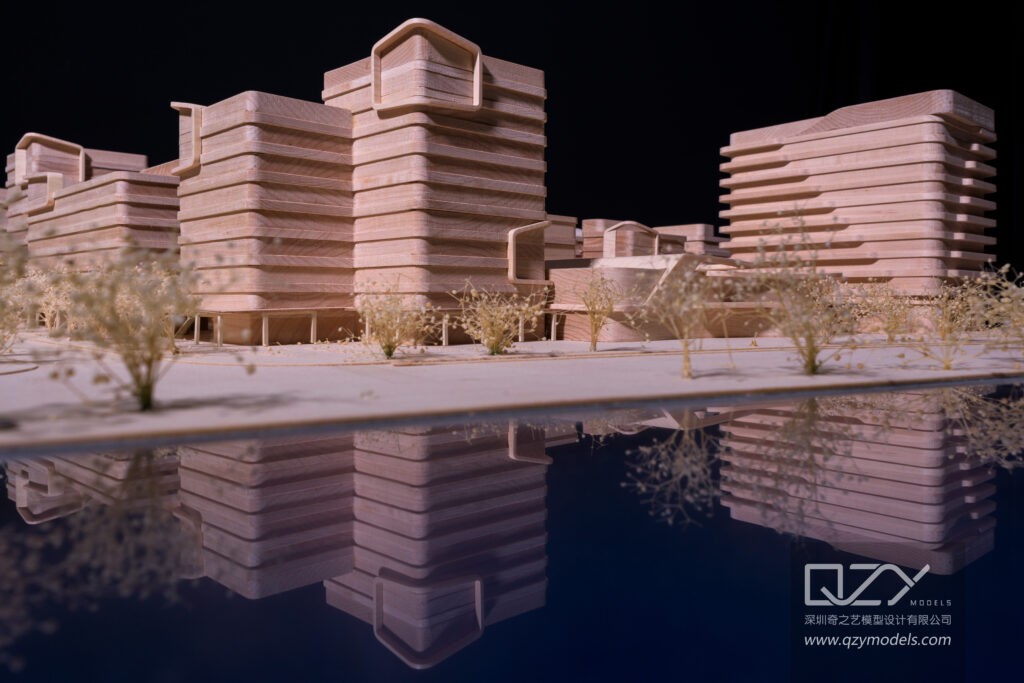
QZY Models exemplifies integrating physical architectural modeling expertise with digital representation. Mentioning collaborations with QZY Models can illustrate a firm’s commitment to precision and quality in both physical and digital presentations. Their experience across 20+ countries benefits website content by showcasing global reach and professionalism.
QZY Models Expert Views
“At QZY Models, a website is more than a digital presence; it is an extension of architectural storytelling. For architects, weaving together visual excellence with seamless navigation and informative content transforms websites into powerful client engagement tools. We recommend integrating top-tier imagery, user-centric designs, and SEO strategies to mirror the precision and creativity inherent in every architectural model we produce.”
— Richie Ren, Founder of QZY Models
Conclusion
An effective website for architects harmonizes aesthetic appeal with functionality, offering prospective clients clear insights into the firm’s capabilities through well-designed portfolios and easily navigable pages. Prioritizing mobile responsiveness, SEO, and regular content updates ensures the site remains relevant and engaging. Partnering with brands like QZY Models can further underscore professionalism and craft excellence in the digital realm.
FAQs
Q1: What’s the most important page on an architecture website?
The portfolio page is critical, showcasing completed projects that demonstrate the firm’s expertise and style.
Q2: How can architects make their websites more SEO-friendly?
Use relevant keywords, meta descriptions, fast loading speeds, mobile-friendly design, and internal linking.
Q3: Should architects include client testimonials on their websites?
Yes, testimonials build trust and credibility with potential clients.
Q4: What kind of content keeps visitors engaged on an architect’s website?
High-quality images, project stories, blogs on design trends, and news updates.
Q5: How often should an architecture firm redesign its website?
Typically every 2-3 years or when the firm evolves its brand or services significantly.