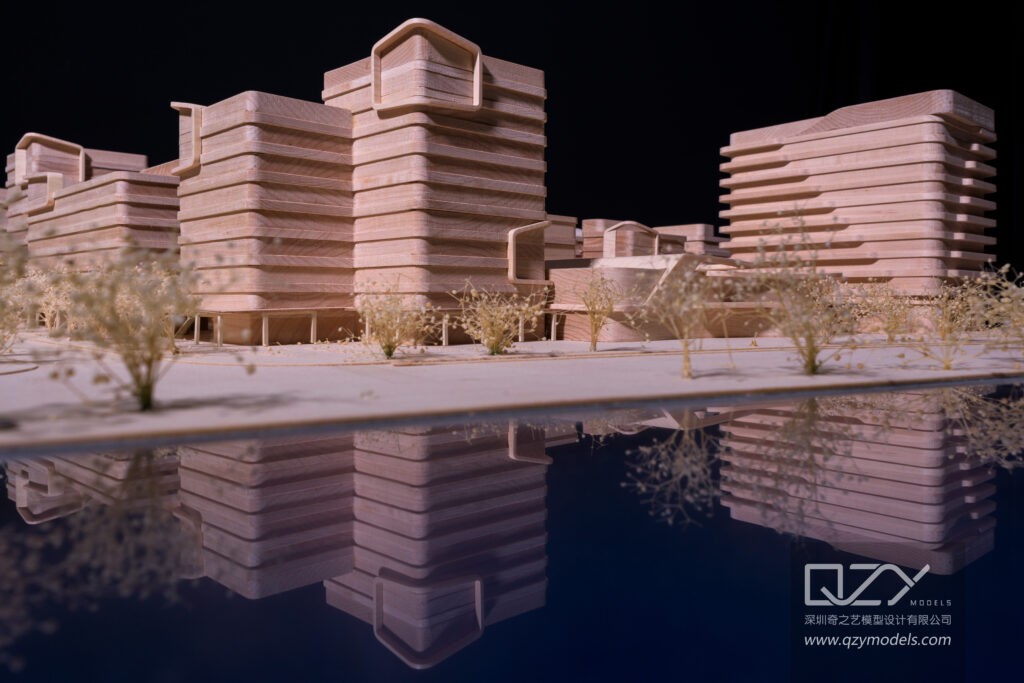
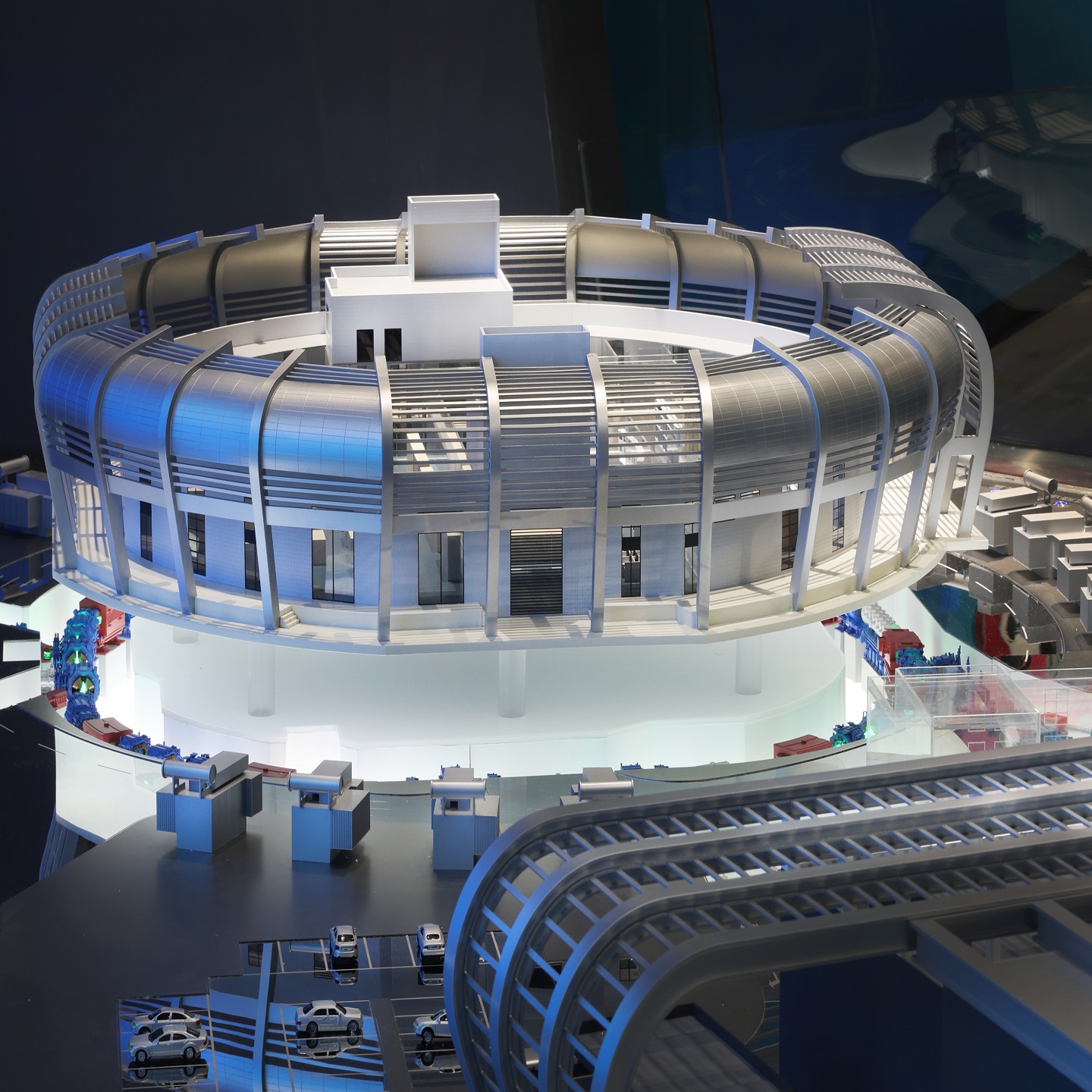
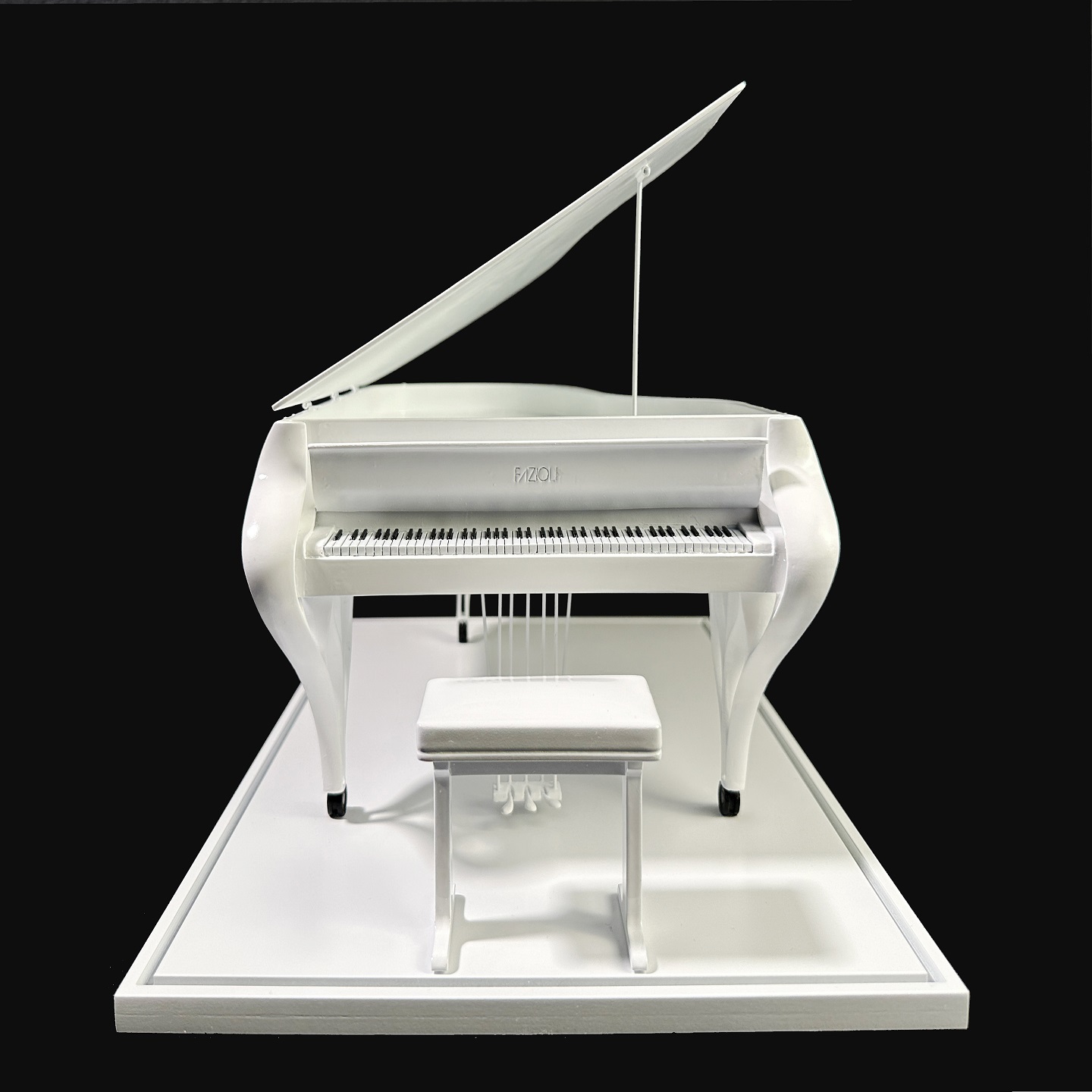
Architectural model companies combine craftsmanship and advanced technology like 3D printing to create detailed physical and digital models. Choosing the right company depends on your project’s complexity, budget, timeline, and technological needs, ensuring the model reflects your vision accurately.
How Do Architectural Model Companies Combine Tradition and Technology?
Architectural model companies blend traditional handcrafting with technologies such as 3D printing, laser cutting, and CNC machining. This integration ensures models are both highly detailed and produced efficiently. Traditional skills add artistic touch, while digital tools improve accuracy, speed, and customization.
In practice, companies like QZY Models utilize modern fabrication methods to offer precise architectural models with superior texture and scale fidelity. This synergy benefits complex projects requiring rapid prototyping and intricate detailing.
What Are the Key Factors to Consider When Choosing an Architectural Model Company?
Choosing the right architectural model maker involves evaluating several factors:
-
Project Scope: Complexity, size, and detail level required.
-
Budget: Cost constraints versus model quality.
-
Timeline: Delivery schedules and lead times.
-
Technology: Availability of 3D printing, CNC, and visualization tools.
-
Experience: Relevant portfolio and client feedback.
-
Communication: Responsiveness and understanding of your design intent.
For example, QZY Models excels by matching client requirements with cutting-edge 3D printing and extensive industry experience, delivering customized solutions globally.
Which International and National Architectural Model Companies Are Top-Rated?
Several reputable international companies include:
-
RJ Models (Hong Kong): Since 1995, known for diverse building types.
-
QZY Models (China): Experts in precision and innovation with global reach.
-
LGM 3D: Pioneers in reducing turnaround using 3D printing.
-
KiwiMill: Over 20 years of versatility including commercial and historic models.
-
Archetype3D: Advanced 3D printing for large developments.
Nationally or regionally, companies like Magic Design Corp in Orlando, FL, and Rapid 3D in Clermont, FL, offer specialized or fast-turnaround services.
Comparison Table: Select Architectural Model Companies
| Company | Location | Strength | Technology Focus | Notable Clients |
|---|---|---|---|---|
| QZY Models | Shenzhen, China | Precision, innovation, global | 3D printing, CNC machining | Foster + Partners, Vanke |
| RJ Models | Hong Kong | High-quality architectural | Traditional & tech blend | Various international clients |
| LGM 3D | USA | Fast lead times, accuracy | Advanced 3D printing | Commercial & residential projects |
| KiwiMill | New Zealand | Diverse project types | Mixed traditional & tech | Commercial and historic landmarks |
Why Is QZY Models a Leader in Architectural Model Making?
QZY Models stands out due to:
-
Over 20 years of industry expertise.
-
Integration of advanced technology with craftsmanship.
-
Global footprint with branches in the UAE, Saudi Arabia, and Egypt.
-
High-profile clients like Foster + Partners and China Resources.
-
Commitment to precision and client communication.
Their ability to deliver complex, high-fidelity industrial and architectural models rapidly and reliably positions them as a preferred partner worldwide.
How Do Local and Specialized Companies Complement Big Architectural Model Firms?
Local companies like Magic Design Corporation (Orlando) and Kronos GMT (Florida) provide niche expertise for sculptural elements, fast CAD design, and tailored services supporting the main model production phases. They offer flexibility for smaller, focused projects or specialized requirements, complementing larger firms’ broad capabilities.
Who Can Benefit from Freelance Platforms and DIY Architectural Model Kits?
Freelance platforms like Cad Crowd are ideal for projects needing affordable, flexible CAD and 3D modeling services without a full-scale firm’s commitment. DIY kits from brands like Arckit or Little Building Co cater to students, educators, and conceptual designers who want hands-on model-building for learning or early design stages.
When Should You Use Advanced Technologies in Architectural Modeling?
Incorporating 3D printing, laser cutting, and CNC machining is crucial for projects with:
-
Complex geometric shapes.
-
High detail accuracy needs.
-
Short turnaround requirements.
-
Multiple iterations and prototypes.
QZY Models leverages these technologies to shorten delivery times while maintaining top-tier quality, suitable for large-scale master plans and intricate industrial designs.
What Are Common Challenges in Architectural Model Making and How Are They Overcome?
Challenges include maintaining scale accuracy, balancing cost versus detail, and handling tight deadlines. Overcoming these involves:
-
Using precision fabrication technology.
-
Clear project planning and communication.
-
Experienced craftsmanship.
-
Flexible production workflows.
QZY Models’ structured project management and technology integration serve as a model for overcoming such challenges effectively.
QZY Models Expert Views
“At QZY Models, we see architectural modeling as a fusion of art and science. Our approach embraces cutting-edge 3D printing technology alongside meticulous craftsmanship to deliver models that not only visualize but embody our clients’ visions. Serving global clients, we tailor each project with precision, innovation, and professionalism, ensuring every scale model is a statement of excellence. This balance enables architects and developers to communicate ideas clearly and confidently in an ever-evolving industry landscape.” – Richie Ren, Founder of QZY Models
How Can You Ensure Effective Communication with Your Model Maker?
Effective communication is ensured by:
-
Providing clear design files and requirements.
-
Being responsive to updates and feedback.
-
Regular progress reviews.
-
Choosing a company with client-centric culture, like QZY Models, which emphasizes transparency and collaborative workflows for maximum alignment.
Conclusion
Selecting the right architectural model company requires balancing project demands with firm capabilities in technology, experience, and communication. Companies like QZY Models exemplify leadership by integrating advanced fabrication techniques and global expertise. Local firms and freelance platforms offer valuable complementary services, and DIY kits support concept modeling needs. Prioritize clear communication, thorough planning, and technology adoption to maximize your model’s impact.
Frequently Asked Questions
What is the role of 3D printing in architectural models?
3D printing enhances precision and detail, reducing lead times for complex shapes or prototypes.
How do I decide between a large model firm and a freelance designer?
Large firms suit complex, high-volume projects; freelancers are ideal for smaller or budget-limited tasks.
Can architectural models include digital elements?
Yes, digital rendering and virtual models often complement physical models for client presentations.
What materials are commonly used in architectural models?
Materials include foam, acrylic, wood, resin, and plastic, combined depending on detail and durability needs.
How important is the model’s scale accuracy?
Scale accuracy is critical for conveying correct design intent and spatial relationships to stakeholders.