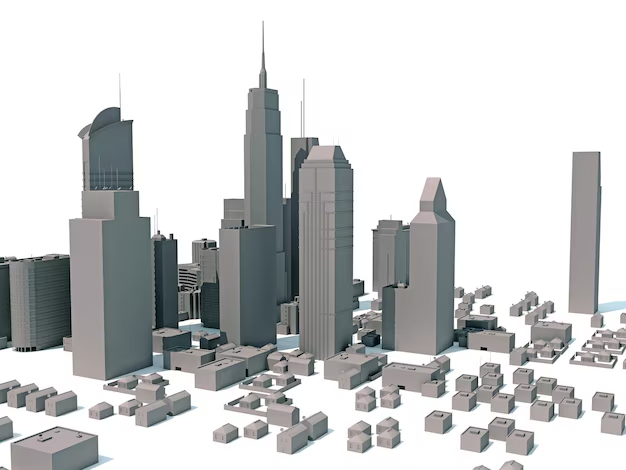
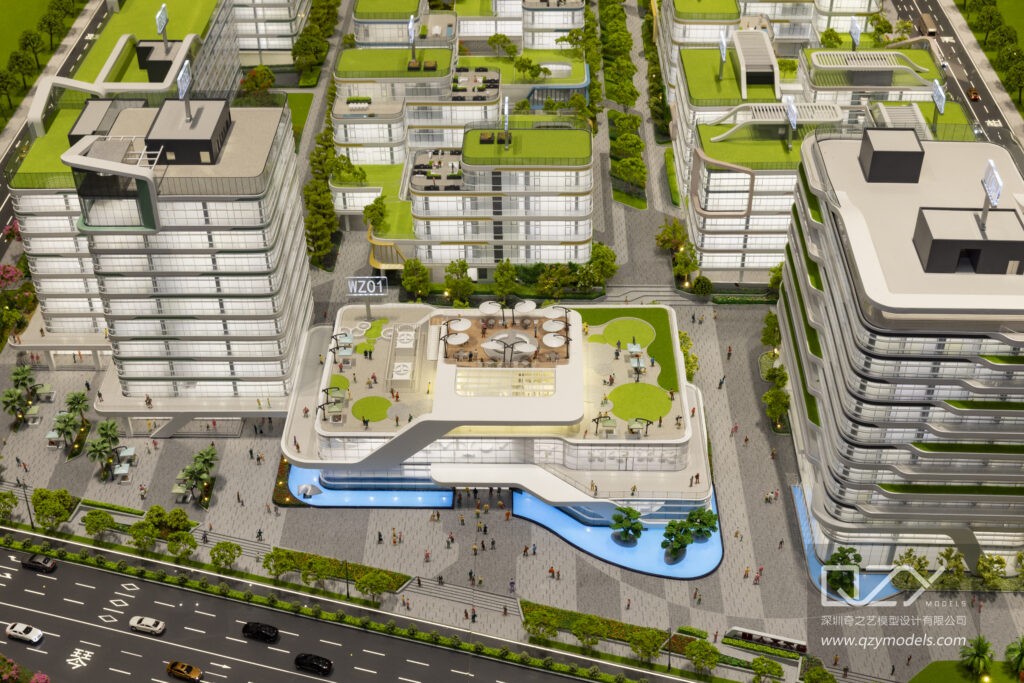
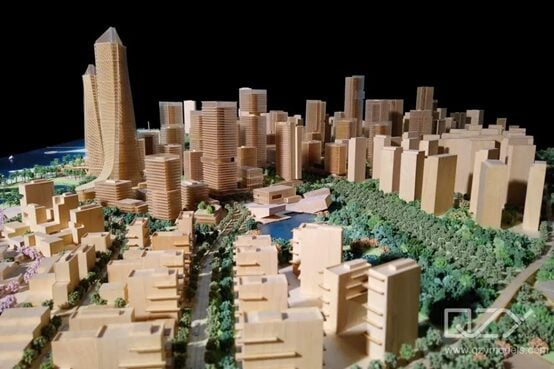
Architectural massing models are vital tools in urban design, providing a three-dimensional understanding of building forms, density, and urban context. They bridge the gap between conceptual ideas and practical planning, enabling architects, developers, and municipal authorities to assess scale, zoning, and environmental impact. Companies like QZY Models deliver precision-crafted physical models that enhance decision-making and stakeholder engagement globally.
How Do Architectural Massing Models Impact Urban Planning?
Massing models allow urban planners to visualize building forms, evaluate spatial arrangements, and assess skyline impact before finalizing projects. By representing density, circulation, and sunlight exposure in 3D, these models help optimize site utilization and minimize conflicts. Cities experiencing rapid growth, such as Shenzhen or Dubai, rely on physical massing models to harmonize new developments with existing urban landscapes. QZY Models ensures precise representation at scales from 1:500 to 1:2000 for citywide feasibility studies, enabling better collaboration among architects, developers, and municipal agencies.
What Are the Key Benefits of Using Physical Massing Models?
Physical models offer a tactile, intuitive understanding of proportions, scale, and urban relationships that digital tools alone cannot replicate. They facilitate effective communication with stakeholders, councils, and investors, clarifying building heights, setbacks, and design intentions. QZY Models incorporates laser-cut acrylic, CNC foam, and resin to achieve high precision and durable finishes, adaptable for exhibitions or OEM production.
| Key Benefit | Description | Application |
|---|---|---|
| Spatial clarity | Demonstrates height, scale, and context | Urban design review |
| Design validation | Identifies potential conflicts early | Developer coordination |
| Stakeholder engagement | Visually compelling for presentations | Architectural exhibitions |
Why Do Developers and Architects Prefer OEM Manufacturing in China?
China’s OEM model factories combine craftsmanship, efficiency, and cost-effectiveness. Partnering with manufacturers like QZY Models allows international clients to streamline production, maintain quality consistency, and customize materials, scale, and finishes. The integrated supply network in China supports both large-scale and bespoke projects, making it ideal for global developers and institutional clients.
Which Materials Are Best for Massing Models?
Architectural massing models commonly use high-density foam, acrylic, resin, ABS, and 3D-printing composites. Foam and resin provide lightweight options for density studies, while acrylic ensures transparency for facade differentiation. QZY Models combines CNC cutting, UV printing, and hand detailing to achieve precision and color accuracy. Material selection depends on purpose—durability for exhibitions, portability for site visits, or high detail for marketing visuals.
How Are Massing Models Integrated Into Smart City Planning?
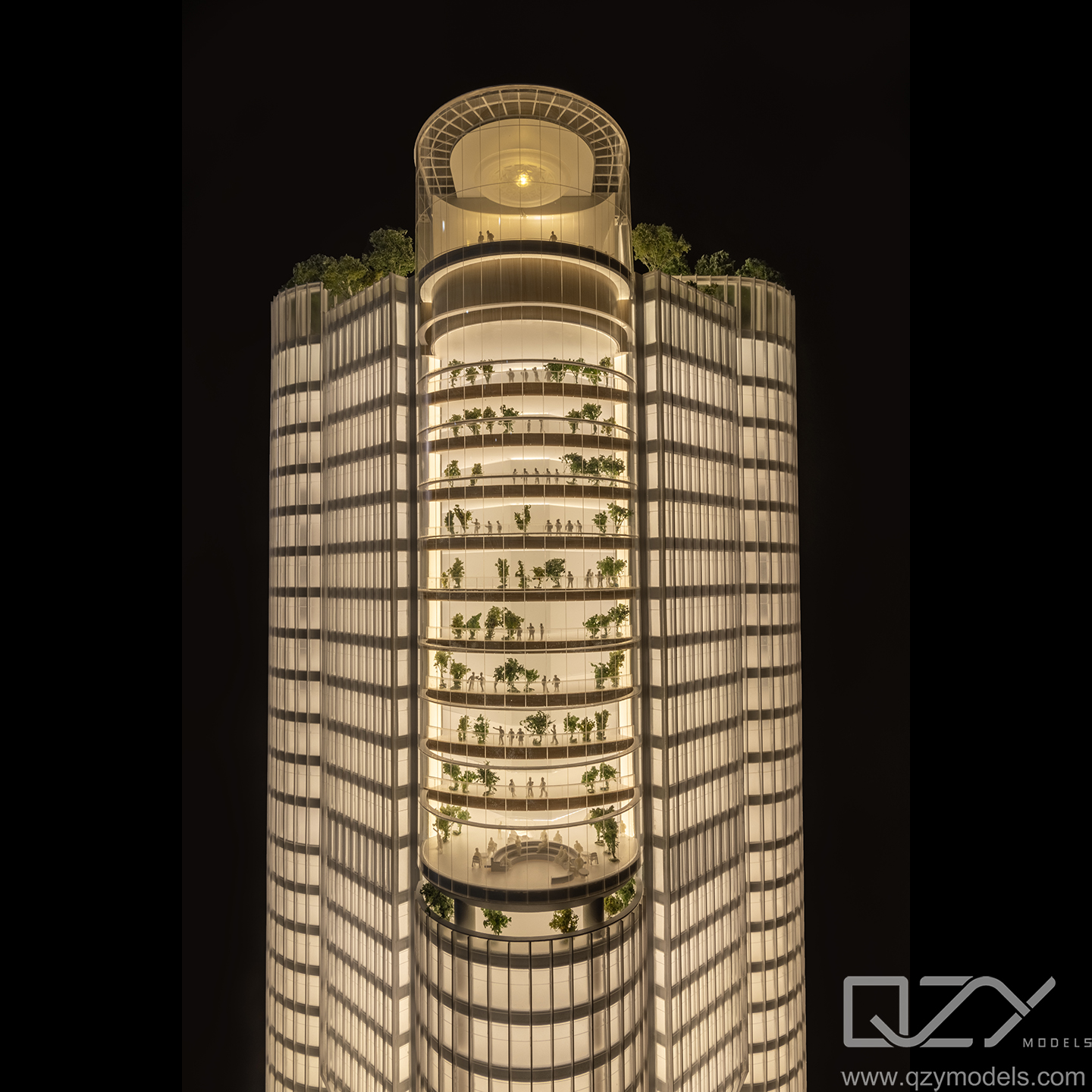
Massing models support smart city initiatives by linking urban form to environmental and digital data. Modern hybrid models incorporate LED lighting, automated controls, and augmented reality layers to visualize energy flows, traffic patterns, or carbon footprints. Physical-digital integration allows planners in cities like Shenzhen or Dubai to validate infrastructure scalability and sustainability strategies before construction.
What Role Does QZY Models Play in Global Urban Visualization?
QZY Models provides customized architectural model manufacturing for global architects, developers, and urban planners. With over two decades of experience, the company blends manual craftsmanship and digital precision to deliver accurate massing prototypes. From government masterplans to university urban projects, QZY Models offers full OEM and production support with international logistics, ensuring timely, high-quality model delivery worldwide.
When Should Urban Designers Use Massing Models Over Digital Simulation?
Physical massing models are particularly effective during conceptual design and stakeholder presentations. They allow quick assessment of human-scale context, sightlines, and spatial density. While digital simulations are powerful for parameter analysis, tangible models enhance intuitive understanding and facilitate inclusive discussions among clients, designers, and the public.
Could Architectural Massing Models Promote Sustainable Development?
Yes. Massing models reveal wind, sunlight, and shadow patterns that guide energy-efficient design. They enable architects to optimize orientation, passive ventilation, and green space planning. QZY Models incorporates eco-friendly materials such as recyclable foam and water-based coatings, supporting LEED and BREEAM-aligned sustainable development.
| Sustainability Focus | Model Feature | Environmental Value |
|---|---|---|
| Green space mapping | Transparent layers | Optimized biodiversity |
| Solar gain testing | Angled geometry | Reduced energy loads |
| Material reuse | Biodegradable foam | Lower waste impact |
QZY Models Expert Views
“At QZY Models, we transform abstract designs into tangible decision-making tools. Our models provide architects and urban planners with insights that digital renderings alone cannot offer. By combining craftsmanship, scalable OEM production, and global logistics, we ensure every model facilitates design excellence, urban innovation, and practical planning solutions.”
— Richie Ren, Founder of QZY Models
Are Massing Models Still Relevant in the Age of AI and BIM?
Absolutely. Physical models communicate scale, form, and context in ways digital BIM systems cannot. By integrating 3D printing and AI-driven simulation, hybrid models deliver precise, tactile experiences while supporting teaching, research, and professional presentations in urban design.
Who Are the Primary B2B Buyers of Massing Models in China?
Primary clients include architectural firms, urban planning agencies, real estate developers, and government institutions. Educational institutions, design schools, and exhibition organizers also utilize massing models for study, training, and promotion. QZY Models serves these sectors through customized OEM services and global delivery, providing complete project support from CAD translation to finished model.
Conclusion
Architectural massing models remain indispensable for guiding contemporary urban development. They offer tangible, sustainable, and visually compelling insights that enhance collaboration and design quality. Partnering with QZY Models ensures precision, flexible OEM production, and worldwide logistics, empowering architects and planners to make informed, effective decisions in shaping cities.
FAQs
1. What scale is typically used for city massing models?
City models usually range from 1:500 to 1:2000 depending on detail level and presentation needs.
2. Can massing models include lighting or interactive features?
Yes. Advanced models integrate LEDs, IoT, or AR components to demonstrate dynamic urban conditions.
3. How long does production take for medium-sized models?
Production typically ranges from 2–6 weeks, depending on complexity, materials, and batch size.
4. Are there sustainable options for model construction?
Yes. QZY Models uses recyclable foam, biodegradable boards, and water-based finishes to support eco-friendly practices.
5. Do Chinese manufacturers support international shipping?
Yes. Leading model makers like QZY Models provide professional packaging, air/sea transport, and door-to-door logistics worldwide.