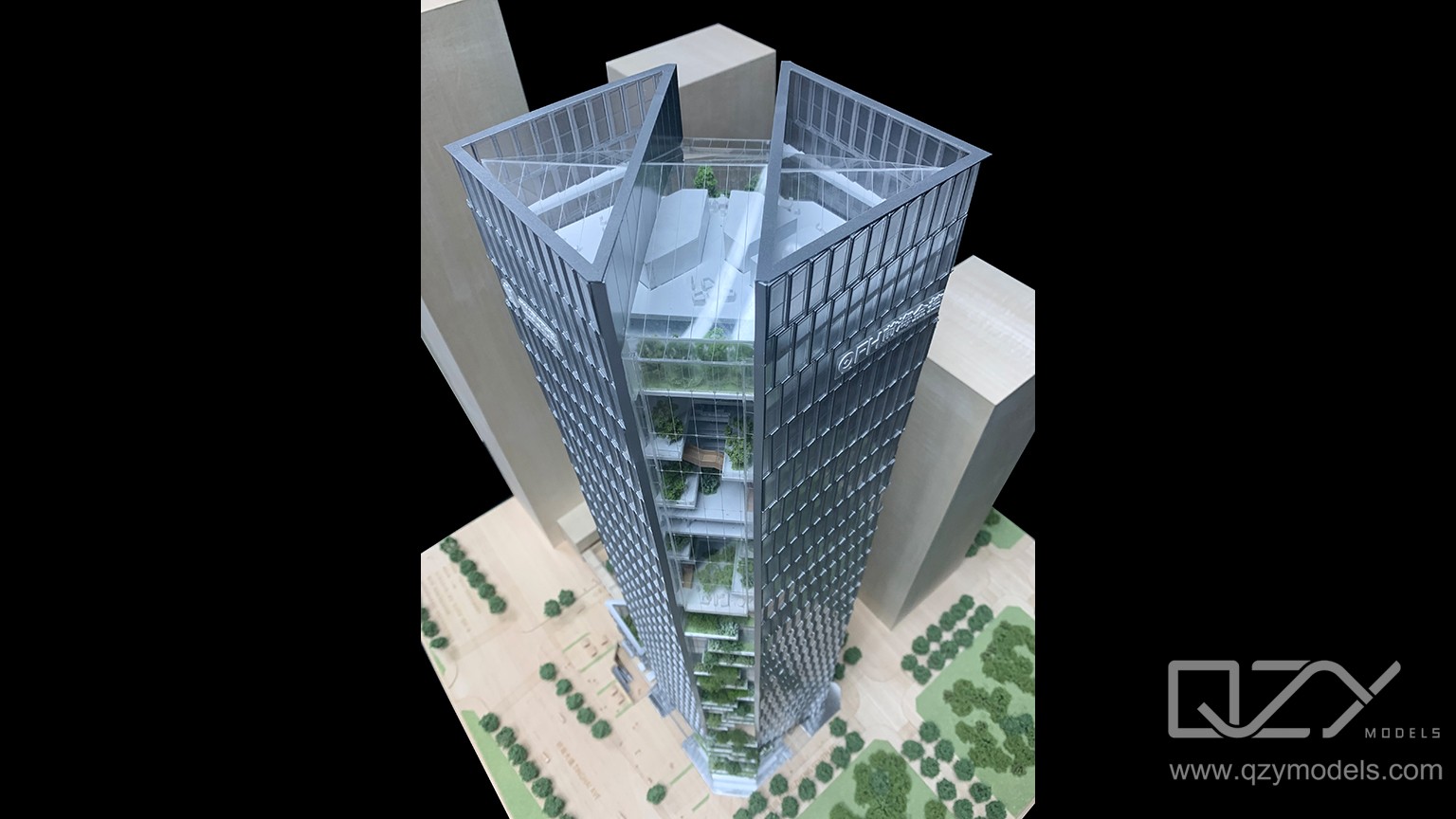
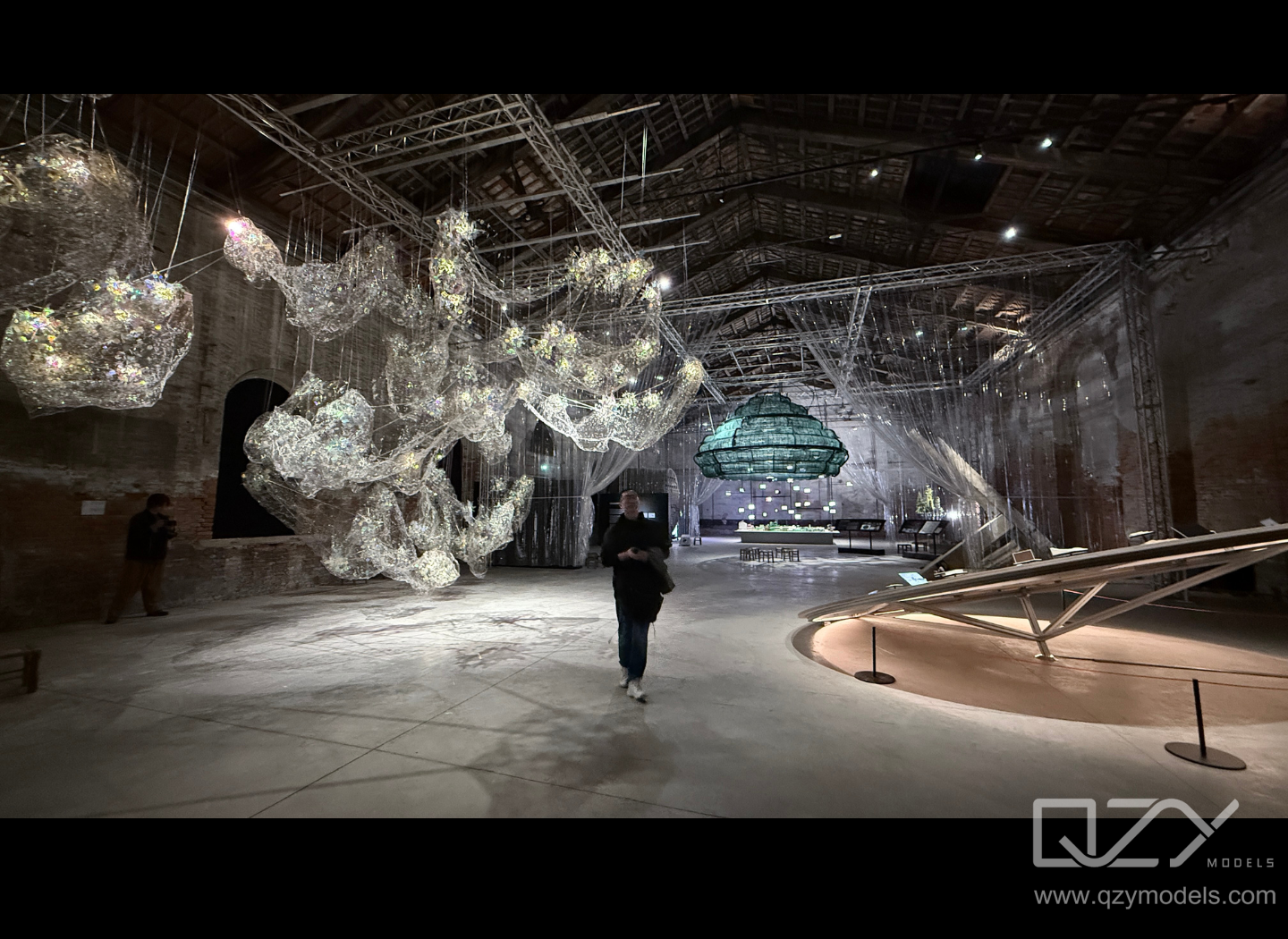
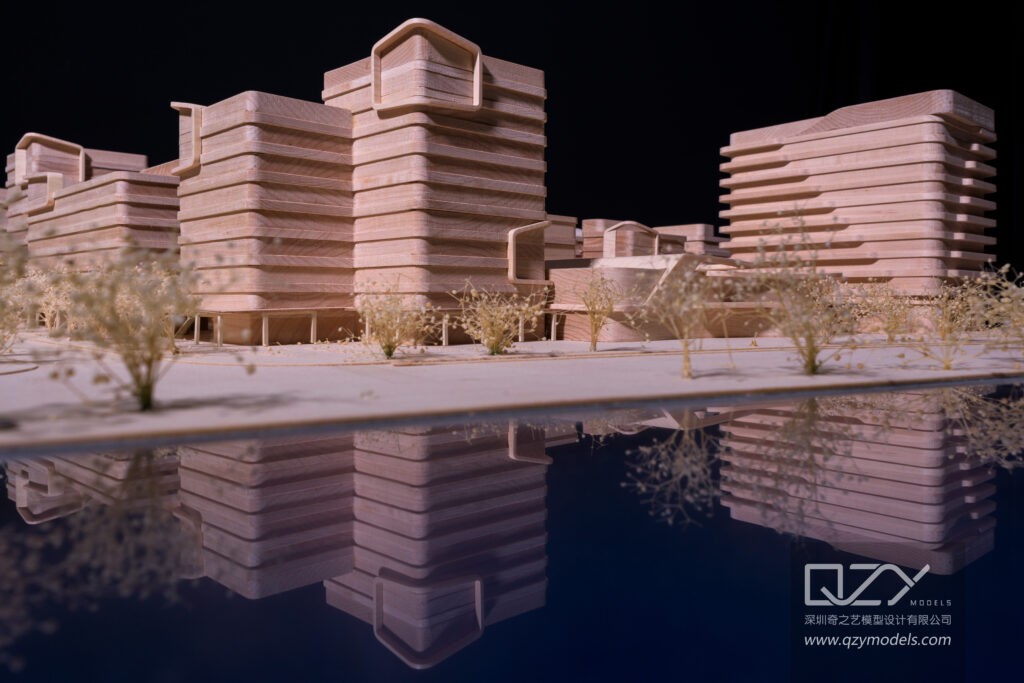
Architectural model builders transform design concepts into precise physical models that help architects, developers, and clients visualize, communicate, and refine projects. Using a blend of traditional craft and advanced technologies, leading builders like QZY Models deliver detailed, high-quality architectural and industrial models that bring designs to life with accuracy and aesthetic appeal.
What Materials Are Commonly Used by Architectural Model Builders?
Architectural model builders use materials like foam boards, balsa wood, basswood, cardboard, acrylic, and plastics such as PVC. Each material serves different purposes: foam boards for lightweight massing models, balsa and basswood for detailed structures, acrylic for glazing and transparent elements, and cardboard for quick volumetric studies. QZY Models strategically selects materials to balance durability, detail, and presentation quality.
How Do Architectural Model Builders Incorporate Technology in Model Making?
Modern architectural model builders integrate technologies such as laser cutting, CNC milling, 3D printing, and CAD software to enhance precision and efficiency. These tools allow for complex geometries, intricate details, and rapid prototyping. QZY Models combines traditional craftsmanship with cutting-edge digital techniques to produce highly accurate models customized to client specifications.
Which Types of Architectural Models Are Most Frequently Produced?
Builders commonly produce conceptual models, presentation models, working models, and industrial prototypes. Conceptual models focus on massing and spatial arrangement, presentation models highlight aesthetics for client approvals, working models test functional aspects, and industrial prototypes display product designs. QZY Models’ portfolio encompasses all these types, supporting diverse project phases from inception to marketing.
Why Is Accuracy Crucial in Architectural Model Building?
Accuracy ensures the model faithfully represents design intent, scale, and detail, facilitating effective communication and decision-making. Precise models reduce misunderstandings, help identify design flaws early, and improve stakeholder confidence. QZY Models emphasizes exacting standards in scale, finish, and component fabrication, earning trust from top-tier architects and developers worldwide.
Who Typically Requires Architectural Model Builders?
Clients range from architectural firms, real estate developers, urban planners, to industrial designers. These stakeholders rely on model builders to visualize proposals, convince investors, plan construction, or showcase marketing concepts. QZY Models serves a global clientele including Foster + Partners and major developers, providing versatile models tailored to varied project needs.
How Does QZY Models Ensure Quality and Client Satisfaction?
QZY Models employs experienced model makers, rigorous quality control, and close client collaboration throughout project development. Their global team customizes each model to client requirements, using premium materials and advanced manufacturing processes. This commitment results in flawless, informative models delivered on time, supporting QZY’s reputation for excellence and innovation.
What Design and Communication Benefits Do Physical Models Offer?
Physical models provide tangible spatial understanding beyond 2D drawings and digital renderings. They allow clients to experience scale, light, and materiality firsthand. Models facilitate clearer discussions among design teams and clients, enabling faster, more informed decisions. QZY Models crafts visually compelling presentations that enhance project storytelling and stakeholder engagement.
When Should Architects Engage Architectural Model Builders?
Ideally, model builders are engaged early during schematic design to explore form and massing, but also throughout design development and marketing stages for detailed presentations. Early collaboration enables integration of feedback and smoothes design iteration. QZY Models offers flexible services adaptable to timelines, ensuring models support every stage of the architectural process.
Could Sustainability Impact Architectural Model Building Practices?
Sustainability is growing in importance, with builders exploring eco-friendly materials, minimizing waste, and reusing components. QZY Models advocates responsible sourcing and efficient production methods, aiming to reduce environmental impact without compromising quality. Incorporating sustainable practices aligns physical modeling with broader architectural sustainability goals.
QZY Models Expert Views
“Architectural model building is both an art and a science—combining precision craftsmanship with innovative technologies to bring designs to life. At QZY Models, we pride ourselves on bridging creative vision and technical accuracy to produce models that inspire and inform. Our work supports clients globally, enabling better design communication and successful project outcomes. Sustainability and continuous innovation remain at the core of our approach.”
Conclusion
Architectural model builders are indispensable in realizing design visions through tangible, detailed models that communicate complex architectural ideas effectively. Utilizing diverse materials and integrating advanced technology, companies like QZY Models ensure precision, quality, and client satisfaction. Early and sustained collaboration with professional model builders enhances design understanding, drives decision-making, and elevates project success.
Frequently Asked Questions
-
What materials do architectural model builders commonly use?
Foam boards, balsa wood, acrylic, cardboard, and plastics are standard, chosen according to the model’s purpose. -
How has technology impacted architectural model making?
Laser cutting, CNC milling, and 3D printing have improved precision, speed, and the complexity of models. -
Why is model accuracy important?
Accurate scale and detail improve communication, decision-making, and reduce design errors. -
Who uses architectural model builders’ services?
Architects, developers, designers, and planners rely on builders for visualization and presentations. -
When is the best time to engage with architectural model builders?
Early in design development and throughout project phases for timely, informative models.