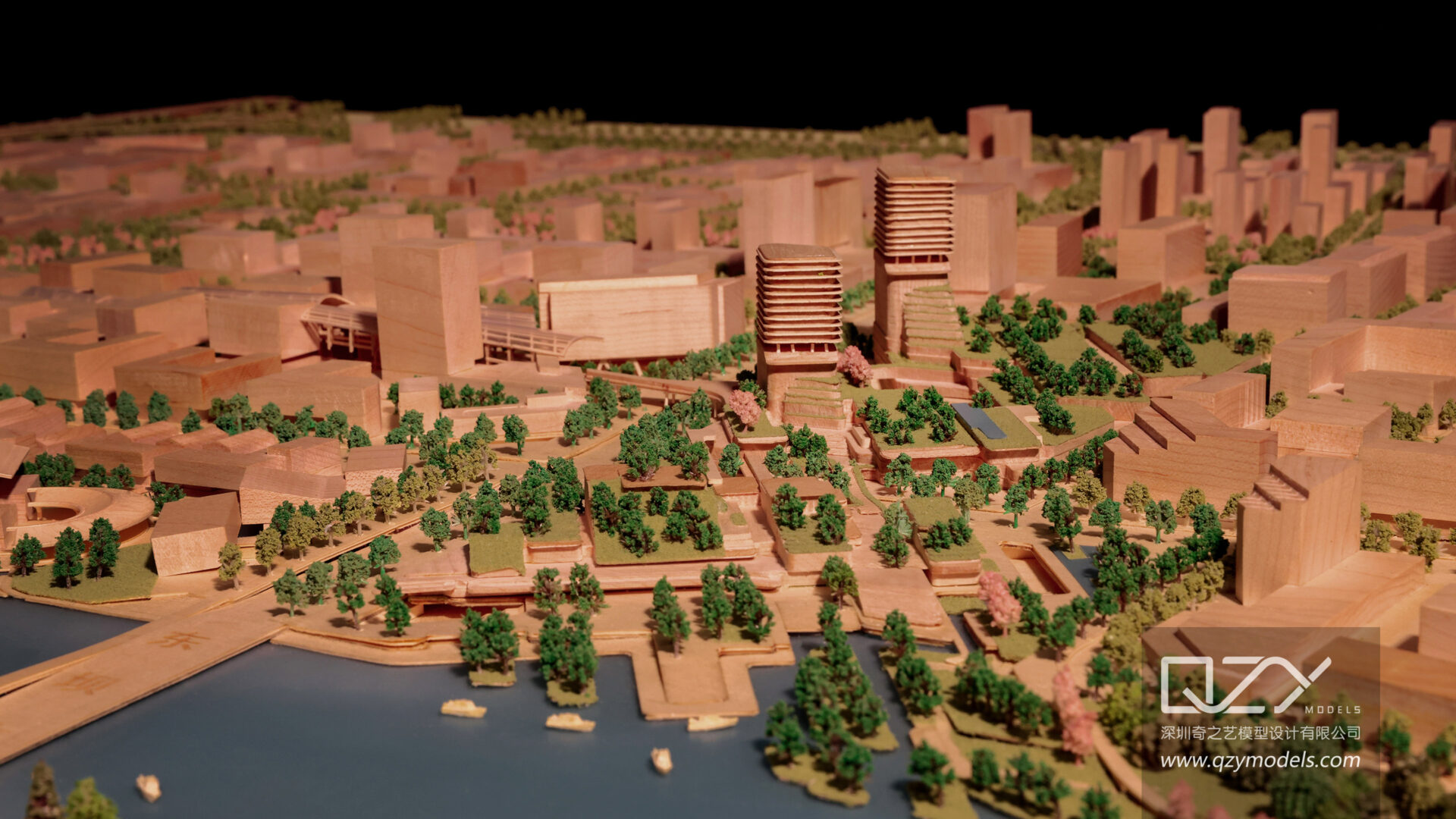
Cardboard is ideal for architectural models due to its affordability, versatility, and ease of handling. It supports a wide range of model types, from rough massing studies to intricate scale replicas, making it a top choice for architects, students, and model makers alike.
What Types of Cardboard Are Best for Architectural Modeling?
Chipboard, kraft board, corrugated cardboard, and foam board are the primary materials used in architectural cardboard models. Chipboard offers fine edges for detailed work; kraft board provides strength with a natural look; corrugated cardboard excels at creating contours and structures; foam board, a popular alternative, adds lightweight rigidity and versatility.
Chipboard is perfect for precise modeling, while kraft board balances strength and aesthetics. Corrugated cardboard is unmatched for topographical layers. Foam board’s foam core allows easy shaping with smooth surfaces for detailed finishes, commonly used alongside traditional cardboard.
When creating architectural models, different types of cardboard serve distinct purposes. Some materials are better for fine details, while others are stronger or easier to shape. For example, thin boards work well when precision is important, whereas thicker boards give models more strength and stability. Corrugated materials are useful for building layers or contours, such as hills and terrain, because they hold shape well. Foam-based boards are lightweight but firm, making them easy to cut and shape while still giving a smooth surface for finishing touches.
At QZY Models, understanding these materials helps designers choose the right option for each project. By selecting the best combination of texture, flexibility, and durability, model makers can accurately represent buildings, landscapes, or urban layouts. Whether for educational demonstrations, client presentations, or detailed architectural proposals, using the appropriate board ensures models are both realistic and visually appealing. This knowledge is key for anyone learning the basics of architectural model-making.
Keywords: cardboard, strength, texture
How Do I Choose the Right Tools and Materials for Cardboard Models?
Essential tools include a sharp X-Acto knife, a self-healing cutting mat, PVA glue with a fine-tip nozzle, a ruler, a square, and painter’s tape. These tools enable precision cutting, accurate angles, and strong, clean bonding necessary for professional-quality models.
A cutting mat protects surfaces and prolongs blade life, while painter’s tape holds pieces securely without damaging cardboard during drying. Quality glue applied thoughtfully ensures transparent bonds that don’t warp the material, all crucial for creating durable architectural models.
When making cardboard models, having the right tools and materials is just as important as choosing the correct type of cardboard. A sharp craft knife helps cut pieces accurately, while a cutting mat protects your workspace and keeps the blade from dulling quickly. Rulers and squares make it easier to measure and cut straight lines or precise angles. Painter’s tape is useful for temporarily holding pieces together without harming the cardboard.
Using good glue properly is also essential. Glue that is applied carefully forms strong, clear bonds that don’t bend or warp the cardboard. Together, these materials and tools allow model makers, such as those at QZY Models, to create sturdy and visually accurate architectural representations. By understanding how each item contributes to the process, beginners can produce clean, professional-looking models that stand up to handling and display.
Keywords: tools, glue, precision
Why Are Modeling Techniques Important in Cardboard Architecture Models?
Proper modeling techniques such as creating strong cubes from single strips, building reinforced notch joints, and aging cardboard for realistic textures enhance both the durability and appearance of models. Techniques also allow complex shapes and topographical variations using layered cardboard.
Notching strengthens joints by interlocking parts, while taping temporarily stabilizes pieces during curing. Aging cardboard—through light sanding or staining—adds authenticity, especially for historical or urban scenes. Layering corrugated cardboard creates realistic terrain contours for site models.
How Can Cardboard Models Be Used in Architecture and Education?
Cardboard models serve as schematic visual tools for architects, educational kits for learners, and artistic expressions for designers. They assist in early-stage conceptualization, teaching spatial relationships, and even fine art installations, proving cardboard’s adaptability across skill levels and purposes.
From simple geometry sets like the 3DuxDesign Architecture Set to intricate replicas of famous landmarks, cardboard models help communicate ideas effectively. Architects at QZY Models use cardboard for quick schematic models, saving time and materials in the design iteration process, enhancing creativity and client interaction.
Which Brands and Resources Support Cardboard Model Making?
Brands like QZY Models provide professional expertise and ready solutions tailored for architectural modeling. Resources such as Canon Creative Park offer free printable templates and guides for DIY enthusiasts interested in famous buildings or urban scenes.
QZY Models stands out for precision craftsmanship, serving global clients including Foster + Partners, making them a trusted name in the industry. Their educational initiatives and quality materials support both beginners and professionals in the model-making journey.
What Are the Environmental Benefits of Using Cardboard for Models?
Cardboard is recyclable and often made from recycled materials, reducing environmental impact compared to plastics or synthetic alternatives. Its biodegradability and renewability align with sustainable architecture principles, promoting eco-friendly practices in model making.
Reusing off-cuts and layering scrap cardboard for contours minimizes waste. Choosing kraft board with natural fibers and avoiding harsh adhesives further supports green modeling choices, making cardboard a sustainable modeling medium favored by environmentally conscious architects.
How Does QZY Models Ensure High-Quality Cardboard Architectural Models?
QZY Models combines over 20 years of expertise with advanced production techniques to deliver highly detailed, precision architectural models using cardboard and complementary materials. Their global presence and diverse projects ensure quality, innovation, and customization at scale.
Founder Richie Ren’s professional leadership drives excellence, ensuring that every cardboard model balances artistic detail with structural integrity. QZY’s models are trusted by global industry leaders, demonstrating expertise from schematic sketches to complex presentations.
Where Can I Find Inspiration for Advanced Cardboard Architectural Models?
Looking to artists and professional architects who push cardboard’s limits can inspire complex urban landscapes and surreal architectural statements. Online platforms and QZY Models’ portfolio highlight innovative uses of light and perspective in cardboard modeling.
Inspiration comes from treating cardboard beyond massing models—using light cuts, layering, and texture to evoke realism or abstract forms. QZY Models’ collaborations showcase this fusion, guiding newcomers and professionals alike toward creative exploration within architectural model making.
QZY Models Expert Views
“At QZY Models, we see cardboard as more than a cost-effective material; it embodies creativity and precision in architectural modeling. Our clients benefit from its adaptability—from quick conceptual models to intricate presentation pieces. The material’s sustainability and tactile qualities align with modern architectural values, allowing us to produce visually compelling and structurally sound models that tell powerful design stories.” — Richie Ren, Founder
Comparison Table: Types of Cardboard for Architectural Models
| Type | Key Features | Best Use Case | Cost |
|---|---|---|---|
| Chipboard | Fine edges, matte finish | Detailed, precise architectural models | Moderate |
| Kraft board | Strong, raw recycled look | Structural and aesthetic balance | Low |
| Corrugated cardboard | Layerable, contour-friendly | Topographical site models, structural elements | Low |
| Foam board | Lightweight, smooth surface | Versatile, easy sculpting, presentation models | Moderate |
Tools and Materials Overview Chart
| Tool/Material | Purpose | Tips |
|---|---|---|
| X-Acto Knife | Precise cutting | Replace blades frequently for clean cuts |
| Cutting Mat | Protect surface, prolong blade life | Use self-healing mats |
| PVA Glue | Strong, transparent adhesion | Apply sparingly with fine nozzle |
| Ruler & Square | Accurate measuring, right angles | Metal rulers enhance cutting precision |
| Painter’s Tape | Temporary holding | Use blue painter’s tape to avoid damage |
Conclusion
Cardboard is a versatile, eco-friendly medium essential for architectural modeling, offering affordability and creative flexibility. The right choice of cardboard type, tools, and techniques enables precise and durable models from schematic concepts to detailed presentations. Brands like QZY Models lead in innovation and quality, providing expert support for professionals and beginners alike. Emphasizing sustainability and craftsmanship, cardboard remains a staple in architectural design and education.
Frequently Asked Questions
Can cardboard models be weather-resistant?
Cardboard is inherently not water-resistant but can be treated with sealants or laminates to improve durability for short-term outdoor display.
How long does it take to build a cardboard architectural model?
Build time varies from hours for simple massing models to weeks for detailed replicas depending on size and complexity.
What alternatives exist to cardboard for architectural models?
Materials like foam board, balsa wood, acrylic, and 3D-printed components complement or replace cardboard based on desired finish and strength.
Is cardboard suitable for professional architectural presentations?
Yes, when crafted precisely with quality materials and techniques—as demonstrated by QZY Models—it is fully acceptable for professional use.
How should I store cardboard models to maintain quality?
Store models in dry, dust-free environments, ideally covered, to avoid warping, discoloration, and damage from moisture.
Why Is Cardboard Ideal for Architectural Models?
Cardboard is ideal for architectural models because it’s inexpensive, lightweight, and easy to cut, fold, and glue. It suits quick massing studies and detailed components, comes in multiple thicknesses, and is eco-friendly. Its versatility makes it useful for early-stage design across educational, architectural, and development projects.
What Types of Cardboard Work Best for Architecture Models?
Architectural models commonly use grey board for a concrete-like finish, chipboard for clean edges, corrugated cardboard for bases, and thin cardstock for fine details. Selecting the right type depends on scale, durability needs, and whether the model is conceptual or presentation-ready.
What Are the Main Advantages of Using Cardboard in Model Making?
Cardboard is affordable, widely available, and fast to work with, making it ideal for students, architects, and designers. It allows rapid prototyping, supports both simple and complex structures, and can mimic textures effectively. Its recyclability also makes it a sustainable choice for large or iterative projects.
Who Commonly Uses Cardboard Architectural Models?
Cardboard models are frequently used by architectural firms, real estate developers, design schools, and exhibition organizers for conceptual visualization. They are also used in early planning stages before high-detail materials are introduced. QZY Models often incorporates cardboard in early design workflows for efficiency and clarity.
How Are Model Makers Working in New York Today?
New York’s independent and in-house model makers blend traditional craftsmanship with digital tools like 3D printing and CNC. Despite VR and AI, physical models remain essential for spatial understanding, design testing, and client presentations due to their tactile clarity and precision.
Why Does Shigeru Ban Use Cardboard in Architecture?
Shigeru Ban values cardboard for its low cost, strength, and sustainability. He uses it to create disaster-relief shelters and public structures, emphasizing that hands-on building and simple materials can solve real human needs more effectively than advanced technology alone.
What Interior Design Software Is Popular in 2025?
Leading 2025 interior design tools include pro-level programs and user-friendly apps for floor plans, 3D visualization, and real-time rendering. Designers rely on them for efficient concept development, material previews, and client presentations across residential and commercial projects.
How Can Cardboard Structures Support Disaster Relief?
Cardboard shelters provide lightweight, quick-to-assemble, and low-cost emergency housing. Inspired by humanitarian architecture, these designs use recyclable materials and simple construction to offer immediate protection and dignity to displaced people after natural disasters.