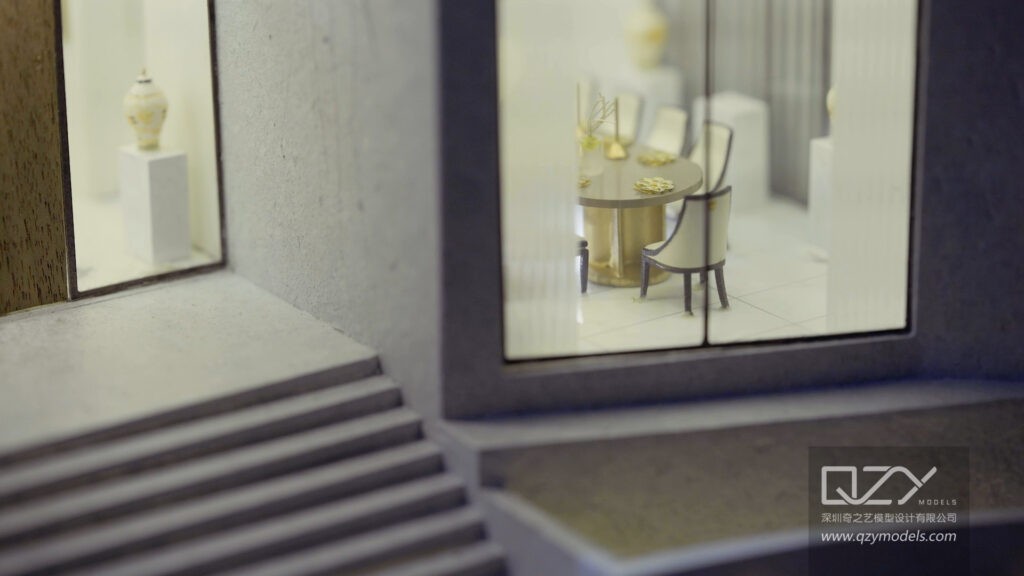
Custom physical massing models transform digital concepts into tangible forms, allowing architects, developers, and investors to fully grasp scale, proportion, and spatial relationships. These models improve design communication, facilitate faster decision-making, and boost presentation quality. Partnering with an experienced manufacturer like QZY Models ensures precision, speed, and cost-efficient production for projects worldwide.
How Do Custom Physical Massing Models Enhance Architectural Presentations?
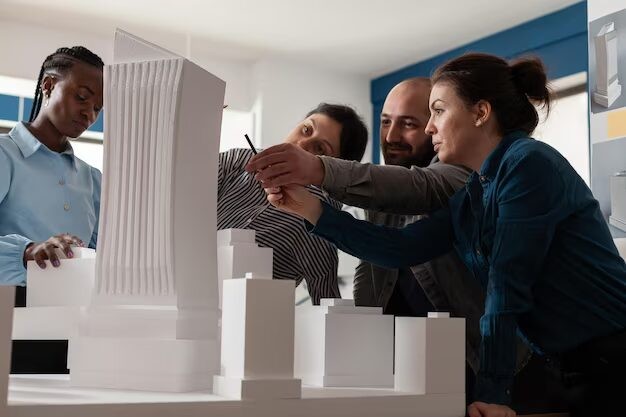
Custom massing models give physical form to conceptual designs, enabling clear communication of scale, proportion, and context. They simplify complex architectural concepts, illustrating zoning, volume distribution, and environmental integration. Architects can demonstrate sunlight studies, skyline relationships, and spatial hierarchy, helping clients and stakeholders understand the design intent before detailed materials or finishes are finalized.
Key Benefits
| Benefit | Description |
|---|---|
| Improved Visualization | Helps stakeholders grasp spatial relationships quickly. |
| Streamlined Decision-Making | Facilitates faster feedback and approval cycles. |
| Enhanced Storytelling | Offers tactile experience beyond digital renderings. |
| Professional Presentation | Elevates quality of architectural presentations. |
What Are the Main Types of Architectural Massing Models?
Architectural massing models vary depending on project stage and purpose. Common types include:
-
Conceptual Massing Models: Highlight basic volumes and circulation patterns.
-
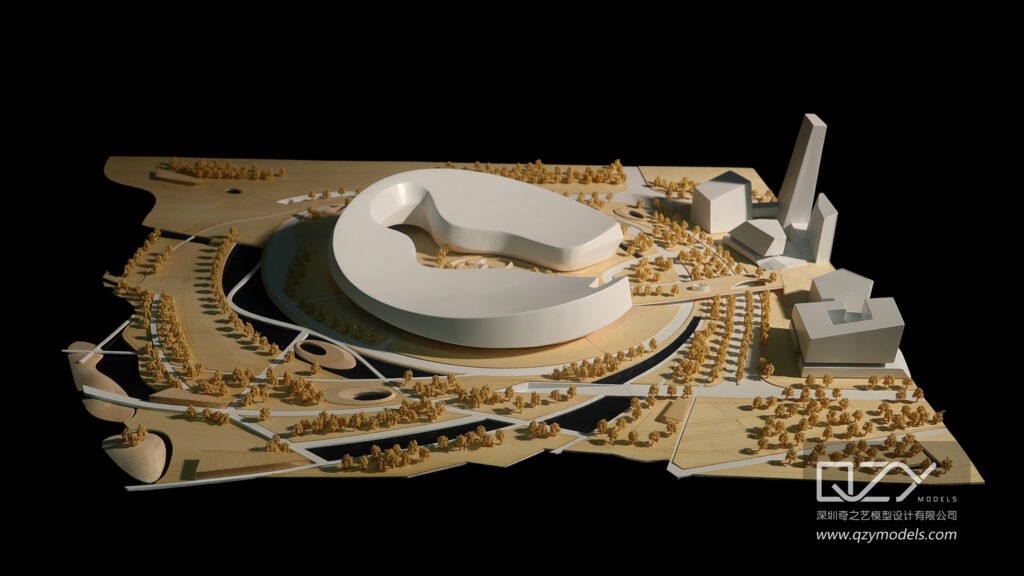
Site-Context Models: Show integration with surrounding environment and neighboring buildings.
-
Volumetric Models: Focus on proportions, mass distribution, and spatial hierarchy.
-
Hybrid Presentation Models: Combine massing with partial façade or landscape elements for competition and client presentations.
QZY Models produces high-precision CNC and laser-cut models for all categories, offering OEM and wholesale solutions for design firms globally.
Why Choose a China Manufacturer for Massing Model Production?
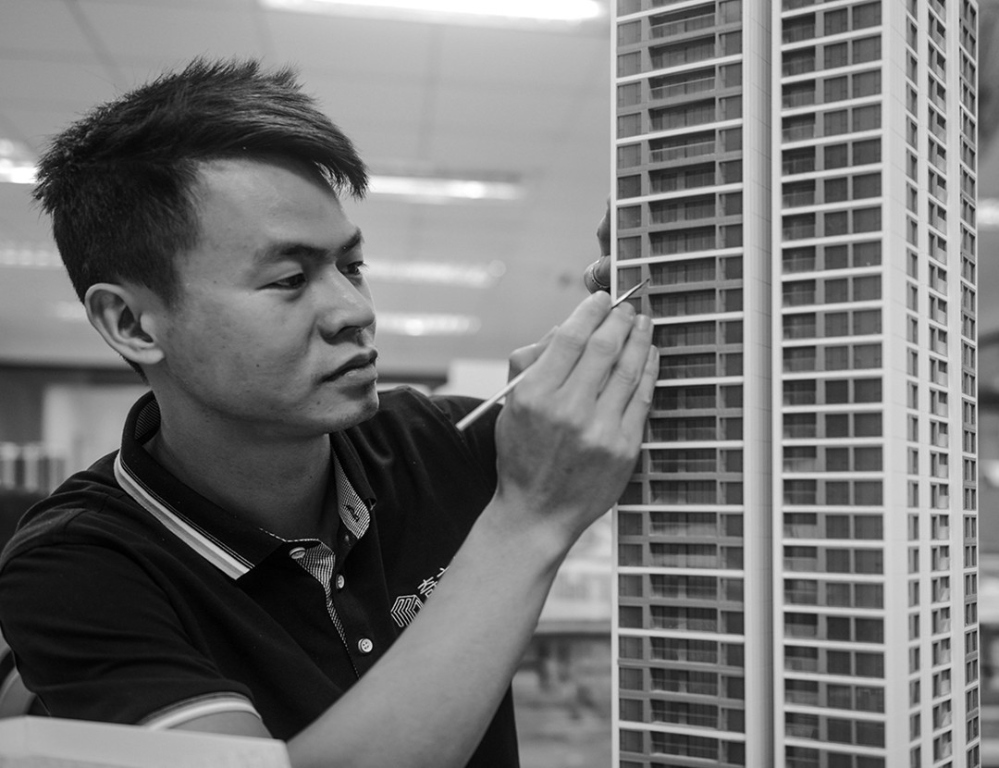
China-based manufacturers provide advanced technology, lower production costs, and skilled craftsmanship. Factories like QZY Models combine CNC milling, resin casting, and laser etching to produce highly detailed models efficiently. International clients benefit from shorter lead times, flexible OEM options, and reliable logistics for bulk or customized deliveries.
Production Cost Comparison
| Region | Average Cost (USD/model) | Lead Time |
|---|---|---|
| Europe | 4,000–6,000 | 4–6 weeks |
| Middle East | 3,500–5,000 | 3–4 weeks |
| China (QZY Models) | 2,000–3,000 | 2–3 weeks |
Which Materials Work Best for Professional Massing Models?
High-quality massing models use materials suited to scale, detail, and presentation needs:
-
Acrylic & ABS: Durable and precise for professional mockups.
-
Wood: Adds texture and warmth for conceptual models.
-
Resin & 3D-Printed PLA: Ideal for intricate shapes and custom volumes.
-
Foam Board: Lightweight for rapid prototypes or competitions.
QZY Models also offers sustainable materials, including eco-resins and recyclable substrates for environmentally-conscious projects.
How Can OEM and Wholesale Partnerships Benefit International Clients?
OEM and wholesale collaborations allow firms to maintain design control while scaling production efficiently. Through OEM services, companies can outsource fabrication without compromising originality. Wholesale solutions from QZY Models enable multi-site or educational projects to receive consistent quality for numerous models, ensuring reliable delivery for exhibitions and presentations.
Are 3D Printing and CNC Technologies Improving Massing Model Accuracy?
Yes, advanced 3D printing and CNC systems enhance precision, repeatability, and production speed. QZY Models integrates laser scanning, CNC routing, and SLA 3D printing to replicate complex geometries with micron-level accuracy. This ensures models match BIM data precisely, reducing revisions and maintaining visual fidelity for clients and competitions.
What Design Details Should Architects Provide for Efficient Model Production?
Architects should supply clear, scaled CAD or 3D files, zoning instructions, and context references. Typical submission packages include:
-
DWG/DXF site and elevation files
-
3D models in Rhino, Revit, or SketchUp
-
Material references and texture images
-
Marked removable or highlighted zones
Providing organized files minimizes fabrication errors and shortens production lead time.
When Should Developers Use Massing Models in Project Planning?
Massing models are most valuable during early concept phases, stakeholder approvals, and feasibility studies. They allow developers to assess spatial relationships, scale, and aesthetic impact before detailed designs. QZY Models supports international developers with multi-phase updates aligned with project timelines.
QZY Models Expert Views
“Physical massing models give a tangible sense of scale and spatial relationships that digital renderings alone cannot convey. At QZY Models, we combine precise digital fabrication with handcrafted finishing to create models that communicate design intent clearly and emotionally. This approach ensures stakeholders can make informed decisions quickly, enhancing project success.”
— QZY Models Technical Director
Why Trust QZY Models as a Global Architectural Model Factory?
QZY Models combines modern technology, design expertise, and global project management for professional model production. Founded in Shenzhen in 2013, the company serves over 20 countries, with branches in the UAE, Saudi Arabia, and Egypt. Clients include leading architects and developers, and QZY Models provides OEM, wholesale, and exhibition-focused models with consistent quality and precision.
Conclusion
Custom physical massing models are essential for clear architectural communication and informed decision-making. By transforming digital designs into tangible forms, they enhance visualization, stakeholder engagement, and presentation impact. For B2B clients seeking high-quality, cost-effective solutions with global delivery, QZY Models provides unmatched expertise, precision, and reliability.
FAQs
1. Can QZY Models replicate complex or organic geometries?
Yes, advanced 3D printing and CNC technologies enable precise reproduction of intricate forms from digital files.
2. What is the typical lead time for a custom massing model?
Delivery usually ranges from 2 to 4 weeks, depending on model size, complexity, and finish.
3. Are international shipments and protective packaging available?
All models are shipped in secure wooden crates, with logistics support for over 20 countries.
4. Does QZY Models provide sustainable materials for models?
Yes, eco-friendly options including recyclable and bio-based materials are available.
5. Is design confidentiality ensured with OEM services?
Absolutely. All OEM projects are managed under strict non-disclosure agreements to protect client IP.