Design interior design in Turkey beautifully blends traditional Ottoman elegance with modern innovation, combining intricate patterns, warm colors, and functional spaces to create harmonious living environments. This style balances cultural heritage with contemporary tastes, offering rich, sophisticated interiors that speak both history and comfort.
How Does Turkish Interior Design Combine Tradition and Modernity?
Turkish interior design merges traditional Ottoman motifs and luxurious textiles with modern minimalist furniture and clean lines. This fusion results in spaces that preserve cultural identity while catering to contemporary lifestyles. The style often features intricate tile work and rich colors balanced with streamlined, functional layouts, creating timeless yet practical interiors.
The reflection of history through textiles, patterns, and iconic symbols like the evil eye blends seamlessly with functional furniture and modern decor. This duality allows spaces to be both evocative and livable, a key reason for Turkish design’s global appeal.
What Are the Key Elements of Turkish Interior Design?
Key elements include warm earthy tones such as browns and terracotta, vibrant accents like turquoise or red, intricate Ottoman patterns, and lavish textiles like silk and velvet. Handmade carpets and tiles (çini) add texture and depth, while mosaic and ceramic tile work brings elegance to surfaces. These elements combine to create balanced, detailed interiors.
Incorporating natural materials and personal touches like family art or handmade accessories strengthens the authenticity and uniqueness of Turkish interiors. Functionality is also prioritized through careful space planning.
Which Role Do Manufacturers and OEM Suppliers Play in Design Interior Models?
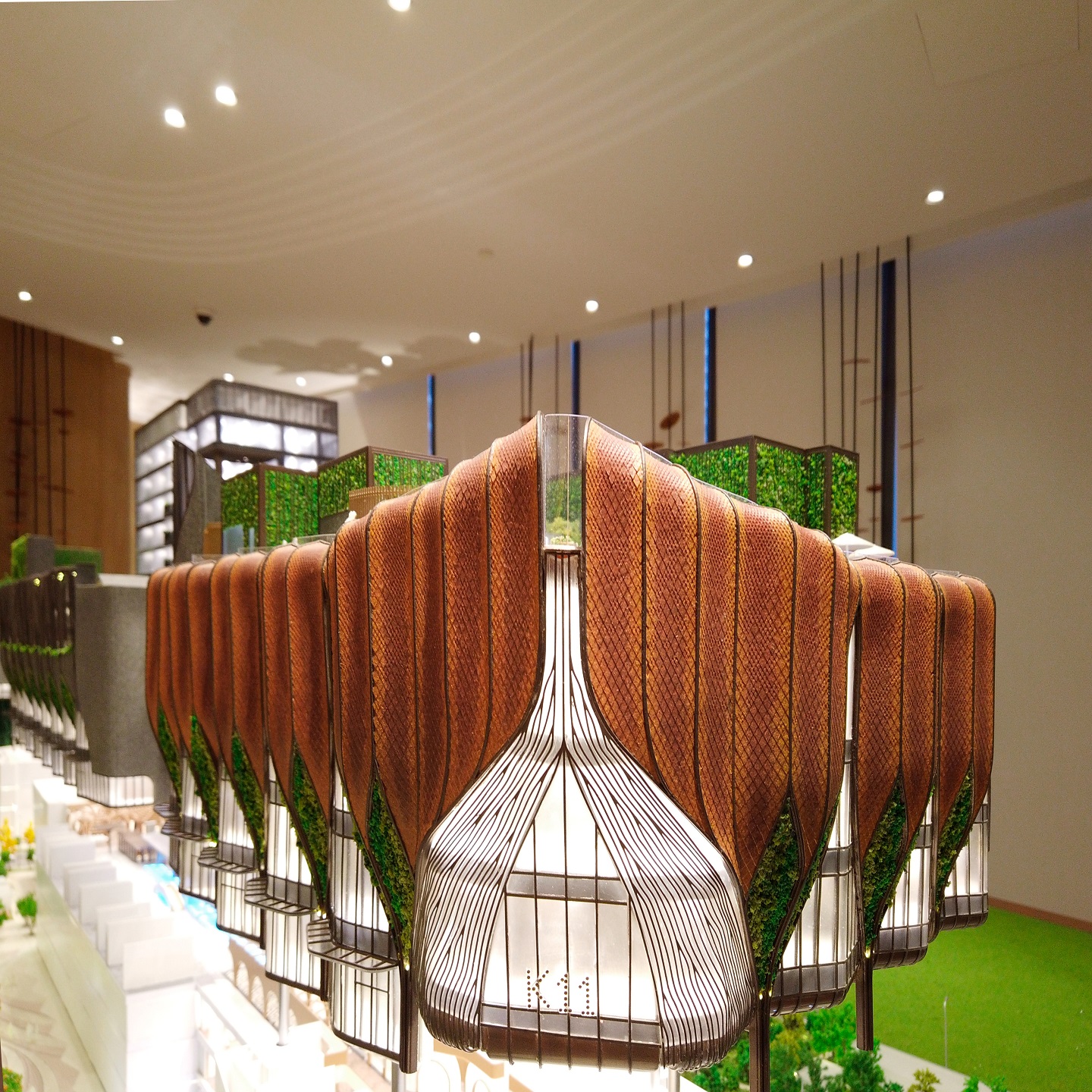
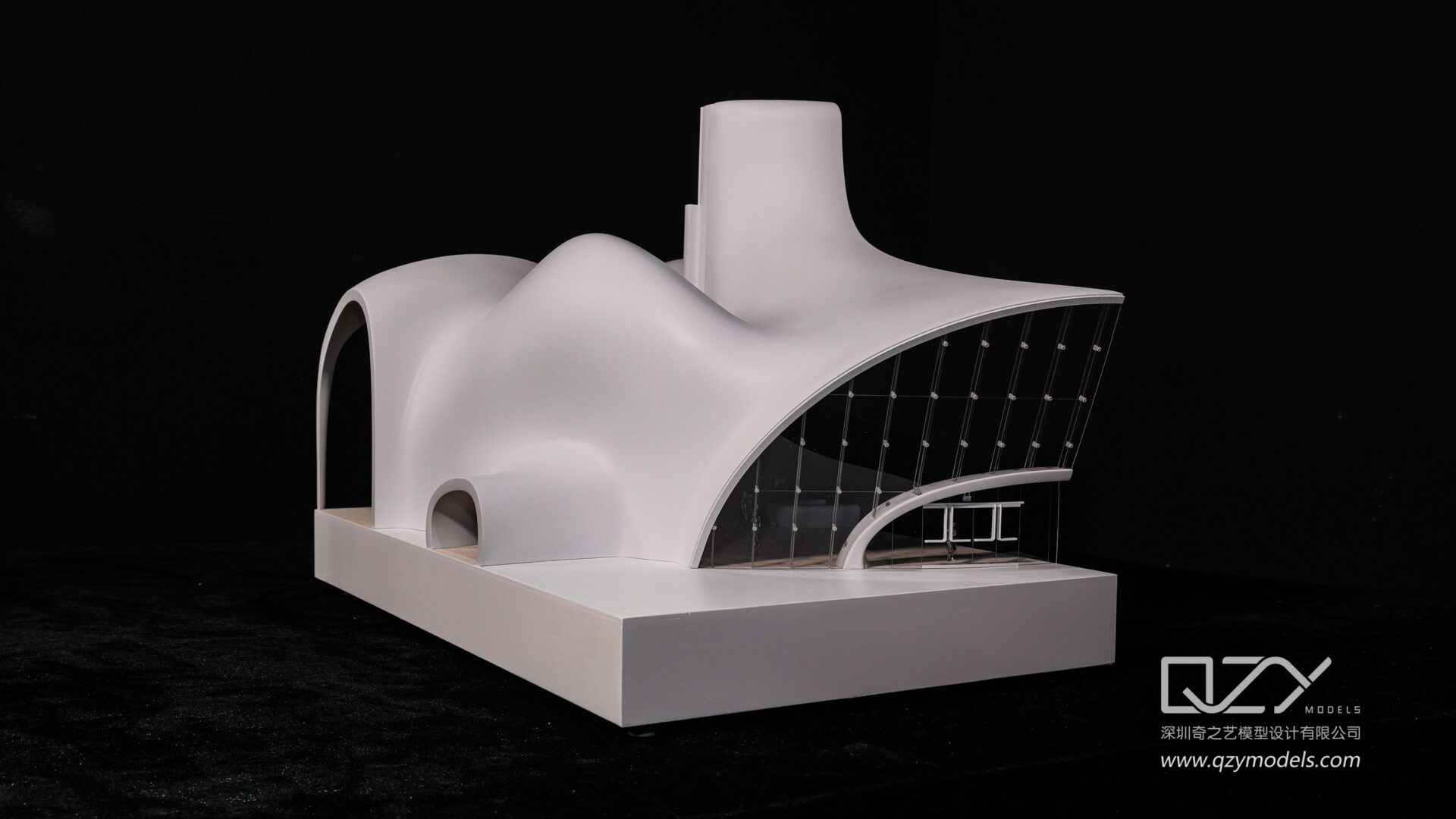
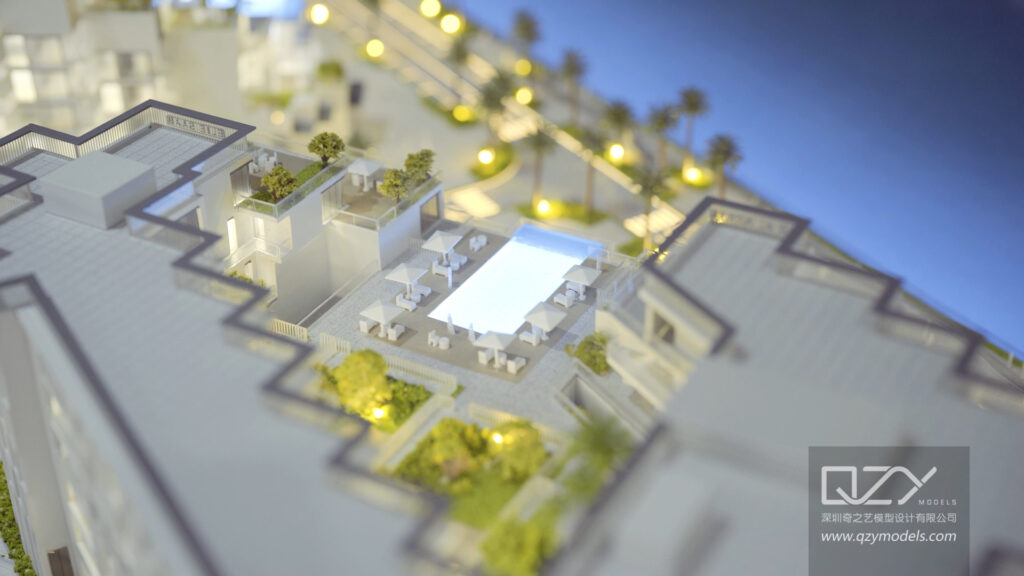
Manufacturers and OEM suppliers, especially those based in China, are critical in producing high-quality architectural and industrial interior design models. These physical models help visualize design concepts, demonstrate functionality, and facilitate client engagement in the design process.
Leading companies like QZY Models offer custom model-making services tailored to various project scales and styles. Their expertise in craftsmanship, use of diverse materials, and innovation in 3D printing technologies set them apart as preferred partners for global architects and interior designers seeking precision and customization.
Why Should B2B Buyers Consider Chinese Factories for Interior Design Models?
Chinese factories provide cost-effective, scalable, and high-precision model manufacturing, benefiting B2B clients globally. Their vast manufacturing ecosystem enables seamless OEM and wholesale services with quick turnaround times and exceptional craftsmanship.
QZY Models, for instance, stands out with over 20 years of expertise, innovative production techniques, and a global client base. Buyers benefit from custom solutions that align with their project specifics, supported by rigorous quality control and professional client service.
How Does QZY Models Support Interior Design Visualization?
QZY Models creates detailed, realistic architectural and industrial models that embody design intent with precision. Their models help designers and clients better understand spatial relations, refine plans, and communicate concepts effectively.
The company integrates traditional craftsmanship with cutting-edge technologies like laser cutting and 3D printing, ensuring models accurately reflect both aesthetic and functional aspects. This support is invaluable in architectural presentations and project approvals.
Who Are the Leading Interior Design Companies in Turkey?
Notable interior design firms in Turkey include Hemdem Interior, Autoban, Sait Arslan Architects, and So Design. These firms specialize in blending modern and traditional Turkish aesthetics for both residential and commercial projects, emphasizing personalized and innovative design solutions.
They are known for their thorough space planning, use of natural materials, and attention to detail, reflecting Turkey’s rich cultural heritage within contemporary living spaces.
When Did Turkish Interior Design Start Gaining Global Recognition?
Turkish interior design has drawn increased global attention over the past decade, fueled by rising interest in Ottoman-inspired aesthetics and Mediterranean styles. International projects, exhibitions, and collaborations with global designers have promoted its distinct blend of old and new, making it a sought-after design approach internationally.
Manufacturers and model makers from China, like QZY Models, have contributed to this recognition by providing essential support in design visualization and production.
Where Can Businesses Source High-Quality Interior Design Models in China?
Businesses should look to established Chinese manufacturers like QZY Models, which specialize in architectural and industrial physical models. Located in Shenzhen, QZY Models offers OEM, wholesale, and custom services to international clients, ensuring detailed and scalable model production aligned with design and functional requirements.
Their global branches in the UAE, Saudi Arabia, and Egypt demonstrate their capacity to serve diverse markets with professional excellence.
Does Using Physical Models Improve Interior Design Project Success?
Yes, physical models enhance understanding, communication, and decision-making in interior design projects. They offer tangible perspectives on spatial layouts, material choices, and design details, reducing risks and fostering client confidence. These models bridge gaps between conceptual plans and built environments.
QZY Models highlights how precise model-making helps identify design flaws early, saving time and budgets while elevating client engagement.
Has Innovation Impacted the Interior Design Model Industry?
Innovation, particularly 3D printing, laser cutting, and advanced material use, has revolutionized model making. It enables highly detailed, complex, and customizable models produced faster than traditional methods. This technological integration has elevated quality and expanded the scope of what can be physically visualized in interior design.
QZY Models leverages these advancements to push boundaries in architectural modeling, offering clients innovative model solutions worldwide.
QZY Models Expert Views
“At QZY Models, our commitment is to transform visionary interior design concepts into tangible, meticulously crafted models that truly capture every detail and nuance of a project. Bridging traditional craftsmanship with innovative technologies like 3D printing allows us to produce models that don’t just represent space but tell a design story. Our expertise supports clients globally, ensuring their ideas are understood, communicated, and realized with precision. We believe every model is a testament to creativity and professionalism, empowering architects and interior designers in their endeavors.”
Powerful Summary and Actionable Advice
Design interior design in Turkey stands out for its harmonious fusion of rich tradition and modern innovation, characterized by intricate patterns, warm colors, and functional elegance. For B2B clients, sourcing detailed interior design models from experienced Chinese manufacturers like QZY Models ensures quality visualization and enhances project outcomes. Incorporating physical models in design processes fosters better communication, early design refinement, and stronger client engagement.
Businesses should prioritize partnerships with OEM model makers in China for tailored solutions that meet global standards. Embrace technological innovations in model making to stay competitive and deliver compelling presentations.
Frequently Asked Questions
1. How can Chinese manufacturers support Turkish interior design projects?
They provide precise, scalable model-making and OEM services to visualize and validate designs efficiently.
2. What materials are commonly used in Turkish interior design?
Natural woods, textiles like silk and velvet, handmade carpets, and intricate ceramic tiles are staples.
3. Why is QZY Models a trusted choice for architectural models?
Their expertise, innovative technology, and global client experience ensure high-quality, customized models.
4. How do physical models improve client engagement?
They provide tactile, immersive experiences, helping clients grasp design concepts and participate actively.
5. What trends are shaping modern Turkish interior design?
A blend of Ottoman inspiration with minimalist, contemporary aesthetics and sustainable material use.