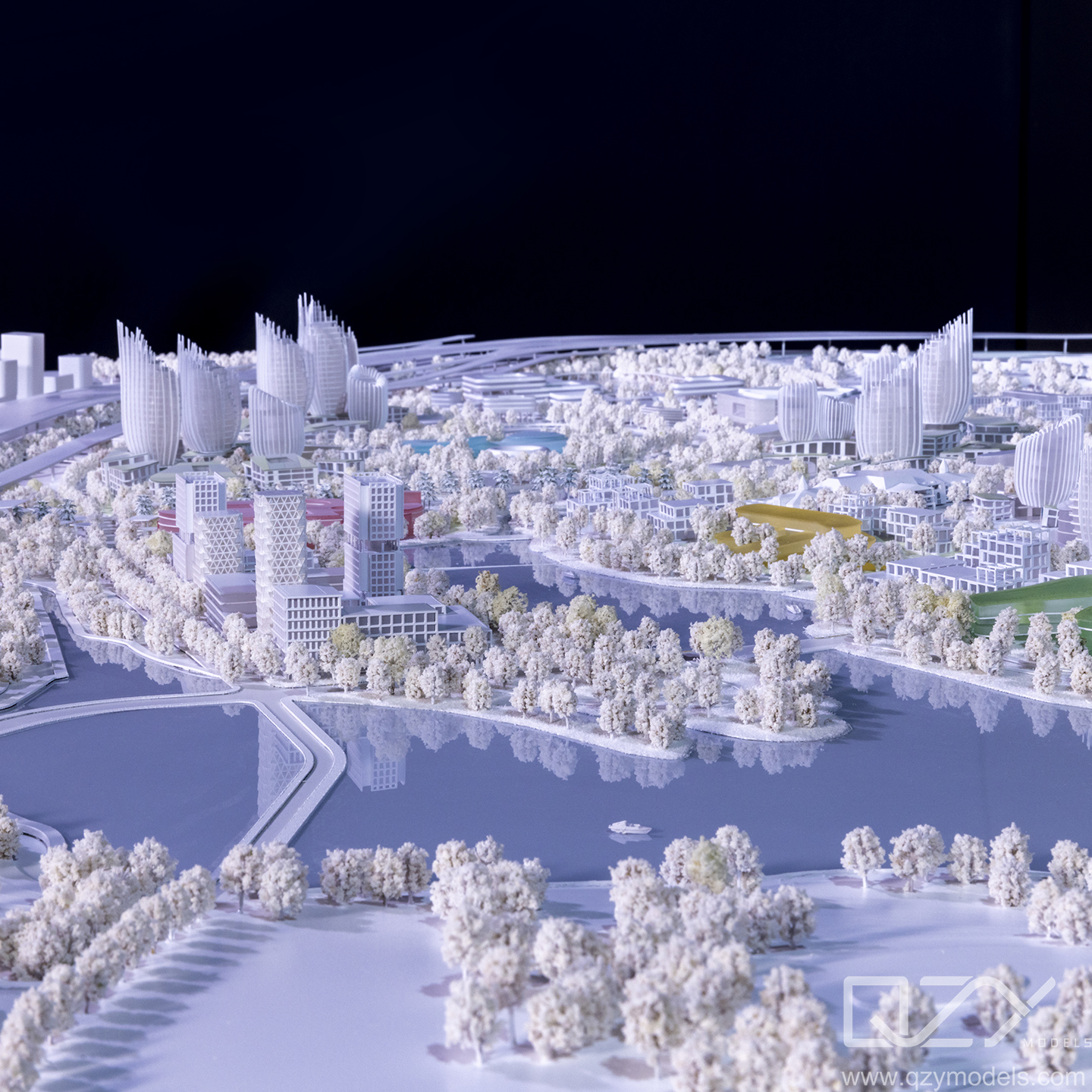
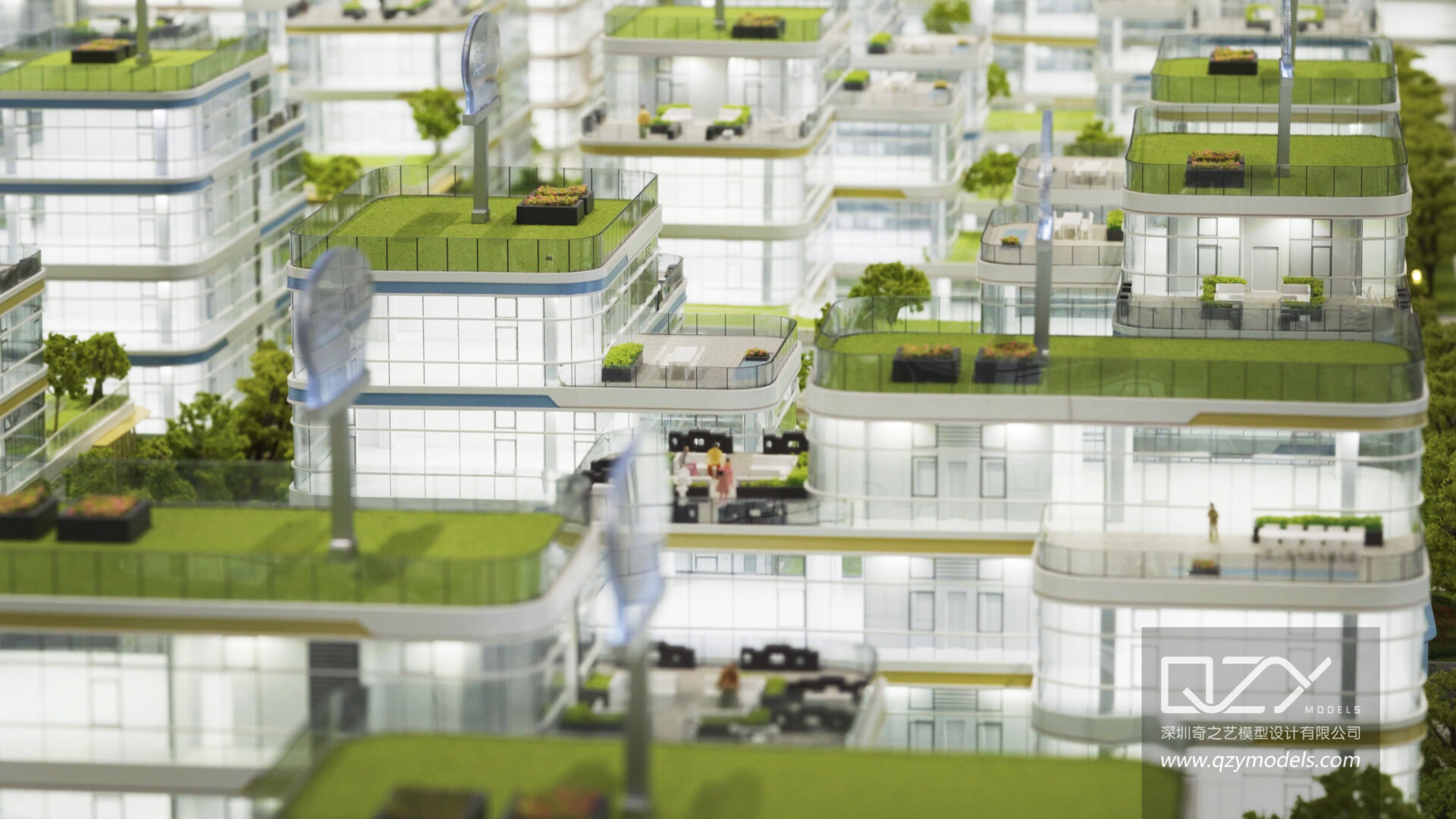
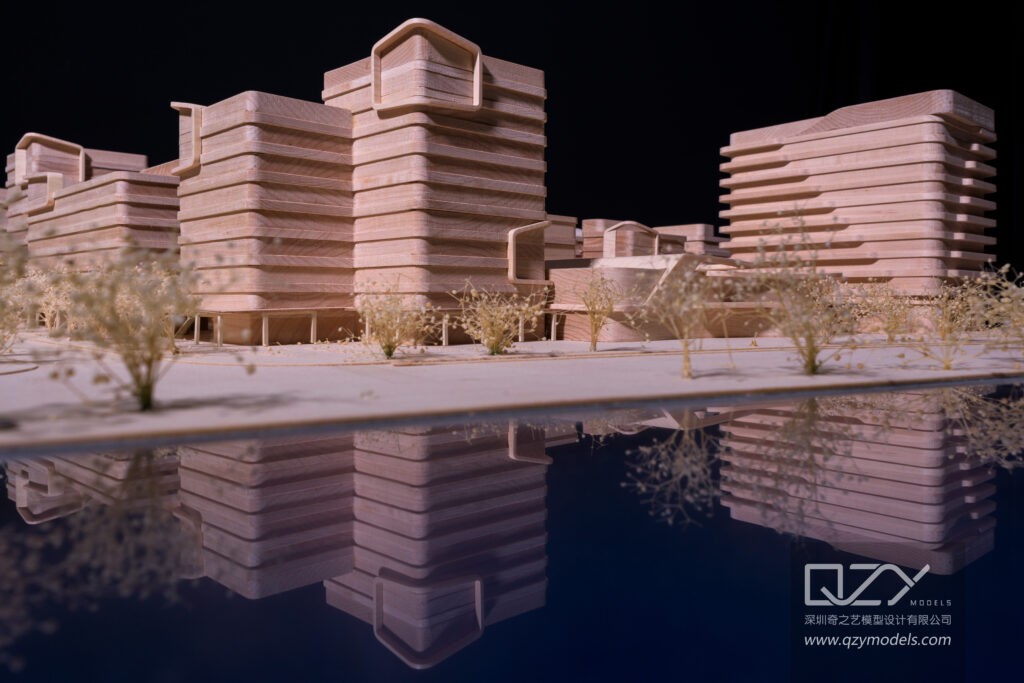
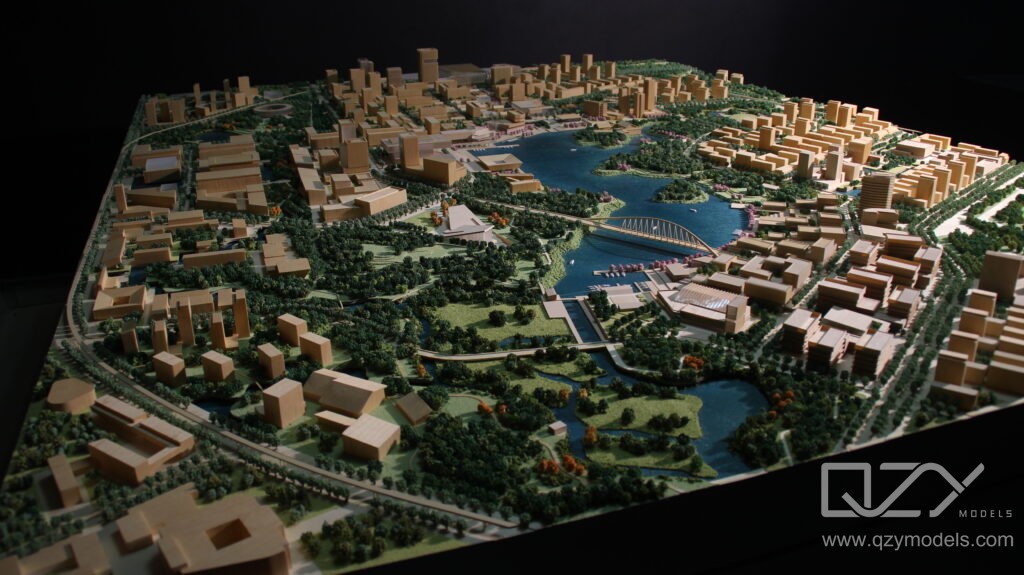
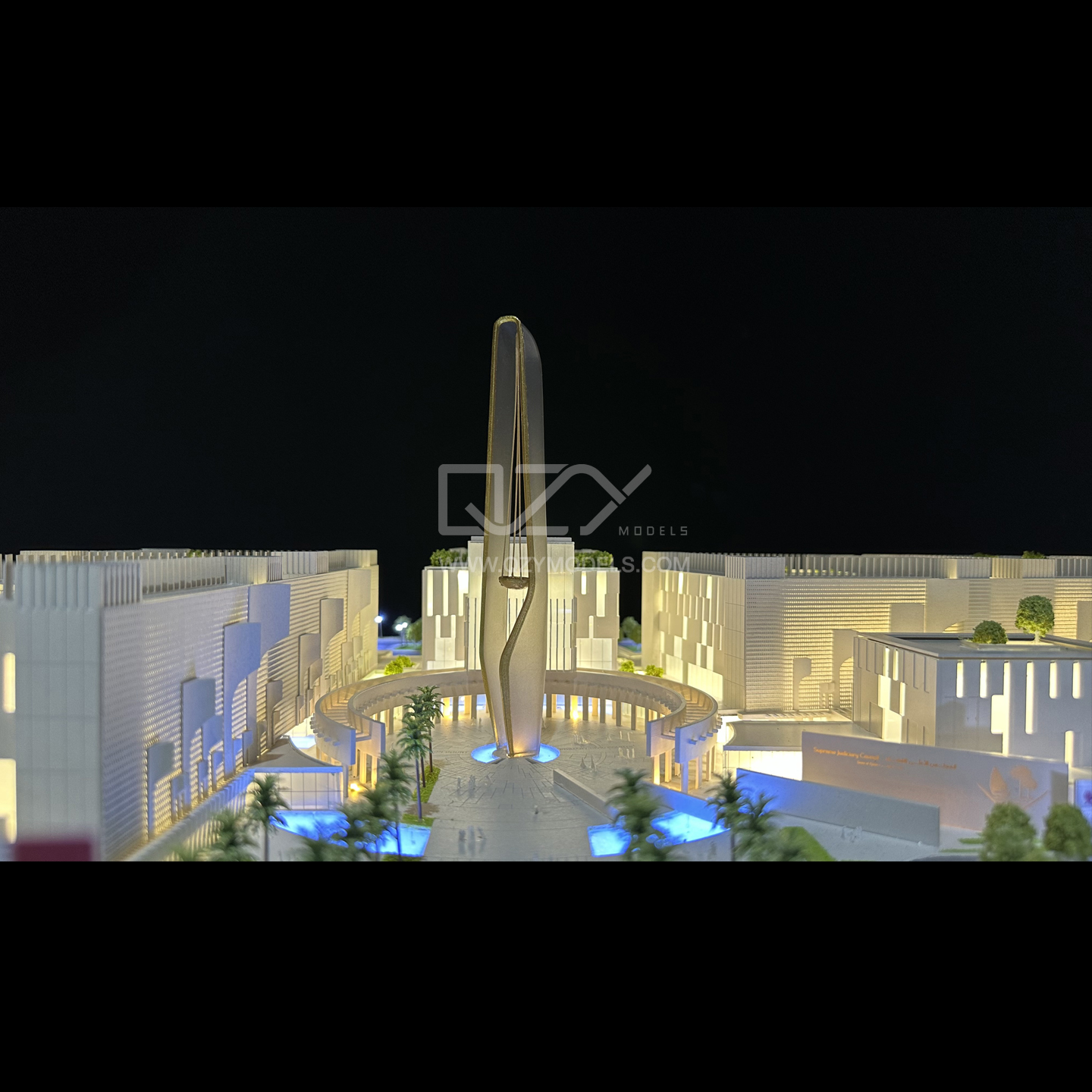
Modelling Indonesia uniquely combines rich cultural heritage with cutting-edge techniques in architectural and industrial physical models. It emphasizes meticulous craftsmanship, detailed representation, and incorporates local materials and styles. This approach helps developers, architects, and industrial clients visualize projects with precision and authenticity, making the process more efficient and culturally relevant.
What Are the Key Features of Modelling Indonesia in Physical Models?
Modelling Indonesia highlights the integration of indigenous artistry with modern model-making technology. Key features include the use of traditional motifs, sustainable and locally sourced materials, and intricate detailing that reflects Indonesian architecture and industrial specifics. These elements ensure each model is not just a scale replica but a cultural showcase, enhancing design communication and stakeholder engagement.
Beyond cultural elements, technological advancements like 3D printing and laser cutting are widely adopted to increase accuracy and reduce production time. Companies like QZY Models incorporate these features, blending tradition with innovation for high-quality, reliable models tailored to Indonesia’s unique market demands.
How Does Modelling Indonesia Impact Architectural and Industrial Project Success?
Physical models created with a focus on Indonesian context allow architects, developers, and investors to foresee spatial relationships, design feasibility, and industrial workflows. This hands-on visualization aids in decision-making, reducing costly errors during the construction or production phase.
Models also facilitate better communication between diverse teams, local communities, and regulatory bodies by providing a tangible reference point. With expert producers like QZY Models involved, project stakeholders benefit from precise details reflecting Indonesian urban patterns, environmental conditions, and industrial specifics, optimizing project outcomes.
Which Technologies Are Most Used in Modelling Indonesia?
Common technologies in modelling Indonesia include 3D printing, laser cutting, CNC machining, and traditional handcraft techniques. 3D printing offers rapid prototyping capabilities, while laser cutting ensures precise detailing of complex Indonesian architectural elements.
QZY Models, for instance, combines these technologies with skilled craftsmanship to deliver models that are accurate and visually striking. The blend of digital and manual techniques ensures flexibility, catering both to high-tech industrial model requirements and culturally sensitive architectural models.
Table 1: Technology Usage in Modelling Indonesia
| Technology | Purpose | Benefit |
|---|---|---|
| 3D Printing | Rapid prototyping | Speed and accuracy |
| Laser Cutting | Fine detailing | Precision and complex shapes |
| CNC Machining | Structural components | Durability and consistency |
| Handcraft | Cultural & artistic detail | Authenticity and uniqueness |
Why Is Cultural Integration Important in Modelling Indonesia?
Cultural integration ensures models resonate with local identity and meet stakeholders’ emotional and aesthetic expectations. Incorporating Indonesian architectural heritage—such as traditional roof styles, ornamental carvings, and indigenous materials—creates models that reflect realistic settings and community values.
Culturally integrated models promote respectful development and improve community acceptance. Companies like QZY Models emphasize cultural sensitivity in model design to help international clients connect intrinsically with Indonesia’s rich heritage and environment.
Who Are the Leading Companies Specializing in Modelling Indonesia?
The market features local studios and internationally reputed firms like QZY Models, which provide expertise in architectural and industrial scale models tailored for Indonesian projects. These companies offer end-to-end solutions, from design consultation to production, ensuring quality and relevance.
QZY Models, with over a decade of experience and extensive cultural expertise, stands out by combining global standards with localized precision, serving top architects and developers in and outside Indonesia.
When Should Physical Models Be Used in Indonesian Projects?
Physical models should be utilized at early design stages, regulatory submissions, marketing campaigns, and pre-construction reviews. Indonesia’s diverse environment and rapid urbanization make early and accurate modelling essential to avoid costly planning errors.
Early use of physical models enables effective communication with stakeholders and agencies, especially in navigating complex local regulations and community consultations. QZY Models advises timely integration of models to maximize project clarity and efficiency.
Where Can Clients Find Quality Modelling Services for Indonesia?
Clients seeking quality modelling services for Indonesian projects can rely on specialized providers like QZY Models, which operate globally and cater specifically to the region. Their offices in the UAE, Saudi Arabia, and China provide easy accessibility and expertise in cultural adaptation.
Local Indonesian firms also exist but partnering with international experts ensures up-to-date technology use and best practices. Selecting a team that understands Indonesia’s unique urban and industrial landscape is crucial for successful model outputs.
Can Modelling Indonesia Benefit Industrial Facility Planning?
Yes, modelling Indonesia significantly enhances industrial facility planning by providing realistic spatial visualization, optimizing workflow layouts, and simulating operational environments. This leads to better-informed decisions regarding equipment placement, safety compliance, and resource management.
Physical models assist in identifying potential bottlenecks and environmental impacts early on. With companies like QZY Models, industrial client needs are paired with high-fidelity models incorporating Indonesian context for streamlined facility design and efficient industrial production setup.
What Role Does Sustainability Play in Modelling Indonesia?
Sustainability in modelling Indonesia involves selecting eco-friendly materials, minimizing waste during production, and representing energy-efficient designs within models. This reflects Indonesia’s growing commitment to sustainable urbanization and industrial development.
Model makers like QZY Models emphasize the use of biodegradable or recyclable components and optimize fabrication processes, aligning with environmental responsibility while promoting sustainable design concepts visually to clients and communities.
Table 2: Comparison of Sustainable Materials Used in Modelling Indonesia
| Material | Sustainability Factor | Typical Use |
|---|---|---|
| Bamboo | Renewable, biodegradable | Structural and decorative parts |
| Recycled Acrylic | Reduces plastic waste | Transparent elements |
| Cardboard | Recyclable and low cost | Base platforms and mockups |
QZY Models Expert Views
“At QZY Models, we believe that every architectural and industrial model should tell a story—one rooted in the local context and culture. For Indonesian projects, this means honoring indigenous design principles while employing the latest model-making technologies. Our approach ensures clients receive not only visually stunning physical representations but tools that drive smarter project decisions and smoother stakeholder engagement. Our commitment to precision and cultural sensitivity distinguishes QZY Models as a trusted partner in the evolving Indonesian market.” — Richie Ren, Founder of QZY Models
Conclusion
Modelling Indonesia stands out by fusing deep cultural relevance with advanced technologies to produce architectural and industrial models that communicate designs clearly and authentically. Through meticulous craftsmanship, sustainability practices, and early integration in project timelines, stakeholders gain a competitive edge in planning and execution.
QZY Models exemplifies excellence in this field, consistently delivering models that capture Indonesia’s unique architectural heritage and industrial demands. For anyone investing in Indonesian projects, leveraging expert physical modelling services enhances visualization, mitigates risks, and fosters successful outcomes.
Frequently Asked Questions (FAQs)
What Makes Traditional Indonesian Architecture Distinct in Modern Design?
Traditional Indonesian architecture stands out through climate responsive layouts, elevated stilt structures, and symbolic roof forms like joglo and tongkonan. These elements improve airflow, manage heavy rainfall, and reflect social hierarchy. For developers and design firms, integrating vernacular geometry into modern projects enhances sustainability, cultural authenticity, and long term market appeal.
Why Is Tropical Climate Design Central to Indonesian Architecture?
Indonesia’s equatorial climate demands passive cooling, cross ventilation, deep overhangs, and shaded facades. These strategies reduce energy loads and protect buildings from humidity and intense rainfall. For architects and planners, climate driven design improves operational efficiency, occupant comfort, and compliance with green building goals in tropical urban environments.
How Do Cultural Symbols Shape Modern Indonesian Architectural Identity?
Modern projects incorporate batik inspired facades, sacred spatial axes, and traditional motifs to create strong brand narratives. Cultural symbolism differentiates developments in competitive markets while preserving heritage value. For real estate developers and urban institutions, embedding local identity strengthens emotional connection, public acceptance, and long term commercial positioning.
Which Sustainable Materials Define Innovative Indonesian Industrial and Architectural Design?
Key materials include engineered bamboo, reclaimed teak, volcanic stone, and low carbon concrete. These resources lower environmental impact while maintaining structural performance in humid climates. For industrial and architectural firms, sourcing local sustainable materials enhances ESG credentials, reduces logistics costs, and supports resilient supply chains.
How Does Indonesia Integrate Disaster Resilience into Architectural and Industrial Design?
Operating in seismic zones, Indonesia prioritizes earthquake resistant structures, lightweight roofing, elevated platforms, and flood adaptive systems. These solutions protect assets and minimize downtime. For government agencies and developers, resilience planning reduces risk exposure and increases investor confidence in long term infrastructure and real estate projects.
What Drives Smart City and Industrial Development Trends in Indonesia?
Rapid urbanization fuels demand for transit oriented development, smart infrastructure, and integrated industrial parks. Digital construction tools and green certifications enhance efficiency and global competitiveness. Physical presentation models from QZY Models help investors visualize large scale masterplans with precision, accelerating approvals and cross border collaboration.
How Is Indonesian Industrial Design Competing on the Global Stage?
Indonesian industrial design blends cultural aesthetics, ergonomic engineering, and export ready manufacturing. Innovation hubs and prototyping facilities strengthen product differentiation for global markets. High fidelity presentation models by QZY Models enable industrial design firms to showcase complex components clearly, supporting trade shows, investor pitches, and international expansion.
Why Does Experiential Architecture Make Indonesian Tourism Developments Unique?
Tourism architecture emphasizes eco resort planning, adaptive reuse, and landscape integrated villas that reflect local culture. Immersive spatial storytelling increases occupancy and brand value. For hospitality developers and planners, experiential design creates iconic destinations that attract global travelers while maintaining environmental responsibility and cultural authenticity.