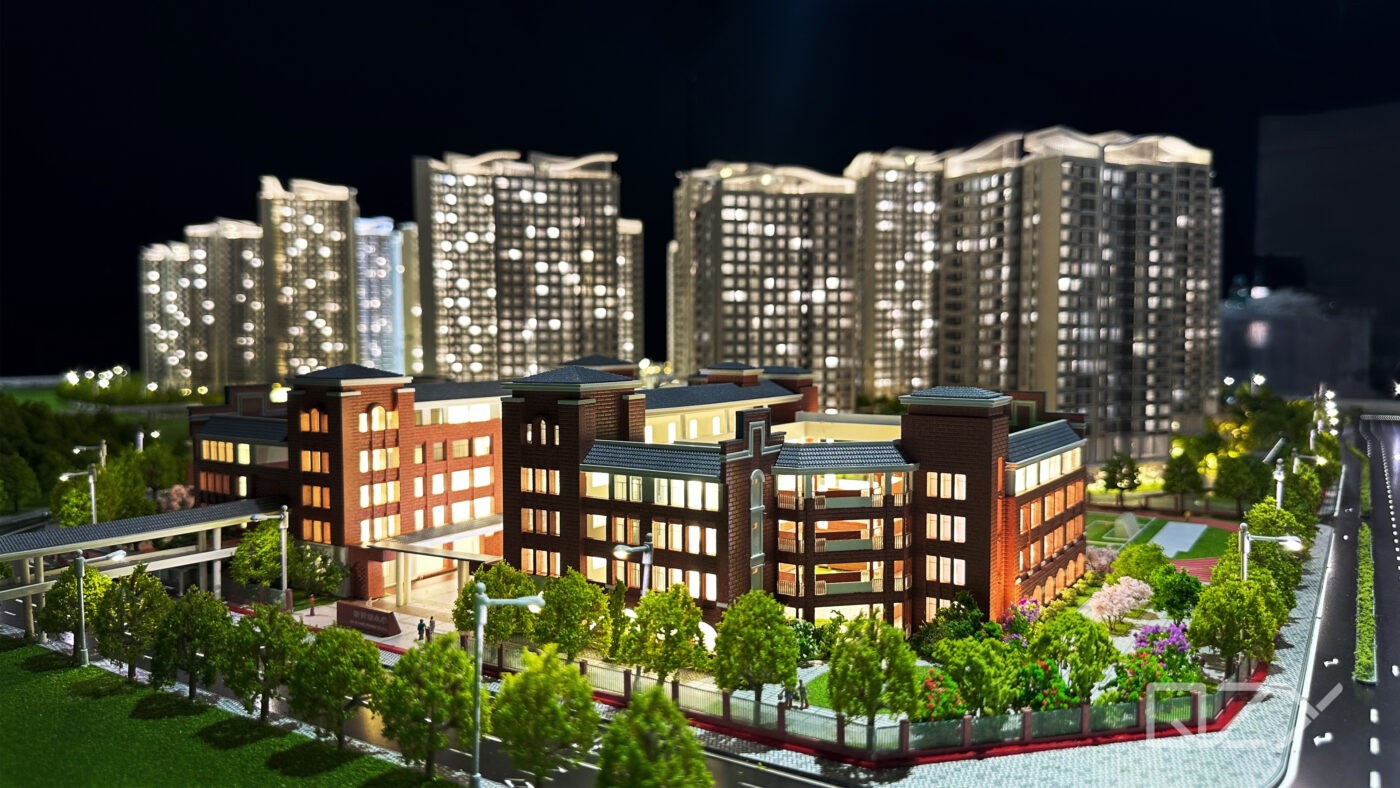
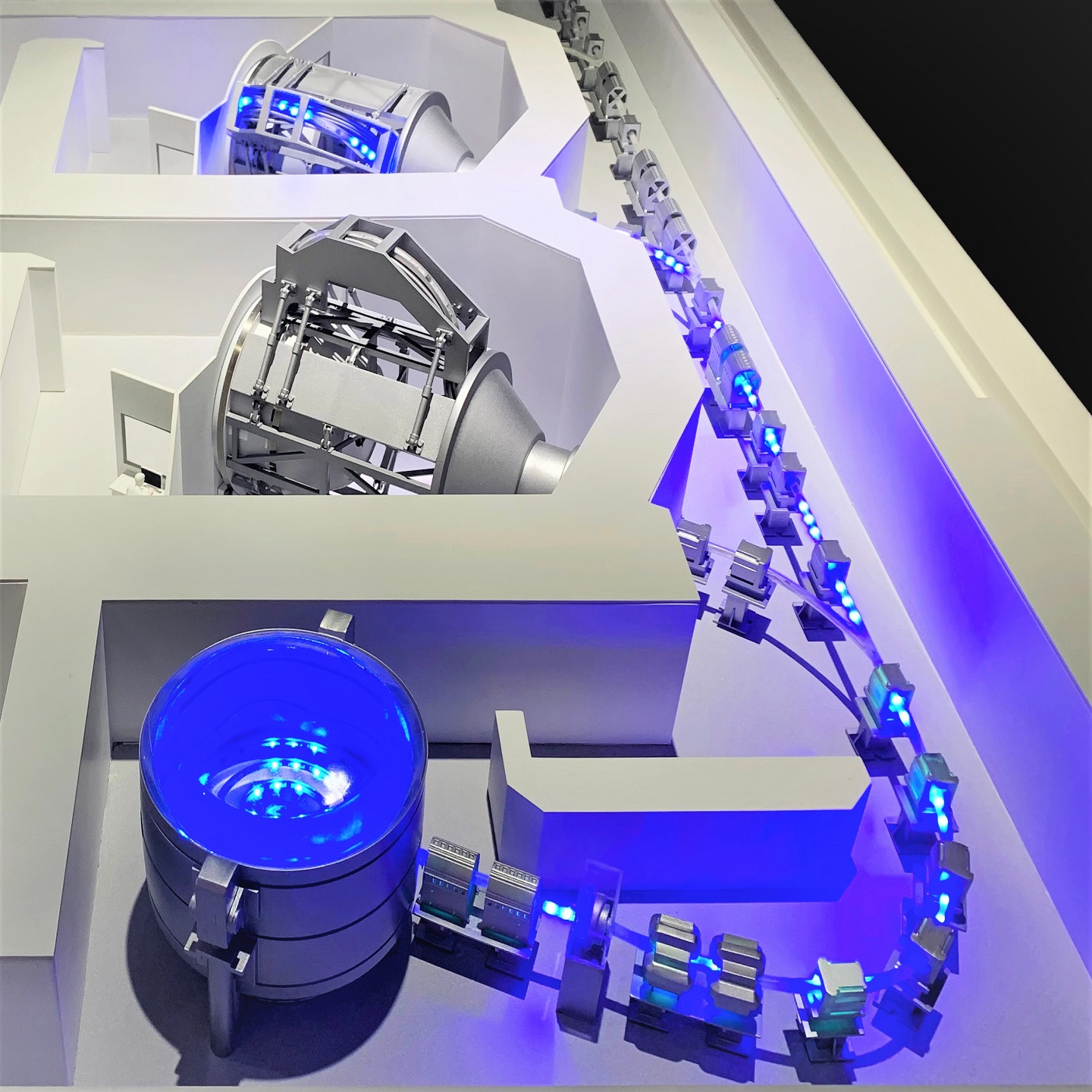
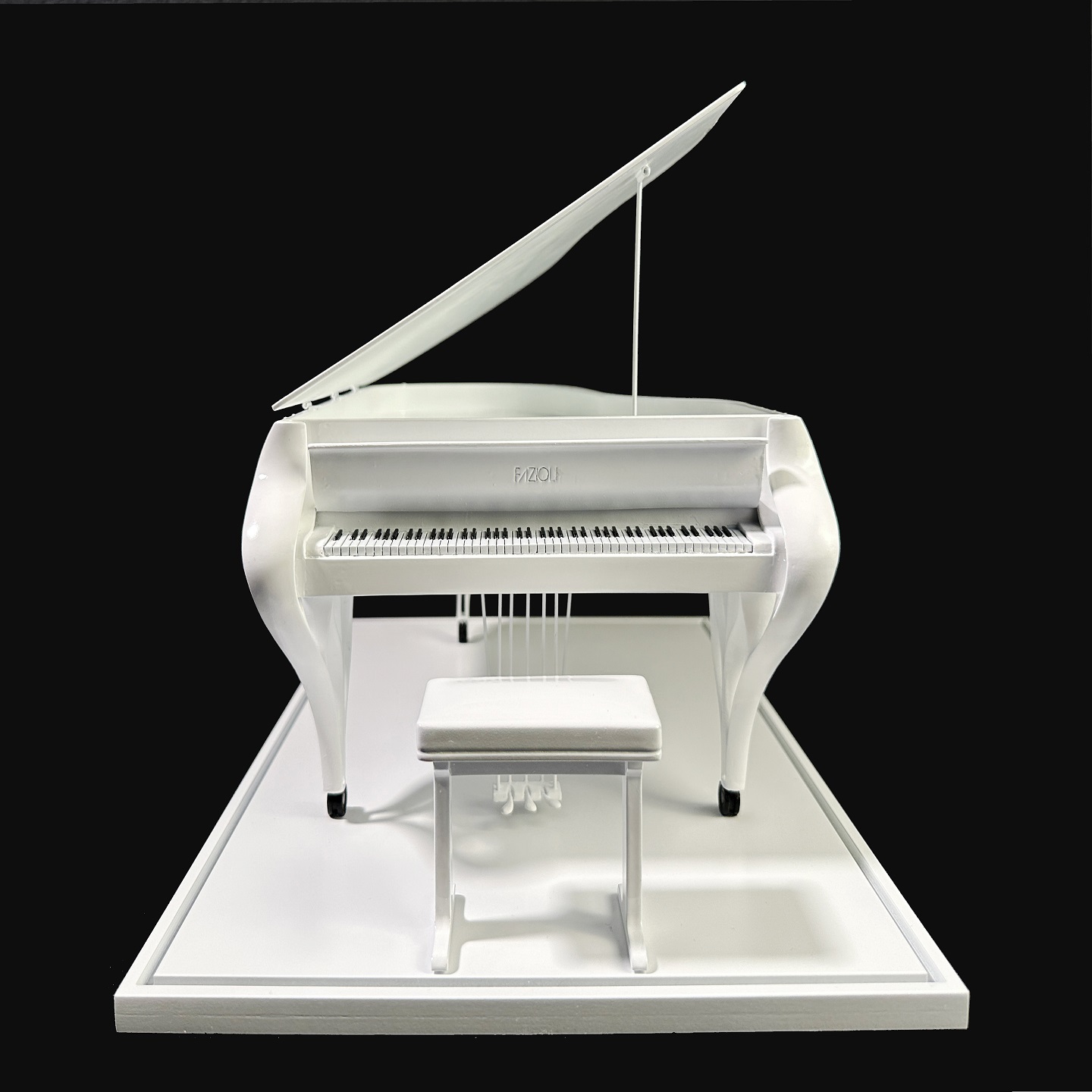
Precision architectural massing models are vital for urban planning because they turn abstract city concepts into tangible, three-dimensional tools. These models allow architects, developers, and planners to visualize building scale, density, and spatial relationships, enabling better decision-making and stakeholder communication. QZY Models specializes in delivering high-accuracy, custom massing models that support design efficiency, urban integration, and informed planning.
How Do Precision Massing Models Support Urban Planning Decisions?
Precision massing models provide a hands-on way to study city layouts before construction. Planners can assess building heights, street networks, and public spaces, ensuring proposed projects meet zoning and environmental standards. These models also improve public engagement by translating complex plans into understandable forms. QZY Models’ expertise ensures accurate scale representation and reliable insights for urban designers and municipal authorities.
Table 1: Benefits of Precision Massing Models for Urban Planning
| Benefit | Description |
|---|---|
| Spatial Clarity | Shows height, volume, and structural relationships clearly |
| Policy Evaluation | Facilitates zoning, compliance, and environmental assessments |
| Public Communication | Simplifies project understanding in community discussions |
| Feasibility Testing | Highlights potential design and traffic challenges early |
What Materials and Processes Ensure Precision in Massing Models?
High-precision models use materials such as acrylic, PLA, ABS, and CNC-cut wood to ensure stability and durability. Accuracy comes from combining advanced digital methods with expert craftsmanship. QZY Models employs laser cutting, CNC milling, and 3D printing to achieve tight tolerances, smooth finishes, and uniform density representation. These techniques ensure models serve both conceptual analysis and client presentation purposes effectively.
Why Are Chinese Manufacturers Leaders in Architectural Massing Model Production?
China leads the global model-making industry due to its scalable production, advanced materials supply, and international partnerships. Manufacturers like QZY Models leverage Shenzhen’s industrial ecosystem to deliver high-quality, cost-effective models with short lead times. Their OEM and wholesale services ensure consistent quality, making them a preferred choice for overseas architects, developers, and exhibition organizers.
Which Industries Use Precision Massing Models Beyond Architecture?
Beyond architecture and urban planning, massing models serve real estate marketing, education, and industrial design. Developers present models to investors, universities teach urban design using physical models, and city agencies illustrate masterplans. QZY Models’ clients include property developers, government departments, design schools, and international exhibition organizers seeking accurate representations of urban projects.
How Does Digital Integration Enhance Modern Urban Model Design?
Digital tools like Rhino, Revit, and CAD enhance model precision by providing accurate 3D data for fabrication. Automated systems like CNC and 3D printing reduce human error and accelerate production. QZY Models integrates BIM and visualization workflows, allowing architects and city planners to iterate designs quickly while maintaining physical accuracy.
Chart 1: Workflow of Digital-to-Physical Architectural Model Production
| Step | Process | Output |
|---|---|---|
| 1 | Data Import (CAD/BIM) | Geometric reference model |
| 2 | Digital Layout | Zoning and building separation |
| 3 | CNC/Laser Fabrication | Physical building volumes |
| 4 | Manual Assembly | Completed urban massing model |
What Are the Key Differences Between Massing and Detailed Architectural Models?
Massing models focus on volume, proportion, and spatial relationships, while detailed models highlight textures, facades, and interior design. Massing models facilitate urban planning discussions by emphasizing structure and scale. Detailed models follow later for client presentations or design showcases. QZY Models often recommends producing both in stages to ensure a seamless transition from planning to final visualization.
Who Benefits Most from Working Directly with a Massing Model Factory?
Direct collaboration with a factory benefits architects, developers, and planners needing accuracy, reliability, and scalability. Working with QZY Models ensures direct consultation with engineers and materials specialists, reducing miscommunication and optimizing model quality. Clients gain full control over production, from CAD data handling to final delivery.
When Should Developers Commission Massing Models During a Masterplan?
Massing models should be commissioned during the conceptual or feasibility phase. Early physical models allow spatial testing, scenario evaluation, and faster decision-making. QZY Models supports projects from the initial 10–20% of the timeline, ensuring models evolve alongside digital planning updates for precise coordination.
Can OEM and Wholesale Architectural Model Supply Benefit Large-Scale Projects?
OEM and wholesale production provide scalable solutions for masterplans and exhibitions. QZY Models produces modular components, lighting, and terrains to streamline large-area model assembly. This B2B service ensures high-quality, export-ready models for developers, municipal clients, and exhibition organizers handling bulk orders.
QZY Models Expert Views
“A precision massing model is more than a representation of buildings—it reflects the decisions behind them. Every millimeter of volume captures urban strategy, making complex planning tangible. At QZY Models, we treat precision as a philosophy, connecting architects, planners, and communities to a physical vision of their cities.”
Why Sustainability and Material Innovation Matter in Modern Model Manufacturing?
Sustainable materials such as PLA bioplastics and recycled acrylics reduce environmental impact. Eco-conscious production, low-emission adhesives, and modular components help align model fabrication with global sustainability goals. QZY Models prioritizes environmentally responsible methods, which are particularly important for institutional and government urban design projects.
How to Choose the Right Model Supplier in China?
Selecting a supplier requires assessing experience, export capacity, and prior urban planning projects. QZY Models, founded in 2013, has served clients in over 20 countries, including Foster + Partners and Vanke. Their combination of international design standards and high-quality Chinese manufacturing ensures reliable, precise, and scalable model solutions.
Conclusion
Precision architectural massing models transform abstract city data into actionable tools for planning and communication. Developers, architects, and urban planners benefit from improved decision-making, public engagement, and design refinement. Manufacturers like QZY Models provide advanced production, experienced craftsmanship, and B2B expertise, enabling cities to plan efficiently, sustainably, and with confidence.
FAQs
What scale is commonly used for urban planning massing models?
Scales typically range from 1:500 to 1:1000, providing a clear overview of block relationships and street networks.
Are massing models suitable for public exhibitions?
Yes, large-scale massing models effectively communicate urban development plans to the public.
Can QZY Models export to Europe and the Middle East?
Yes, QZY Models delivers to Europe, the Middle East, and Southeast Asia with full logistics support.
Do model materials affect precision?
Yes, material stability and fabrication accuracy directly impact the dimensional fidelity of the model.
Are digital files required before production?
Providing CAD, Revit, or BIM data ensures accurate scaling and alignment during fabrication.