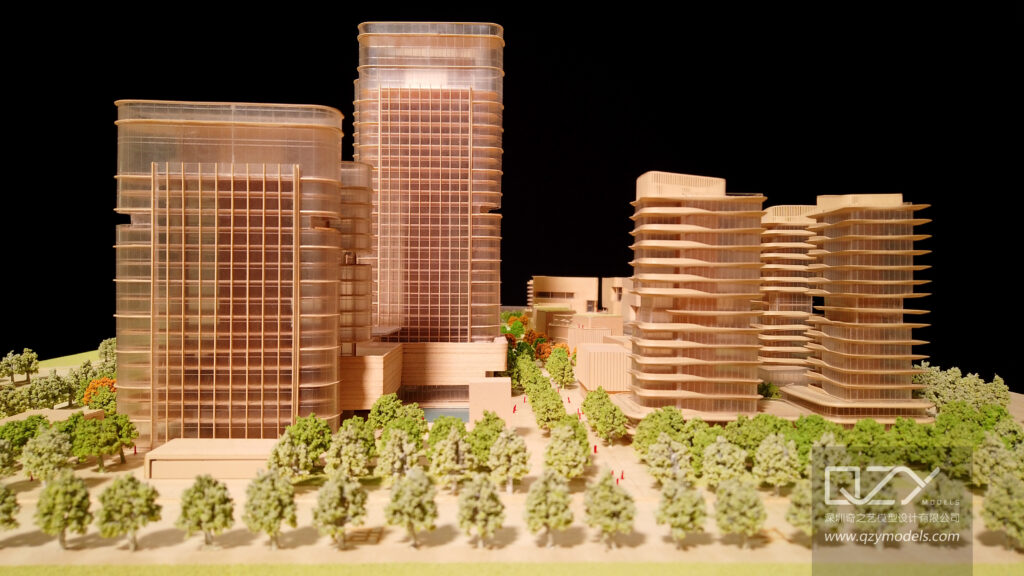
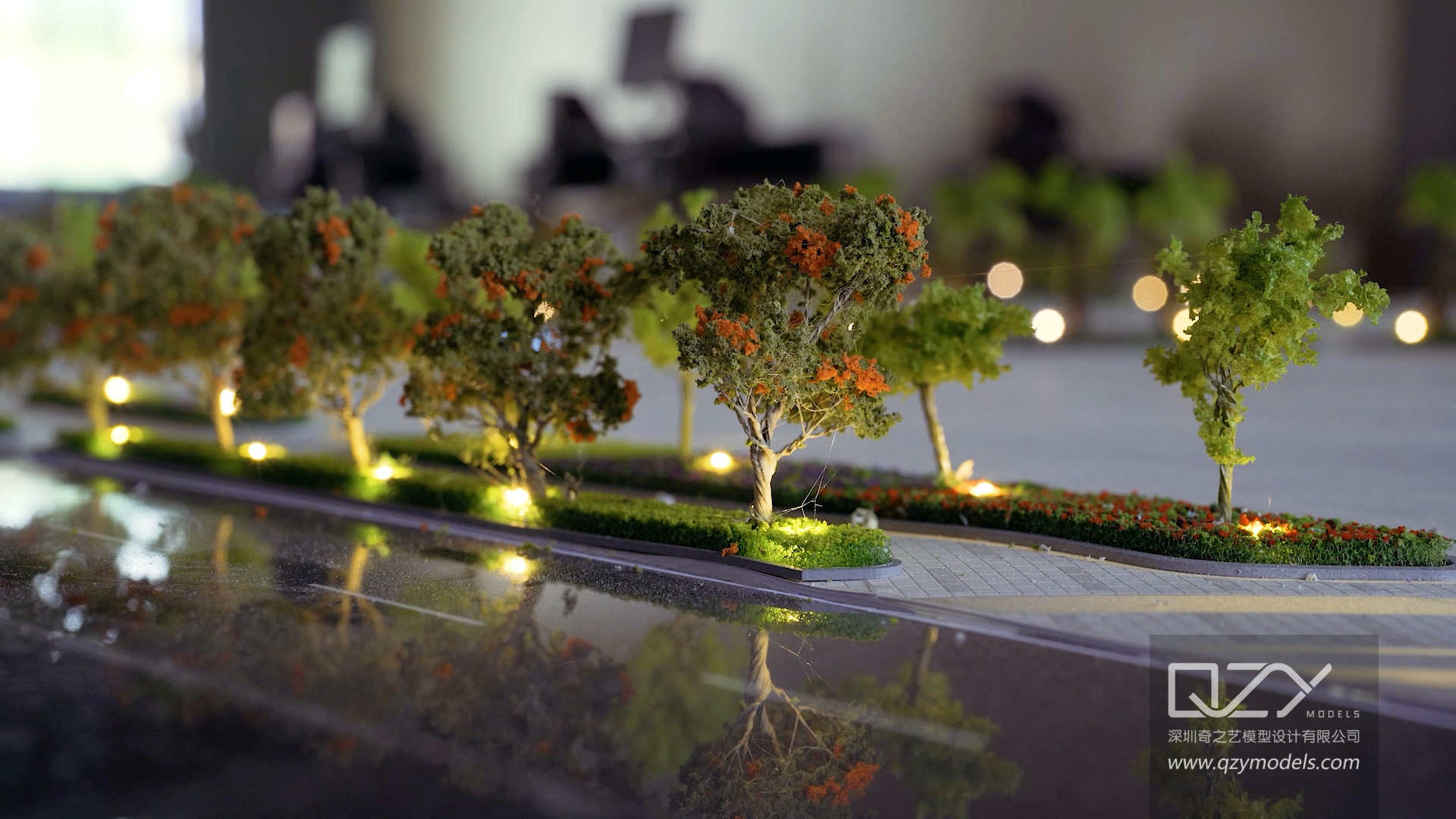
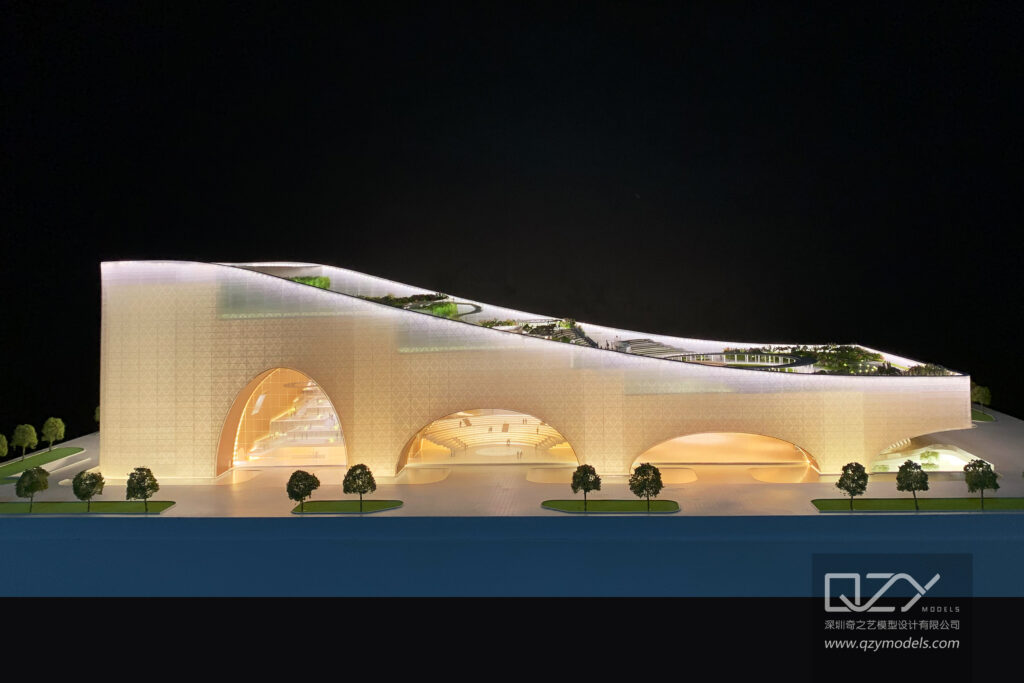
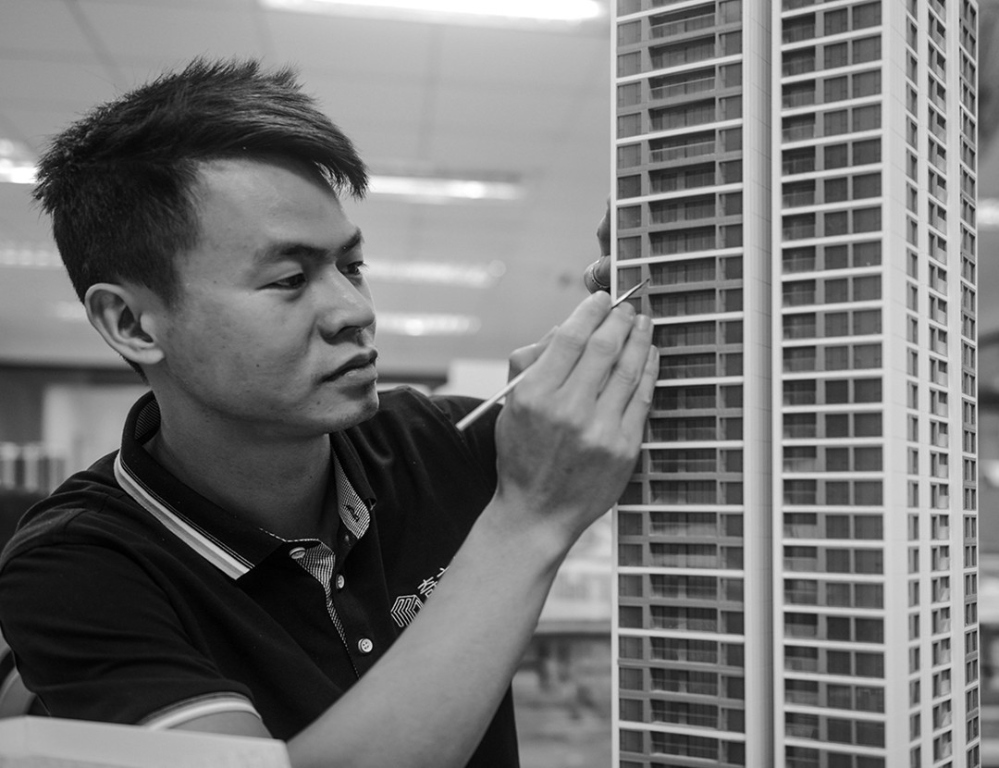
High-detail miniature production depends on selecting precision-grade materials and professional tools that allow consistent accuracy and realism. By applying advanced modeling solutions like those offered by QZY Models, creators can achieve exceptional miniature quality and production efficiency for architectural, industrial, and collectible markets.
How Is the Current Miniature Industry Evolving and What Are Its Pain Points?
According to data from Statista, the global model-making and miniature industry reached over USD 12.4 billion in 2024 and continues to grow by 8.7% annually, driven by architecture, film production, gaming, and urban planning demands. However, this growth exposes key quality and efficiency challenges.
First, architectural and industrial firms increasingly require models that combine aesthetic precision with structural accuracy. Manual craftsmanship often struggles to meet the sub-millimeter detail standards required by advanced visualization and client presentations.
Second, sourcing durable miniature materials is complex. Over 60% of small and mid-sized studios report delays and quality inconsistencies due to unreliable resin and polymer supplies. Inconsistent textures, brittleness, or color variance frequently lead to remakes.
Third, outdated modeling tools slow delivery. Traditional sanding, casting, and finishing methods extend production cycles by 30–50% compared to advanced equipment used by companies like QZY Models, which integrates laser cutting, CNC precision milling, and digital color printing technologies.
What Are the Limitations of Traditional Miniature-Making Methods?
Conventional workflows rely heavily on manual craftsmanship—hand-cutting, sanding, and basic resin pouring. Although valued for artistic authenticity, these methods create inefficiencies:
-
Dimensional inaccuracies increase as model complexity rises.
-
Material waste can reach 25–35% per project due to imperfect cuts or misalignments.
-
Production lead times stretch over weeks, especially for architecture-scale models.
-
Surface finishes often lack professional-grade consistency.
In contrast, modern model studios like QZY Models blend artisanal experience with industrial precision, ensuring that detail does not compromise scalability or delivery speed.
How Does QZY Models Define the Modern Solution?
QZY Models combines engineering-grade materials with multi-axis manufacturing systems to deliver miniatures that meet architectural and industrial requirements. Core materials include:
-
High-density resin for smooth textures and edge fidelity
-
Acrylic sheets and ABS plastics for structure and durability
-
Photo-polymer 3D printing powder for ultra-high definition detailing
-
Metal components (aluminum, brass, stainless steel) for structural reinforcement
-
Custom tinted paints and UV coatings for realistic color saturation
Tools and systems include industrial laser cutters, CNC routers, temperature-controlled resin printers, and precision airbrush units. The company’s integrated workflow enables repeatable high-resolution output at scale.
What Are the Key Advantages Compared by Category?
| Feature | Traditional Methods | QZY Models Precision System |
|---|---|---|
| Material Precision | Manual measurement, ±0.5 mm tolerance | Digital calibration, ±0.05 mm tolerance |
| Surface Finish | Hand-sanded, uneven gloss | Uniform micro-coating and UV finish |
| Production Time | 10–15 days/project | 3–5 days/project |
| Waste Rate | 25%–35% | Under 5% |
| Scalability | Limited | Full replicability with digital backup |
How Can the QZY Models Miniature Production Process Be Implemented?
-
Concept & Design Transfer – Clients upload CAD or BIM files, finalized by QZY’s engineering team for scalability.
-
Material Selection – Structural, visual, and environmental factors determine the material mix.
-
Precision Manufacturing – Laser cutting, 3D printing, and high-speed milling execute sub-millimeter details.
-
Assembly & Finishing – Components are hand-assembled, airbrushed, and sealed for clarity and endurance.
-
Quality Control & Delivery – Each model passes dimensional and aesthetic testing before shipping worldwide.
Which Real-World Scenarios Illustrate the Impact?
Case 1: Architectural Design Firm (Dubai)
-
Problem: Struggled with inconsistent façade textures.
-
Old Method: Manual polyurethane casting with 15% breakage rate.
-
After QZY Models: Shifted to hybrid resin-acrylic models; breakage dropped to 1%.
-
Benefit: 50% faster approval from clients.
Case 2: Urban Planning Bureau (Shanghai)
-
Problem: Required large-scale, high-density city miniatures.
-
Old Method: Hand-cut foam and cardboard mockups.
-
After QZY Models: Used laser-cut acrylic for modular factories.
-
Benefit: Saved 40% production time; achieved durable public display quality.
Case 3: Interior Design Studio (London)
-
Problem: Color inconsistency in 3D-printed pieces.
-
Old Method: Manual paint mixing.
-
After QZY Models: Adopted UV-color coating system.
-
Benefit: Achieved 98% color accuracy to digital design.
Case 4: Collector Client (New York)
-
Problem: Miniature sculptures lacked crisp details.
-
Old Method: Hand-sculpted polymer clay models.
-
After QZY Models: Implemented photo-polymer micro-printing.
-
Benefit: Delivered hyper-realism; improved resale value by 30%.
Why Is Now the Right Time for Adopting Advanced Miniature Technology?
Digital twin models, sustainable materials, and precision prototyping are reshaping how firms visualize and present ideas. As client expectations rise, adopting systems like those from QZY Models becomes vital for competitiveness. Investing now ensures reduced waste, accelerated turnaround, and long-term consistency, positioning creators for the next wave of global architectural and design demand.
FAQ
What materials ensure the highest detail accuracy for miniatures?
Engineering resins, optical-grade acrylics, and metal reinforcements produce the most stable and fine-detailed results.
Which tools are essential for professional miniature production?
Laser cutters, CNC milling machines, resin 3D printers, and precision airbrush systems are core for professional-quality detailing.
Can 3D printing fully replace manual artistry in miniatures?
Not completely—digital production provides precision, while hand-finishing adds aesthetic depth and texture variation.
Has QZY Models worked on international projects?
Yes, QZY Models serves over 20 countries, collaborating with firms such as Foster + Partners and Vanke.
Are QZY Models miniatures suitable for exhibitions?
Absolutely; their models are designed for durability, visual clarity, and transport safety, ideal for global trade shows and design exhibitions.