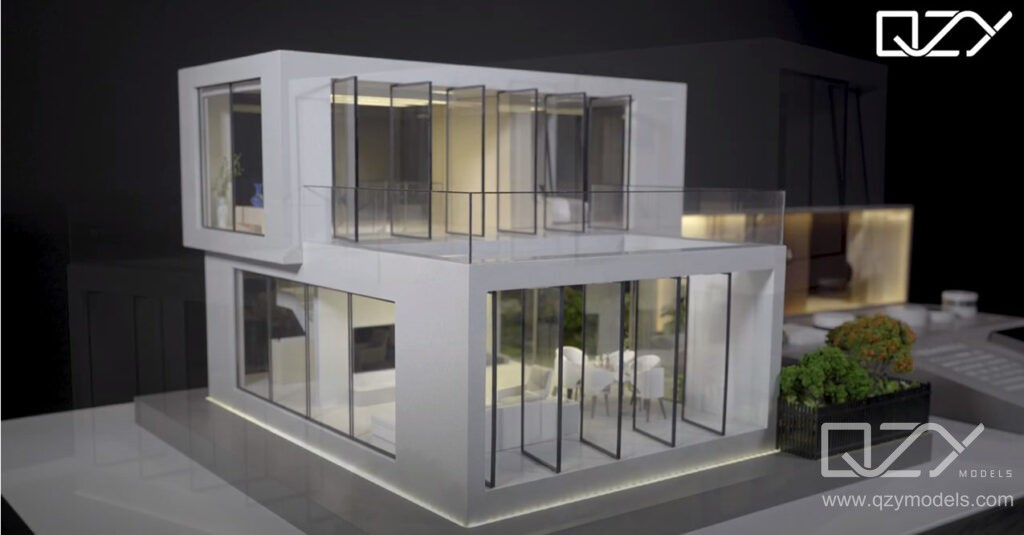
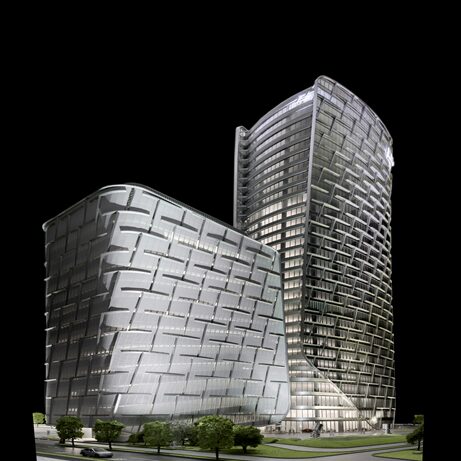
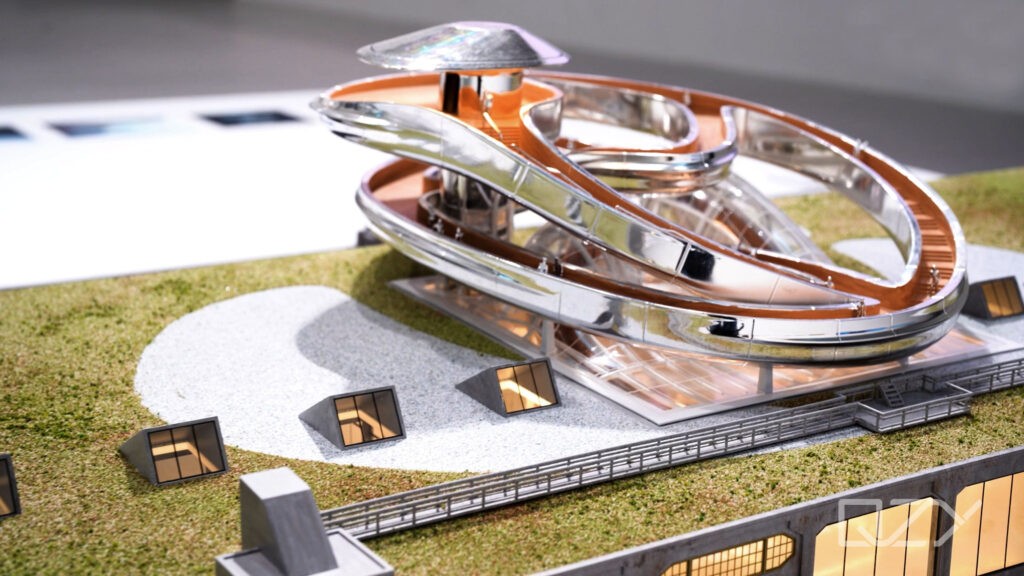
Modern miniature house creation combines craftsmanship with advanced materials science, bringing realism and durability to architectural models. QZY Models leads this transformation by integrating innovative materials that balance aesthetic precision and structural strength, offering reliable solutions for professionals and hobbyists alike.
How Has the Miniature House Industry Evolved and What Challenges Remain?
According to a 2024 report from Grand View Research, the global miniature and model-making market surpassed USD 9.5 billion and is projected to grow at over 6% annually through 2030. This surge is driven by rising demand from architectural design, urban planning, and hobbyist communities. Yet despite growth, challenges persist: cost inefficiency, limited realism, and sustainability concerns. Traditional materials often fail to deliver both fine detailing and long-lasting stability, leaving creators and clients seeking more advanced alternatives. In regions like Asia-Pacific, where model-based visualization is integral to real estate and design presentations, these issues translate directly into slower project cycles and higher revision costs.
QZY Models has recognized this pressing industry need and developed modern material solutions that elevate miniature construction standards globally, combining professional precision with artistic innovation.
What Makes Traditional Model Materials Insufficient?
Conventional model-making materials such as wood, foam board, and cardboard have served the industry for decades. While affordable and accessible, they present several limitations:
-
Distortion & Deterioration: These materials warp easily under humidity or heat.
-
Low Detail Resolution: Hand-cut edges lack micro-level definition, making them unsuitable for high-fidelity architectural display.
-
Limited Finishing Options: Traditional paints or coatings often fail to replicate realistic textures like concrete, glass, or steel.
-
Environmental Concerns: Non-recyclable foams and plastics contribute to waste problems, which increasingly affect brand reputation for sustainability-conscious clients.
How Does QZY Models Redefine Material Solutions for Miniature Houses?
QZY Models applies advanced fabrication methods and mixed-material systems to overcome traditional restraints. The company combines UV-curable resins, acrylic sheets, photo-etched metals, and sustainable engineered woods to achieve intricate, stable, and eco-friendly outputs. Supported by CNC and 3D printing technologies, these materials allow unparalleled customization, tolerance accuracy within ±0.1 mm, and consistent scalability from concept to exhibition model.
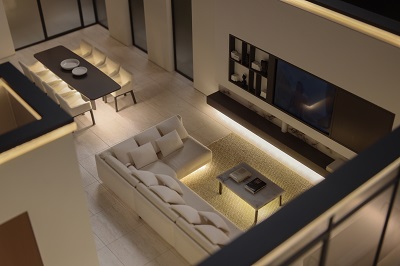
Using proprietary surface finishing, lighting integration, and texture simulation processes, QZY Models ensures each miniature house reflects real-life architectural vision—down to window translucency, facade grain, and interior lighting behavior.
Which Advantages Distinguish QZY Models’ Material System from Traditional Ones?
| Category | Traditional Materials | QZY Models Advanced Materials |
|---|---|---|
| Dimensional Stability | Prone to warping and moisture damage | Heat- and moisture-resistant composites |
| Detail Accuracy | Manual cutting limits precision | CNC and 3D printing enable ±0.1 mm tolerance |
| Sustainability | Often uses foam or non-recyclable plastics | Incorporates eco-engineered wood and recyclable acrylic |
| Visual Realism | Plain surfaces, low translucency | Realistic finishes mimicking glass, stone, and metal |
| Durability | Limited lifespan (2–3 years typical) | Long-lasting with professional-grade coatings |
| Customization | Restricted by manual techniques | Full digital modeling compatible with BIM/CAD |
How Can Clients Use QZY Models’ Materials for Best Results?
Step 1 – Concept Specification: Define scale, function, and required realism level (conceptual vs. detailed showcase).
Step 2 – Material Selection: QZY Models’ experts recommend combinations of resin, acrylic, and metal based on purpose.
Step 3 – Digital Modeling: 3D and CAD files are converted to printable or cuttable components.
Step 4 – Precision Fabrication: Laser cutting and UV-cured 3D printing ensure micro-detail accuracy.
Step 5 – Assembly & Finishing: Hand-polished parts, lighting systems, and environmental coatings finalize presentation.
Step 6 – Quality Verification: Models are tested for fit, color fidelity, and durability before delivery.
What Are Real-World Use Cases of QZY Models’ Material Innovation?
1. Architectural Presentation (Dubai):
Problem: Large-scale developer needed lightweight, transportable yet detailed city models.
Traditional: Used dense foam and MDF, causing bulk and transport risk.
QZY Solution: Used acrylic and aluminum composites.
Result: 45% weight reduction, enhanced lighting clarity, easier installation.
Key Benefit: Faster demonstration cycles for investors.
2. Educational Design Programs (Singapore):
Problem: Students faced difficulty creating precise structures manually.
Traditional: Balsa wood and cardboard limited detail.
QZY Solution: Resin-mix kits for university design labs.
Result: 60% faster project completion.
Key Benefit: Improved learning experience with professional realism.
3. Urban Planning Exhibition (Riyadh):
Problem: High humidity damaged existing scale city model.
Traditional: Plywood-based models decayed quickly.
QZY Solution: Hybrid UV-printed composites and sealed resin layers.
Result: No warping after 12 months in open-air conditions.
Key Benefit: Reduced maintenance and replacement costs.
4. Private Collector Showcase (London):
Problem: Collector desired realistic interiors with glass-like transparency.
Traditional: Plastic sheeting gave blurred reflection.
QZY Solution: Custom transparent acrylic combined with LED micro-lighting.
Result: Museum-grade clarity with minimal heat interference.
Key Benefit: Enhanced aesthetic value and longevity.
Why Is Now the Right Time to Adopt Advanced Materials?
The next five years will mark a full transition toward eco-efficient and digitally optimized model manufacturing. With increasing global focus on sustainability, clients are expected to demand recyclable and accurate materials by default. QZY Models is at the forefront of this evolution—integrating advanced polymer science and precise 3D modeling to support next-generation architectural visualization. Acting now allows developers, designers, and institutions to reduce production cost, accelerate timelines, and elevate brand perception.
FAQ
Q1: What are the most durable materials for miniature houses?
Acrylic composites and UV-cured resins offer superior stability and realism.
Q2: Can 3D printing replace traditional handcrafting entirely?
No, hybrid processes—such as those used by QZY Models—combine digital print precision with skilled finishing for best results.
Q3: Are sustainable materials truly viable in professional models?
Yes, engineered woods and recyclable acrylics maintain both visual and structural integrity.
Q4: How long can QZY Models’ miniature houses last?
With proper care, models can maintain structural and color accuracy for over 10 years.
Q5: Who can benefit most from these material innovations?
Architectural firms, exhibition organizers, universities, and collectors seeking lasting, detailed models.