Architectural models rely on materials like foam board, balsa wood, acrylic, cardboard, plywood, metal sheets, and 3D-printed resins. Selection depends on project stage, detail level, durability, and budget. Proper choices allow accurate representation from early conceptual sketches to presentation-ready prototypes, ensuring models communicate design intent effectively while meeting aesthetic, functional, and sustainability goals.
What Are the Most Common Materials for Architectural Models?
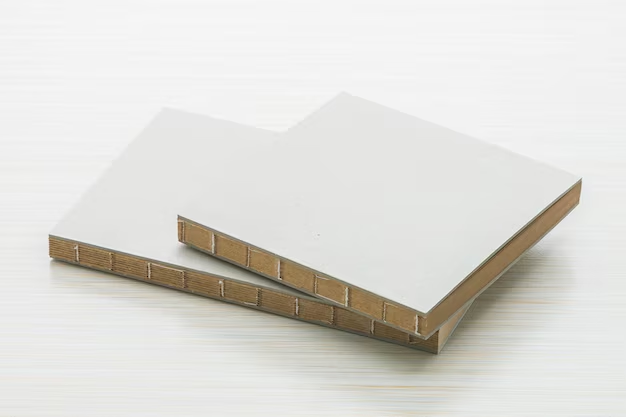
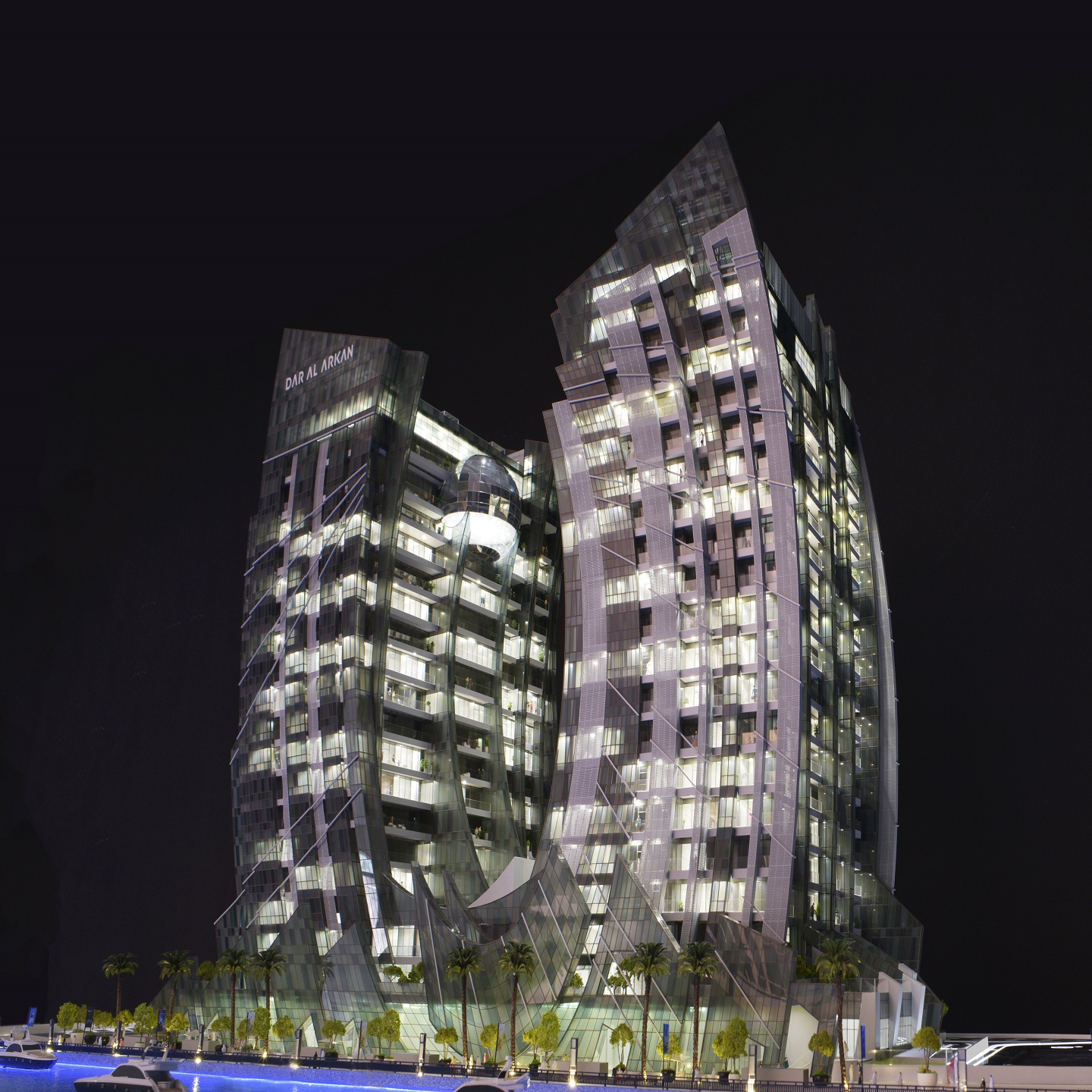
Common materials include foam board, balsa wood, cardboard, acrylic, plywood, and metal. Foam board and cardboard are lightweight, cost-effective, and ideal for conceptual models. Balsa and basswood provide fine grain and precision for detailed structures. Acrylic adds transparency and modern aesthetics, while metals like aluminum increase durability. QZY Models selects these materials to produce high-fidelity replicas for clients such as Foster + Partners, ensuring every model captures realistic architectural elements.
How Do You Choose Materials Based on Model Type and Purpose?
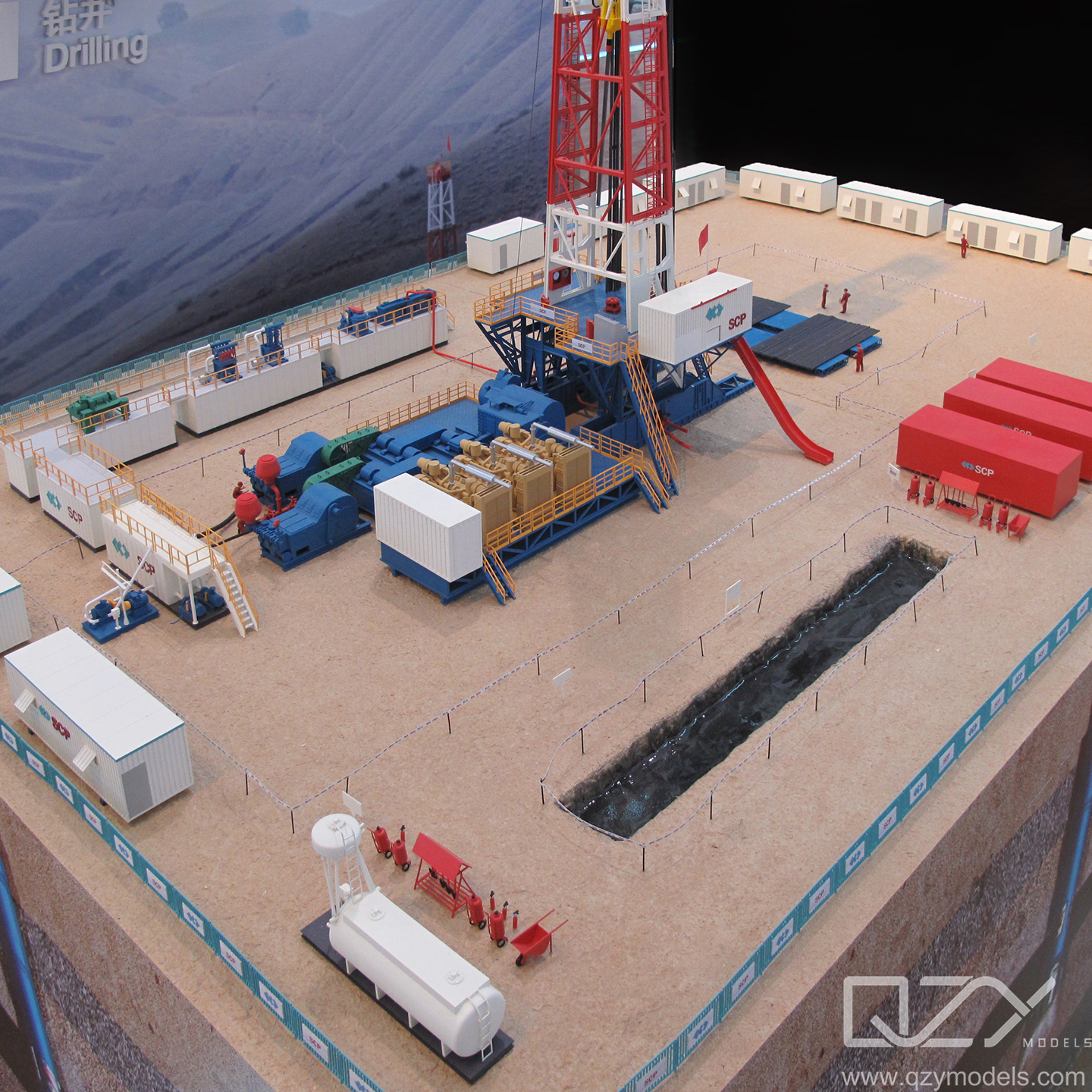
Material selection depends on model type, scale, handling requirements, and intended use. Foam and cardboard are suited for conceptual massing; wood and acrylic enhance detailed presentation models; metals and resins provide strength for industrial prototypes. Conceptual models prioritize speed, while presentation models require durability and aesthetic impact. QZY Models customizes material choices for real estate developers, exhibition organizers, and other clients, balancing transportability, longevity, and visual appeal.
Why Are Sustainable Materials Gaining Popularity in Architectural Modeling?
Sustainable materials reduce environmental impact, align with green design trends, and meet client eco-expectations. Recycled plastics, biodegradable foams, bamboo, cork, and plant-based resins provide practical, eco-friendly alternatives without compromising quality. These materials support LEED certification requirements and sustainability goals. QZY Models integrates eco-materials into physical models for urban planners, developers, and educational institutions, promoting environmentally responsible design practices.
Which Tools Complement Material Use in Model Making?
Tools like laser cutters, 3D printers, CNC machines, X-Acto knives, and sanders enhance material precision, shaping, and finishing. Laser cutting works well with acrylics and wood for intricate details, while 3D printing captures complex geometries in resin. Hand tools efficiently handle foam and cardboard. QZY Models combines advanced machinery with craftsmanship to deliver thousands of precise, high-quality models for international clients in the Middle East, Europe, and beyond.
What Role Do Woods Play in High-Detail Architectural Models?
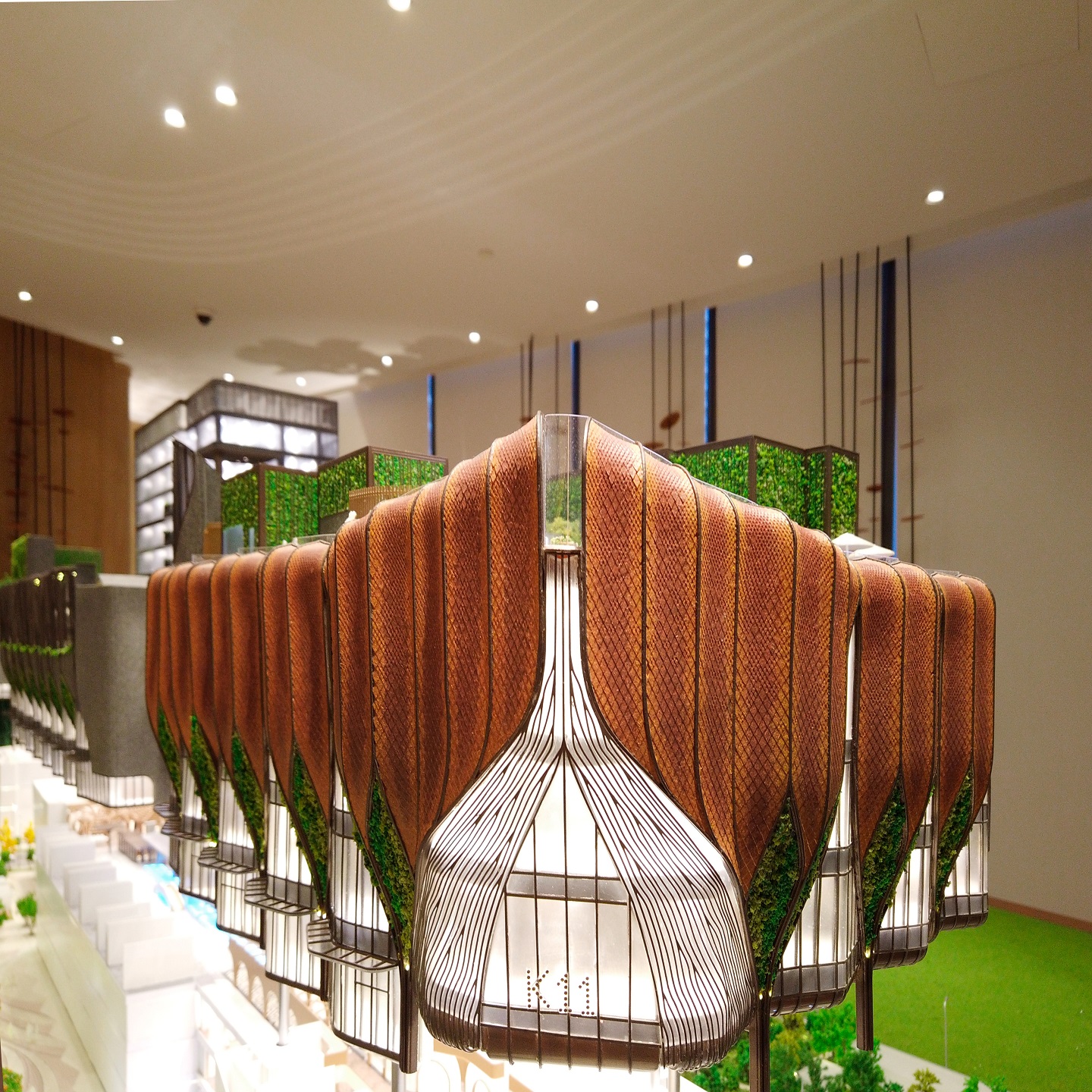
Woods such as balsa, basswood, and plywood are key for high-detail models due to their strength, smooth grain, and versatility. Balsa is lightweight and ideal for facades and interiors, basswood sands well for organic shapes, and plywood provides sturdy bases. These materials enable accurate representation of spatial depth and architectural details. At QZY Models, expert wood selection ensures models reflect architectural intent and maintain professional presentation standards.
Materials Comparison Table
| Material | Best For | Pros | Cons | Cost Level |
|---|---|---|---|---|
| Foam Board | Conceptual, quick models | Lightweight, easy to cut | Fragile, less durable | Low |
| Balsa Wood | Detailed structures | Fine grain, precise | Higher cost | Medium |
| Acrylic | Transparent elements | Clear, modern aesthetic | Brittle if thick | Medium |
| Cardboard | Bases, landscapes | Affordable, versatile | Warps with moisture | Low |
| Metal Sheets | Industrial accents | Durable, polished finish | Hard to cut by hand | High |
How Can Acrylic and Plastics Enhance Modern Model Designs?
Acrylic and plastics enhance scale models with transparency, color options, and flexibility, simulating glass, water features, or contemporary design elements. Plexiglass realistically represents building envelopes, while colored plastics add vibrancy to interiors. These materials are durable and handle transport well. QZY Models uses advanced plastics for dynamic, visually compelling models in exhibitions and client presentations, elevating architectural storytelling.
Who Benefits from Custom Material Selection in Physical Models?
Architects, real estate developers, urban planners, educators, and collectors benefit from tailored material choices that align with project goals, aesthetics, and functional requirements. Custom materials improve communication, decision-making, and visual impact. Design schools and exhibitions use them for educational or display purposes. QZY Models serves these clients globally, producing models with precision and quality for Vanke, China Resources, and other high-profile projects.
When Should Advanced Materials Like Resins Be Used?
Resins and 3D-printed materials are ideal for intricate geometries, high-detail prototypes, and time-sensitive projects. They capture fine textures and complex curves accurately, allowing iterative design processes. QZY Models employs resins in industrial and architectural models, accelerating production and achieving high precision for global clients from Shenzhen to Saudi Arabia.
QZY Models Expert Views
“Material selection transforms architectural visions into tangible realities. At QZY Models, we integrate traditional woods, foams, acrylics, and resins to deliver unmatched realism and precision. Our global team, guided by over two decades of expertise, produces models that highlight design excellence and withstand scrutiny from early concepts to exhibition masterpieces. Partnering with us ensures materials inspire, endure, and communicate every project’s essence.” – Richie Ren, Founder, QZY Models
Key Takeaways and Actionable Advice
Match materials to project phases: start with foams for conceptual models, advance to woods and acrylics for final presentations, and use resins for intricate or industrial designs. Prioritize sustainability, durability, and transportability. Test samples early, collaborate with experts like QZY Models, and iterate models based on feedback. Invest in quality tools and training to achieve professional, visually compelling, and functional architectural models.
FAQs
-
What is the cheapest material for architectural models?
Cardboard and foam board are the most cost-effective for quick prototypes and bases. -
Are 3D-printed models replacing traditional materials?
No, they complement woods and acrylics for detailed geometries rather than replacing them entirely. -
How do you finish wood models smoothly?
Sand progressively with fine grits and apply a clear sealant for a polished finish. -
What materials work best for landscape models?
Foam, cork, and layered cardboard simulate terrain and topography effectively. -
Can metals be used in small-scale models?
Yes, thin aluminum sheets and similar metals add realistic accents without overwhelming scale.