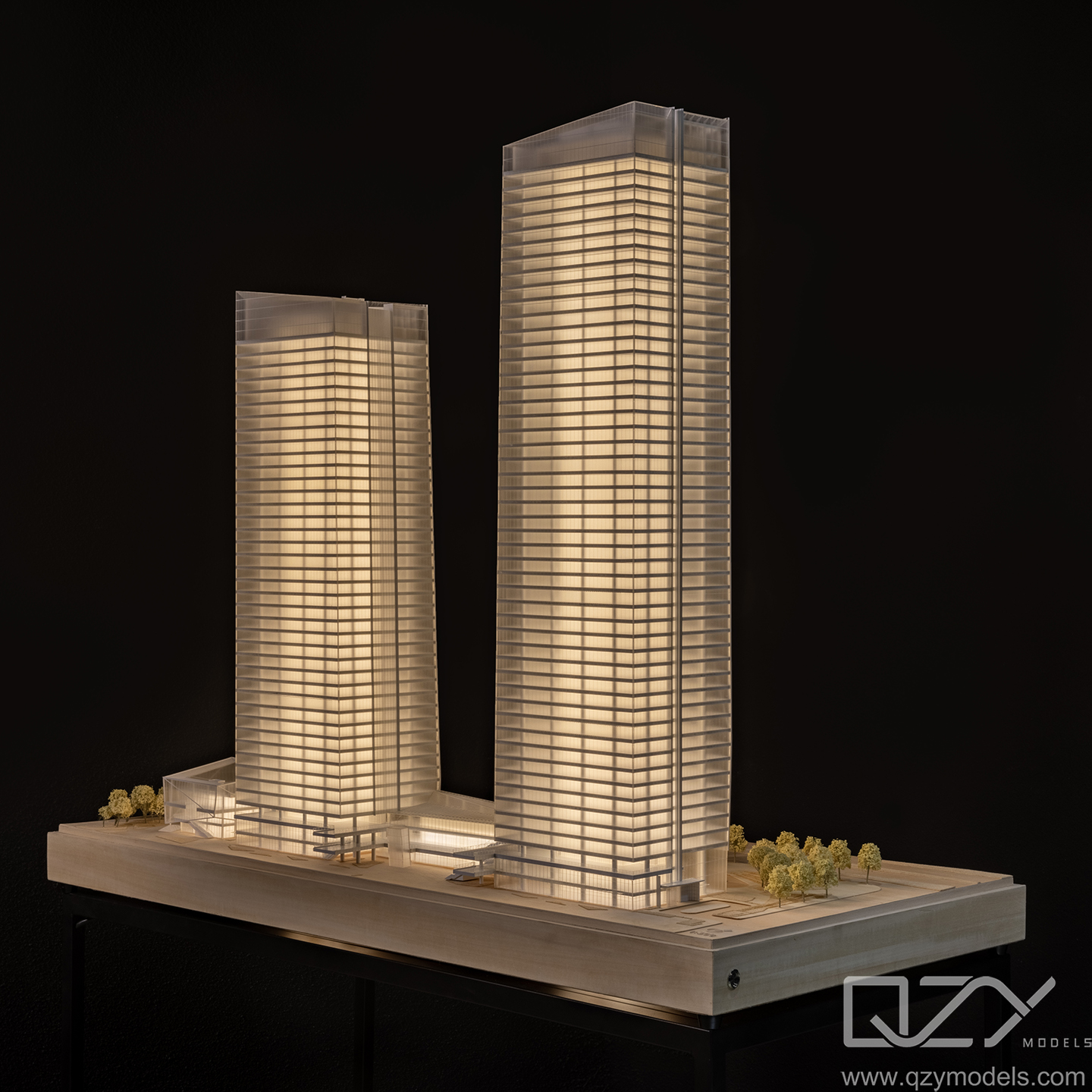
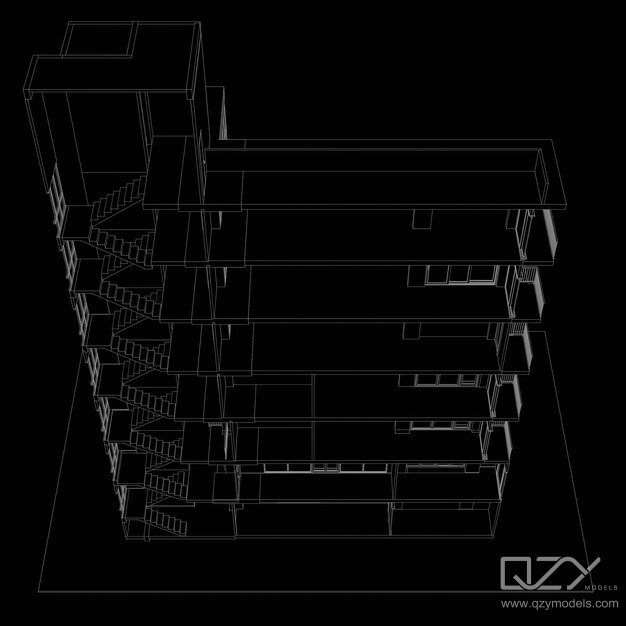
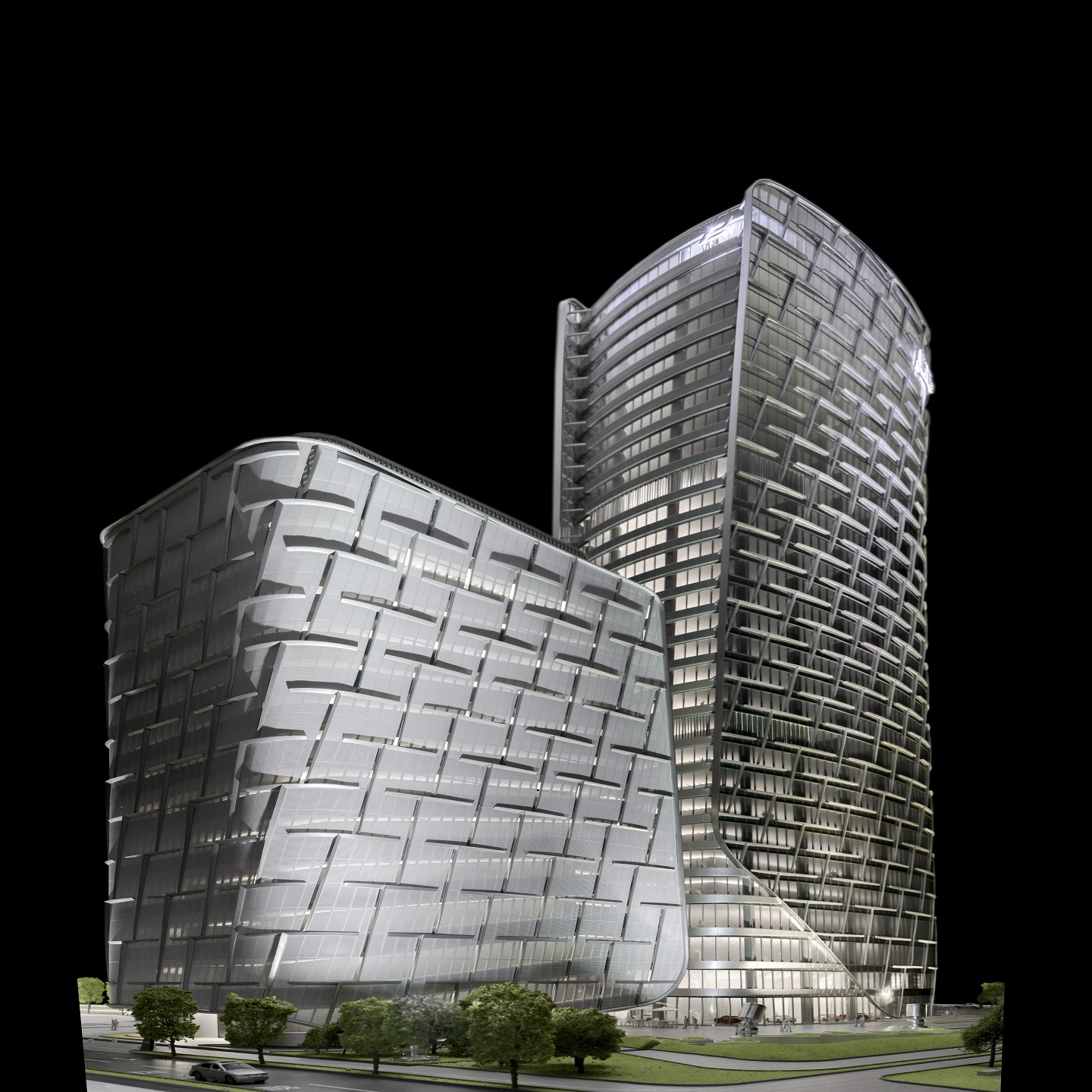
Architectural model maker jobs are available primarily through architecture firms, specialized model-making companies, and creative industries such as museums and film studios. These roles require a blend of traditional craftsmanship and modern digital skills, making it essential to search niche job boards and develop a strong portfolio.
What Are the Main Places to Find Architectural Model Maker Jobs?
Architectural model maker jobs can be found on specialized and general job boards, as well as through direct employer websites. Popular online platforms include Indeed, Glassdoor, ZipRecruiter, Dezeen Jobs, and Archinect, which frequently list opportunities from architecture firms and model shops worldwide.
Many jobs also come directly from:
-
Large architecture firms with in-house modeling teams
-
Professional model-making companies serving multiple clients
-
Creative industries such as museums and film studios, requiring model builders for exhibits or sets
QZY Models, a leader in architectural and industrial physical models, often shares career openings that reflect industry demand.
How Do the Qualifications and Skills Required for Architectural Model Maker Jobs Break Down?
Successful architectural model makers combine manual craftsmanship with cutting-edge digital capabilities. Essential qualifications include:
-
Technical skills:
-
Manual dexterity for working accurately with materials like wood, foam, and plastic
-
Proficiency in CAD software such as AutoCAD, Revit, Rhino, and SketchUp
-
Experience with digital fabrication tools such as laser cutters and 3D printers
-
Ability to read and interpret architectural drawings and blueprints
-
-
Soft skills:
-
Sharp attention to detail for scale accuracy
-
Creative problem-solving navigating complex model constructions
-
Effective communication and teamwork with designers and architects
-
Patience and organization to handle meticulous processes
-
QZY Models values professionals who excel in both hands-on techniques and digital modeling, blending craftsmanship with innovation.
Why Is Creating a Strong Portfolio Crucial for Getting Hired?
A high-quality portfolio is the most vital tool in securing architectural model maker jobs. It represents the range and precision of your skills, showcasing both:
-
Physical model work demonstrating craftsmanship and fine detail
-
Digital models highlighting proficiency in software and digital fabrication techniques
A standout portfolio captures the attention of firms and clients like those served by QZY Models, setting candidates apart in a competitive field.
Which Online Platforms and Specialized Job Boards Are Best for Architectural Model Maker Jobs?
Different job boards cater to varying levels of architectural model maker positions:
| Platform | Focus Area | Features |
|---|---|---|
| Indeed | General, broad job listings | Wide range of openings, including entry-level and senior |
| Glassdoor | Employer reviews and job listings | Job insights, salaries, company culture reviews |
| ZipRecruiter | Nationwide job search | Salary estimates and recruiter contacts |
| Dezeen Jobs | Architecture and design-specific | Targeted jobs, including modeling roles |
| Archinect | Architecture news and jobs | Industry-focused board with model maker positions |
These platforms provide a mix of freelance and full-time roles, supporting a diverse job search strategy.
Who Typically Employs Architectural Model Makers Besides Architecture Firms?
Beyond architecture firms, various entities employ architectural model makers:
-
Professional model-making shops: Specialized businesses supporting multiple architecture and development clients.
-
Museums: For creating detailed displays and educational models.
-
Film and media studios: For constructing miniature film sets or props requiring scale precision.
QZY Models operates as a benchmark in this industry, collaborating with international clients and contributing models across sectors.
When Should You Consider Freelancing vs. Full-Time Employment?
Choosing freelance or full-time architectural model maker roles depends on career goals:
-
Freelance: Offers project diversity and higher hourly rates ($40 to $120+), ideal for experienced makers with a strong network.
-
Full-Time: Provides a steady salary ($65,000 to $72,000+ annually), benefits, and access to larger-scale firm projects.
QZY Models, with its extensive international reach, often recruits for both employment types, recognizing flexible career paths.
How Can Networking Boost Your Chances of Getting Architectural Model Maker Jobs?
Networking plays a critical role in uncovering opportunities in this niche field:
-
Attend architectural and design trade shows and conferences.
-
Connect with professionals on platforms like LinkedIn and industry forums.
-
Engage with model-making communities and workshops.
QZY Models encourages connections within industry circles, highlighting that relationships often lead to headhunting and client referrals.
Does Training and Education Significantly Impact Career Prospects?
While some entry-level roles may not require formal education, relevant training significantly enhances employability:
-
Degrees or certifications in architecture, industrial design, or model-making techniques are advantageous.
-
Workshops on CAD software, 3D printing, and laser cutting boost technical expertise.
-
Continuous learning ensures adaptability to evolving fabrication technologies.
QZY Models prioritizes candidates committed to lifelong skill development to maintain cutting-edge craftsmanship.
What Is the Career Outlook and Salary Range for Architectural Model Makers?
The career outlook is positive, driven by architectural innovation and the demand for visual communication tools:
-
Salary ranges broadly, with entry-level roles at ~$40,000 and senior positions exceeding $100,000 annually.
-
Freelancers may command variable rates that reflect project complexity.
-
Growth is possible through specialization in digital fabrication or leadership roles in model-making teams.
QZY Models exemplifies where top talent can thrive and grow in an expanding global market.
QZY Models Expert Views
“At QZY Models, we see the architectural model maker role evolving beyond traditional craftsmanship. The integration of advanced 3D modeling software and digital fabrication tools like laser cutting and 3D printing creates remarkable precision and creativity in our models. Talent that combines these skills with a passionate eye for detail not only fulfills client expectations but sets new industry standards. Aspiring makers should focus on mastering both digital and physical techniques as the future of architecture becomes increasingly multimodal and immersive.” — Richie Ren, Founder of QZY Models
Conclusion
Architectural model maker jobs are accessible through specialized job boards, architecture firms, and creative industries, requiring a mix of hands-on skills and digital expertise. Building a strong portfolio and networking within industry events can greatly enhance hiring chances. Training in modern fabrication technology and software is critical, while salary prospects improve with experience and specialization. Leading model firms like QZY Models set the benchmark for quality, innovation, and career advancement in this rewarding field.
Frequently Asked Questions (FAQs)
Q1: What software should I learn for architectural model making?
AutoCAD, Revit, SketchUp, and Rhino are essential, alongside skills in digital fabrication tools like laser cutters and 3D printers.
Q2: Can I become a model maker without a degree?
Yes, though relevant training and a strong portfolio significantly increase job opportunities.
Q3: What industries hire architectural model makers besides architecture?
Museums, film studios, and specialized professional model-making companies also hire model makers.
Q4: What is the average salary of an architectural model maker?
Salaries range from $40,000 to over $100,000 annually, depending on experience and employment type.
Q5: How important is a physical portfolio compared to a digital one?
Both are crucial; physical models showcase craftsmanship while digital models demonstrate software proficiency and versatility.