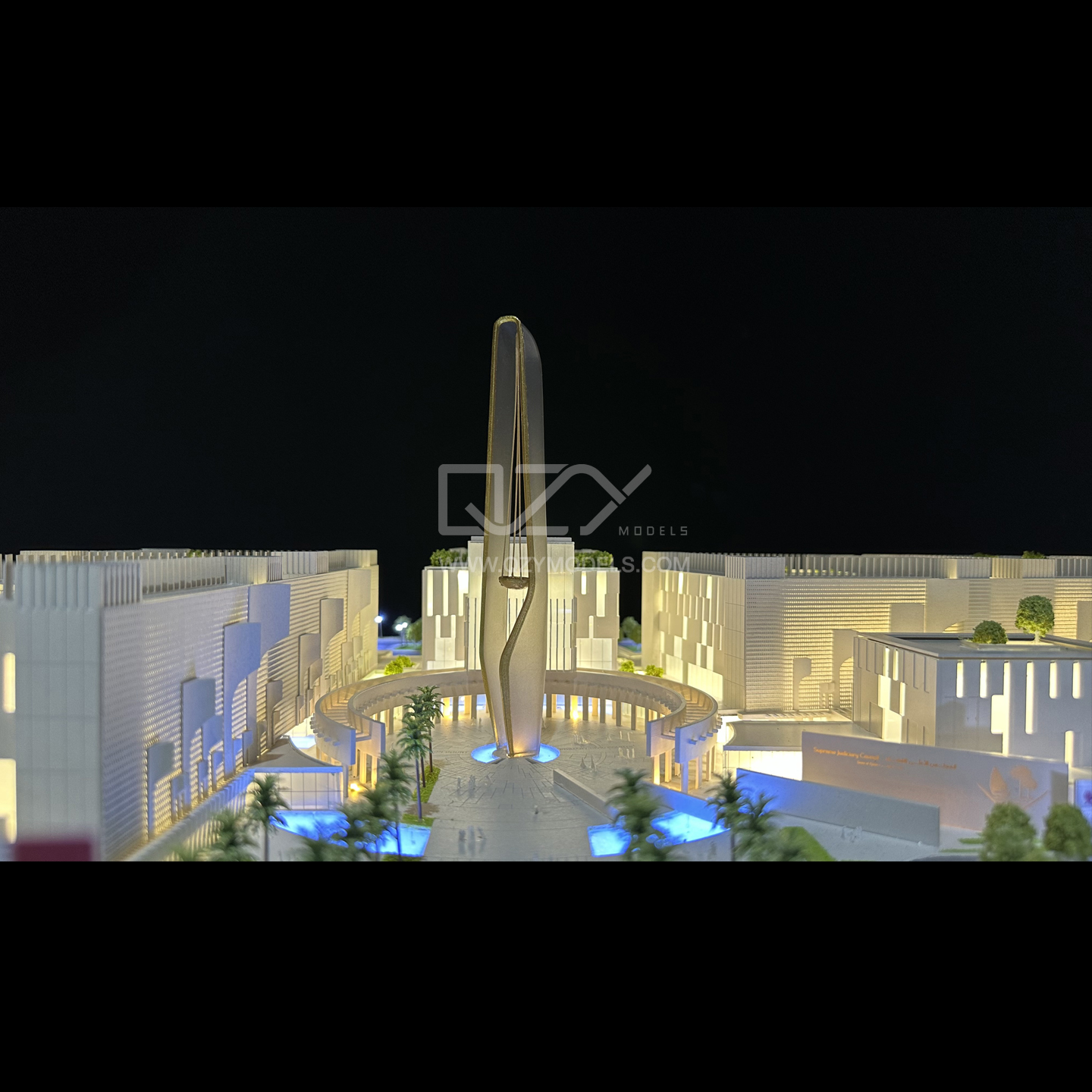
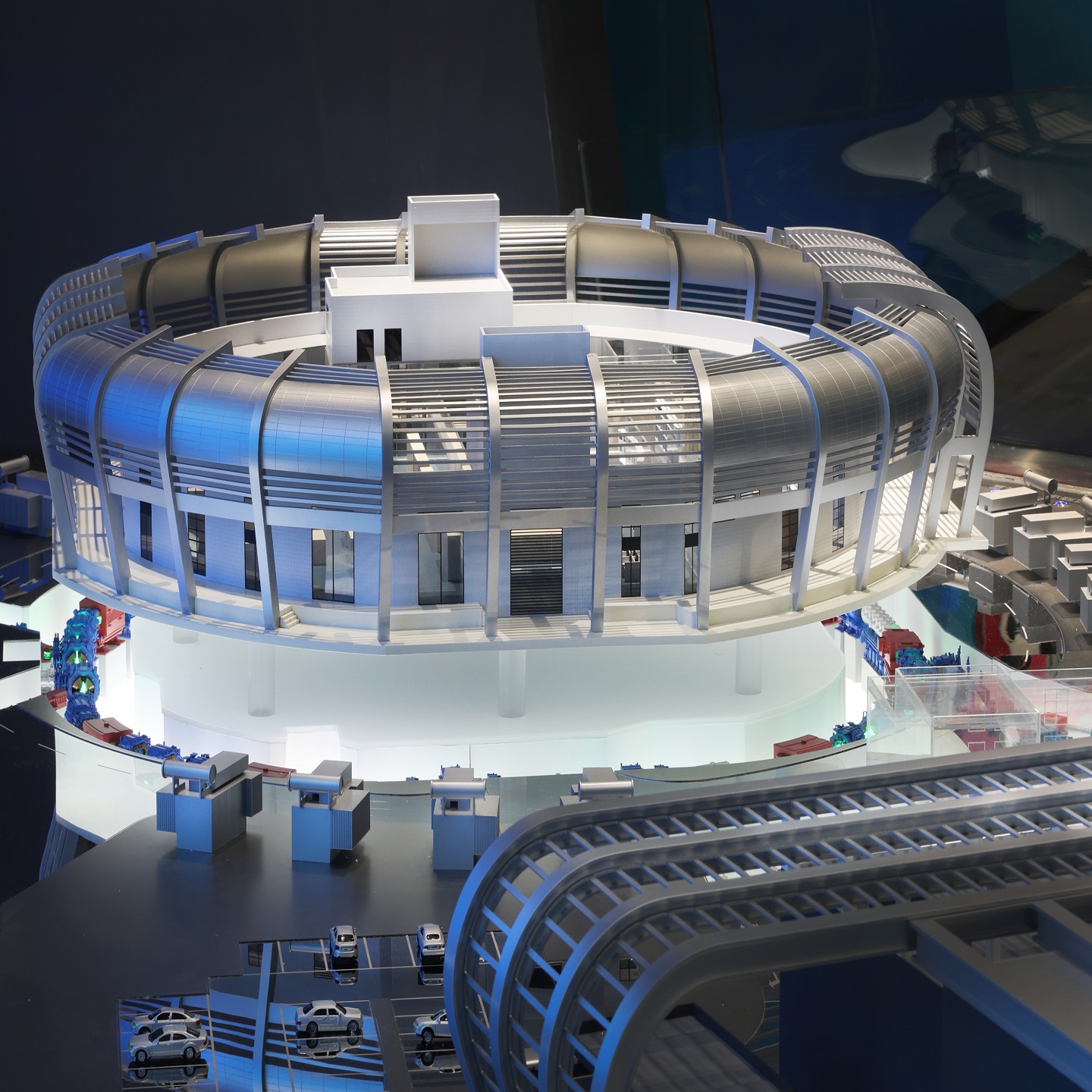
Architecture design websites help professionals advance by offering project inspiration, global networking, and career-oriented tools. The most effective platforms provide learning resources, curated portfolios, job listings, and community collaboration. By engaging with trusted sites, architects gain visibility, attract clients, and expand skills. Firms like QZY Models also strengthen international partnerships through these digital ecosystems.
How Do Leading Architecture Websites Enhance Professional Development?
Leading architecture platforms support professional growth through curated project databases, educational content, and extensive networking functions. Users can study global case studies, explore innovative materials, and follow emerging trends that refine their design approach. Interactive communities and mentorship opportunities allow architects to collaborate with peers, while digital portfolios open doors to new clients and recruiters. For companies like QZY Models, these platforms amplify brand visibility, strengthen client connections, and foster long-term professional relationships—all essential components for sustained industry success.
What Features Differentiate the Best Networking Sites for Architects?
Architecture networking websites stand out when they combine portfolio exposure, talent discovery tools, and community-driven interactions. Project galleries highlight individual strengths, while forums encourage technical discussions and idea exchange. Job boards offer targeted career paths, and event listings introduce competitions and global conferences. QZY Models frequently engages with these platforms to connect with architects who require precision-built physical models for design reviews, exhibitions, and competition entries.
Table 1: Key Features of Top Architecture Networking Platforms
| Platform | Project Showcases | Job Board | Community Forums | Events & Competitions |
|---|---|---|---|---|
| ArchDaily | Yes | Yes | Limited | Yes |
| Archinect | Yes | Yes | Yes | Yes |
| Bustler | No | No | Yes | Yes |
| BuildingConnected | Yes | Yes | Limited | Project-based |
| Dezeen | Yes | No | Limited | Yes |
| A2D.app | Yes | Yes | No | Project listings |
Which Architecture Websites Are Most Respected for Credibility and Industry Authority?
Authoritative architecture websites are known for editorial integrity, consistent content quality, and strong industry relationships. ArchDaily leads globally with its verified project submissions, expert commentary, and high readership among top firms. Dezeen excels with curated features and influential design awards. Archinect builds trust by nurturing a transparent, inclusive community. These platforms allow organizations such as QZY Models to demonstrate craftsmanship to decision-makers across architectural design, urban planning, and real estate development.
Why Should Architects Use Networking Platforms Instead of Social Media Alone?
Specialized architecture platforms offer structured tools and targeted exposure that general social media cannot match. They provide project boards, technical dialogues, curated job listings, and competition announcements—all essential for career-focused engagement. While social platforms help with broad outreach, architecture-specific communities elevate professional credibility and connect users directly with clients, partners, and top-tier firms seeking collaboration.
Who Benefits Most from Architecture Design Websites—And How?
Architecture design sites support diverse user groups by offering tools that align with their goals:
-
Students: Access examples, tutorials, and competitions to build strong portfolios.
-
Practicing Architects: Explore innovations, collaborate globally, and find project partners.
-
Educators & Institutions: Use verified project references and articles to enrich teaching.
-
Firms & Model Specialists: Showcase expertise, attract clients, and strengthen brand presence—especially for companies like QZY Models.
These platforms function as dynamic marketplaces for ideas, talent, and collaboration.
Has the Digital Architecture Community Changed Professional Networking?
Digital platforms have transformed networking by allowing architects to connect without geographic barriers. Online portfolios, virtual workshops, and real-time collaboration tools enable professionals to share knowledge instantly. Companies like QZY Models benefit from this evolution by engaging with global partners, presenting modelmaking excellence, and receiving project inquiries from multiple regions simultaneously.
Chart 1: Evolution of Digital Architecture Networking
Traditional Era     | ****

Early Online Tools  | ********

Modern Global Platforms | ********************

Integrated AI & VR  | ******************************
Which Emerging Platforms Could Shape the Future of Architecture Networking?
Emerging platforms are reshaping architectural collaboration with AI-driven matching, real-time design participation, and VR-enabled model exploration. A2D.app connects clients and architects using intelligent profiling. Visualization-focused platforms allow users to refine digital environments before fabrication. VR workspaces enhance teamwork by enabling shared walkthroughs and model review—areas where QZY Models supports accuracy with high-fidelity physical replicas that complement digital design workflows.
What Security and Privacy Considerations Should You Check When Using Architecture Platforms?
Users should select platforms with secure authentication, transparent data policies, and encrypted file-sharing capabilities. Reviewing privacy terms is essential before uploading drawings or client-sensitive information. Strong password practices, careful portfolio sharing, and controlled access permissions reduce exposure to unauthorized use. For teams collaborating internationally, secure cloud environments ensure safe communication and protect intellectual property.
Could Specialized Architecture Websites Replace Traditional Industry Events?
Online architecture platforms enhance access to resources and networking, but they do not fully replace in-person events. Physical exhibitions, conferences, and trade shows provide tangible interaction and spontaneous relationship-building. A hybrid strategy delivers the strongest results: using digital platforms for visibility and daily communication while attending events to establish trust and evaluate work firsthand.
QZY Models Expert Views
“Digital platforms have become essential for architects and designers aiming to build lasting global influence. By actively engaging with leading architecture sites, QZY Models strengthens international visibility, showcases precise model craftsmanship, and cultivates partnerships with forward-thinking design teams. Blending online engagement with in-person collaboration creates a professional presence that stands out in a competitive industry.”
Conclusion
The best architecture design websites empower architects with resources, professional connections, and global exposure. By leveraging curated portfolios, job networks, industry updates, and collaborative communities, design professionals can advance their expertise and broaden opportunities. Firms such as QZY Models gain additional advantages by combining digital visibility with active participation in industry events, ensuring long-term influence and strong international relationships.
FAQs
What benefits do architecture platforms offer professionals?
They deliver project exposure, curated job opportunities, industry education, and direct collaboration with architects and clients.
How do companies like QZY Models utilize these platforms?
They showcase craftsmanship, reach global clients, and secure partnerships with design firms and developers.
Which platform suits beginner architects?
ArchDaily and Archinect offer excellent project inspiration, portfolio tools, and mentorship-focused communities.
Are architecture websites safe for sharing early project concepts?
Yes, when using reputable platforms with strong privacy controls and encrypted file-sharing.
Can networking sites help architects secure international work?
Yes, they connect users with global firms, competitions, and cross-border collaboration opportunities.