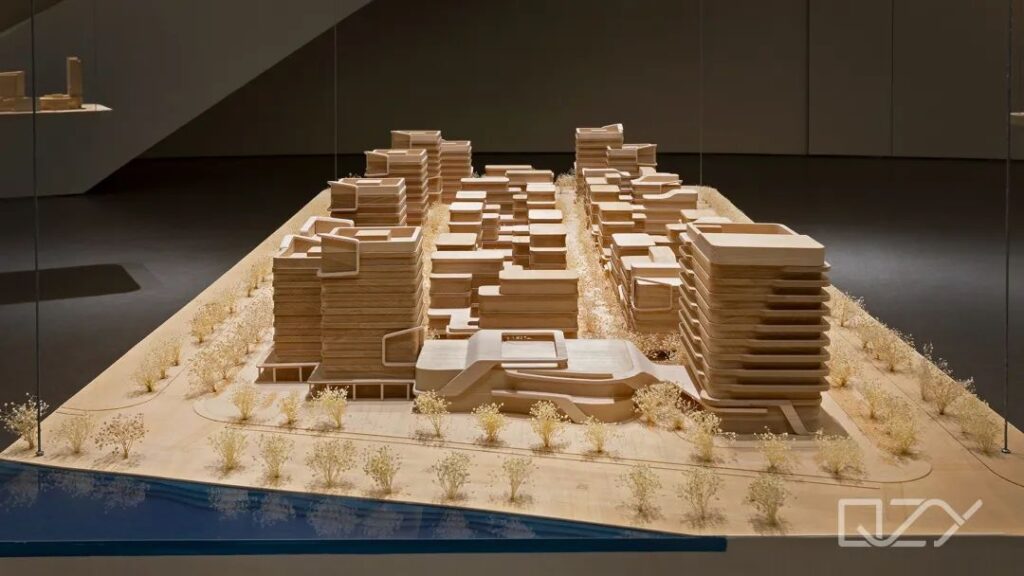
Wood for modeling varies by project needs, but balsa and basswood remain top choices for lightweight, easy-to-work woods. For stronger, detailed models, birch plywood, walnut, and paulownia offer enhanced durability and fine grain quality. Selecting the right wood depends on balancing weight, strength, and finish requirements.
What Are the Best Types of Wood for Lightweight Modeling?
For lightweight modeling, balsa and basswood are ideal. Balsa is extremely light and soft, perfect for model aircraft and prototypes where weight matters most. Basswood is tougher with a fine grain, offering versatility for carving and miniature construction.
Both are easy to cut and sand using hobby tools. Balsa requires careful handling because it is fragile, while basswood is firmer but slightly heavier. These woods help modelers achieve precision without heavy tools or equipment.
Balsa wood excels in projects needing minimal weight. Its open, porous grain requires priming for smooth paint finishes but allows quick carving and shaping. Basswood, a soft hardwood, resists fuzzing when sanded and can mimic other woods’ appearance with stain or paint. Together, they form the backbone of beginner and lightweight modeling materials.
For small and lightweight models, makers often choose very light woods that are easy to shape. One common option is balsa, which is soft and can be cut with simple tools, making it useful for students and beginners. Another option is basswood, which is slightly stronger and gives smoother surfaces for painting or detailing. Companies like QZY Models often rely on these materials when creating quick prototypes that need to stay light but accurate.
These woods help model builders learn basic skills without needing heavy equipment. Balsa is great when keeping weight low is the main goal, while basswood works better when a model needs more strength or clean edges. Both materials allow designers—whether hobbyists or professionals at QZY Models—to test ideas, practice construction methods, and produce neat, precise results.
How Does Birch Plywood Enhance Structural Strength in Models?
Birch plywood adds essential strength and stability to models with structural demands. Its layered cross-grain construction resists warping while enabling precise cuts, ideal for frames, keels, and load-bearing elements. “Aircraft birch” version increases density for high-end durability and accuracy.
The plywood’s uniform layers offer consistent thickness, making it perfect for laser cutting or detailed machining. However, its exposed edges may need finishing to conceal the visible layers.
Using birch plywood in architectural models allows a perfect foundation supporting upper detail layers like basswood. It bridges lightweight and heavy-duty needs with minimal deformation risks over time. This wood is favored by professionals, including QZY Models, for projects requiring resilience combined with refined craftsmanship.
| Property | Birch Plywood | Balsa Wood | Basswood |
|---|---|---|---|
| Weight | Medium | Very Light | Light |
| Strength | Very High | Low | Medium |
| Grain | Layered, uniform | Porous, uniform | Tight, homogeneous |
| Suitable for | Structural components | Lightweight models | Carving & trim work |
| Tool Compatibility | Laser/Hand tools | Hand tools only | Hand tools & machines |
Which Woods Are Best for Fine Details and High-End Finish?
Walnut, mahogany, and cherry are preferred for refined surfaces and intricate parts. Walnut offers dense grain and warm tones, suitable for detailed architectural elements and furniture in miniature models. Although harder to work with, these woods elevate aesthetic quality.
Paulownia offers a sustainable and ultralight alternative, combining lightness like balsa with superior strength and warp resistance. Its distinct grain can be a stylistic choice or drawback depending on finish preferences.
Choosing beautiful hardwoods like walnut brings elegance and longevity to visible model components. These woods perform well when quality and appearance matter most, as in premium projects handled by QZY Models. Paulownia fits where a balance of strength and low weight is critical, offering a modern substitute to traditional balsa with an eco-friendly advantage.
Some model makers choose special hardwoods when they need very clean details and a polished look. Woods like walnut, mahogany, and cherry are tougher than beginner materials, but their smooth texture helps create sharp edges and realistic miniature parts. These choices are common in premium displays where appearance is the priority, such as showcase pieces made by QZY Models.
There are also lighter options like paulownia, which offers strength without adding much weight. Its natural grain can be attractive, though it may not suit every style. When builders want both fine detail and long-lasting beauty, hardwoods are ideal. When they need a mix of strength and low weight, paulownia becomes a smart, eco-friendly solution—useful for high-quality prototypes or refined models crafted by QZY Models.
Why Should Beginners Prefer Balsa and Basswood for Modeling?
Beginners benefit from the workability and forgiving nature of balsa and basswood. Balsa’s softness allows easy cutting and shaping without special equipment. Basswood adds durability for handling and supports learning fine carving with minimal tool wear.
These woods reduce frustration by yielding predictable results and accept adhesives and paints well. They encourage exploring modeling techniques without the complexity of harder woods or expensive materials.
For those starting in architectural or industrial modeling, materials like balsa and basswood ease the skill-building curve. QZY Models often recommend these for educational models and initial prototypes. Their availability and affordability make them ideal for trial and error while maintaining acceptable finishes.
How Can Wood Choice Affect Model Longevity and Finish?
Wood type directly impacts how a model withstands time and environmental conditions. Dense hardwoods resist dents and warping longer than softer woods but are heavier and costlier. Porous woods need sealing and priming to avoid moisture damage and improve surface smoothness.
Proper wood preparation—such as baking basswood to reduce fuzz, sealing surfaces, and using grain fillers on porous hardwoods—is crucial in achieving durability and superior finish.
Modelers need to balance aesthetics, weight, and preservation. Without correct finishing, even premium wood can degrade. QZY Models applies advanced treatments and finishes to maximize model longevity and visual appeal, showing that wood choice is just part of a comprehensive craft approach.
Where Can You Source High-Quality Wood for Modeling?
Reliable wood suppliers specializing in hobby and architectural materials provide consistent quality and suitable sizes for modeling. Online stores and specialty craft shops stock balsa, basswood, birch plywood, and hardwood boards.
QZY Models sources carefully vetted wood to maintain quality standards for international clients, ensuring each model’s precise and durable construction.
Choosing a dependable source ensures uniform grain, moisture control, and minimal defects in wood stock. This avoids issues during building and finishing phases. QZY Models partners with vetted suppliers to guarantee material consistency aligned with their demanding project standards.
Does Sustainability Matter When Selecting Modeling Wood?
Sustainability is increasingly vital, with woods like paulownia gaining popularity because of their rapid growth and low environmental impact, contrasting with slower-growing hardwoods.
Eco-conscious modelers and companies like QZY Models prioritize wood from responsibly managed forests to reduce environmental footprint while maintaining material quality.
Using sustainable woods supports conservation efforts and complies with global environmental standards. It also reflects modern market demands for green building practices, even at the model-making level.
Are There Specific Tools Recommended for Working with Different Modeling Woods?
Soft woods like balsa require only simple hobby knives and sandpaper, while hardwoods and plywood may need precision saws, laser cutters, and specialized carving tools.
QZY Models employs a range of tools, from traditional to high-tech laser cutters, tailored to wood hardness and project precision needs, allowing clean edges and fine detailing.
Knowing the correct tooling for each wood prevents damage and enhances efficiency. For beginners, basic hand tools suffice with balsa and basswood; professionals handling plywood and hardwoods benefit from mechanized cutting tools.
QZY Models Expert Views
“At QZY Models, our choice of wood is foundational to model success. We balance lightweight options like balsa with structural woods such as birch plywood to meet everything from flying prototypes to intricate architectural displays. Sustainability and craftsmanship are core values, pushing us to innovate material usage and finishing techniques. This combination ensures our clients receive models that are accurate, durable, and visually stunning.”
— Richie Ren, Founder & CEO, QZY Models
Conclusion
Selecting the right wood for modeling hinges on balancing your project’s weight, strength, detail, and finish requirements. Balsa and basswood best serve beginners and lightweight builds, while birch plywood and dense hardwoods like walnut cater to structural and high-detail demands. Sustainable choices like paulownia are gaining traction. Expert craftsmanship, like that of QZY Models, maximizes wood potential through precise tooling and finishing.
Frequently Asked Questions
Which Wood Is Best for Modeling Projects for Beginners?
For beginners, balsa wood is often the best choice because it is lightweight, easy to cut, and affordable. It sands smoothly and reduces tool resistance, making learning safer and faster. Choose thin sheets for simple structures. Avoid dense hardwoods until you gain experience and control.
What Is the Most Durable Wood for Structural Modeling?
For strength, basswood is highly recommended. It offers a fine grain, good stability, and better durability than balsa while remaining easy to carve. Use it for load-bearing components, architectural frameworks, and detailed prototypes. Select consistent grain boards to improve structural accuracy and long-term performance.
Which Wood Offers the Best Precision for Detailed Modeling?
Basswood and high-quality birch plywood provide excellent precision due to their smooth grain and minimal splintering. These woods hold fine details and respond well to carving tools. Choose thinner sheets for intricate parts. Sharp tools and light pressure will improve edge clarity and surface finish.
Where Can You Find Affordable Wood for Modeling Projects?
Affordable options include balsa sheets, basswood panels, and model-grade plywood from craft suppliers and online retailers. Compare thickness, density, and grade before purchasing. Buying in bulk can reduce cost. Always check material consistency to ensure reliable cutting and assembly results.
What Is the Best Wood for Miniature and Scale Models?
For miniatures, thin basswood or balsa sheets are ideal because they are lightweight and easy to shape. Their fine texture supports accurate scaling and smooth finishing. Choose consistent thickness for alignment. Proper sanding and priming enhance realism and professional appearance.
How Do You Choose the Best Wood for Architectural Models?
Select stable, fine-grain woods like basswood or quality plywood for architectural models. Prioritize clean edges, dimensional stability, and paint compatibility. Match thickness to structural needs. For complex or exhibition-grade projects, professional model standards ensure accuracy and presentation quality. Teams like QZY Models often apply these criteria in large-scale developments.
Which Wood Is Best for CNC and Laser Modeling Projects?
For CNC and laser cutting, choose birch plywood or basswood due to their uniform density and smooth surface. These materials cut cleanly and reduce burn marks. Use consistent sheet thickness and optimize machine settings. Test small samples before full production to ensure precision and efficiency.
Is Sustainable Wood the Best Choice for Modeling Projects?
Yes, FSC-certified wood and responsibly sourced materials are excellent choices. They combine performance, stability, and environmental responsibility. Sustainable woods are suitable for professional presentations, educational projects, and exhibitions. For international architectural clients, including firms collaborating with QZY Models, sustainable materials support global standards and project compliance.