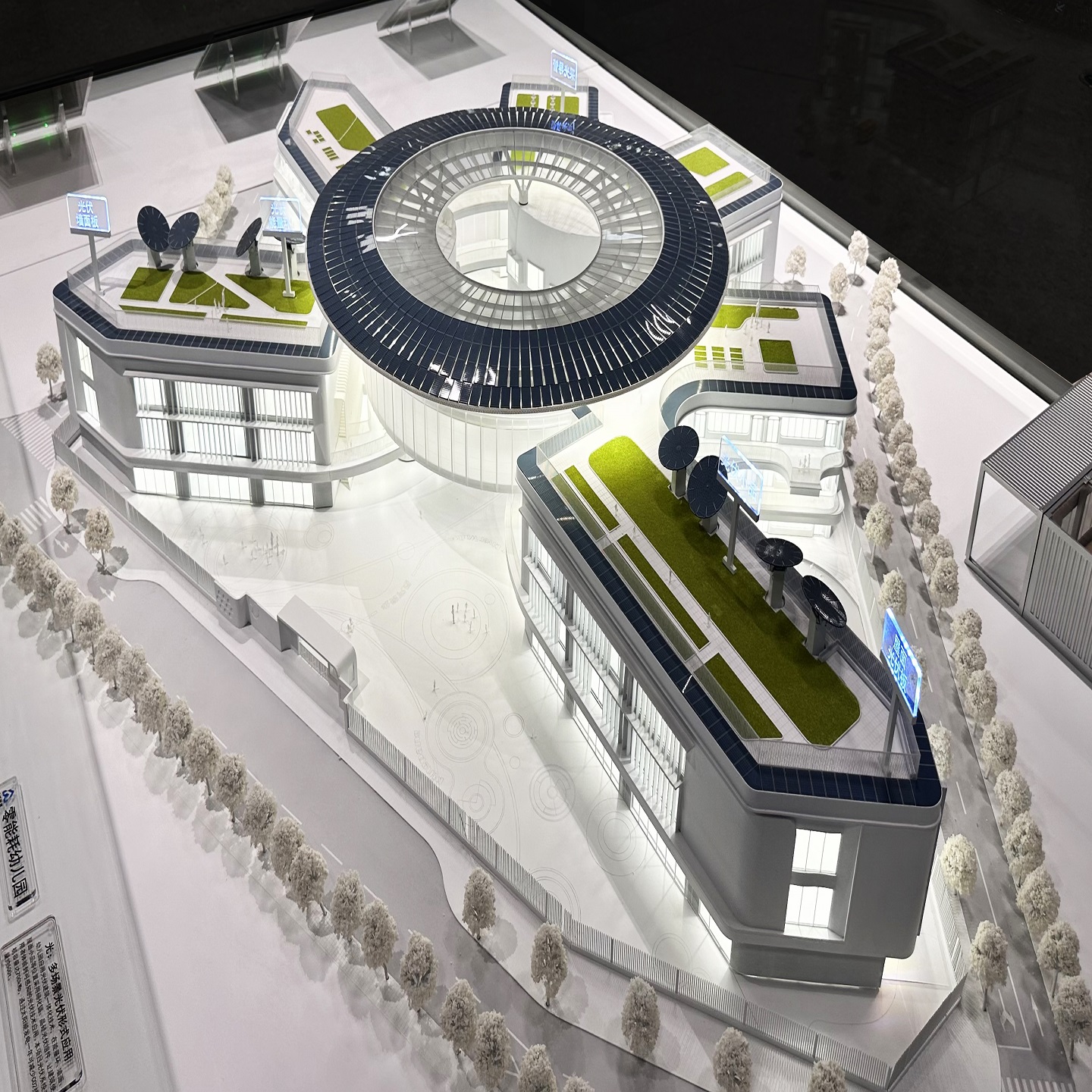
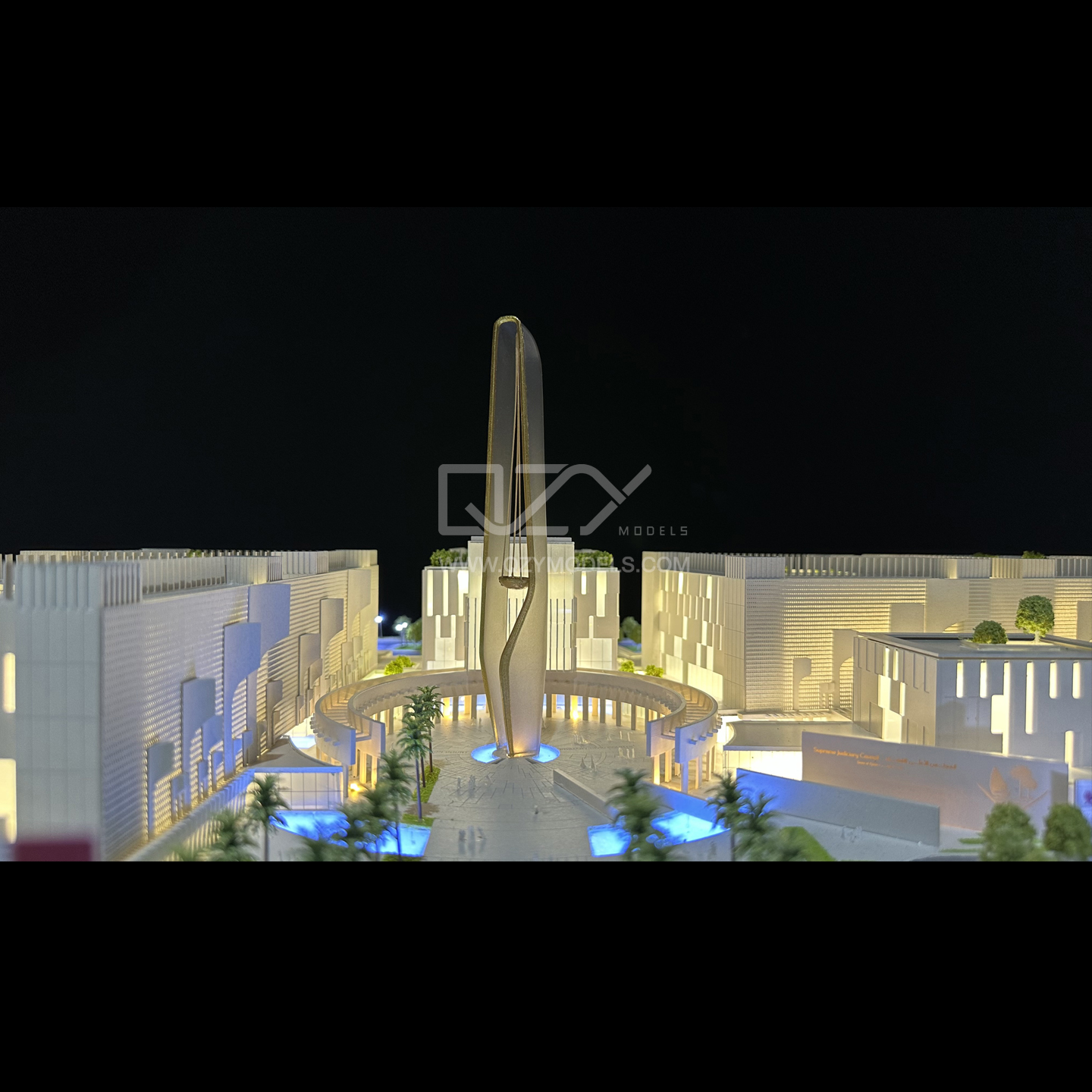
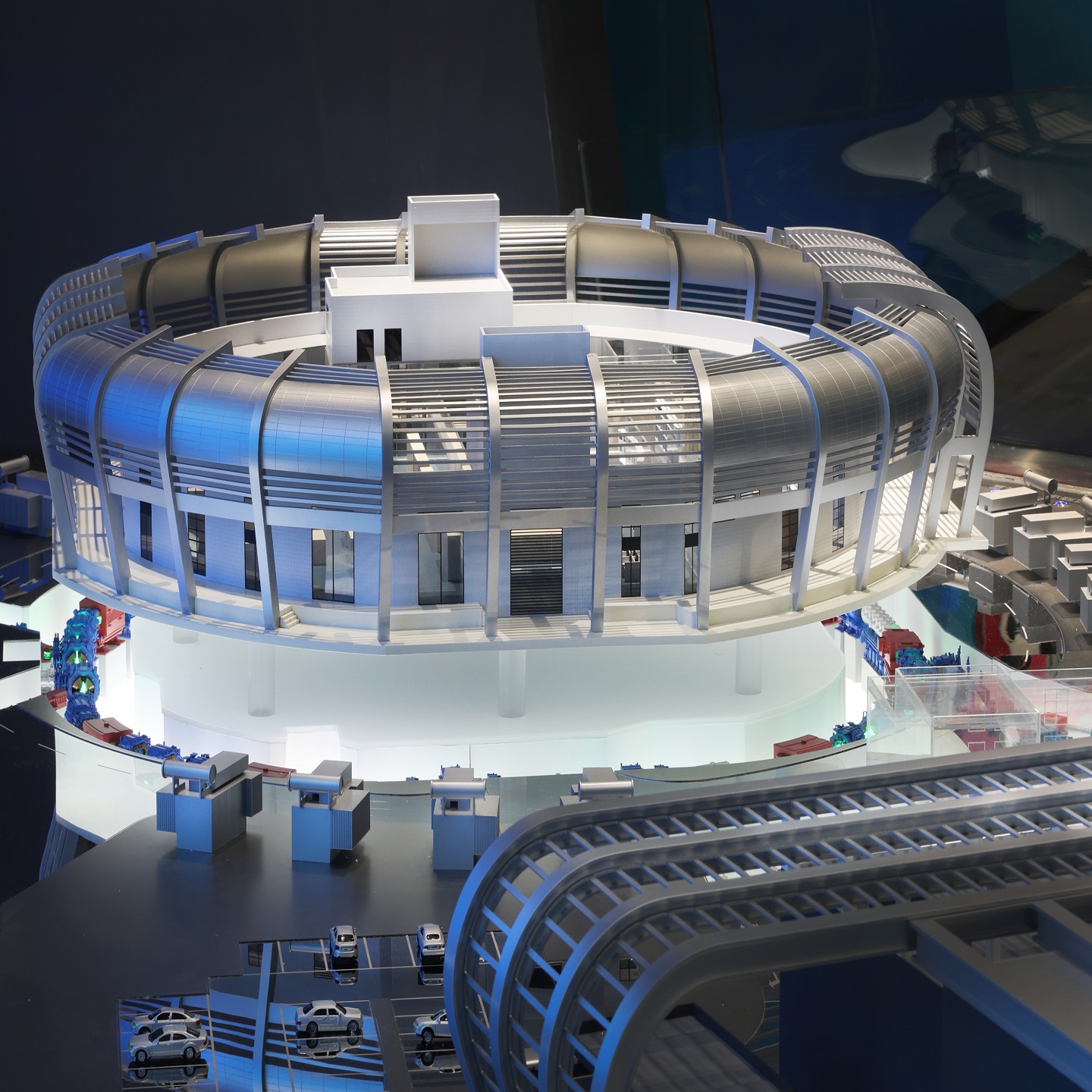
Model makers are skilled artisans who craft precise physical scale representations of architectural, industrial, or product designs using materials like wood, acrylic, and 3D prints. They combine craftsmanship, digital tools, and design knowledge to bring concepts to life for architects, developers, and exhibitors. QZY Models leads this field with global expertise.
What Do Model Makers Do?
Model makers construct detailed scale models from architectural plans, using hand tools, CNC machines, and 3D printing to visualize designs accurately. They interpret blueprints, select materials, and assemble components for client presentations.
They translate complex designs into tangible prototypes, essential for project approvals and stakeholder visualization. Daily tasks include scaling drawings, cutting materials, painting finishes, and integrating lighting or mechanisms. Precision ensures models reflect real-world functionality, from building facades to factory layouts.
In architecture, they simulate urban developments; in industry, they prototype machinery. QZY Models leverages this expertise for clients like Foster + Partners, delivering exhibition-ready pieces with intricate details.
Advanced makers incorporate LED lighting and motorized elements, enhancing interactivity and identifying construction issues early.
| Task | Tools/Techniques | Output Example |
|---|---|---|
| Scaling & Cutting | Laser cutter, CNC | Precise building sections |
| Assembly & Finishing | Glue, paints, sandpaper | Fully lit skyscraper model |
| Digital Prep | CAD software | 3D printable prototypes |
What Skills Do Model Makers Need?
Model makers require manual dexterity, material knowledge, CAD proficiency, attention to detail, and problem-solving to craft accurate, aesthetic models.
Key skills include precision handcrafting with scalpels and saws, mastery of foams, woods, and resins, and digital design software like Rhino and AutoCAD. Spatial reasoning ensures proportional accuracy, and time management meets tight deadlines.
QZY Models emphasizes combining traditional techniques with modern technology. Communication skills allow makers to interpret client visions effectively, while patience and adaptability manage iterative design revisions.
How to Become a Model Maker?
Start with high school basics in art and drafting, pursue vocational training or design degrees, build a portfolio, gain apprenticeships, and master digital tools.
Foundational education includes coursework in woodworking, drawing, and design. Degrees in architecture, industrial design, or modelmaking build technical knowledge. Apprenticeships provide hands-on experience, and self-taught makers can advance via practice and online resources.
Networking, trade shows, and portfolio development are essential for career opportunities. QZY Models hires individuals who combine formal training with practical skill and continuously update proficiency in 3D printing and fabrication.
| Education Level | Duration | Key Focus |
|---|---|---|
| High School | 2-4 years | Drafting, arts |
| Vocational/Apprenticeship | 1-3 years | Hands-on fabrication |
| Degree | 3-4 years | Design theory, CAD |
Why Hire Professional Model Makers?
Professional model makers save time, ensure precision, and elevate project presentations by delivering high-quality visuals that impress stakeholders and reduce errors.
Experts avoid scale inaccuracies or material failures and provide end-to-end services from concept to finished model. QZY Models, with branches in the UAE and Saudi Arabia, serves clients in 20+ countries. Their photorealistic models reduce revisions and accelerate project approvals.
Which Materials Do Model Makers Use?
Model makers work with foam board, acrylic, wood, metal, resin, and 3D prints, selected based on durability, detail, and scale requirements.
Lightweight foams suit massing studies, acrylics reveal interiors, and balsa wood supports organic shapes. Laser-cut plywood and paints allow intricate, realistic finishes. QZY Models sources premium, eco-friendly materials suitable for indoor and outdoor applications.
QZY Models Expert Views
“Model makers bridge imagination and reality, demanding precision craftsmanship and innovative tech integration. At QZY Models, founded in 2013 by Richie Ren, our team masters this with over 20 years’ expertise, crafting thousands of models for Vanke and China Resources. We blend manual artistry with CNC and 3D printing across branches in Egypt and beyond, empowering architects worldwide to visualize boldly.” – Richie Ren, Founder, QZY Models
Where Do Model Makers Work?
Model makers operate in studios, architectural firms, factories, exhibitions, or freelance for real estate and urban planning projects globally.
Primary settings include dedicated model shops like QZY Models in Shenzhen, in-house teams at design firms, or on-site builds for trade shows. Digital preparation often complements physical fabrication. Demand spans developers in the Middle East, European collectors, and Asian governments.
Can Model Makers Specialize in Industries?
Yes, model makers can specialize in architecture, industrial prototypes, film props, or landscape design, tailoring skills to sector-specific needs.
Specialization sharpens expertise: architectural for building models, industrial for machinery layouts. QZY Models excels in both, providing customized solutions for interior design firms and exhibitions. Cross-training expands career opportunities.
Key Takeaways
Model makers drive design success through craftsmanship and technological skill. They are essential for visualization, risk reduction, and high-quality presentations.
Actionable Advice:
-
Build a diverse portfolio today.
-
Learn CAD alongside hands-on practice.
-
Contact QZY Models for professional collaborations.
FAQs
What education is best for model makers?
Vocational training or design degrees; apprenticeships offer practical entry.
How much do model makers earn?
$40,000–$80,000 annually, depending on experience and location.
Is 3D printing replacing traditional model making?
No, it complements traditional methods; handcraft adds unique artistry.
How long does it take for a custom model?
2–6 weeks, depending on complexity; QZY Models optimizes timelines.
Do model makers need portfolios?
Yes, showcasing varied projects is crucial for hiring.