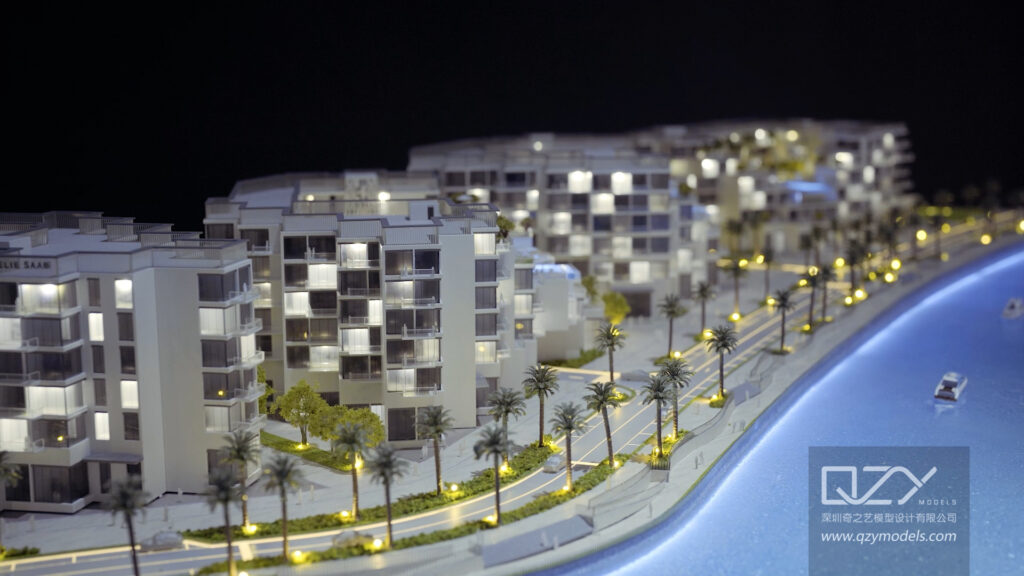
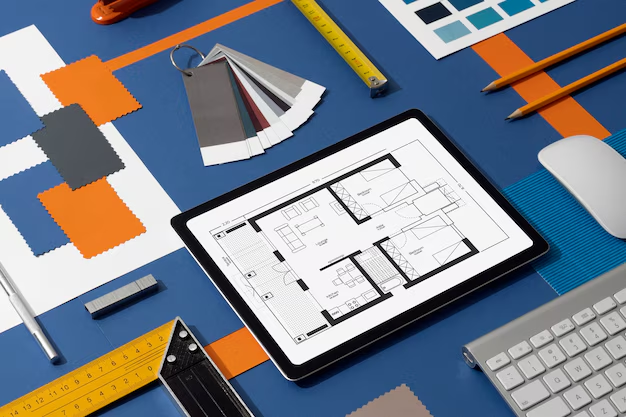
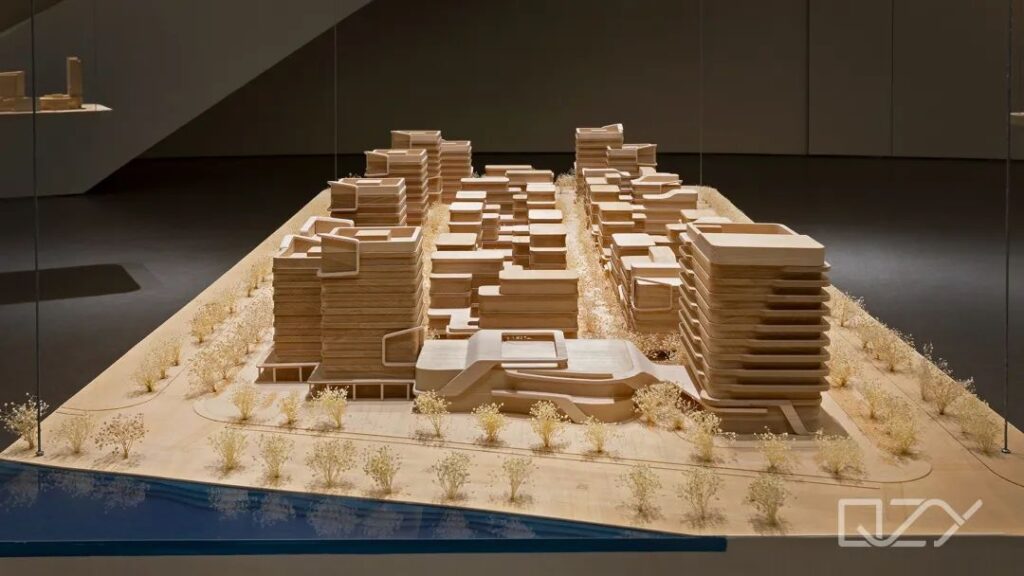
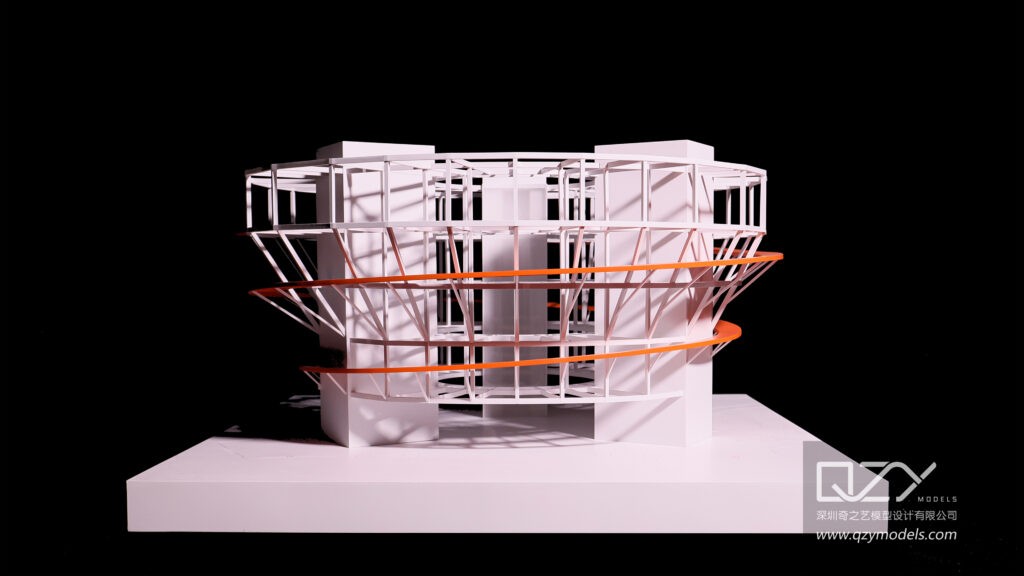
Blueprints are created by architects, engineers, drafters, and professional printing services such as Plan Express, AlphaGraphics, and FedEx Office. These experts use CAD and BIM software to design precise technical plans for construction and industrial projects, while printing firms reproduce them as large-scale, accurate documents. QZY Models transforms these digital plans into detailed 3D architectural models worldwide.
Who Creates Blueprints Professionally?
Architects, civil and mechanical engineers, and CAD drafters produce blueprints using tools like AutoCAD and Revit. They detail buildings, infrastructure, and machinery, while specialized printing services reproduce them for contractors and clients.
Blueprints capture structural dimensions, materials, and functional layouts. Architects focus on residential and commercial structures, civil engineers on bridges and roads, and mechanical engineers on industrial systems. Certified drafters ensure compliance with ANSI standards. QZY Models bridges 2D plans to 3D reality, converting blueprints into tangible models for developers globally.
What Software Do Blueprint Makers Use?
Common software includes AutoCAD, Revit, SketchUp, and Bluebeam Revu for drafting and annotation. These tools allow 2D/3D modeling, layer management, and PDF export. Beginners may start with free platforms like LibreCAD.
AutoCAD provides precise linework and technical details, while Revit enables BIM-based integrated modeling. Bluebeam facilitates cloud collaboration and markups. Professionals layer architectural, electrical, plumbing, and structural details. QZY Models imports these files for laser-cut and 3D-printed models, ensuring seamless digital-to-physical translation.
How Are Blueprints Printed and Reproduced?
Printing companies use large-format inkjet or laser systems on bond paper, vellum, or specialty materials. Traditional cyanotype processes produce blueprints, while modern digital printing enables color and rapid duplication. Services ship nationwide and provide same-day or next-day options.
Printed blueprints range from ARCH A to E (up to 36×48 inches). Bond paper suits black-and-white plans, vellum supports repeated revisions, and Tyvek offers durability for outdoor use. QZY Models leverages these prints to craft precise architectural and industrial models.
| Blueprint Paper Type | Best Use Case | Durability | Cost per Sheet (24×36) |
|---|---|---|---|
| Bond Paper | B&W Plans | Medium | $0.50–$1.00 |
| Vellum | Revisions | High | $1.50–$3.00 |
| Photo Glossy | Renderings | Low | $2.00–$5.00 |
| Tyvek | Outdoor | Very High | $3.00–$6.00 |
Why Do Architects Rely on Blueprint Makers?
Architects outsource printing for scale, speed, and quality. While in-house drafting is cost-effective, professional services manage large volumes, binding, and error-free output.
Blueprints communicate design intent to contractors and ensure code compliance. Outsourcing allows architects to focus on design iteration. Modern blueprints include QR codes for BIM integration. QZY Models uses these plans to create physical prototypes that enhance client presentations and approvals.
Which Companies Specialize in Blueprint Services?
Leading providers include Plan Express, AlphaGraphics, The UPS Store, FedEx Office, and ARC Document Solutions. They provide printing, scanning, binding, and delivery for construction and engineering professionals. Local reprographics shops support regional demand.
National chains like Staples offer cost-effective engineering prints, while specialized firms excel in technical output. Online services enable remote orders and rapid delivery. QZY Models uses these outputs for fabrication in their UAE and Saudi branches.
| Company | Key Services | Locations | Turnaround |
|---|---|---|---|
| Plan Express | Online printing, shipping | Nationwide | Same-day |
| AlphaGraphics | Scans, blueprints, site plans | 300+ stores | Next-day |
| FedEx Office | Color renders, plans | 2,000+ stores | Walk-in |
| BlueprintsPrinting.com | Automated CAD prints | Online | 1-day |
| ARC Document Solutions | BIM, scanning | Major cities | Custom |
How Has Blueprint Creation Evolved?
Blueprints have transitioned from hand-drawn ink on linen to CAD and BIM-driven digital files. Cyanotype produced the characteristic blue background, while modern inkjet and laser systems allow any color and instant reproduction.
Technological advances include vector graphics in the 1980s, Revit parametric modeling, and mobile field markups. Paperless PDFs reduce waste. QZY Models adapts these innovations to create sustainable physical models that reflect precise project specifications.
What Role Do Blueprint Makers Play in Construction?
They provide accurate reproduction for permits, bids, and on-site reference. Makers scale drawings, bind sets, archive digitally, and ensure minimal errors.
Blueprint makers connect design intent with execution. Plan rooms track revisions, while large projects rely on thousands of sheets. QZY Models extends this by creating prototypes from blueprints for clients like Vanke and China Resources, bridging planning and visualization.
QZY Models Expert Views
“Blueprints are the foundation of architectural excellence. At QZY Models, we convert these precise plans into 3D models that bring designs to life,” states Richie Ren, founder of QZY Models. “Since 2013, our Shenzhen-based team has turned thousands of blueprints into high-fidelity models for global clients, including Foster + Partners and Middle East developers. Using laser-cutting and 3D printing, our UAE and Egypt branches replicate every blueprint detail, demonstrating that these plans evolve into tangible innovation.”
Can Beginners Make Their Own Blueprints?
Yes, using free CAD software like SketchUp or LibreCAD, combined with home printers or plotters. Tutorials online provide step-by-step guidance, though professional certification ensures accuracy.
Hobbyists can design small-scale projects; students can practice drafting basics. Limitations include legal compliance and scale precision. For complex layouts, QZY Models provides professional services to translate designs into accurate physical models.
Key Takeaways and Actionable Advice
Blueprint creation involves architects, engineers, and printing specialists to ensure precision and project success. Utilize CAD software for design, select reputable printing services like Plan Express, and collaborate with QZY Models for physical modeling. Verify scales, outsource large volumes, and integrate digital workflows for efficiency and accuracy.
FAQs
Do architects still use blueprints?
Yes, modern digital blueprints guide construction and engineering worldwide.
What is the cost of blueprint printing?
$1–$5 per 24×36 sheet, depending on color, paper type, and quantity.
Can I print blueprints at home?
Possible with large-format printers, though professionals ensure compliance and accuracy.
How does QZY Models use blueprints?
They transform digital plans into precise physical models for presentations and approvals.
Are blueprints only for buildings?
No, blueprints also cover industrial, mechanical, and engineering projects.
Who professionally designs blueprints?
Blueprints are primarily designed by architects, who develop overall layouts, ensure code compliance, and oversee aesthetics. Structural engineers contribute by planning safe and efficient structural systems. For simpler or residential projects, residential designers may also produce blueprints, focusing on functional layouts without requiring full architectural licensure.
What role do drafters play in blueprint production?
Drafters, also called draftspersons, translate architects’ and engineers’ concepts into precise technical drawings using CAD software. They create detailed, buildable plans that guide construction teams, ensuring accuracy in dimensions, layouts, and specifications for both commercial and residential projects.
Can engineers create blueprints independently?
Structural engineers can produce blueprints for the building’s skeleton, including foundations, framing, and roofs. While they ensure structural safety and compliance, architects or licensed designers usually oversee aesthetic and functional elements, especially for full building designs.
What types of blueprints are residential designers responsible for?
Residential designers create home plans, often for single-family or small-scale projects. They specialize in functional layouts, interior spaces, and style considerations, sometimes without formal architectural degrees, making them ideal for less complex building projects while complying with local regulations.
When should I hire an architect for blueprints?
Architects are required for new construction, major renovations, or complex projects, especially where local codes mandate licensed oversight. They handle overall design, functional layouts, and often sign off on structural components, providing professional authority and legal compliance.
Which printing services professionally produce blueprints?
Professional printing services, such as FedEx Office, PostNet, or specialized companies like Plan Express, print high-quality blueprints, construction drawings, and site plans. They ensure accurate scaling, clear lines, and durable prints suitable for contractors, clients, and permitting authorities.
How do professionals collaborate to create blueprints?
Architects develop the concept, engineers design structural elements, and drafters create precise technical drawings. This collaboration ensures blueprints are both aesthetically aligned and structurally sound. Final sets are reviewed and signed by licensed professionals before use in permits or construction.
Why do firms like QZY Models reference blueprints in projects?
Firms such as QZY Models use blueprints to guide accurate architectural model production. By referencing detailed plans from architects, engineers, and drafters, they ensure models reflect real dimensions, structural features, and design intent, delivering high-quality, precise representations for clients and presentations.